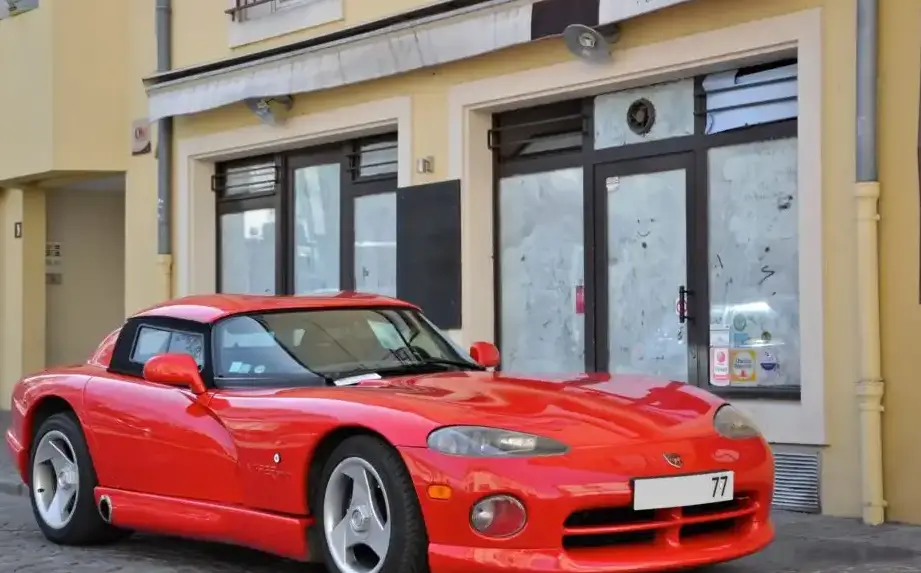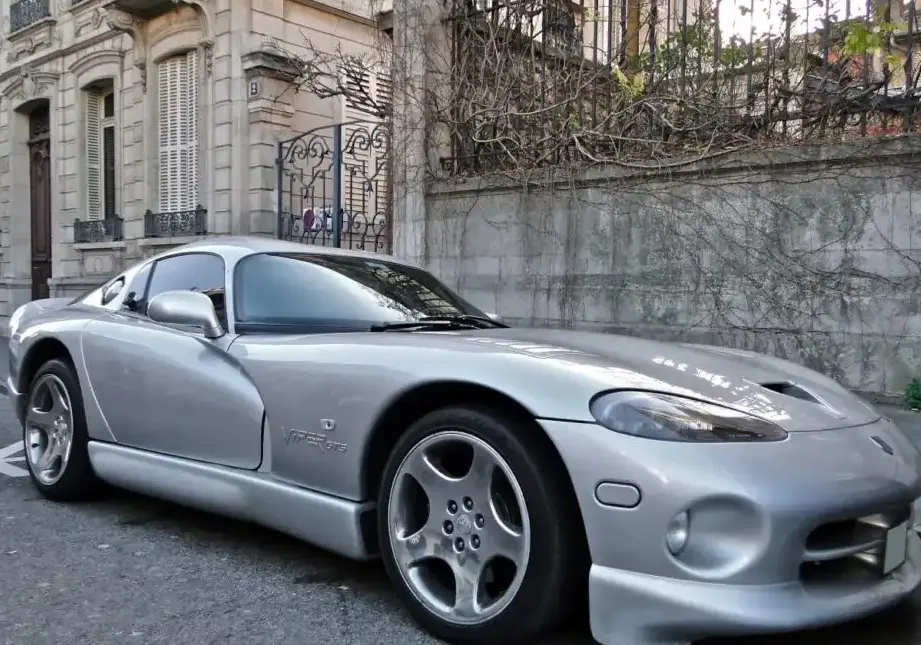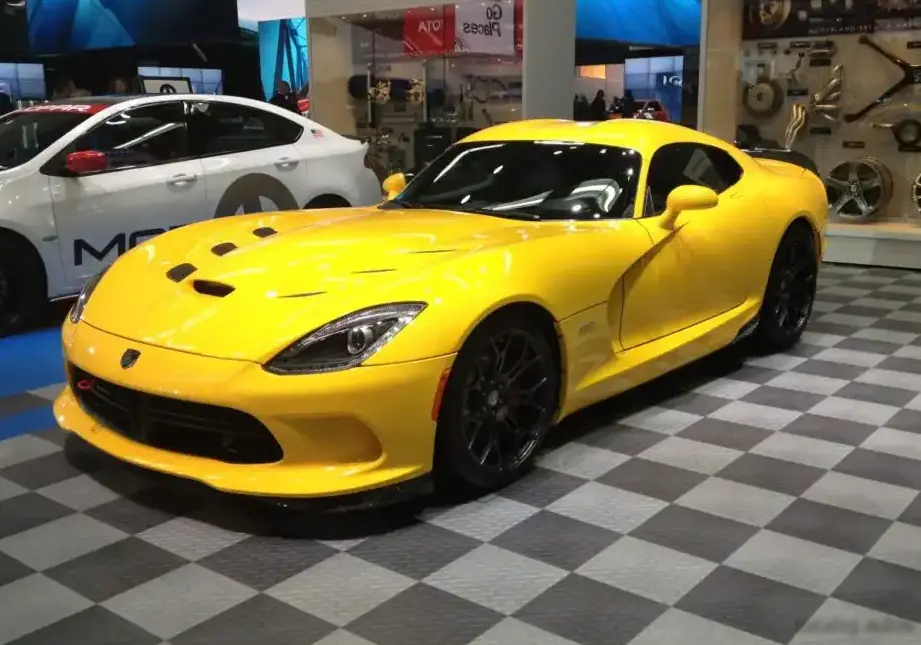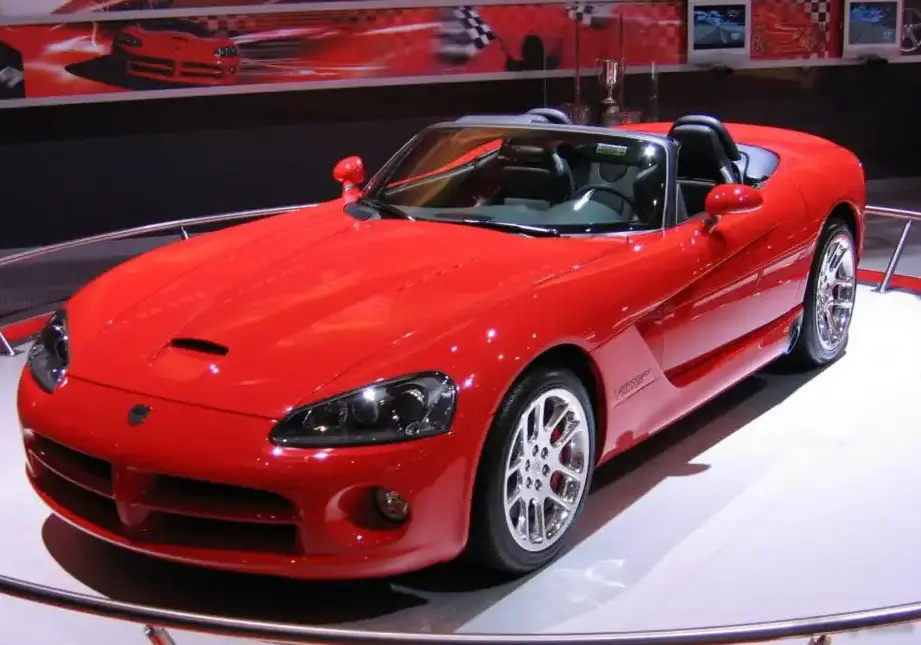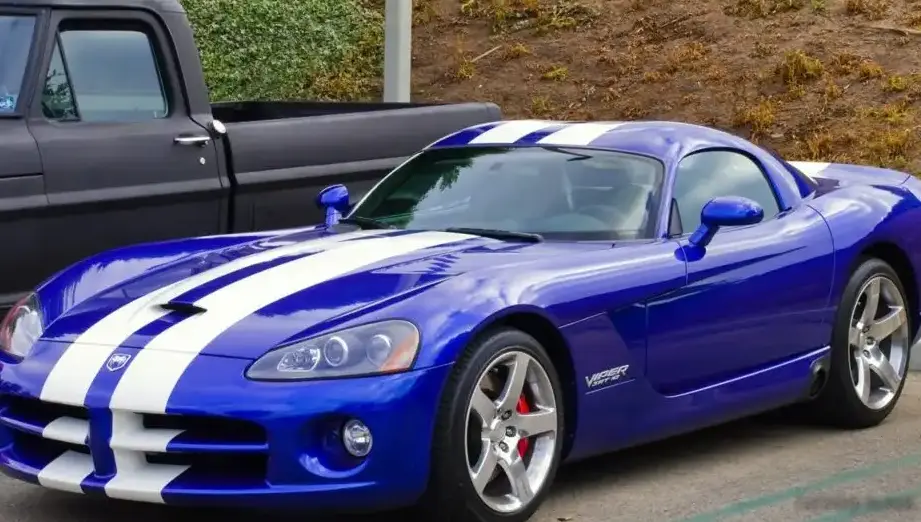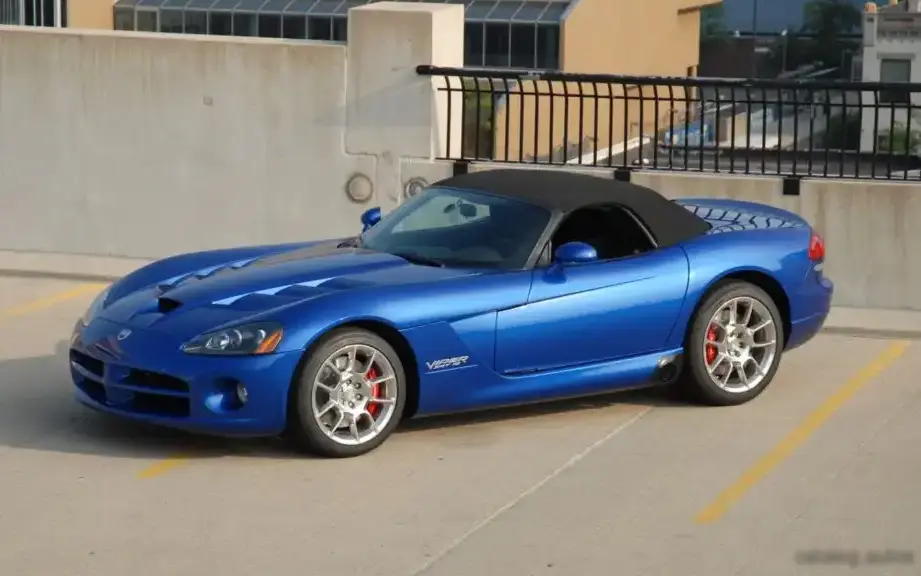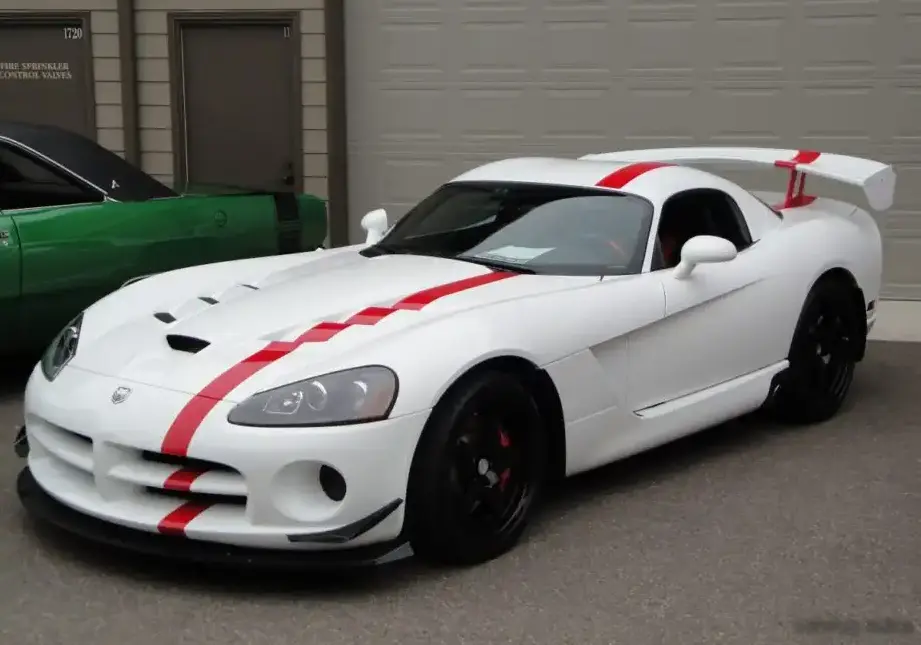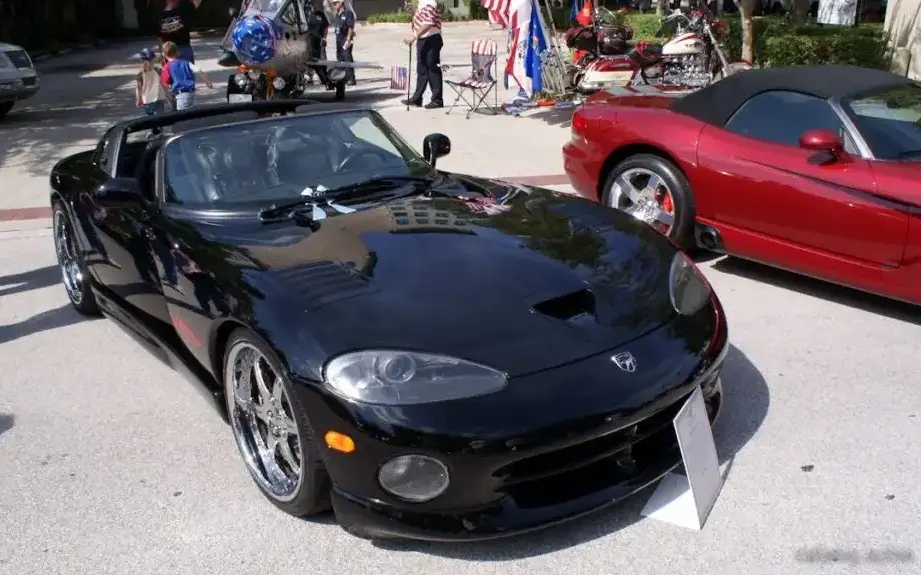
The Dodge Viper SR II Convertible, produced from 1997 to 2002, represented a significant evolution of the original Viper RT/10. Positioned as the open-top variant of the second-generation Viper, the SR II aimed to refine the raw, visceral experience of its predecessor while maintaining the core tenets of American muscle. It was built on the proven chassis of the first-generation Viper, but with numerous improvements to handling, cooling, and overall refinement. The SR II Convertible continued the Viper’s role as a halo vehicle for Dodge, showcasing American engineering and performance capabilities. It competed primarily with high-performance sports cars from Europe, such as the Porsche 911 and Chevrolet Corvette, offering a unique blend of brute force and relatively accessible pricing.
Technical Specifications
| Brand | Dodge |
| Model | Viper |
| Generation | Viper SR II Convertible |
| Type (Engine) | 8.0 V10 (450 Hp) |
| Start of production | 1997 |
| End of production | 2002 |
| Powertrain Architecture | Internal Combustion engine |
| Body type | Targa |
| Seats | 2 |
| Doors | 2 |
| Fuel consumption (urban) | 21.4 l/100 km (11 US mpg, 13.2 UK mpg, 4.7 km/l) |
| Fuel consumption (extra urban) | 11.8 l/100 km (19.9 US mpg, 23.9 UK mpg, 8.5 km/l) |
| Fuel consumption (combined) | 16.8 l/100 km (14 US mpg, 16.8 UK mpg, 6 km/l) |
| Fuel Type | Petrol (Gasoline) |
| Acceleration 0 – 100 km/h | 4 sec |
| Acceleration 0 – 62 mph | 4 sec |
| Acceleration 0 – 60 mph | 3.8 sec |
| Maximum speed | 285 km/h (177.09 mph) |
| Weight-to-power ratio | 3.5 kg/Hp, 288.5 Hp/tonne |
| Weight-to-torque ratio | 2.3 kg/Nm, 425.6 Nm/tonne |
| Power | 450 Hp @ 5200 rpm |
| Power per litre | 56.3 Hp/l |
| Torque | 664 Nm @ 3700 rpm (489.74 lb.-ft. @ 3700 rpm) |
| Engine layout | Front, Longitudinal |
| Engine displacement | 7990 cm3 (487.58 cu. in.) |
| Number of cylinders | 10 |
| Engine configuration | V-engine |
| Cylinder Bore | 101.6 mm (4 in.) |
| Piston Stroke | 98.5 mm (3.88 in.) |
| Compression ratio | 9.6:1 |
| Number of valves per cylinder | 2 |
| Fuel injection system | Multi-port manifold injection |
| Engine aspiration | Naturally aspirated engine |
| Engine oil capacity | 8 l (8.45 US qt | 7.04 UK qt) |
| Coolant capacity | 12 l (12.68 US qt | 10.56 UK qt) |
| Kerb Weight | 1560 kg (3439.21 lbs.) |
| Trunk (boot) space – maximum | 193 l (6.82 cu. ft.) |
| Fuel tank capacity | 68 l (17.96 US gal | 14.96 UK gal) |
| Length | 4475 mm (176.18 in.) |
| Width | 1923 mm (75.71 in.) |
| Height | 1118 mm (44.02 in.) |
| Wheelbase | 2443 mm (96.18 in.) |
| Front track | 1514 mm (59.61 in.) |
| Rear (Back) track | 1539 mm (60.59 in.) |
| Drivetrain Architecture | Rear wheel drive |
| Number of gears and type of gearbox | 6 gears, manual transmission |
| Front suspension | Double wishbone |
| Rear suspension | Double wishbone |
| Front brakes | Ventilated discs |
| Rear brakes | Ventilated discs |
| Assisting systems | ABS (Anti-lock braking system), Hydraulic Power Steering |
| Tires size | 275/40 R17; 335/35 R17 |
Powertrain & Engine Architecture
The heart of the SR II Convertible is its 8.0-liter V10 engine, internally designated as the engine code. This naturally aspirated powerplant is a significant engineering achievement, boasting a robust cast-iron block and aluminum cylinder heads. The engine utilizes a multi-port fuel injection system, delivering fuel directly into each intake port for optimized combustion. The valvetrain consists of two valves per cylinder, operated by a single overhead camshaft per bank. The 6-speed manual transmission was the only transmission option, designed to handle the immense torque output of the V10. The transmission featured a robust design with close gear ratios, optimized for both acceleration and highway cruising. The engine’s longitudinal front-engine layout contributes to a balanced weight distribution, enhancing handling characteristics.
Driving Characteristics
The Viper SR II Convertible delivers a raw and engaging driving experience. The 450 horsepower and 489.74 lb-ft of torque provide exhilarating acceleration, with 0-60 mph times consistently in the 3.8-second range. The manual transmission requires a skilled driver to fully exploit the engine’s potential, demanding precise shifts and clutch control. Compared to potential future automatic variants, the manual transmission offers a more direct connection to the powertrain. The close-ratio gearbox keeps the engine within its powerband, providing strong acceleration in any gear. While the suspension is firm, it effectively manages body roll and provides a planted feel during cornering. The lack of electronic driver aids, such as traction control or stability control, emphasizes the driver’s skill and demands respect for the car’s immense power.
Equipment & Trim Levels
The SR II Convertible was relatively spartan in its standard equipment, reflecting the Viper’s focus on performance. Standard features included leather upholstery, air conditioning, power windows and locks, and a premium sound system. The interior design was functional and driver-focused, with large analog gauges providing essential information. Optional extras included upgraded audio systems, special paint colors, and various cosmetic enhancements. The convertible top was manually operated, adding to the car’s raw and engaging character. Interior trim options were limited, typically offering a choice of black or red leather.
Chassis & Braking
The SR II Convertible utilizes a steel tube frame chassis, providing exceptional rigidity and strength. The suspension consists of double wishbones at all four corners, with coil springs and adjustable shocks. The braking system features ventilated discs at all four wheels, providing ample stopping power. Anti-lock brakes (ABS) were standard, enhancing safety and control during hard braking. The car’s relatively lightweight construction, at 3439.21 lbs, contributes to its agile handling. The rear track is slightly wider than the front, further enhancing stability.
Market Reception & Comparison
The Dodge Viper SR II Convertible was generally well-received by automotive critics, praised for its exhilarating performance and distinctive styling. However, its lack of refinement and challenging driving dynamics were also noted. Compared to the base Viper RT/10, the SR II offered improved cooling and minor handling enhancements. Compared to the Chevrolet Corvette, the Viper offered a more raw and visceral driving experience, while the Corvette provided greater comfort and convenience. Fuel economy was predictably poor, averaging around 14 US mpg in combined driving. Reliability was generally good, although the V10 engine required regular maintenance and careful monitoring of fluid levels.
Legacy
The Dodge Viper SR II Convertible remains a highly sought-after collectible car. Its combination of raw power, distinctive styling, and relatively limited production numbers has contributed to its enduring appeal. The V10 engine is considered a masterpiece of American engineering, and the SR II Convertible represents a high point in the Viper’s evolution. While maintenance can be costly, the SR II Convertible offers a unique and rewarding driving experience that few other cars can match. Today, well-maintained examples command significant prices in the used car market, attracting enthusiasts who appreciate the Viper’s uncompromising approach to performance.