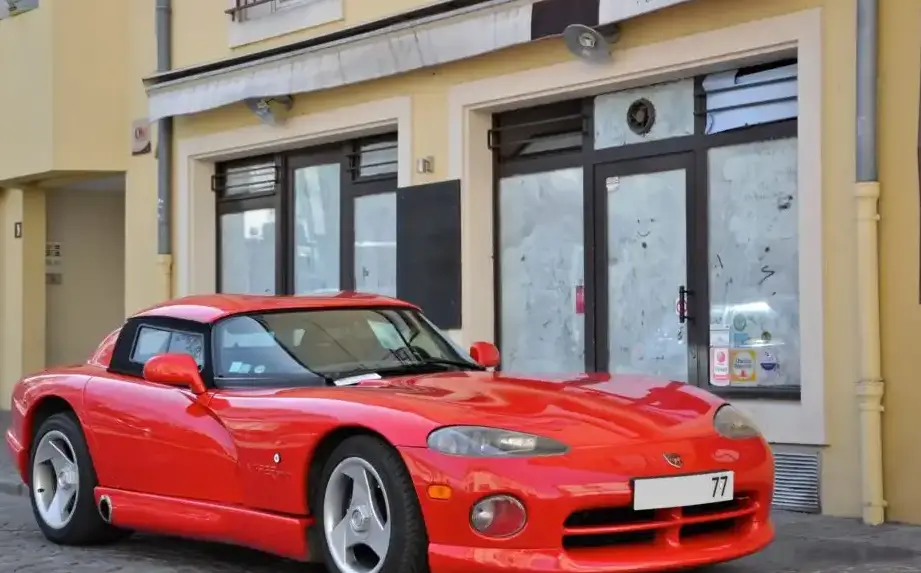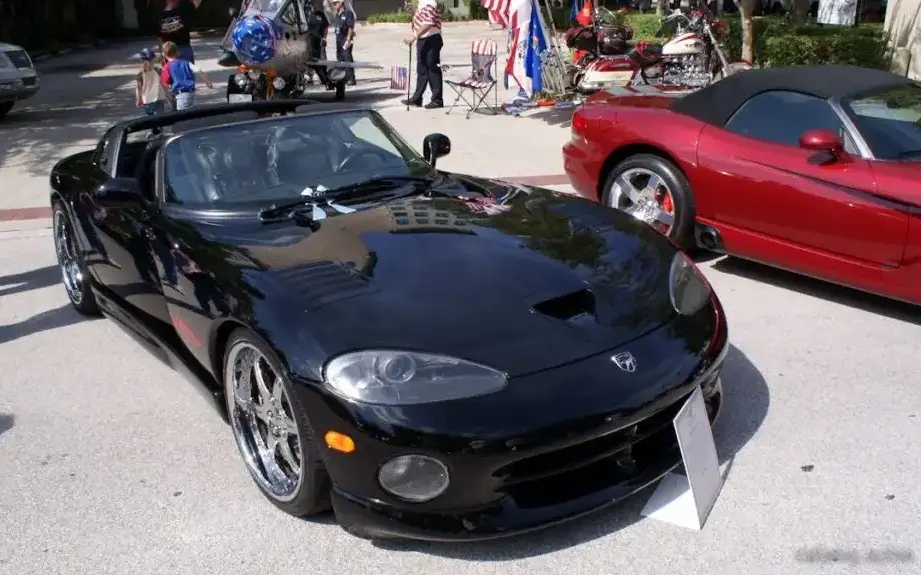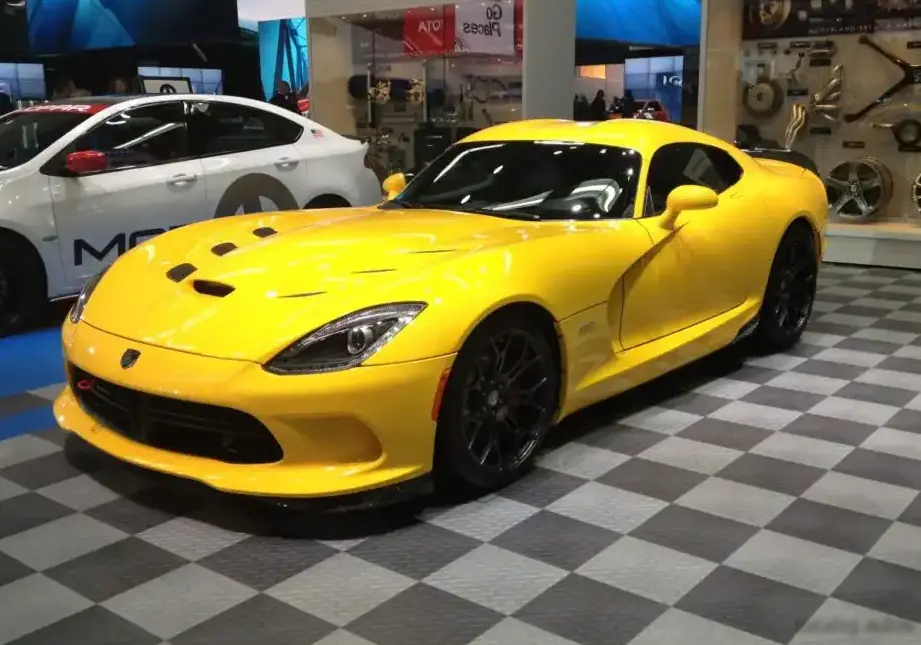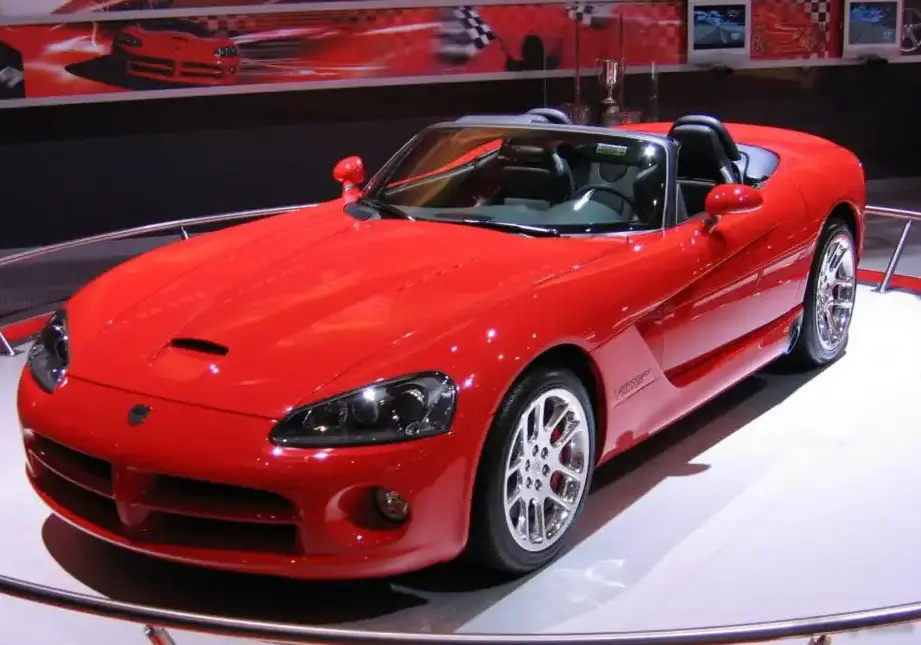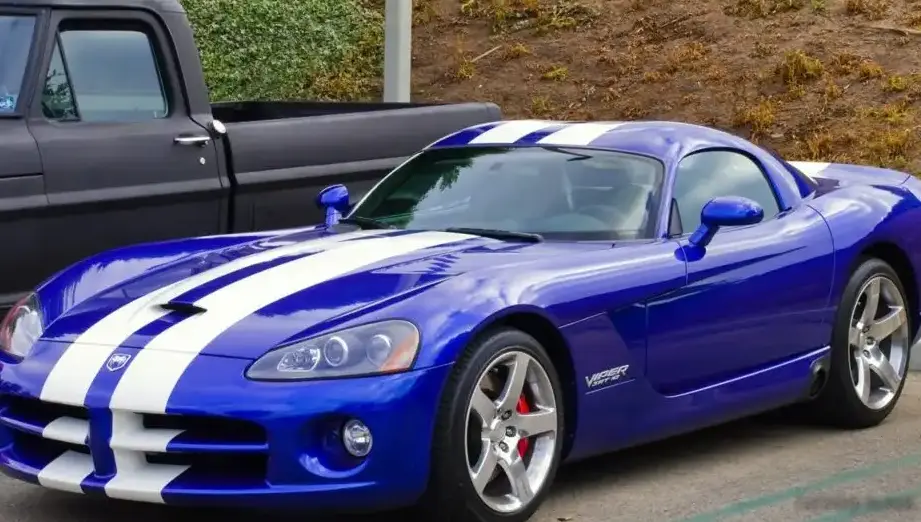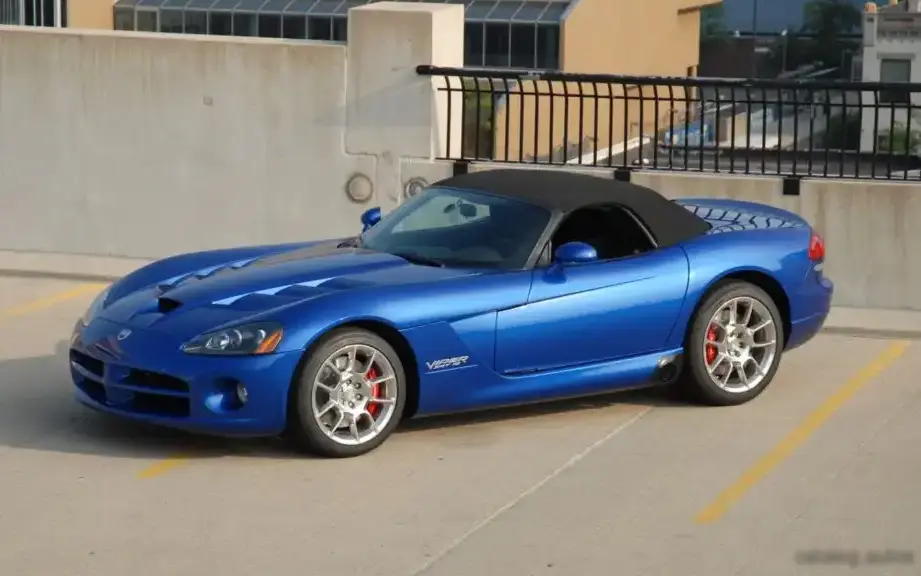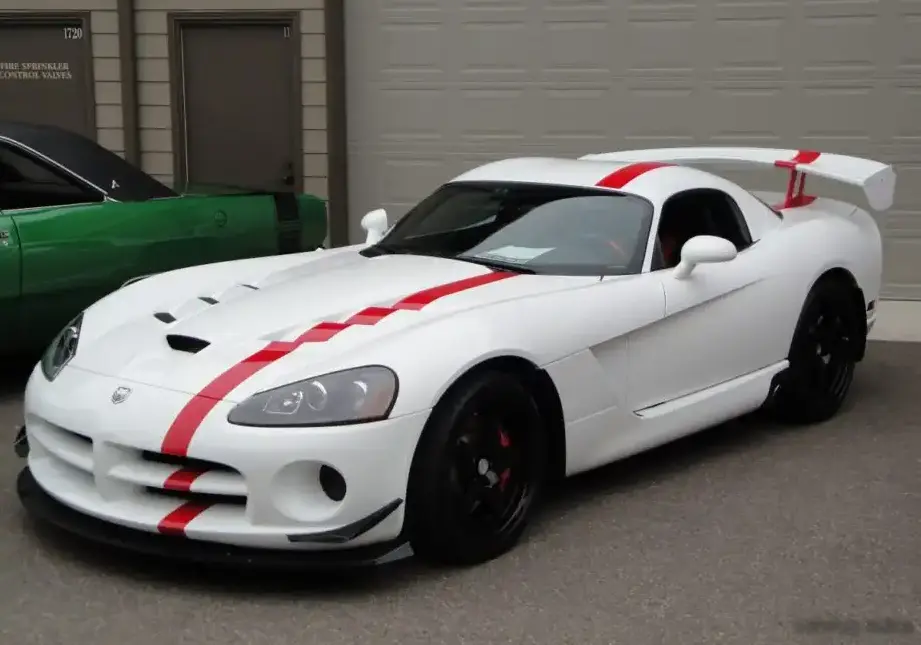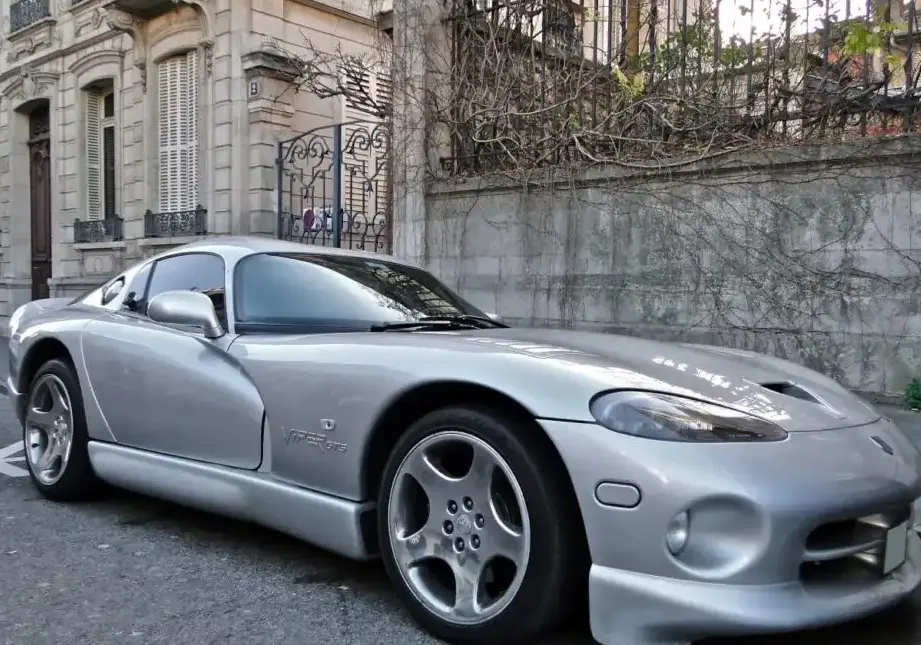
The Dodge Viper SR II Coupe GTS 8.0 V10, produced from 1996 to 2002, represents a pivotal evolution of Dodge’s iconic sports car. Falling within the second generation (SR II) of the Viper, the GTS variant distinguished itself with a coupe body style and a powerful 8.0-liter V10 engine. This model was a direct response to demand for a more civilized, all-weather Viper, offering improved aerodynamics and a more refined interior compared to the original RT/10 roadster. The SR II platform, based on a steel space frame, aimed to deliver a raw, visceral driving experience while enhancing structural rigidity and safety. It quickly became a symbol of American performance and a formidable competitor in the high-end sports car market.
Technical Specifications
| Brand | Dodge |
| Model | Viper |
| Generation | Viper SR II Coupe |
| Type (Engine) | GTS 8.0 V10 (450 Hp) |
| Start of production | 1996 |
| End of production | 2002 |
| Powertrain Architecture | Internal Combustion engine |
| Body type | Coupe, Liftback |
| Seats | 2 |
| Doors | 3 |
| Fuel consumption (urban) | 21.4 l/100 km (11 US mpg, 13.2 UK mpg, 4.7 km/l) |
| Fuel consumption (extra urban) | 12.4 l/100 km (19 US mpg, 22.8 UK mpg, 8.1 km/l) |
| Fuel consumption (combined) | 16.8 l/100 km (14 US mpg, 16.8 UK mpg, 6 km/l) |
| Fuel Type | Petrol (Gasoline) |
| Weight-to-power ratio | 3.5 kg/Hp, 286.8 Hp/tonne |
| Weight-to-torque ratio | 2.4 kg/Nm, 423.2 Nm/tonne |
| Power | 450 Hp @ 5200 rpm |
| Power per litre | 56.3 Hp/l |
| Torque | 664 Nm @ 3700 rpm (489.74 lb.-ft. @ 3700 rpm) |
| Maximum engine speed | 6000 rpm |
| Engine layout | Front, Longitudinal |
| Engine displacement | 7997 cm3 (488.01 cu. in.) |
| Number of cylinders | 10 |
| Engine configuration | V-engine |
| Cylinder Bore | 101.6 mm (4 in.) |
| Piston Stroke | 98.55 mm (3.88 in.) |
| Compression ratio | 9.6:1 |
| Number of valves per cylinder | 2 |
| Fuel injection system | Multi-port manifold injection |
| Engine aspiration | Naturally aspirated engine |
| Valvetrain | OHV |
| Engine oil capacity | 8 l (8.45 US qt | 7.04 UK qt) |
| Coolant capacity | 12 l (12.68 US qt | 10.56 UK qt) |
| Kerb Weight | 1569 kg (3459.05 lbs.) |
| Fuel tank capacity | 70 l (18.49 US gal | 15.4 UK gal) |
| Length | 4488 mm (176.69 in.) |
| Width | 1923 mm (75.71 in.) |
| Height | 1219 mm (47.99 in.) |
| Wheelbase | 2443 mm (96.18 in.) |
| Front track | 1519 mm (59.8 in.) |
| Rear track | 1547 mm (60.91 in.) |
| Ride height (ground clearance) | 127 mm (5 in.) |
| Minimum turning circle | 12.3 m (40.35 ft.) |
| Drivetrain Architecture | Rear wheel drive |
| Number of gears | 6 gears, manual transmission |
| Front suspension | Coil spring, Double wishbone, Transverse stabilizer |
| Rear suspension | Double wishbone, Transverse stabilizer, Coil spring |
| Front brakes | Ventilated discs, 330×32 mm |
| Rear brakes | Ventilated discs, 330×22 mm |
| Assisting systems | ABS (Anti-lock braking system) |
| Steering type | Steering rack and pinion |
| Power steering | Hydraulic Steering |
| Front tires | 275/35 R18 |
| Rear tires | 335/30 R18 |
| Front wheel rims | 10J x 18 |
| Rear wheel rims | 13J x 18 |
The heart of the Viper GTS is its 8.0-liter (488 cubic inch) V10 engine. This engine, internally designated as the engine code, is a naturally aspirated powerplant featuring a cast iron block and aluminum cylinder heads. It utilizes a single overhead valve (OHV) valvetrain, a relatively simple design chosen for its durability and ability to handle high engine speeds. Fuel delivery is managed by a multi-port fuel injection system, providing precise fuel metering for optimal performance and efficiency. The engine’s large displacement and 10 cylinders contribute to its substantial 450 horsepower at 5,200 rpm and 489.74 lb-ft of torque at 3,700 rpm. The engine is mounted longitudinally in the front of the vehicle, sending power to the rear wheels. The sole transmission option was a robust six-speed manual gearbox, chosen to handle the engine’s immense power and provide a direct connection to the drivetrain.
Driving Characteristics
The Viper GTS, with its 450 hp and manual transmission, delivers a raw and demanding driving experience. Acceleration is brutal, with the car capable of reaching 60 mph in around 4 seconds. The large displacement V10 provides a broad torque curve, making the car responsive at almost any engine speed. However, the power delivery is not linear; it builds dramatically as the engine revs climb. The six-speed manual transmission features relatively short gear ratios, keeping the engine within its power band. Unlike some European grand tourers that offered automatic transmissions, the Viper GTS remained exclusively manual. This choice reinforced the car’s focus on driver engagement and control. The lack of electronic driver aids, such as traction control or stability control, requires a skilled driver to manage the car’s immense power and rear-wheel-drive configuration. It’s a car that demands respect and rewards proficiency.
Equipment & Trim Levels
The Viper GTS was relatively sparsely equipped compared to other grand touring cars of the era, reflecting its focus on performance. Standard features included leather upholstery, air conditioning, power windows and locks, and a premium sound system. The interior design was functional and driver-focused, with large analog gauges providing essential information. Optional extras included a factory-installed hardtop (which significantly improved structural rigidity and reduced wind noise), upgraded audio systems, and various cosmetic enhancements. The GTS trim level generally represented a step up in refinement compared to the base RT/10, with a more comfortable interior and improved sound insulation. While not luxurious, the GTS offered a more usable and comfortable experience for longer journeys than its open-top predecessor.
Chassis & Braking
The Viper GTS utilizes a steel tubular space frame chassis, providing a rigid and lightweight foundation for the vehicle. Suspension consists of independent double wishbone setups at both the front and rear, with coil springs and transverse stabilizers to control body roll. Braking duties are handled by ventilated disc brakes at all four corners, providing ample stopping power. The front brakes measure 330×32 mm, while the rear brakes are slightly smaller at 330×22 mm. An anti-lock braking system (ABS) was standard equipment. The GTS’s relatively low weight (around 3,459 lbs) contributes to its agile handling characteristics. The chassis design prioritized stiffness and responsiveness, contributing to the car’s direct and engaging feel.
Market Reception & Comparison
The Dodge Viper GTS was generally well-received by automotive critics, who praised its raw performance, striking design, and relatively affordable price compared to European supercars. However, its lack of electronic driver aids and demanding driving characteristics were also noted. Fuel economy was predictably poor, averaging around 14 mpg in combined driving. Compared to other V10-powered vehicles of the time, such as the Lamborghini Countach (which it shared some engineering lineage with), the Viper GTS offered a more accessible and user-friendly experience. It also provided a compelling alternative to established sports car brands like Porsche and Ferrari. The Viper GTS offered a uniquely American take on the high-performance sports car, prioritizing power and driver involvement over outright luxury.
Legacy
The Dodge Viper SR II Coupe GTS 8.0 V10 remains a highly sought-after collectible car. The V10 engine is known for its durability and relatively simple maintenance requirements, although parts can be expensive. The manual transmission is also considered robust and reliable. Well-maintained examples command high prices in the used car market, reflecting the car’s iconic status and enduring appeal. The Viper GTS represents a unique chapter in American automotive history, embodying a commitment to raw performance and a distinctly American approach to sports car design. It continues to be celebrated by enthusiasts as a true driver’s car, a testament to its uncompromising character and exhilarating driving experience.