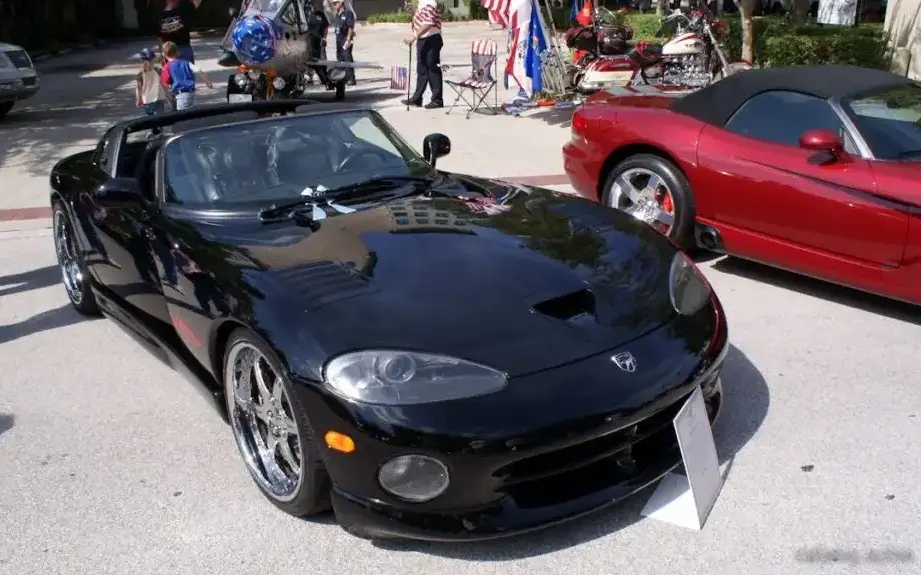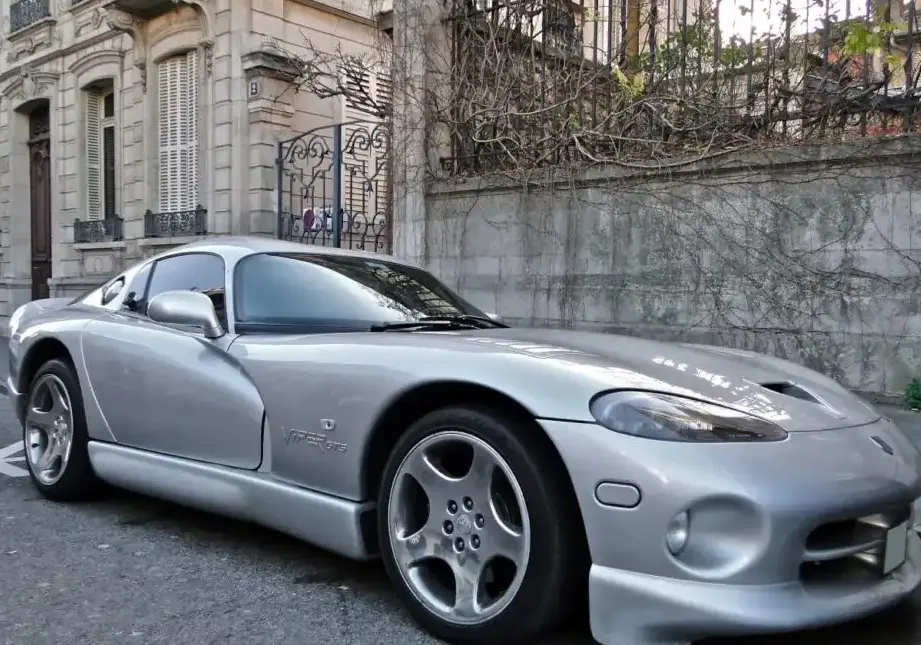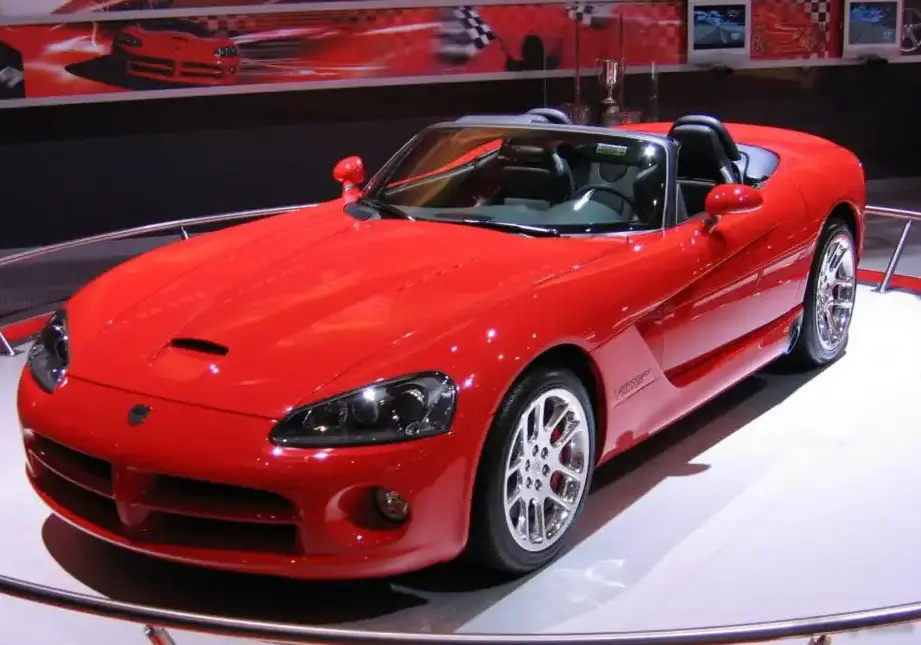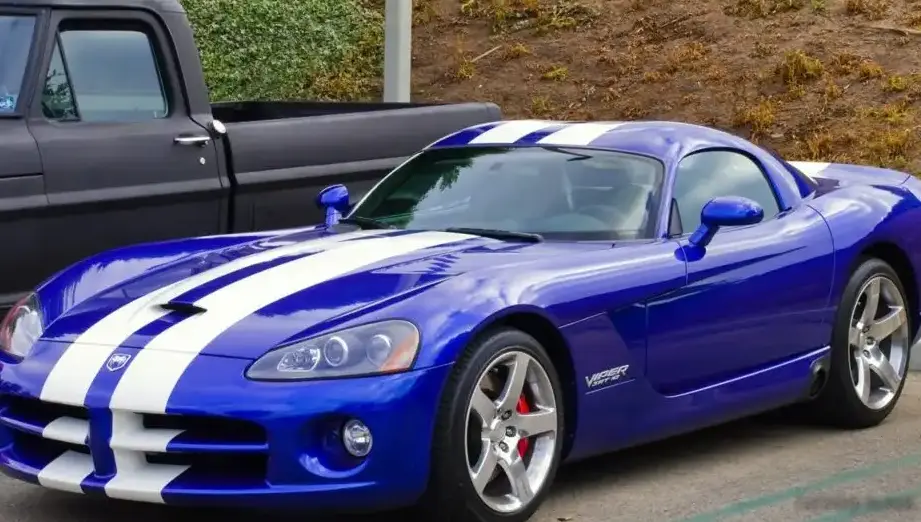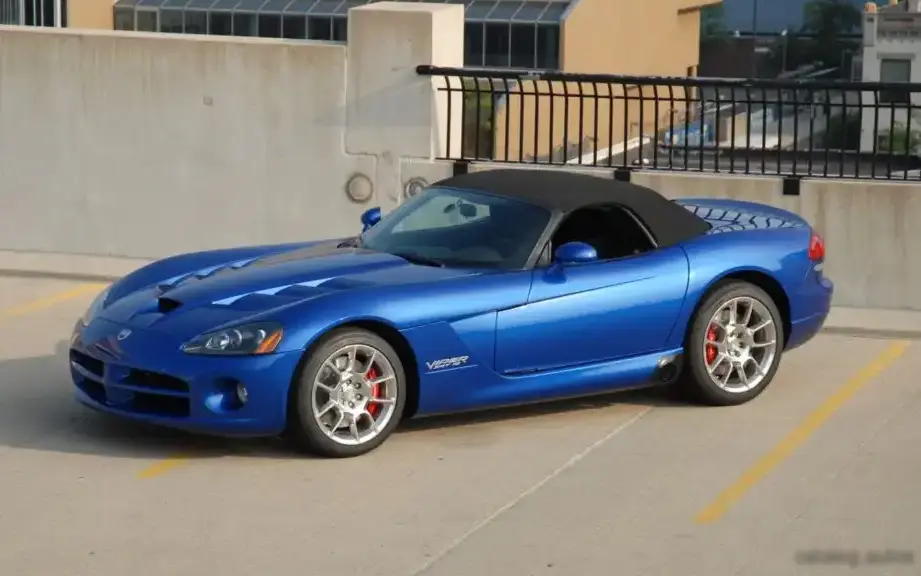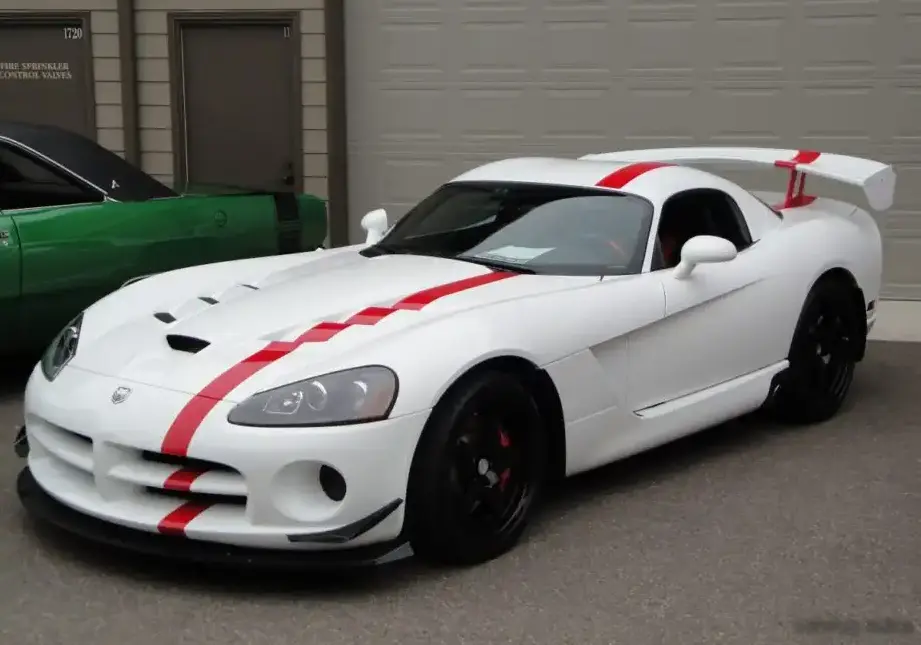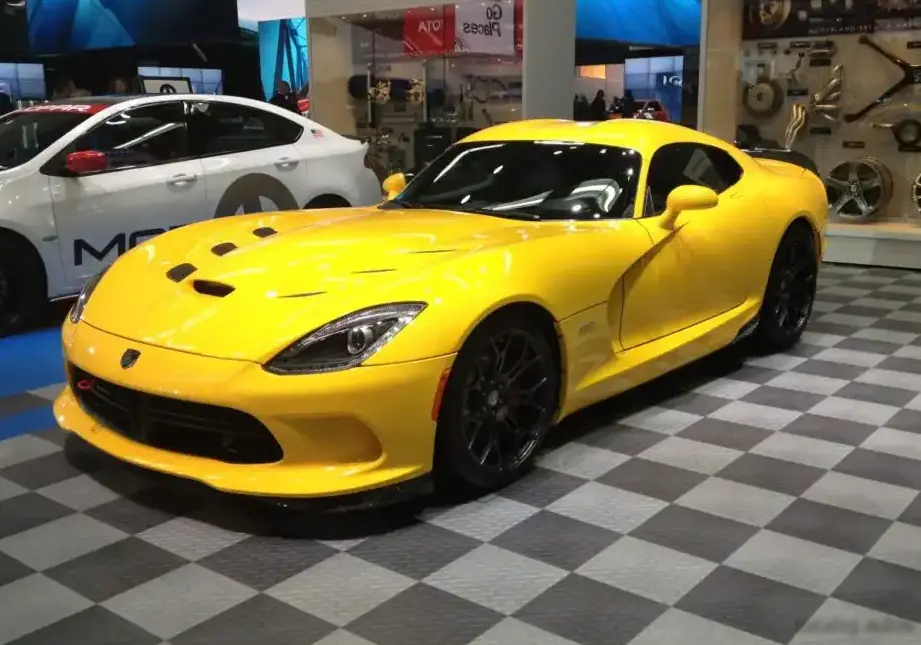
The Dodge Viper VX GTS 8.4i V10 20V (649 Hp) represents the final iteration of the iconic Viper sports car, produced from 2013 to 2017. This generation, internally designated as the VX, marked a return for the Viper after a brief hiatus, aiming to recapture the raw, visceral driving experience that defined the model while incorporating modern technology and refinement. The GTS variant, specifically with the 8.4-liter V10 engine producing 649 horsepower, served as the flagship performance model within the VX lineup, positioned above the base SRT model and offering a more focused, track-capable experience. It was built at the Conner Avenue Assembly Plant in Detroit, Michigan, continuing a tradition of American-built performance cars.
Technical Specifications
| Brand | Dodge |
| Model | Viper |
| Generation | Viper VX |
| Type (Engine) | GTS 8.4i V10 20V (649 Hp) |
| Start of production | 2013 |
| End of production | 2017 |
| Powertrain Architecture | Internal Combustion engine |
| Body type | Coupe, Liftback |
| Seats | 2 |
| Doors | 3 |
| Fuel consumption (urban) | 19.6 l/100 km (12 US mpg, 14.4 UK mpg, 5.1 km/l) |
| Fuel consumption (extra urban) | 11.2 l/100 km (21 US mpg, 25.2 UK mpg, 8.9 km/l) |
| Fuel consumption (combined) | 15.7 l/100 km (15 US mpg, 18 UK mpg, 6.4 km/l) |
| Fuel Type | Petrol (Gasoline) |
| Acceleration 0 – 100 km/h | 3.9 sec |
| Acceleration 0 – 62 mph | 3.9 sec |
| Acceleration 0 – 60 mph | 3.7 sec |
| Weight-to-power ratio | 2.4 kg/Hp, 417.1 Hp/tonne |
| Weight-to-torque ratio | 1.9 kg/Nm, 523.1 Nm/tonne |
| Power | 649 Hp @ 6200 rpm |
| Torque | 814 Nm @ 5000 rpm (600.38 lb.-ft. @ 5000 rpm) |
| Maximum engine speed | 6400 rpm |
| Engine layout | Front, Longitudinal |
| Number of cylinders | 10 |
| Engine configuration | V-engine |
| Cylinder Bore | 103 mm (4.06 in) |
| Piston Stroke | 100.6 mm (3.96 in) |
| Compression ratio | 10.2:1 |
| Number of valves per cylinder | 2 |
| Fuel injection system | Multi-port manifold injection |
| Engine aspiration | Naturally aspirated engine |
| Valvetrain | OHV, VVT |
| Engine oil capacity | 10.4 l (10.99 US qt | 9.15 UK qt) |
| Coolant capacity | 15 l (15.85 US qt | 13.2 UK qt) |
| Kerb Weight | 1556-1530 kg (3430.39 – 3373.07 lbs) |
| Trunk (boot) space – maximum | 114 l (4.03 cu. ft) |
| Fuel tank capacity | 70 l (18.49 US gal | 15.4 UK gal) |
| Length | 4463 mm (175.71 in) |
| Width | 1941 mm (76.42 in) |
| Height | 1246 mm (49.06 in) |
| Wheelbase | 2510 mm (98.82 in) |
| Front track | 1598 mm (62.91 in) |
| Rear (Back) track | 1550 mm (61.02 in) |
| Ride height (ground clearance) | 127 mm (5 in) |
| Drag coefficient (Cd) | 0.369 |
| Minimum turning circle | 12.34 m (40.49 ft) |
| Approach angle | 10.73° |
| Departure angle | 16.15° |
| Drivetrain Architecture | Rear wheel drive |
| Number of gears | 6 gears, manual transmission |
| Front suspension | Double wishbone |
| Rear suspension | Double wishbone |
| Front brakes | Ventilated discs, 355.6 mm |
| Rear brakes | Ventilated discs, 355.6 mm |
| Assisting systems | ABS (Anti-lock braking system) |
| Steering type | Steering rack and pinion |
| Power steering | Electric Steering |
| Front tires | 295/30 ZR18 |
| Rear tires | 355/30 ZR19 |
| Front wheel rims | 10.5J x 18 |
| Rear wheel rims | 13J x 19 |
Powertrain & Engine Architecture
The heart of the Viper VX GTS is the 8.4-liter (8400 cc) V10 engine, designated as the 8.4i. This engine is a naturally aspirated, overhead valve (OHV) design with variable valve timing (VVT). It utilizes a cast iron block with aluminum cylinder heads, and a forged steel crankshaft and connecting rods for enhanced durability. The engine employs multi-port fuel injection, delivering fuel directly into each intake port. The 649 horsepower output is achieved through a combination of high compression (10.2:1) and optimized airflow. The engine is longitudinally mounted in the front of the vehicle, sending power to the rear wheels. The sole transmission option for the GTS was a six-speed manual gearbox, chosen for its direct connection and driver engagement. This transmission featured a robust design to handle the engine’s substantial torque output.
Driving Characteristics
The Viper VX GTS delivers a raw and exhilarating driving experience. The 649 hp and 600 lb-ft of torque provide immense acceleration, with 0-60 mph times consistently in the 3.7-3.9 second range. The manual transmission requires a skilled driver to manage the power effectively, but offers precise control. Compared to a hypothetical automatic version (which was not offered), the manual gearbox maximizes driver involvement and minimizes power loss. The GTS’s suspension, tuned for track performance, provides minimal body roll and exceptional grip. However, this comes at the expense of some ride comfort, making it less suitable for everyday driving than some of its competitors. The steering is direct and communicative, providing excellent feedback to the driver. The large tires and powerful brakes offer exceptional stopping power.
Equipment & Trim Levels
The Viper GTS came standard with a high level of equipment, reflecting its position as the flagship model. Standard features included leather and suede performance seats, a premium audio system, automatic climate control, and a driver-focused interior layout. Exterior features included unique aerodynamic bodywork, including a rear spoiler and front splitter, designed to enhance downforce. Optional extras included a variety of paint colors, stripe packages, and interior trim options. A performance package was also available, adding features such as upgraded brakes and suspension components.
Chassis & Braking
The Viper VX GTS features a steel space frame chassis, providing a rigid and lightweight foundation for the vehicle. The suspension utilizes double wishbones at both the front and rear, with adjustable dampers and sway bars. The braking system consists of ventilated discs at all four corners, with large calipers providing exceptional stopping power. Anti-lock braking system (ABS) is standard. The GTS benefits from wider tires than the base model, enhancing grip and handling. The car’s relatively low weight, despite its large engine, contributes to its agile handling characteristics.
Market Reception & Comparison
The Viper VX GTS was generally well-received by automotive critics, who praised its performance, handling, and distinctive styling. However, its limited practicality and harsh ride were also noted. Compared to other high-performance sports cars of the era, such as the Chevrolet Corvette Z06 and Porsche 911 GT3, the Viper offered a more visceral and raw driving experience, but lacked the refinement and everyday usability of its competitors. Fuel economy was predictably poor, averaging around 15 mpg combined. Reliability was also a concern for some owners, with reports of occasional mechanical issues.
Legacy
The Dodge Viper VX GTS represents the culmination of the Viper’s development, offering a thrilling and unforgettable driving experience. While production numbers were relatively low, the GTS has become a highly sought-after collectible car. The 8.4-liter V10 engine is renowned for its power and sound, and the manual transmission provides a direct connection to the driving experience. The Viper’s legacy as an American-built performance icon remains strong, and the VX GTS is considered by many to be the ultimate expression of the Viper’s spirit. On the used car market, well-maintained GTS models command premium prices, reflecting their rarity and desirability.