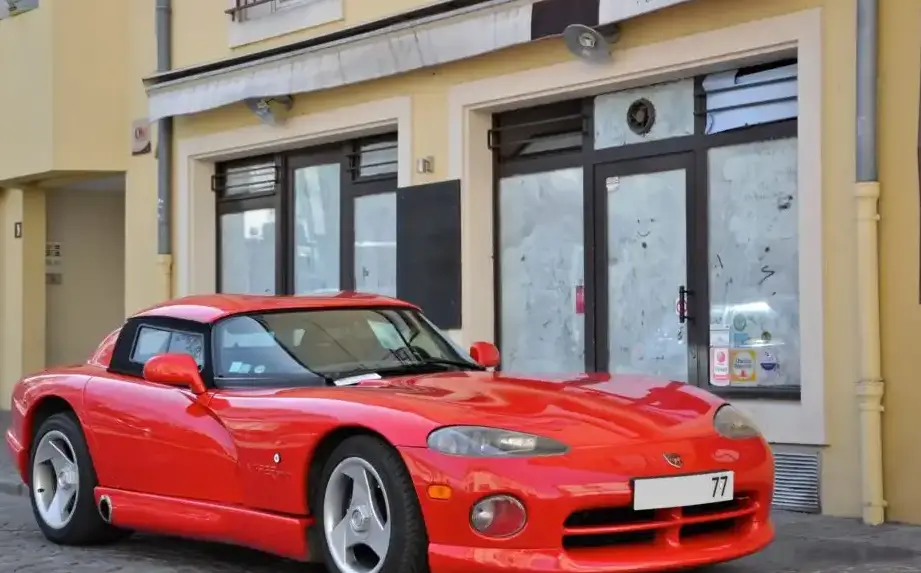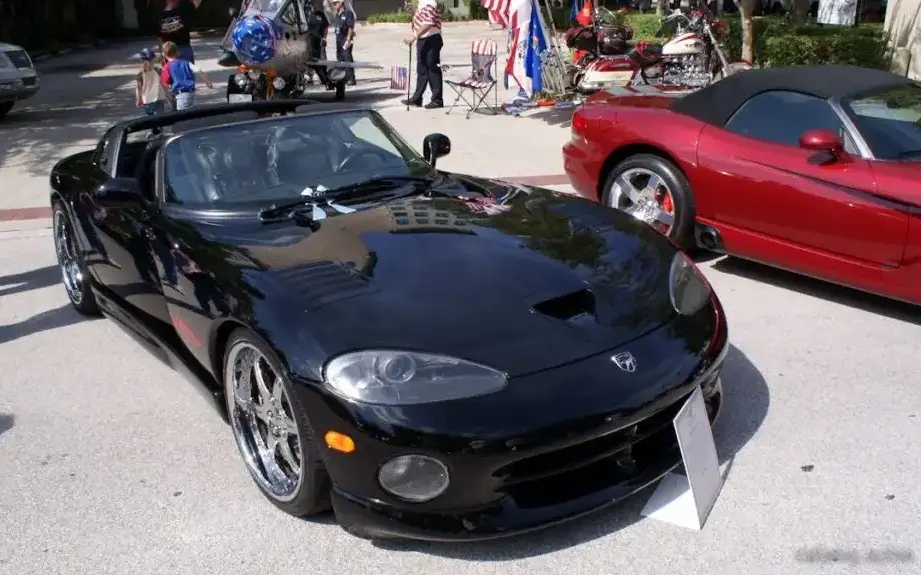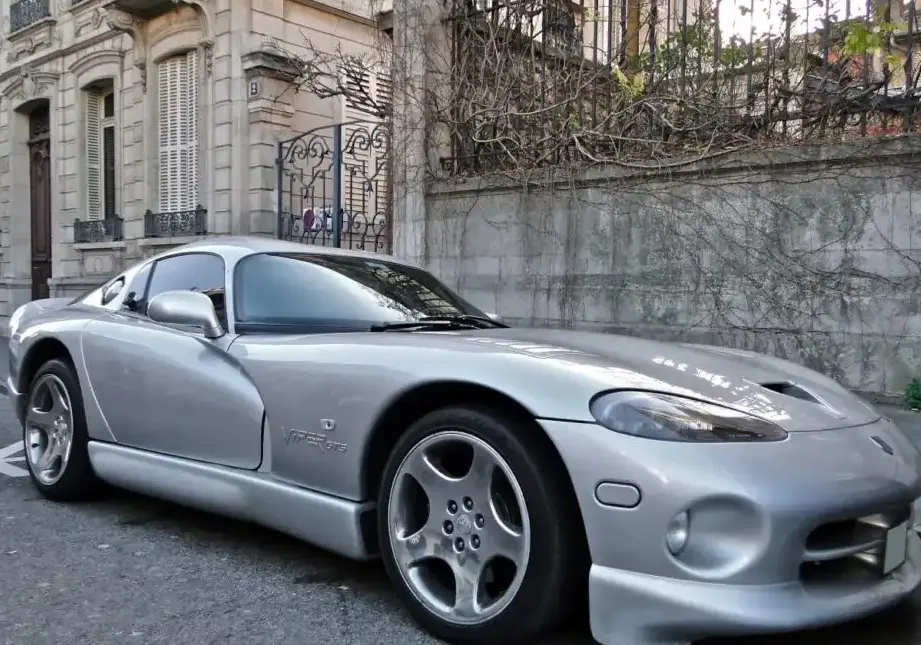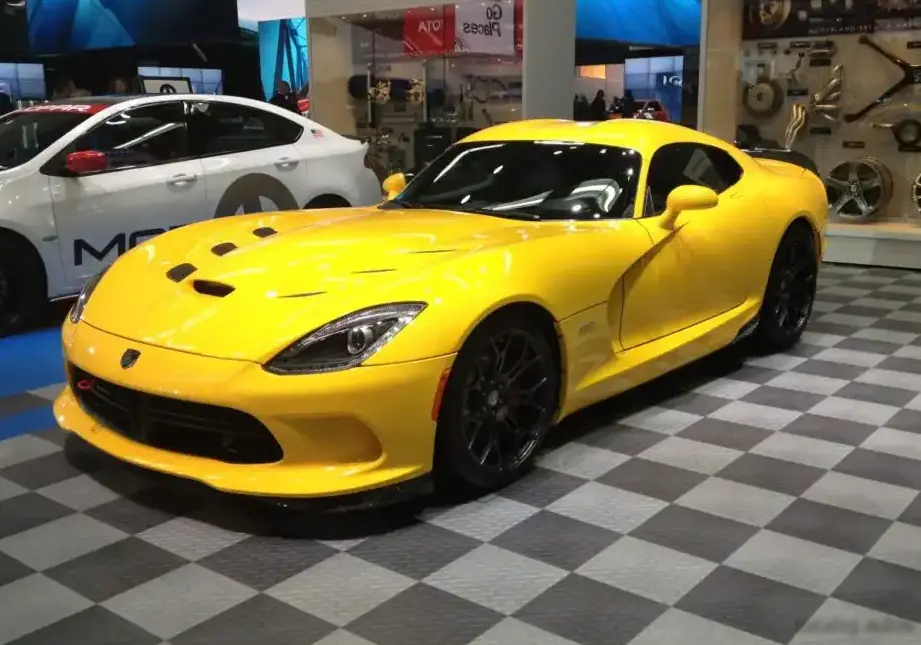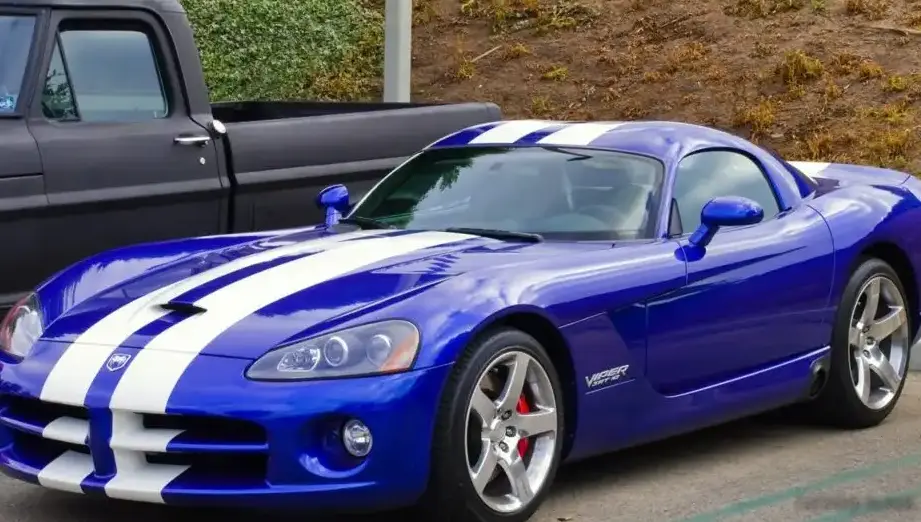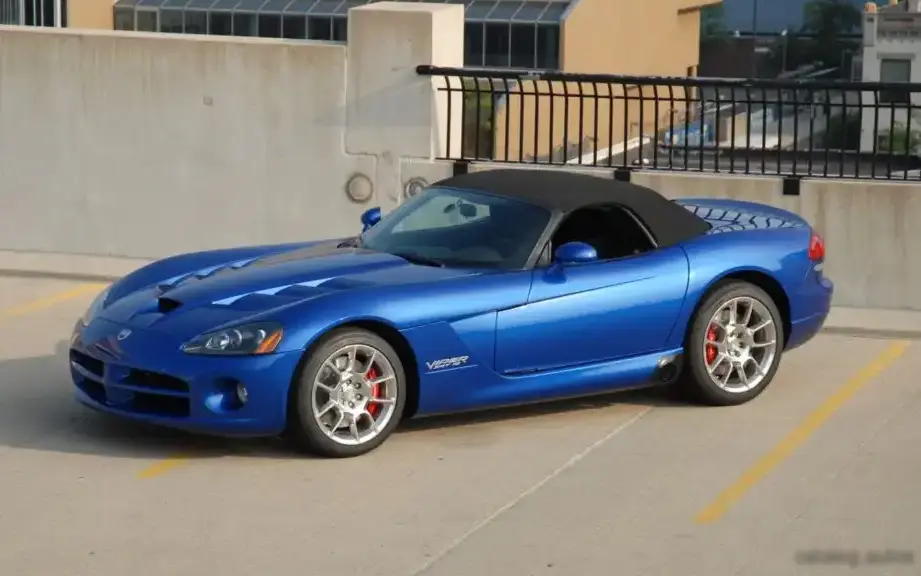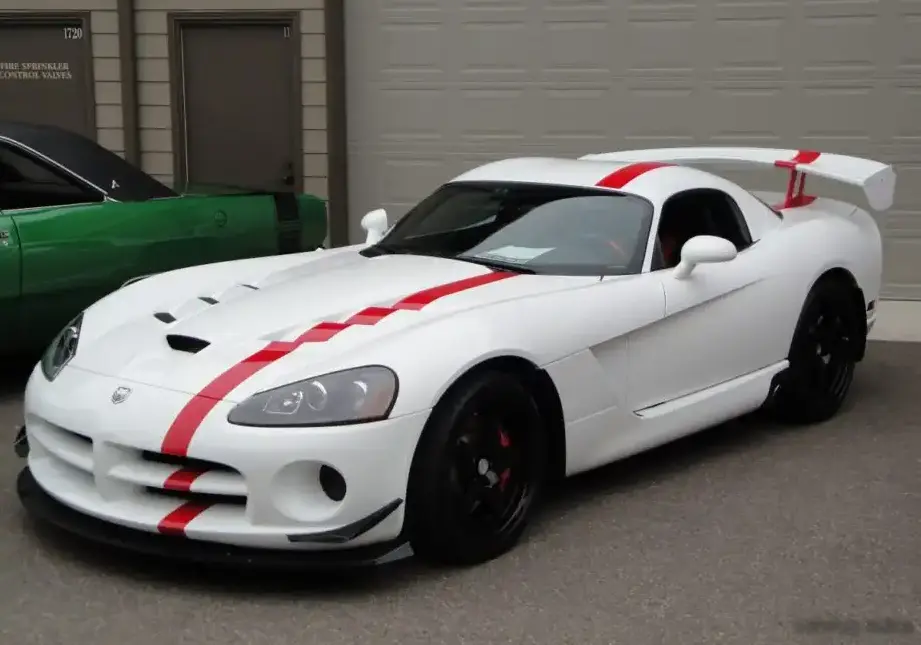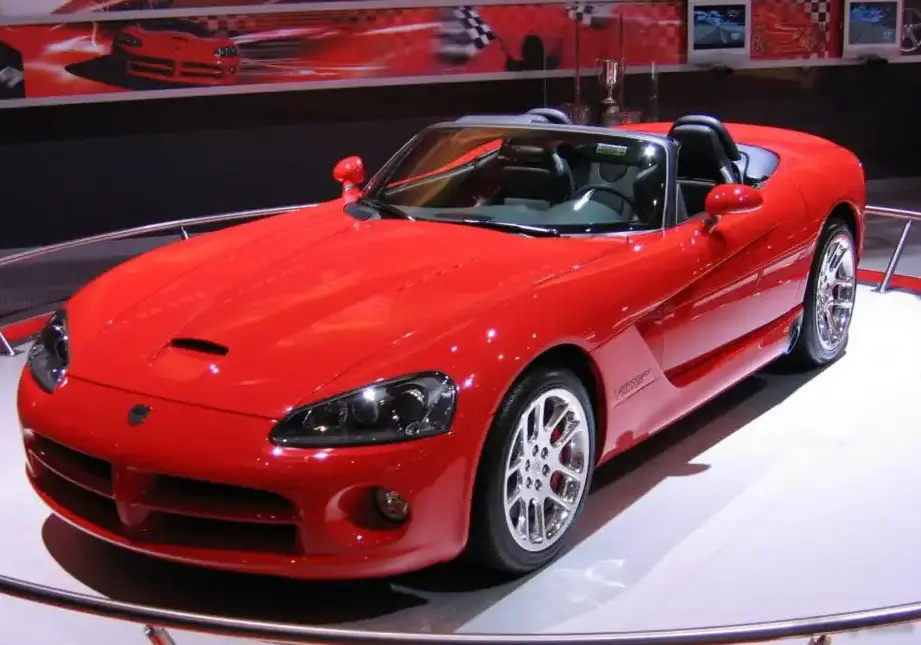
The Dodge Viper ZB I Convertible, produced from 2002 to 2007, represents the first iteration of the ZB generation, succeeding the original RT/10 and GTS models. This open-top variant of the iconic American sports car continued the Viper’s tradition of raw power and aggressive styling, offering a visceral driving experience. The ZB I Convertible was positioned as the flagship model, embodying the pinnacle of Dodge’s performance engineering at the time. It was built on a hydroformed steel space frame chassis, a significant advancement over the previous generation, and featured a naturally aspirated 8.3-liter V10 engine. The ZB I Convertible was exclusively sold in the North American market, catering to enthusiasts seeking a high-performance, no-compromise roadster.
Technical Specifications
| Brand | Dodge |
| Model | Viper |
| Generation | Viper ZB I Convertible |
| Type (Engine) | 8.3 i V10 20V SRT-10 (506 Hp) |
| Start of production | 2002 |
| End of production | 2007 |
| Powertrain Architecture | Internal Combustion engine |
| Body type | Roadster |
| Seats | 2 |
| Doors | 2 |
| Fuel consumption (urban) | 30.5 l/100 km (7.7 US mpg, 9.3 UK mpg, 3.3 km/l) |
| Fuel consumption (extra urban) | 12.4 l/100 km (19 US mpg, 22.8 UK mpg, 8.1 km/l) |
| Fuel consumption (combined) | 19.4 l/100 km (12.1 US mpg, 14.6 UK mpg, 5.2 km/l) |
| Fuel Type | Petrol (Gasoline) |
| Acceleration 0 – 100 km/h | 4 sec |
| Acceleration 0 – 62 mph | 4 sec |
| Acceleration 0 – 60 mph | 3.8 sec |
| Maximum speed | 305 km/h (189.52 mph) |
| Weight-to-power ratio | 3.1 kg/Hp, 326.5 Hp/tonne |
| Weight-to-torque ratio | 2.2 kg/Nm, 459.4 Nm/tonne |
| Power | 506 Hp @ 5200 rpm |
| Power per litre | 61.2 Hp/l |
| Torque | 712 Nm @ 3700 rpm (525.14 lb.-ft. @ 3700 rpm) |
| Engine layout | Front, Longitudinal |
| Engine displacement | 8270 cm3 (504.67 cu. in.) |
| Number of cylinders | 10 |
| Engine configuration | V-engine |
| Cylinder Bore | 101.6 mm (4 in.) |
| Piston Stroke | 102 mm (4.02 in.) |
| Compression ratio | 9.6:1 |
| Number of valves per cylinder | 2 |
| Fuel injection system | Multi-port manifold injection |
| Engine aspiration | Naturally aspirated engine |
| Engine oil capacity | 9.5 l (10.04 US qt | 8.36 UK qt) |
| Coolant | 15 l (15.85 US qt | 13.2 UK qt) |
| Kerb Weight | 1550 kg (3417.17 lbs.) |
| Trunk (boot) space – maximum | 240 l (8.48 cu. ft.) |
| Fuel tank capacity | 70 l (18.49 US gal | 15.4 UK gal) |
| Length | 4459 mm (175.55 in.) |
| Width | 2154 mm (84.8 in.) |
| Height | 1210 mm (47.64 in.) |
| Wheelbase | 2510 mm (98.82 in.) |
| Front track | 1469 mm (57.83 in.) |
| Rear (Back) track | 1547 mm (60.91 in.) |
| Drivetrain Architecture | The Internal combustion engine (ICE) drives the rear wheels of the vehicle. |
| Drive wheel | Rear wheel drive |
| Number of gears and type of gearbox | 6 gears, manual transmission |
| Front suspension | Coil spring |
| Rear suspension | Coil spring |
| Front brakes | Ventilated discs |
| Rear brakes | Disc |
| Assisting systems | ABS (Anti-lock braking system) |
| Steering type | Steering rack and pinion |
| Power steering | Hydraulic Steering |
| Tires size | 275/35 R19; 345/30 R19 |
Powertrain & Engine Architecture
The heart of the ZB I Convertible is the 8.3-liter (505 cubic inch) V10 engine, designated as the SRT-10. This engine is a naturally aspirated powerhouse, producing 506 horsepower at 5200 rpm and a substantial 525 lb-ft of torque at 3700 rpm. The engine features an aluminum block and cylinder heads, contributing to its relatively lightweight construction. It utilizes a cast iron crankshaft and connecting rods for durability. Fuel delivery is managed by a multi-port fuel injection system, ensuring precise fuel metering for optimal performance and efficiency. The V10 boasts a 9.6:1 compression ratio and two valves per cylinder. The ZB I Convertible exclusively came with a six-speed manual transmission, designed to handle the engine’s immense power. This transmission was a robust unit, featuring a short throw shifter for precise gear changes.
Driving Characteristics
The driving experience in the ZB I Convertible is defined by its raw power and direct connection to the road. Acceleration is brutal, with 0-60 mph times consistently under 4 seconds. The large displacement V10 delivers a broad torque curve, providing ample pulling power throughout the rev range. The six-speed manual transmission allows drivers to fully exploit the engine’s capabilities, offering precise control over gear selection. However, the car’s immense power and relatively short wheelbase demand respect and skilled handling. The lack of electronic stability control in early models further emphasizes the need for driver proficiency. The exhaust note is characteristically loud and aggressive, adding to the visceral driving experience. Compared to potential future iterations with more advanced driver aids, the ZB I Convertible offers a purist’s driving experience.
Equipment & Trim Levels
The ZB I Convertible was relatively sparsely equipped, focusing on performance rather than luxury. Standard features included leather upholstery, air conditioning, power windows and locks, and a premium sound system. The interior was functional and driver-focused, with large analog gauges providing essential information. Optional extras included a hardtop convertible roof, upgraded audio systems, and various cosmetic enhancements. The interior trim was generally consistent across all ZB I Convertibles, with limited customization options available. The emphasis was on creating a lightweight and performance-oriented cabin.
Chassis & Braking
The ZB I Convertible utilizes a hydroformed steel space frame chassis, providing exceptional rigidity and strength. This chassis design allowed for improved handling and crash safety compared to the previous generation. Suspension consists of independent coil springs at all four corners, providing a firm but controlled ride. The front suspension features anti-roll bars to reduce body roll during cornering. Braking duties are handled by ventilated disc brakes at all four corners, providing ample stopping power. An Anti-lock Braking System (ABS) was standard, enhancing safety and control during hard braking. The car’s relatively low weight and balanced chassis contribute to its agile handling characteristics.
Market Reception & Comparison
The Dodge Viper ZB I Convertible was generally well-received by automotive critics, praised for its exhilarating performance and aggressive styling. However, its lack of refinement and challenging driving dynamics were also noted. Compared to other sports cars of the era, such as the Chevrolet Corvette and Porsche 911, the Viper offered a more raw and visceral experience. Fuel economy was predictably poor, averaging around 12 mpg in combined driving. Reliability was also a concern for some owners, with reports of occasional mechanical issues. Despite these drawbacks, the ZB I Convertible remained a popular choice among enthusiasts seeking a high-performance, American-made roadster.
Legacy
The Dodge Viper ZB I Convertible holds a significant place in automotive history as a symbol of American performance and excess. Its powerful V10 engine and aggressive styling continue to captivate enthusiasts today. While early models may require more frequent maintenance due to their age and complexity, the ZB I Convertible remains a relatively reliable vehicle when properly cared for. In the used car market, prices for well-maintained examples have been steadily increasing, reflecting the car’s growing collectibility. The ZB I Convertible represents a unique chapter in Dodge’s history, embodying a commitment to raw power and uncompromising performance.