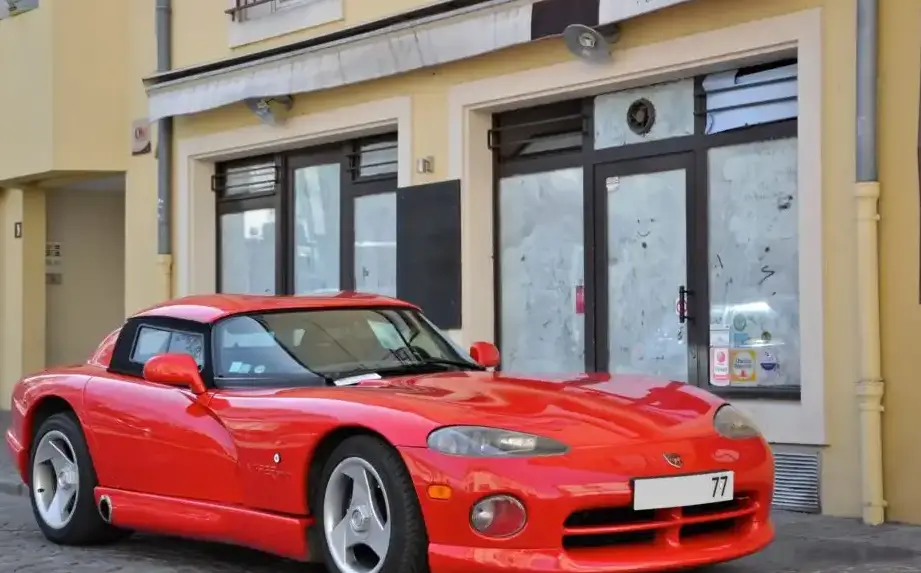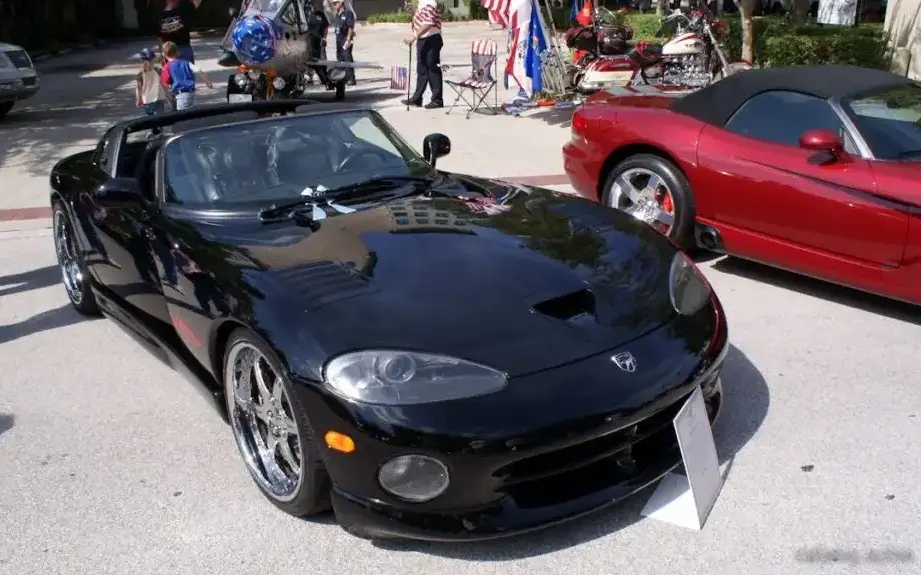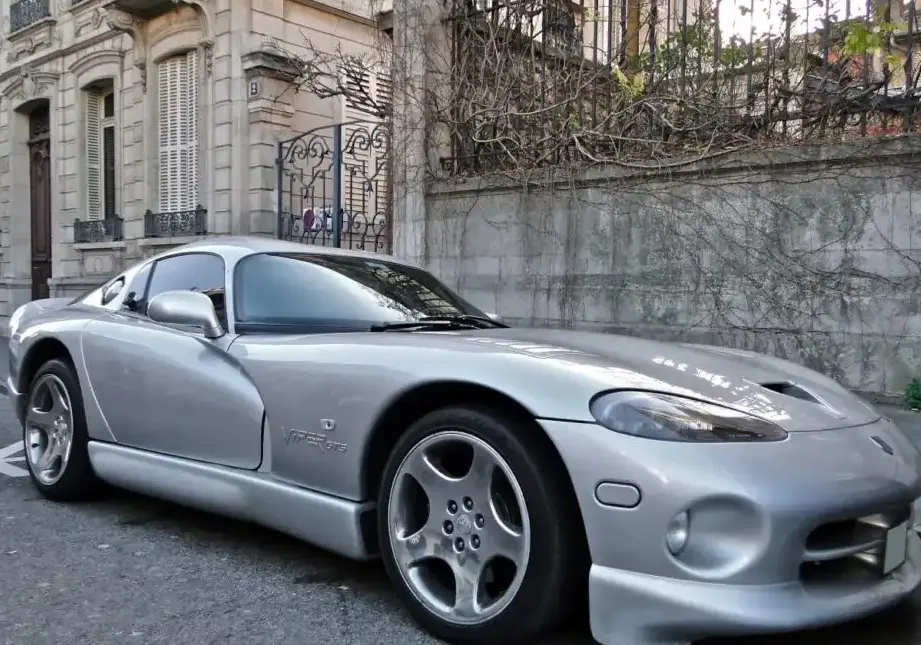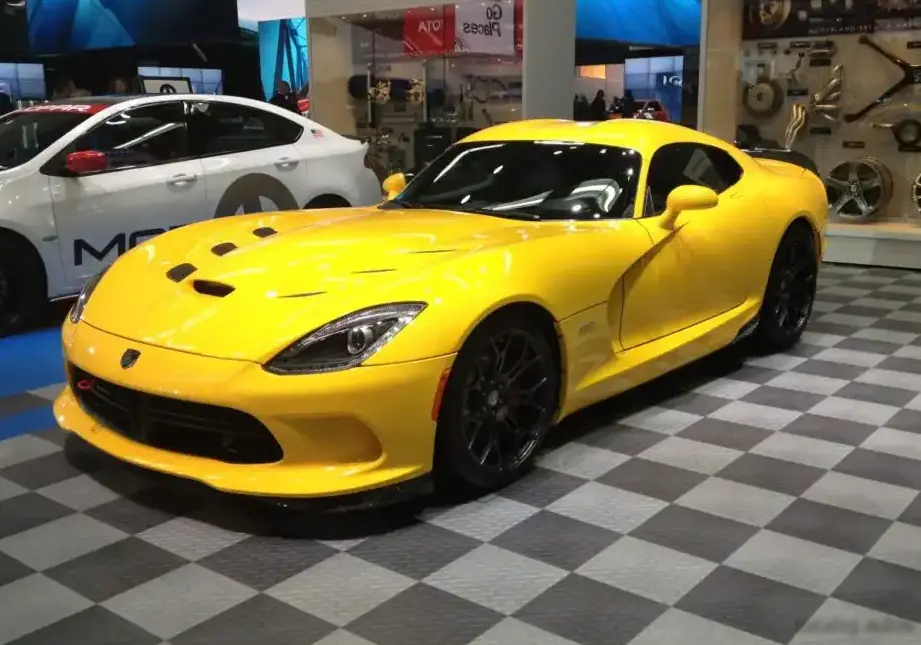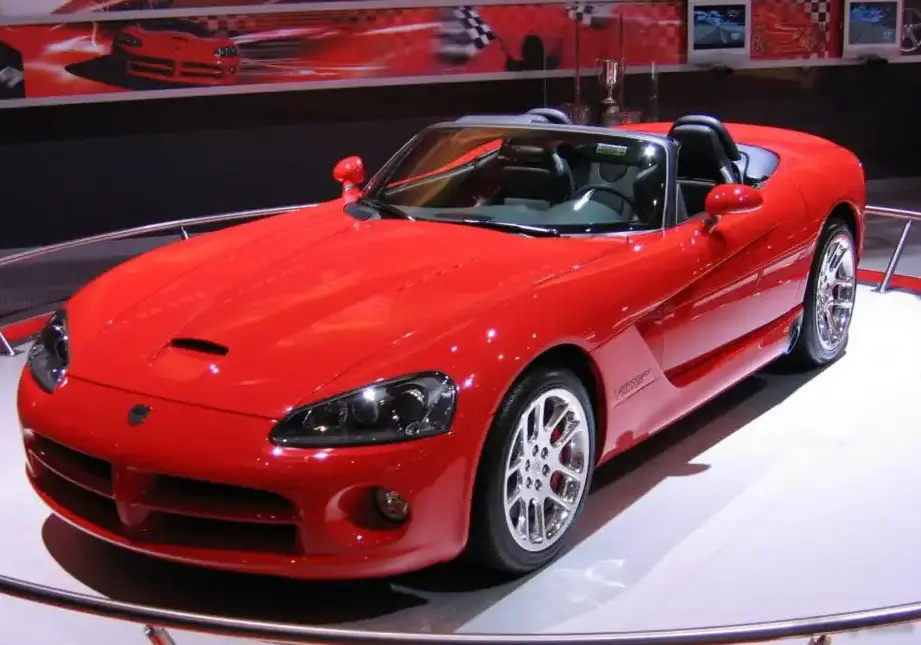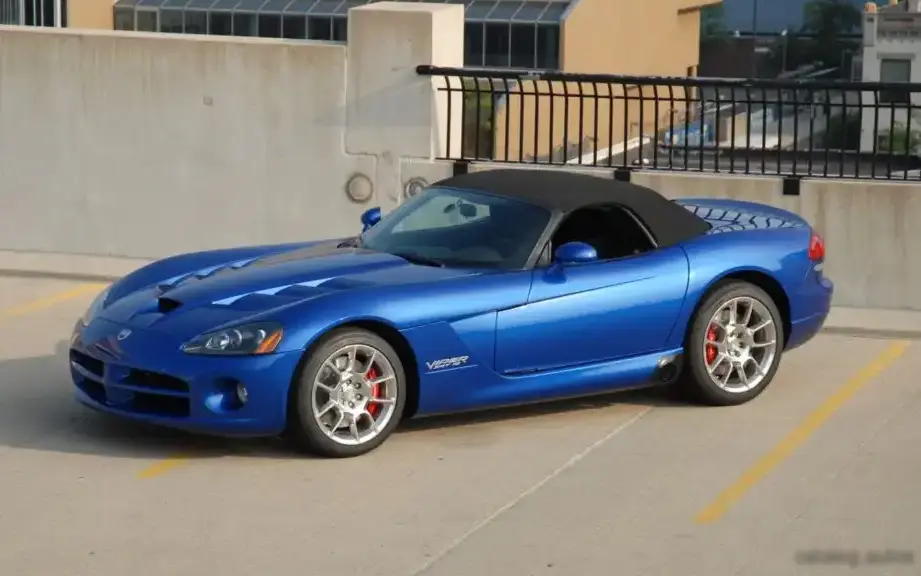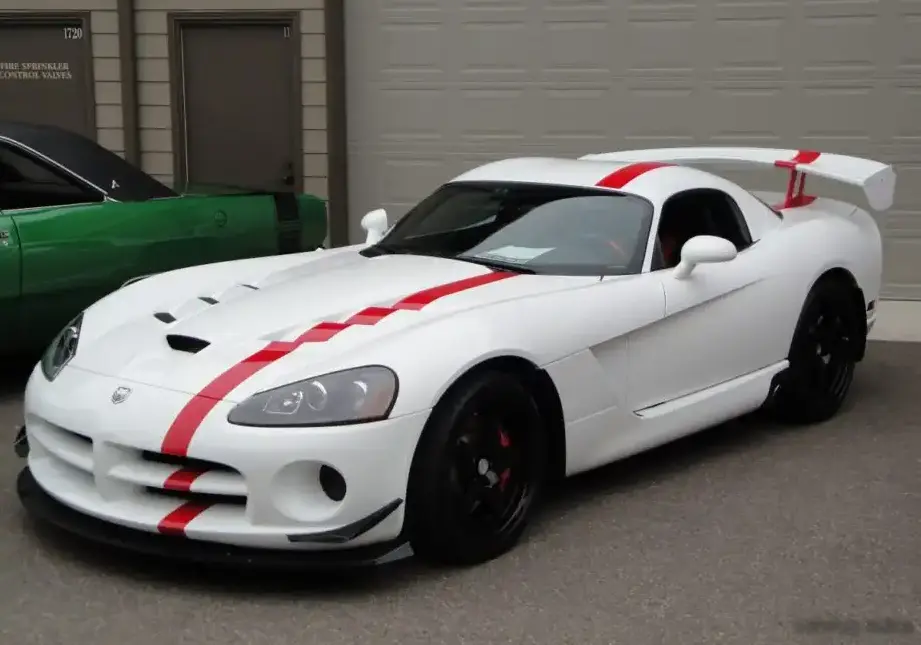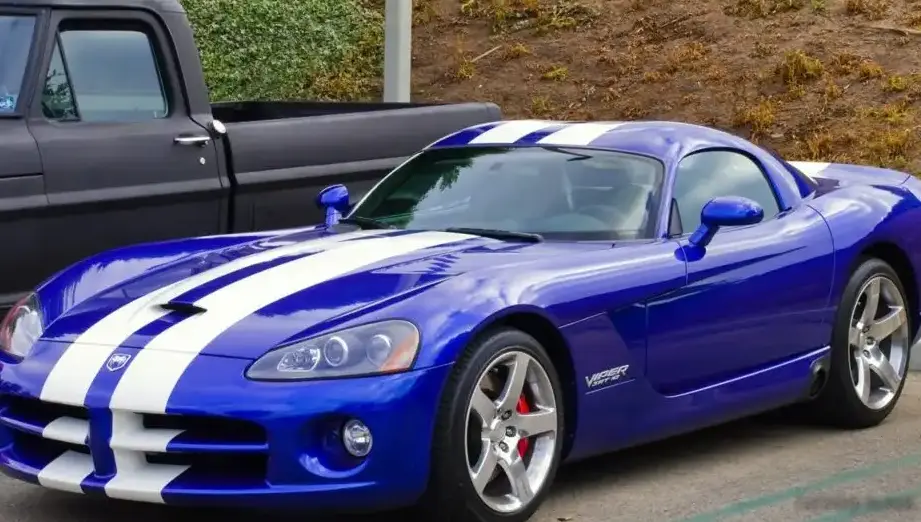
The Dodge Viper ZB I Coupe SRT10, produced from 2005 to 2007, represents the first iteration of the ZB generation, marking a significant evolution in the Viper lineage. Positioned as the flagship performance model, the ZB I Coupe aimed to deliver a raw, visceral driving experience, building upon the original Viper’s formula but with increased refinement and power. This generation moved away from the earlier RT/10 and GTS models, offering a more focused, track-oriented experience. The SRT10 variant, powered by an 8.3-liter V10 engine producing 510 horsepower, was the primary offering during these years, solidifying the Viper’s reputation as an American performance icon. It was built on a hydroformed steel chassis, a departure from the aluminum space frame of previous generations, and featured a distinctive coupe body style with a removable roof panel.
Technical Specifications
| Brand | Dodge |
| Model | Viper |
| Generation | Viper ZB I Coupe |
| Type (Engine) | SRT10 8.3 V10 (510 Hp) |
| Start of production | 2005 |
| End of production | 2007 |
| Powertrain Architecture | Internal Combustion engine |
| Body type | Coupe, Liftback |
| Seats | 2 |
| Doors | 3 |
| Fuel consumption (urban) | 21.4 l/100 km (11 US mpg, 13.2 UK mpg, 4.7 km/l) |
| Fuel consumption (extra urban) | 12.4 l/100 km (19 US mpg, 22.8 UK mpg, 8.1 km/l) |
| Fuel consumption (combined) | 18.1 l/100 km (13 US mpg, 15.6 UK mpg, 5.5 km/l) |
| Fuel Type | Petrol (Gasoline) |
| Weight-to-power ratio | 3.1 kg/Hp, 325.9 Hp/tonne |
| Weight-to-torque ratio | 2.2 kg/Nm, 463.3 Nm/tonne |
| Power | 510 Hp @ 5600 rpm |
| Power per litre | 61.6 Hp/l |
| Torque | 725 Nm @ 4200 rpm (534.73 lb.-ft. @ 4200 rpm) |
| Maximum engine speed | 6000 rpm |
| Engine layout | Front, Longitudinal |
| Engine displacement | 8275 cm3 (504.97 cu. in.) |
| Number of cylinders | 10 |
| Engine configuration | V-engine |
| Cylinder Bore | 102.4 mm (4.03 in.) |
| Piston Stroke | 100.6 mm (3.96 in.) |
| Compression ratio | 9.6:1 |
| Number of valves per cylinder | 2 |
| Fuel injection system | Multi-port manifold injection |
| Engine aspiration | Naturally aspirated engine |
| Valvetrain | OHV |
| Engine oil capacity | 9.5 l (10.04 US qt, 8.36 UK qt) |
| Coolant | 15 l (15.85 US qt, 13.2 UK qt) |
| Kerb Weight | 1565 kg (3450.23 lbs.) |
| Fuel tank capacity | 70 l (18.49 US gal, 15.4 UK gal) |
| Length | 4459 mm (175.55 in.) |
| Width | 1911 mm (75.24 in.) |
| Height | 1210 mm (47.64 in.) |
| Wheelbase | 2510 mm (98.82 in.) |
| Front track | 1565 mm (61.61 in.) |
| Rear track | 1547 mm (60.91 in.) |
| Ride height (ground clearance) | 130 mm (5.12 in.) |
| Drag coefficient (Cd) | 0.40 |
| Minimum turning circle | 12.34 m (40.49 ft.) |
| Drivetrain Architecture | Rear wheel drive |
| Drive wheel | Rear wheel drive |
| Number of gears | 6 gears, manual transmission |
| Front suspension | Coil spring, Double wishbone, Transverse stabilizer |
| Rear suspension | Double wishbone, Transverse stabilizer, Coil spring |
| Front brakes | Ventilated discs, 355×32 mm |
| Rear brakes | Ventilated discs, 355×32 mm |
| Assisting systems | ABS (Anti-lock braking system) |
| Steering type | Steering rack and pinion |
| Power steering | Hydraulic Steering |
| Front tires | 275/35 R18 |
| Rear tires | 345/30 R19 |
| Front wheel rims | 10J x 18 |
| Rear wheel rims | 13J x 19 |
Powertrain & Engine Architecture
The heart of the ZB I Coupe SRT10 is its 8.3-liter (504.97 cubic inches) V10 engine. This engine, internally designated as the 8.3L V10, is a naturally aspirated powerplant renowned for its immense torque and distinctive exhaust note. It features a cast iron block with aluminum cylinder heads, utilizing a pushrod valvetrain (OHV) and multi-port fuel injection. The large displacement and relatively low compression ratio (9.6:1) contribute to its broad torque curve. The engine produces 510 horsepower at 5,600 rpm and a substantial 534.73 lb-ft of torque at 4,200 rpm. The sole transmission option for the ZB I Coupe SRT10 was a six-speed manual transmission, designed to handle the engine’s significant output. This transmission featured a robust design with short throws, enhancing the driver’s connection to the car.
Driving Characteristics
The driving experience in the ZB I Coupe SRT10 is characterized by its raw power and demanding nature. The 8.3-liter V10 delivers a surge of torque across the rev range, making it exceptionally responsive. The six-speed manual transmission requires a skilled driver to extract the most from the engine, but provides precise control. The car’s relatively short wheelbase and wide track contribute to its agile handling, but the lack of electronic stability control (ESC) in early models meant that it demanded respect and careful throttle control, especially in adverse conditions. Compared to potential future trims, the SRT10 was the performance leader, offering a more intense experience than any hypothetical lower-powered variants. The gear ratios were optimized for acceleration, with a relatively short final drive contributing to its quick off-the-line performance.
Equipment & Trim Levels
The ZB I Coupe SRT10 was relatively sparsely equipped compared to modern luxury cars, reflecting its focus on performance. Standard features included leather upholstery, air conditioning, power windows and locks, and a premium sound system. The interior was functional and driver-focused, with large analog gauges providing essential information. Optional extras included a removable hardtop, upgraded audio systems, and various cosmetic enhancements. The interior design was minimalist, prioritizing a direct connection between the driver and the machine. The ZB I Coupe did not offer a wide range of trim levels; the SRT10 represented the top-of-the-line offering.
Chassis & Braking
The ZB I Coupe utilized a hydroformed steel chassis, a departure from the aluminum space frame of earlier Vipers. This change was made to improve rigidity and reduce manufacturing costs. The suspension consisted of double wishbones at all four corners, with coil springs and transverse stabilizers. The braking system featured ventilated disc brakes on all four wheels, measuring 355×32 mm. ABS (Anti-lock Braking System) was standard. The suspension was tuned for performance, providing a firm ride and minimizing body roll. The car’s weight distribution was close to 50/50, contributing to its balanced handling.
Market Reception & Comparison
The Dodge Viper ZB I Coupe SRT10 was generally well-received by automotive critics, who praised its immense power, engaging driving experience, and distinctive styling. However, it was also criticized for its lack of refinement, demanding driving characteristics, and relatively poor fuel economy. Compared to other sports cars of the era, such as the Chevrolet Corvette Z06 and Porsche 911, the Viper offered a more raw and visceral experience, but lacked the same level of sophistication. Its fuel economy, averaging around 13 mpg combined, was significantly lower than its competitors. Reliability was also a concern for some owners, with reports of issues related to the cooling system and electrical components.
Legacy
The Dodge Viper ZB I Coupe SRT10 remains a highly sought-after vehicle among collectors and enthusiasts. Its powerful engine, aggressive styling, and limited production numbers have contributed to its enduring appeal. While the ZB generation addressed some of the shortcomings of earlier Vipers, it still retained the car’s core character – a raw, uncompromising sports car that demanded respect from its driver. The 8.3-liter V10 engine has proven to be relatively durable, although regular maintenance is essential. Today, well-maintained ZB I Coupe SRT10s command significant prices on the used car market, solidifying their status as modern classics.