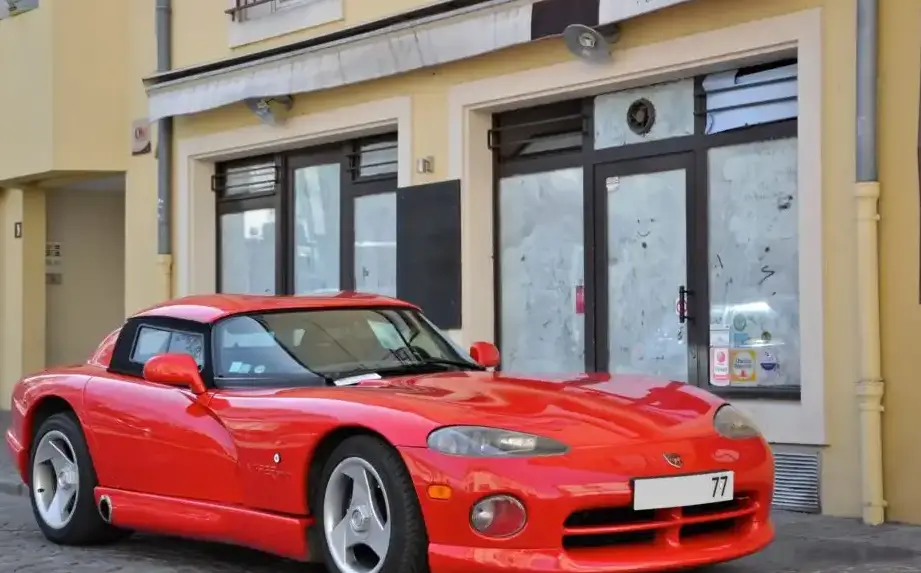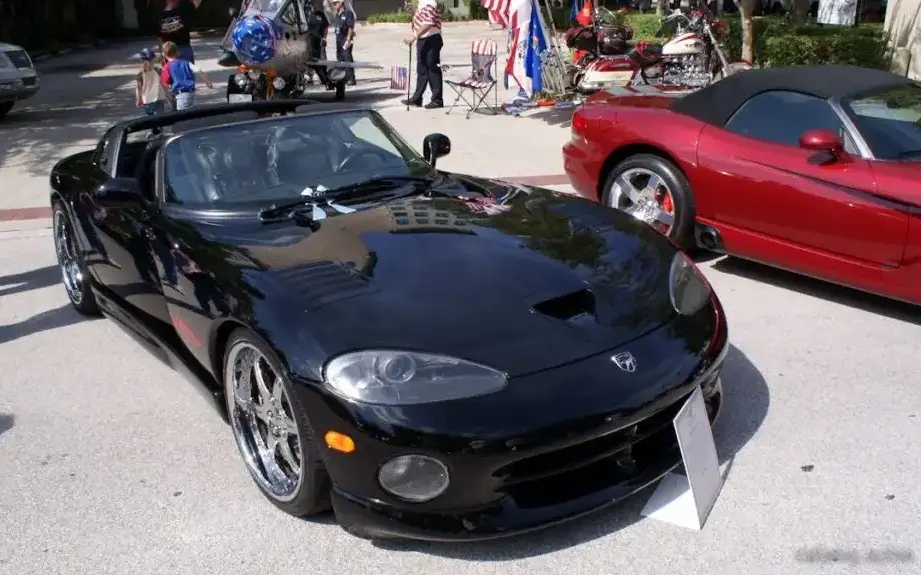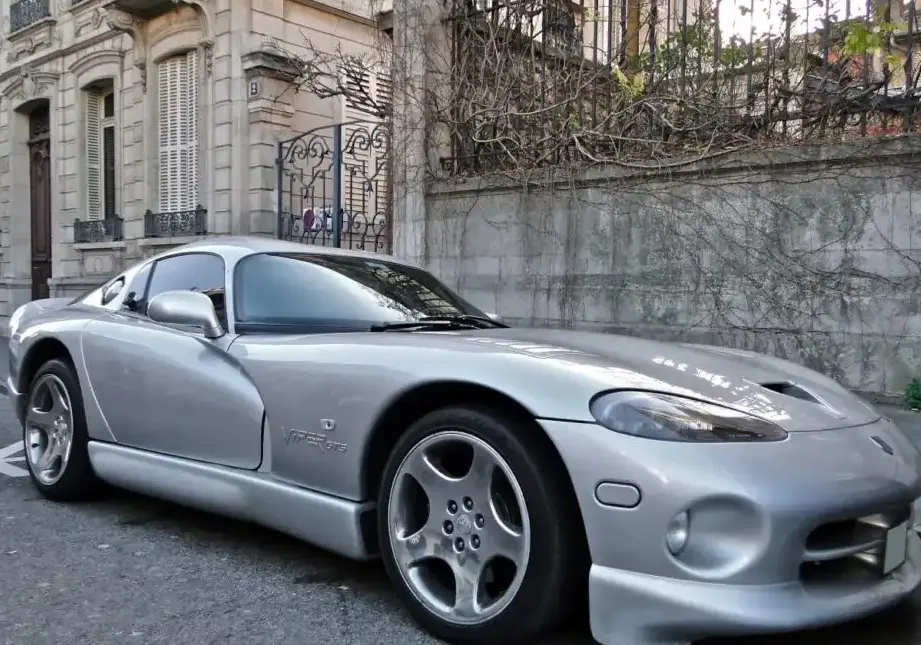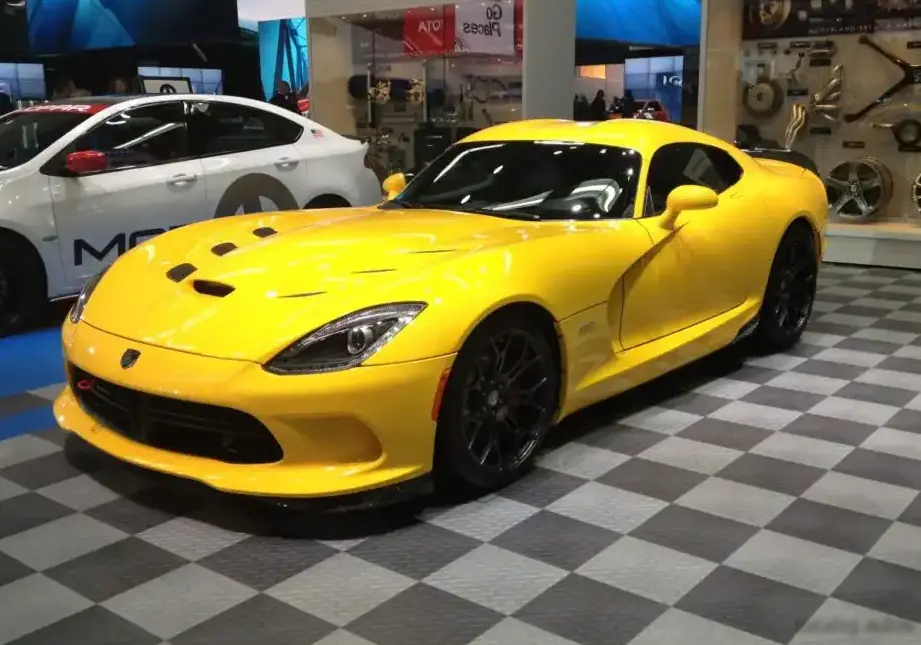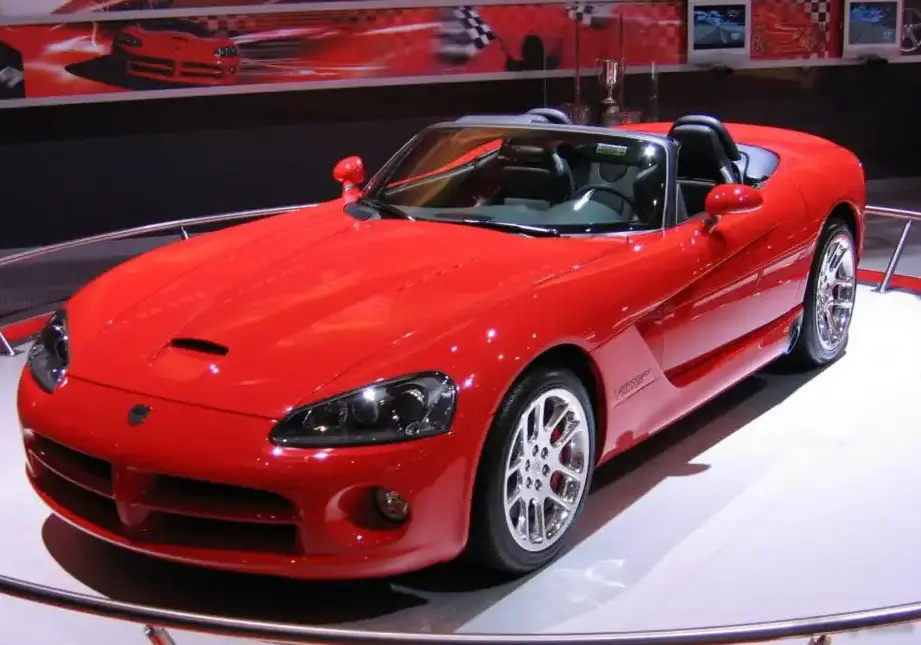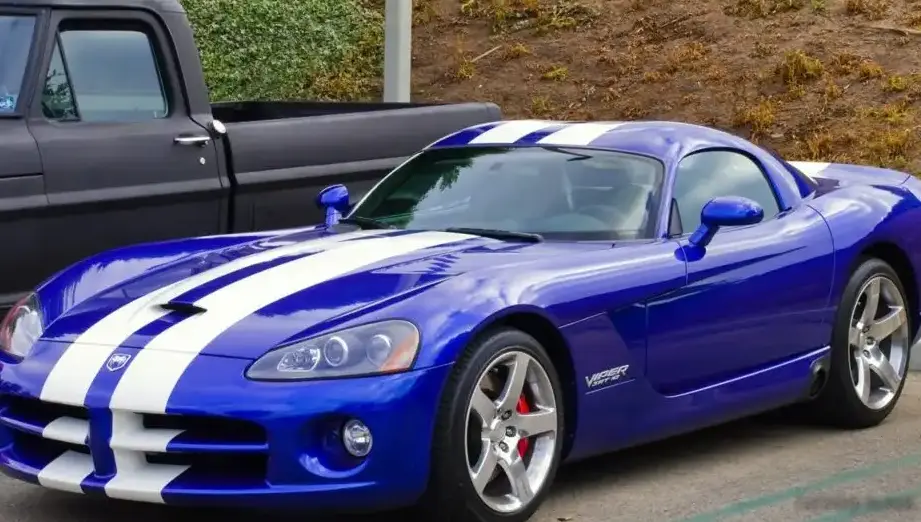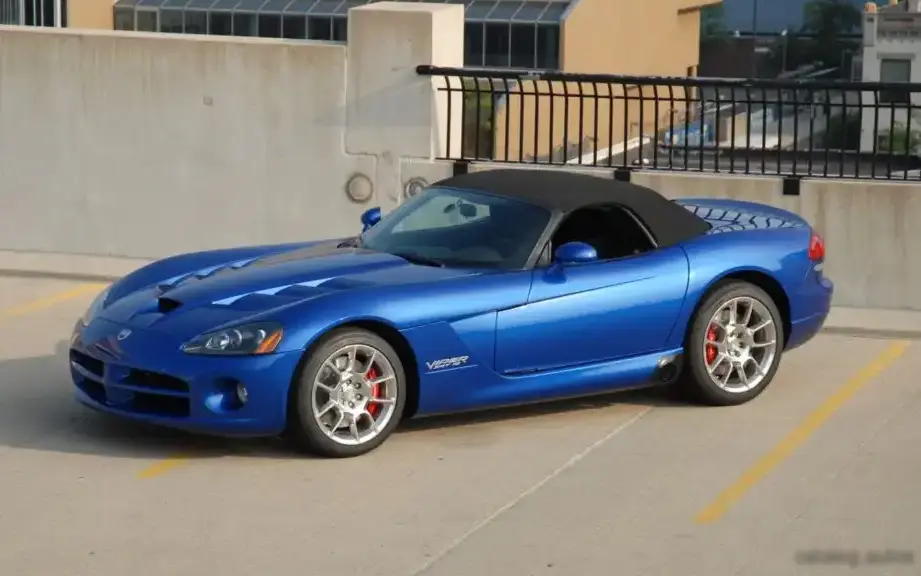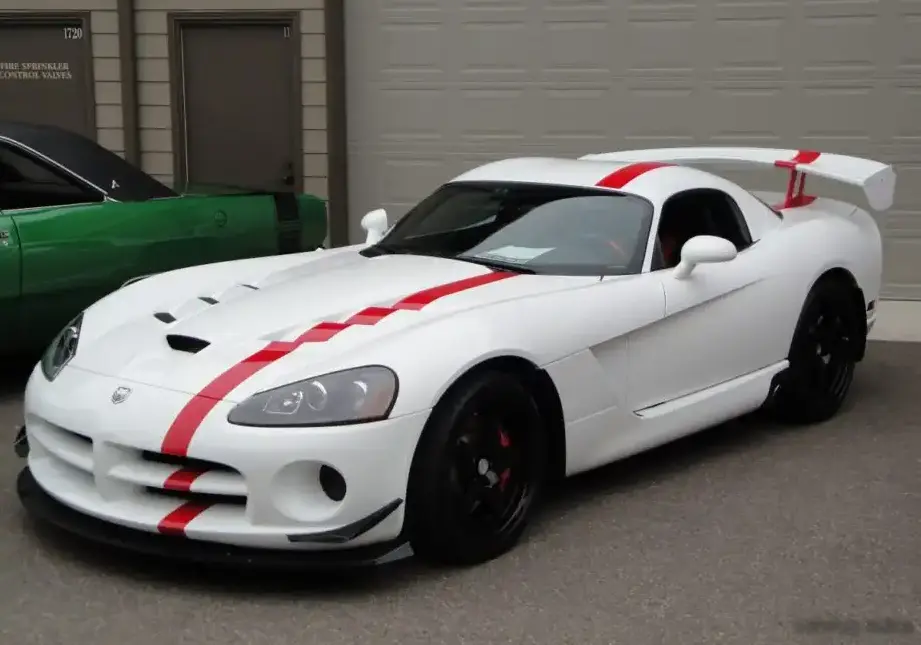
The Dodge Viper ZB II Coupe SRT10 8.4 V10, produced for the 2009 and 2010 model years, represents the final iteration of the fourth-generation Viper. This high-performance sports car continued Dodge’s tradition of offering a raw, visceral driving experience, focusing on power and handling above all else. The ZB II Coupe was a significant evolution of the original ZB, featuring styling refinements and a continuation of the potent 8.4-liter V10 engine. It served as the flagship performance model within the Viper lineup, positioned as the ultimate expression of the brand’s performance capabilities. The ZB II was built on the same platform as its predecessor, but with subtle improvements to enhance rigidity and refinement.
Technical Specifications
| Brand | Dodge |
| Model | Viper |
| Generation | Viper ZB II Coupe |
| Type (Engine) | SRT10 8.4 V10 (600 Hp) |
| Start of production | 2009 |
| End of production | 2010 |
| Powertrain Architecture | Internal Combustion engine |
| Body type | Coupe, Liftback |
| Seats | 2 |
| Doors | 3 |
| Fuel consumption (urban) | 18.1 l/100 km (13 US mpg, 15.6 UK mpg, 5.5 km/l) |
| Fuel consumption (extra urban) | 10.7 l/100 km (22 US mpg, 26.4 UK mpg, 9.3 km/l) |
| Fuel Type | Petrol (Gasoline) |
| Maximum speed | 325 km/h (201.95 mph) |
| Weight-to-power ratio | 2.6 kg/Hp, 382.9 Hp/tonne |
| Weight-to-torque ratio | 2.1 kg/Nm, 485 Nm/tonne |
| Power | 600 Hp @ 6100 rpm |
| Power per litre | 71.6 Hp/l |
| Torque | 760 Nm @ 5000 rpm (560.55 lb.-ft. @ 5000 rpm) |
| Maximum engine speed | 6250 rpm |
| Engine layout | Front, Longitudinal |
| Engine displacement | 8382 cm3 (511.5 cu. in.) |
| Number of cylinders | 10 |
| Engine configuration | V-engine |
| Cylinder Bore | 103 mm (4.06 in.) |
| Piston Stroke | 100.6 mm (3.96 in.) |
| Compression ratio | 10.2:1 |
| Number of valves per cylinder | 2 |
| Fuel injection system | Multi-port manifold injection |
| Engine aspiration | Naturally aspirated engine |
| Valvetrain | OHV |
| Engine oil capacity | 10.4 l (10.99 US qt | 9.15 UK qt) |
| Coolant | 15 l (15.85 US qt | 13.2 UK qt) |
| Kerb Weight | 1567 kg (3454.64 lbs.) |
| Fuel tank capacity | 70 l (18.49 US gal | 15.4 UK gal) |
| Length | 4459 mm (175.55 in.) |
| Width | 1911 mm (75.24 in.) |
| Height | 1210 mm (47.64 in.) |
| Wheelbase | 2510 mm (98.82 in.) |
| Front track | 1565 mm (61.61 in.) |
| Rear track | 1547 mm (60.91 in.) |
| Ride height (ground clearance) | 130 mm (5.12 in.) |
| Drag coefficient (Cd) | 0.38 |
| Minimum turning circle | 12.34 m (40.49 ft.) |
| Drivetrain Architecture | Rear wheel drive |
| Number of gears and type of gearbox | 6 gears, manual transmission |
| Front suspension | Coil spring, Double wishbone, Transverse stabilizer |
| Rear suspension | Double wishbone, Transverse stabilizer, Coil spring |
| Front brakes | Ventilated discs, 355×32 mm |
| Rear brakes | Ventilated discs, 355×32 mm |
| Assisting systems | ABS (Anti-lock braking system) |
| Steering type | Steering rack and pinion |
| Power steering | Hydraulic Steering |
| Front tires | 275/35 R18 |
| Rear tires | 345/30 R19 |
| Front wheel rims | 10J x 18 |
| Rear wheel rims | 13J x 19 |
Powertrain & Engine Architecture
The heart of the ZB II Coupe SRT10 is the 8.4-liter (8382 cc) V10 engine. This naturally aspirated powerplant, internally designated as the 8.4L V10, produced a formidable 600 horsepower at 6,100 rpm and 560 lb-ft of torque at 5,000 rpm. The engine featured a cast iron block with aluminum cylinder heads, utilizing a pushrod valvetrain (OHV) and multi-port fuel injection. The large displacement and high compression ratio (10.2:1) contributed to its substantial power output. The engine’s architecture was a direct descendant of the V10 used in Dodge trucks, but heavily modified for high-performance applications. The sole transmission option was a six-speed manual gearbox, designed to handle the engine’s immense torque. This transmission was robust and provided precise shifts, complementing the car’s performance character.
Driving Characteristics
The driving experience in the ZB II Coupe SRT10 was defined by its raw power and direct connection to the road. The 600 hp V10 delivered explosive acceleration, making it one of the quickest cars of its time. The manual transmission required a skilled driver to fully exploit its potential, but offered a rewarding and engaging experience. The car’s relatively lightweight construction (3,454 lbs) contributed to its nimble handling. However, the Viper was not a forgiving car; its immense power and lack of electronic aids demanded respect and precision. Compared to potential future iterations with more driver assistance, the ZB II offered a pure, unfiltered driving experience. The gear ratios were optimized for acceleration, with a relatively short final drive to maximize responsiveness.
Equipment & Trim Levels
The ZB II Coupe SRT10 was largely focused on performance, and as such, came relatively sparsely equipped compared to other high-end sports cars. Standard features included leather upholstery, air conditioning, power windows and locks, and a premium sound system. However, options were limited. Customers could choose from a selection of exterior colors and interior trim packages. The focus was on minimizing weight and maximizing performance, so luxury features were kept to a minimum. The interior was functional and driver-focused, with large analog gauges providing essential information.
Chassis & Braking
The ZB II Coupe SRT10 utilized a tubular steel frame chassis, providing a rigid and lightweight foundation. The suspension consisted of double wishbones at all four corners, with coil springs and transverse stabilizers. This setup provided excellent handling and control. Braking duties were handled by ventilated disc brakes at all four wheels, measuring 355×32 mm. The braking system was powerful and effective, but required significant pedal effort. Anti-lock brakes (ABS) were standard, but traction control and stability control systems were notably absent, contributing to the car’s challenging driving dynamics.
Market Reception & Comparison
The Dodge Viper ZB II Coupe SRT10 was generally well-received by automotive critics, who praised its incredible performance and visceral driving experience. However, its lack of refinement and challenging handling were also noted. Compared to other high-performance sports cars of the era, such as the Chevrolet Corvette Z06 and Porsche 911 Turbo, the Viper offered a more raw and uncompromising experience. Fuel economy was predictably poor, with combined figures around 16 mpg. Reliability was also a concern for some owners, with reports of occasional mechanical issues. However, the Viper’s unique character and exclusivity made it a desirable car for enthusiasts.
Legacy
The Dodge Viper ZB II Coupe SRT10 represents the culmination of the Viper’s original design philosophy: a powerful, raw, and uncompromising sports car. While production ended in 2010, the ZB II remains a highly sought-after vehicle among collectors and enthusiasts. The 8.4-liter V10 engine is considered a masterpiece of American engineering, and its reliability, while not perfect, is generally considered acceptable for a high-performance engine of its age. Today, well-maintained ZB II Coupes command significant prices on the used car market, reflecting their rarity and iconic status. The Viper’s legacy continues to inspire Dodge’s performance models, and it remains a symbol of American automotive passion.