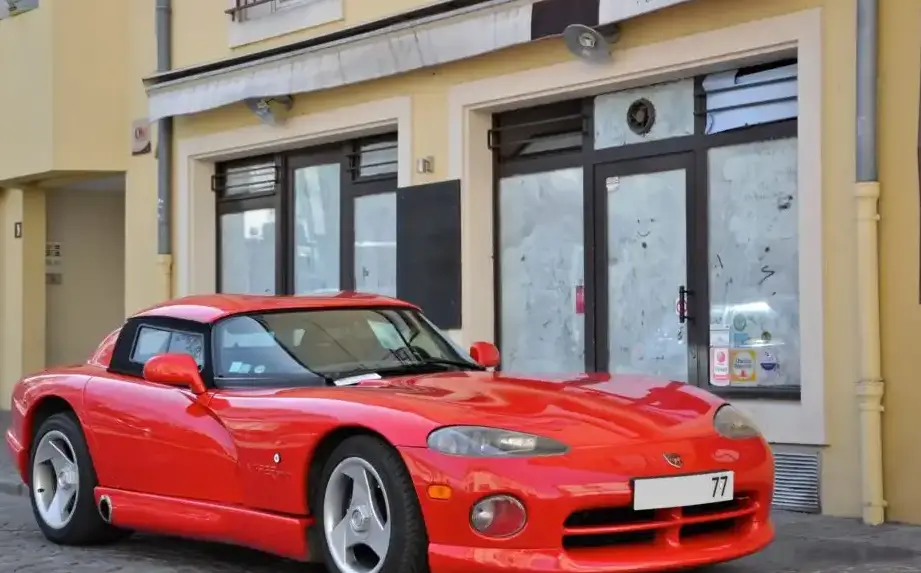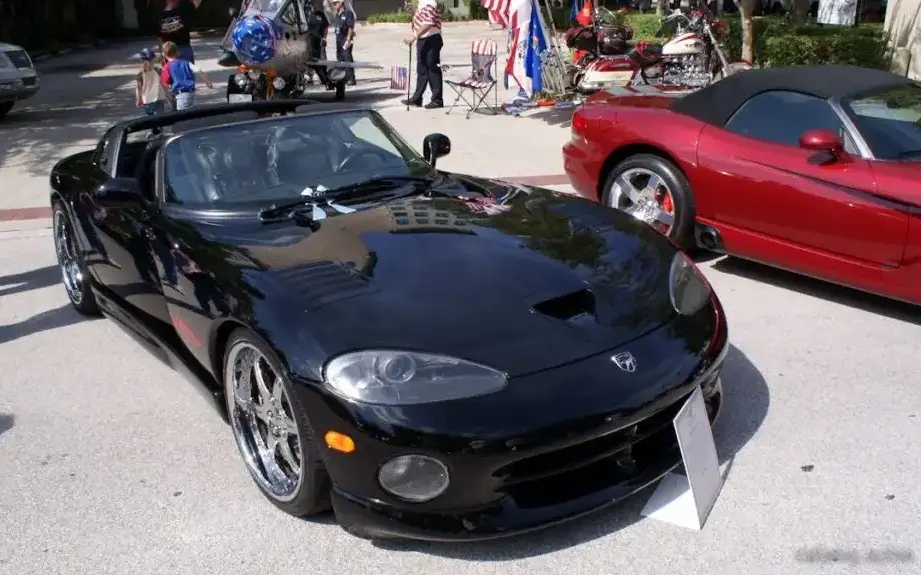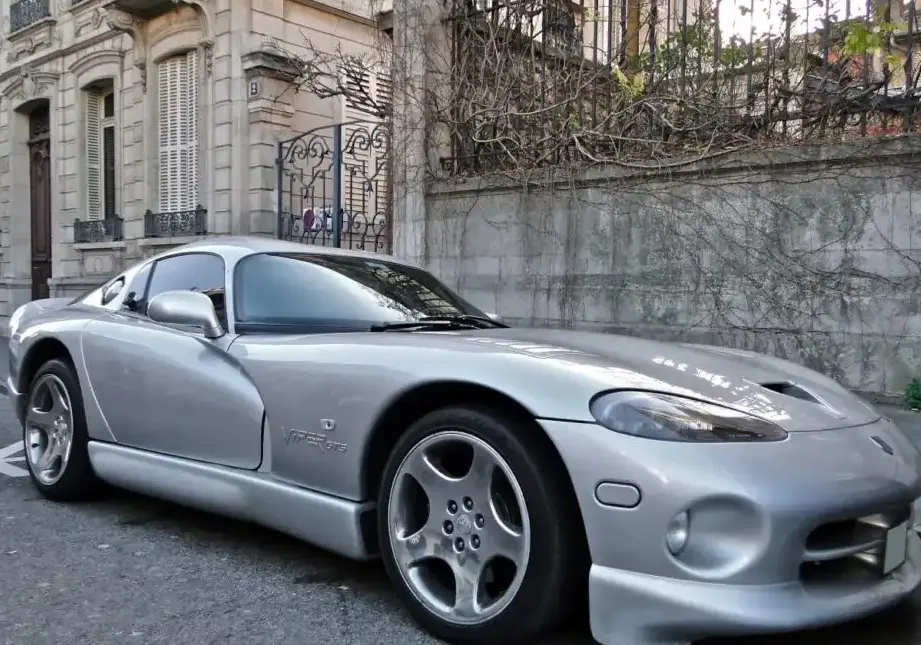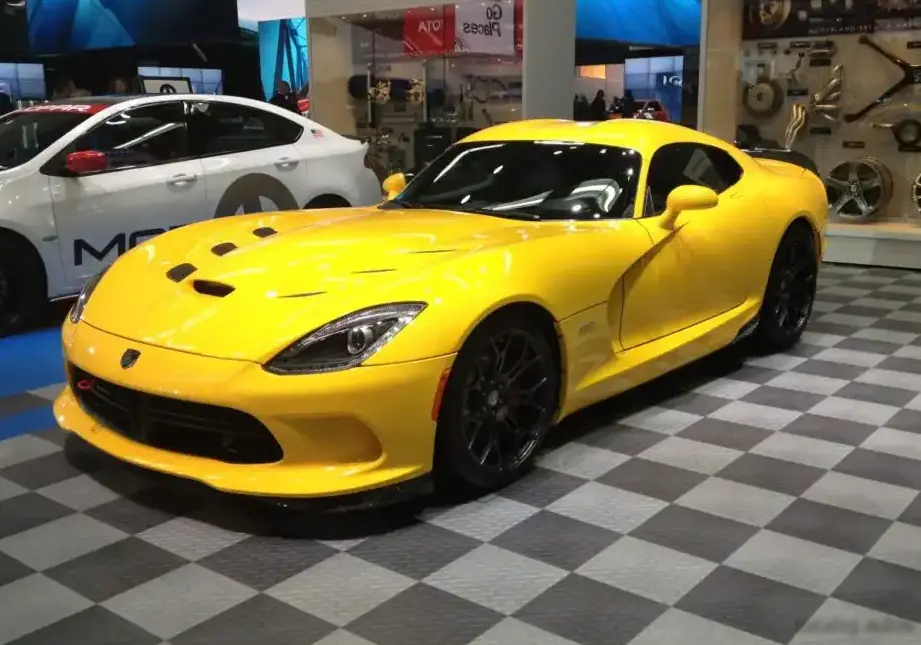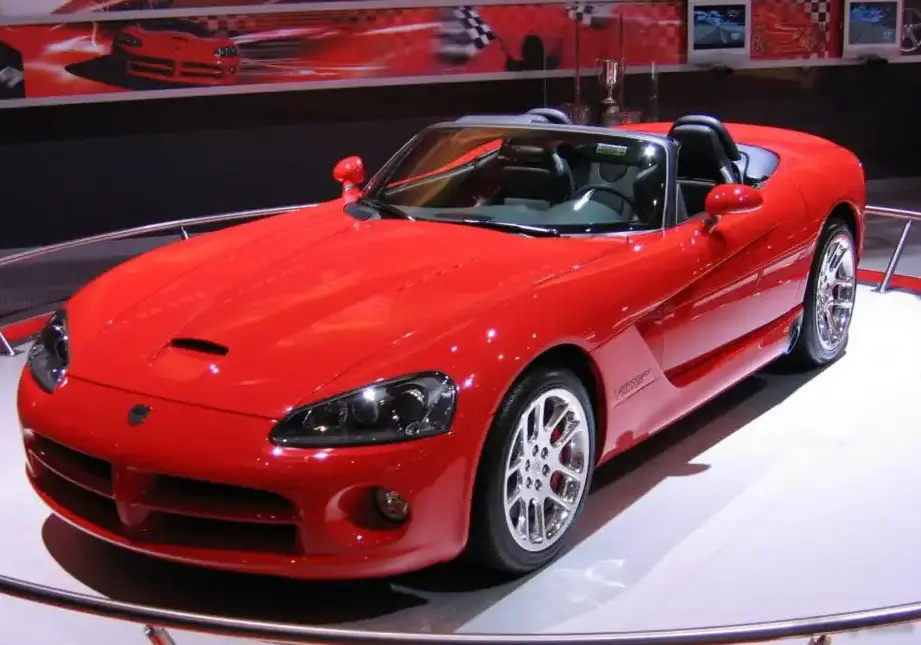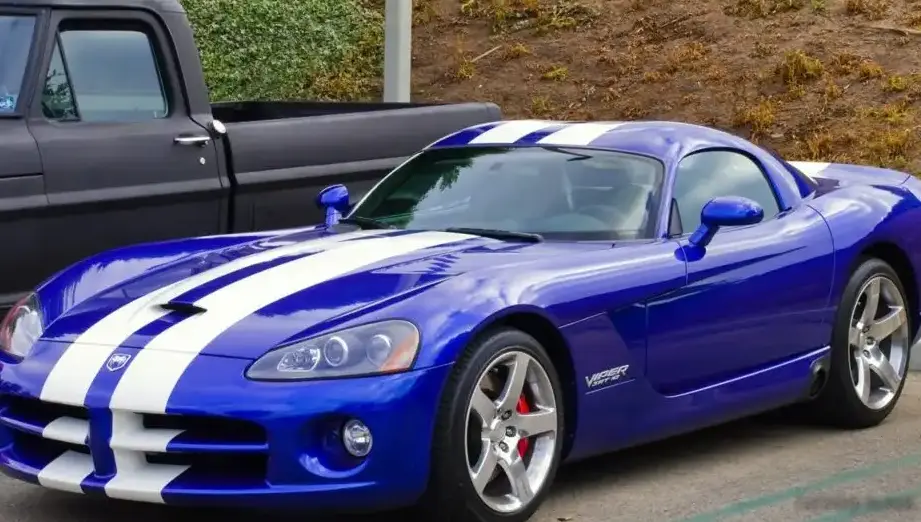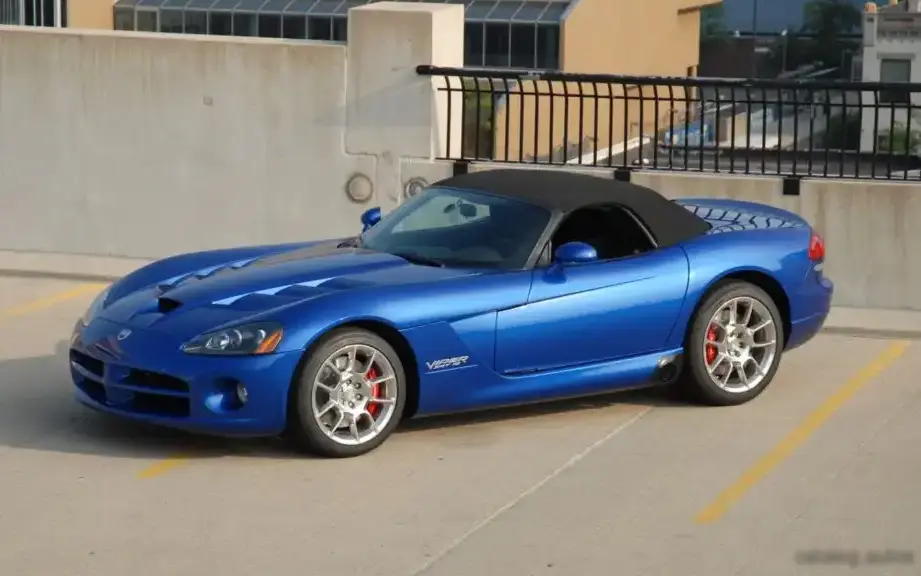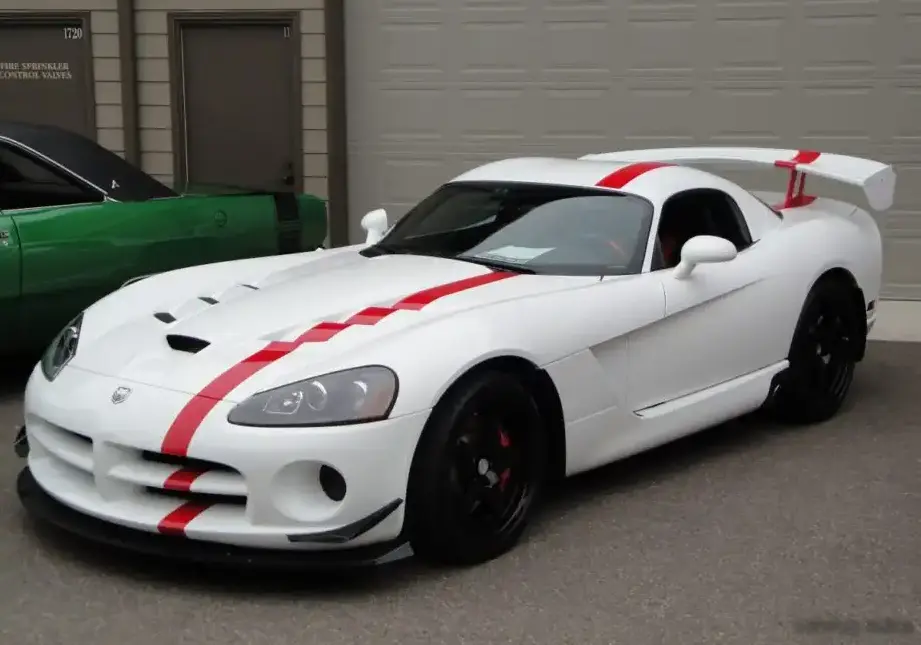
The Dodge Viper ZB II Coupe SRT10 ACR, produced for the 2009 and 2010 model years, represents the final iteration of the fourth-generation Viper. Positioned as the ultimate performance variant of the ZB II series, the ACR (American Club Racing) package was specifically engineered for track dominance. Built on the Dodge Viper platform (often referred to as the ZB II), this coupe aimed to deliver uncompromising performance and handling, solidifying the Viper’s reputation as a raw, visceral American sports car. The ZB II generation, introduced in 2008, represented a significant return for the Viper after a brief hiatus, and the ACR version was the pinnacle of that return.
Technical Specifications
| Brand | Dodge |
| Model | Viper |
| Generation | Viper ZB II Coupe |
| Type (Engine) | SRT10 ACR 8.4 V10 (600 Hp) |
| Start of production | 2009 |
| End of production | 2010 |
| Powertrain Architecture | Internal Combustion engine |
| Body type | Coupe, Liftback |
| Seats | 2 |
| Doors | 3 |
| Fuel consumption (economy) – urban | 18.1 l/100 km (13 US mpg, 15.6 UK mpg, 5.5 km/l) |
| Fuel consumption (economy) – extra urban | 10.7 l/100 km (22 US mpg, 26.4 UK mpg, 9.3 km/l) |
| Fuel Type | Petrol (Gasoline) |
| Maximum speed | 325 km/h (201.95 mph) |
| Weight-to-power ratio | 2.6 kg/Hp, 386.6 Hp/tonne |
| Weight-to-torque ratio | 2 kg/Nm, 489.7 Nm/tonne |
| Power | 600 Hp @ 6100 rpm |
| Power per litre | 71.6 Hp/l |
| Torque | 760 Nm @ 5000 rpm (560.55 lb.-ft. @ 5000 rpm) |
| Maximum engine speed | 6250 rpm |
| Engine layout | Front, Longitudinal |
| Engine displacement | 8382 cm3 (511.5 cu. in.) |
| Number of cylinders | 10 |
| Engine configuration | V-engine |
| Cylinder Bore | 103 mm (4.06 in.) |
| Piston Stroke | 100.6 mm (3.96 in.) |
| Compression ratio | 10.2:1 |
| Number of valves per cylinder | 2 |
| Fuel injection system | Multi-port manifold injection |
| Engine aspiration | Naturally aspirated engine |
| Valvetrain | OHV |
| Engine oil capacity | 10.4 l (10.99 US qt | 9.15 UK qt) |
| Coolant | 15 l (15.85 US qt | 13.2 UK qt) |
| Kerb Weight | 1552 kg (3421.57 lbs.) |
| Fuel tank capacity | 70 l (18.49 US gal | 15.4 UK gal) |
| Length | 4459 mm (175.55 in.) |
| Width | 1911 mm (75.24 in.) |
| Height | 1210 mm (47.64 in.) |
| Wheelbase | 2510 mm (98.82 in.) |
| Front track | 1565 mm (61.61 in.) |
| Rear (Back) track | 1547 mm (60.91 in.) |
| Ride height (ground clearance) | 130 mm (5.12 in.) |
| Drag coefficient (Cd) | 0.38 |
| Minimum turning circle (turning diameter) | 12.34 m (40.49 ft.) |
| Drivetrain Architecture | The Internal combustion engine (ICE) drives the rear wheels of the vehicle. |
| Drive wheel | Rear wheel drive |
| Number of gears and type of gearbox | 6 gears, manual transmission |
| Front suspension | Coil spring, Double wishbone, Transverse stabilizer |
| Rear suspension | Double wishbone, Transverse stabilizer, Coil spring |
| Front brakes | Ventilated discs, 355×32 mm |
| Rear brakes | Ventilated discs, 355×32 mm |
| Assisting systems | ABS (Anti-lock braking system) |
| Steering type | Steering rack and pinion |
| Power steering | Hydraulic Steering |
| Tires size | Front wheel tires: 295/30 R18Rear wheel tires: 345/30 R19 |
| Wheel rims size | Front wheel rims: 10J x 18Rear wheel rims: 13J x 19 |
Powertrain & Engine Architecture
The heart of the ZB II ACR is the 8.4-liter V10 engine, internally designated as the SRT10. This naturally aspirated powerplant produces 600 horsepower at 6,100 rpm and 560 lb-ft of torque at 5,000 rpm. The engine utilizes a cast iron block with aluminum cylinder heads, featuring two valves per cylinder and an overhead valve (OHV) valvetrain. Fuel delivery is managed by a multi-port fuel injection system. The ACR variant received specific engine tuning to optimize power delivery for track use. The engine’s longitudinal front-mid engine layout contributes to a favorable weight distribution. The sole transmission option was a robust six-speed manual gearbox, chosen for its direct connection and driver control, essential for the ACR’s intended purpose.
Driving Characteristics
The driving experience in the Viper ZB II ACR is defined by its raw power and uncompromising handling. The 600 hp V10 delivers brutal acceleration, with the car feeling significantly faster than its published figures suggest. The manual transmission, while requiring skill to operate smoothly, provides a direct and engaging connection to the powertrain. The ACR package included significant suspension upgrades, including stiffer springs, adjustable dampers, and larger stabilizer bars, resulting in minimal body roll and exceptional cornering grip. The ACR’s focus on track performance meant a firmer ride quality, less suited for everyday commuting. Compared to the standard ZB II, the ACR offered a more focused and demanding driving experience, prioritizing lap times over comfort.
Equipment & Trim Levels
The ZB II ACR was not about luxury; it was about performance. Standard features were minimal, focusing on weight reduction and functionality. The interior featured supportive racing seats, a simple dashboard layout, and minimal sound insulation. Air conditioning was often deleted to save weight, though it was sometimes available as an option. The ACR package included a unique aerodynamic body kit, featuring a large rear wing, front splitter, and diffusers, all designed to generate downforce and improve stability at high speeds. Optional extras were limited, typically consisting of different wheel finishes or paint colors.
Chassis & Braking
The Viper ZB II ACR utilized a steel space frame chassis, providing a rigid and lightweight foundation. The suspension system featured independent double wishbone suspension at both the front and rear, with coil springs and adjustable dampers. Braking duties were handled by ventilated disc brakes at all four corners, measuring 355mm in diameter. The ACR package included upgraded brake pads and rotors for improved fade resistance during track use. ABS was standard, but traction control was deliberately limited to allow for greater driver control. The car’s relatively low curb weight of 3,421 lbs contributed to its agile handling.
Market Reception & Comparison
The Dodge Viper ZB II ACR was widely praised by automotive journalists for its exceptional performance and track capabilities. Critics lauded the car’s powerful engine, precise handling, and aggressive styling. However, the ACR’s uncompromising nature and lack of everyday comfort were also noted. Compared to other high-performance sports cars of the era, such as the Chevrolet Corvette Z06 and Porsche 911 GT3, the Viper ACR offered a more visceral and raw driving experience. Fuel economy was predictably poor, reflecting the car’s large displacement engine and performance-oriented design. Reliability was also a concern for some owners, with the V10 engine requiring careful maintenance.
Legacy
The Dodge Viper ZB II Coupe SRT10 ACR represents the culmination of the Viper’s development as a pure American sports car. Its uncompromising focus on performance and track capability has cemented its status as a modern classic. While the Viper was discontinued after 2010, the ACR variant remains highly sought after by collectors and enthusiasts. The powertrain, while powerful, requires diligent maintenance to avoid potential issues. Today, the ZB II ACR commands a premium in the used car market, reflecting its rarity, performance, and iconic status. It stands as a testament to a time when American manufacturers weren’t afraid to build cars that prioritized driving excitement above all else.