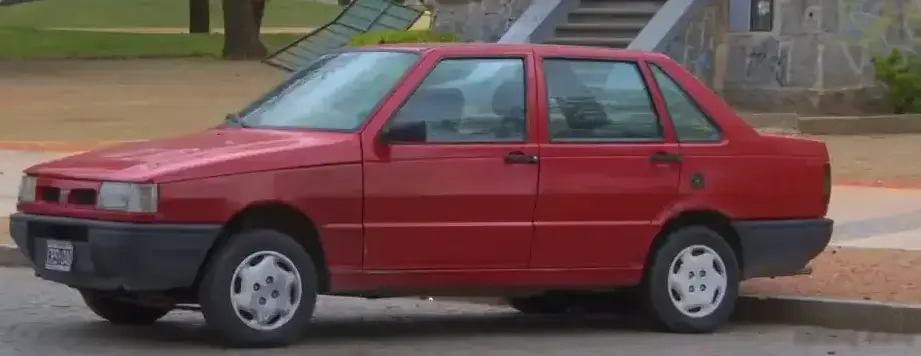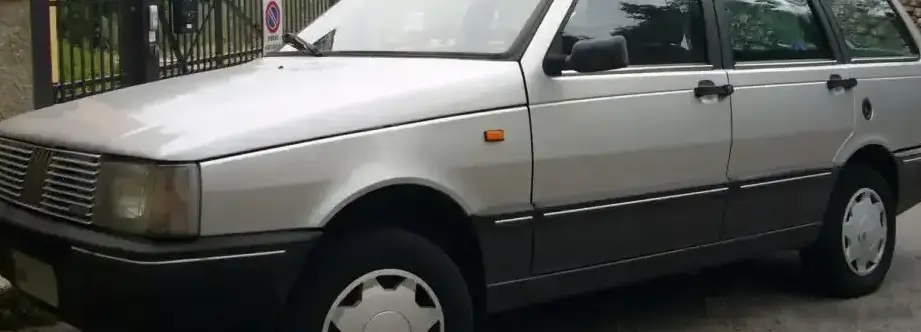
The Fiat Duna Weekend DS 1.7, produced between 1987 and 1991, represents a practical and affordable station wagon offering from the Italian automaker. Part of the Fiat Duna (Project 146) family, the Weekend variant specifically targeted buyers needing increased cargo capacity. Positioned as a budget-friendly option within the broader Duna lineup, the 1.7-liter, 60 horsepower version served as a mainstay for those prioritizing economy and functionality over outright performance. It was primarily sold in South America, particularly Brazil, where it found a significant market due to its robust build and relatively low running costs. The Duna Weekend aimed to provide a versatile vehicle for families and small businesses, competing with other compact wagons available in the region.
Technical Specifications
| Brand | Fiat |
| Model | Duna |
| Generation | Duna Weekend (146 B) |
| Type (Engine) | DS 1.7 (60 Hp) |
| Start of Production | 1987 |
| End of Production | 1991 |
| Powertrain Architecture | Internal Combustion Engine |
| Body Type | Station Wagon (Estate) |
| Fuel Type | Petrol (Gasoline) |
| Power | 60 Hp |
| Engine Model/Code | 149 B3.000 |
| Engine Aspiration | Naturally Aspirated |
| Engine Oil Capacity | 4.3 l (4.54 US qt | 3.78 UK qt) |
| Coolant Capacity | 5 l (5.28 US qt | 4.4 UK qt) |
Powertrain & Engine Architecture
The Fiat Duna Weekend DS 1.7 utilized the 149 B3.000 engine, a 1.7-liter inline-four cylinder gasoline engine. This engine was a relatively simple design, reflecting Fiat’s focus on affordability and maintainability. It featured a single overhead camshaft (SOHC) valvetrain operating two valves per cylinder. Fuel delivery was managed by a Weber 32/34 DMSA carburetor, a common setup for vehicles of this era and price point. While not as efficient as fuel injection, the carburetor was known for its reliability and ease of repair, a key consideration for buyers in markets where skilled mechanics and parts availability were paramount. The engine’s 60 horsepower output at approximately 5,000 rpm and 97 lb-ft of torque at 3,000 rpm were modest, but adequate for the vehicle’s intended purpose. The engine was typically mated to a four-speed manual transmission as standard, though a three-speed automatic transmission was offered as an option, though less common. This automatic was a conventional torque converter type, prioritizing smooth operation over performance. The engine block was constructed from cast iron, contributing to its durability, while the cylinder head was made of aluminum alloy to reduce weight. The engine’s design emphasized robustness and ease of maintenance over cutting-edge technology.
Driving Characteristics
The Duna Weekend DS 1.7, particularly with the manual transmission, offered a utilitarian driving experience. Acceleration was leisurely, with a 0-60 mph time estimated to be around 14-16 seconds. The 1.7-liter engine provided sufficient power for everyday driving, but struggled when fully loaded or tackling steep inclines. The four-speed manual transmission featured relatively widely spaced gear ratios, requiring frequent shifting to maintain optimal engine speed. The optional three-speed automatic further diminished acceleration, but provided a more relaxed driving experience, especially in urban traffic. The automatic’s gear ratios were optimized for fuel economy and smooth cruising rather than spirited performance. Steering was light and relatively imprecise, typical of vehicles in this segment. The suspension, consisting of MacPherson struts at the front and a twist-beam axle at the rear, prioritized ride comfort over handling precision. The car felt stable enough on paved roads, but the suspension could become unsettled on rough surfaces. The overall driving experience was best described as practical and unpretentious, focusing on functionality rather than driver engagement.
Equipment & Trim Levels
The Duna Weekend DS 1.7 was generally sparsely equipped, reflecting its budget-oriented positioning. Standard features typically included cloth upholstery, vinyl floor covering, and basic instrumentation consisting of a speedometer, fuel gauge, and temperature gauge. Power steering and air conditioning were rarely fitted, even as optional extras. The dashboard was constructed from durable plastic and featured a functional, if somewhat austere, design. The rear seats could be folded down to increase cargo capacity, a key feature of the Weekend variant. Optional extras, when available, might include a radio, upgraded seat upholstery, and a rear window defogger. Trim levels were minimal, with the DS 1.7 representing the base model. Higher trim levels, if offered, typically added cosmetic enhancements such as color-coded bumpers and wheel covers. The emphasis was on providing a basic, reliable vehicle at an affordable price point, rather than luxury or extensive features.
Chassis & Braking
The Duna Weekend’s chassis was a conventional body-on-frame construction, providing a robust and durable platform. The front suspension utilized MacPherson struts with coil springs and an anti-roll bar, while the rear suspension employed a twist-beam axle with coil springs. Braking was initially accomplished with drum brakes on all four wheels, though later models sometimes featured front disc brakes. The braking system was adequate for normal driving conditions, but lacked the stopping power of more modern vehicles. Steering was a recirculating ball type, providing light but imprecise control. The tires were typically narrow, prioritizing fuel economy over grip. The overall chassis and braking setup were designed for simplicity and affordability, rather than high performance. The robust chassis construction contributed to the vehicle’s durability and ability to withstand the often-challenging road conditions found in its primary markets.
Market Reception & Comparison
The Fiat Duna Weekend DS 1.7 was generally well-received in its primary markets, particularly in South America. Critics praised its practicality, affordability, and robust build quality. However, the engine’s modest power output and the car’s basic interior were often cited as drawbacks. Compared to other station wagons available at the time, such as the Volkswagen Pointer or the Chevrolet Corsa Wagon, the Duna Weekend offered a competitive price point and a spacious interior. Fuel economy was reasonable, averaging around 28-32 mpg in mixed driving conditions. Reliability was generally good, although the carburetor required periodic maintenance. The automatic transmission, while offering convenience, was less fuel-efficient and less reliable than the manual transmission. The Duna Weekend’s main appeal lay in its ability to provide a functional and affordable transportation solution for families and small businesses. It filled a niche for buyers who needed a versatile vehicle without the expense of more sophisticated options.
Legacy
The Fiat Duna Weekend, and specifically the DS 1.7 variant, has become a relatively sought-after classic car in some regions, particularly in Brazil. Its simple mechanical design and readily available parts make it relatively easy to maintain and repair. The 149 B3.000 engine, while not particularly powerful, is known for its durability and longevity. However, finding well-maintained examples can be challenging, as many vehicles were subjected to hard use. The Duna Weekend represents a significant piece of Fiat’s history in South America, and its enduring popularity is a testament to its practicality and affordability. Today, it’s often seen as a nostalgic reminder of a simpler era in automotive design, and a testament to Fiat’s ability to produce reliable and affordable vehicles for a broad range of customers. The car’s value in the used car market remains relatively modest, making it an accessible entry point for classic car enthusiasts. It stands as a reminder of a time when automotive engineering prioritized simplicity, durability, and affordability above all else.