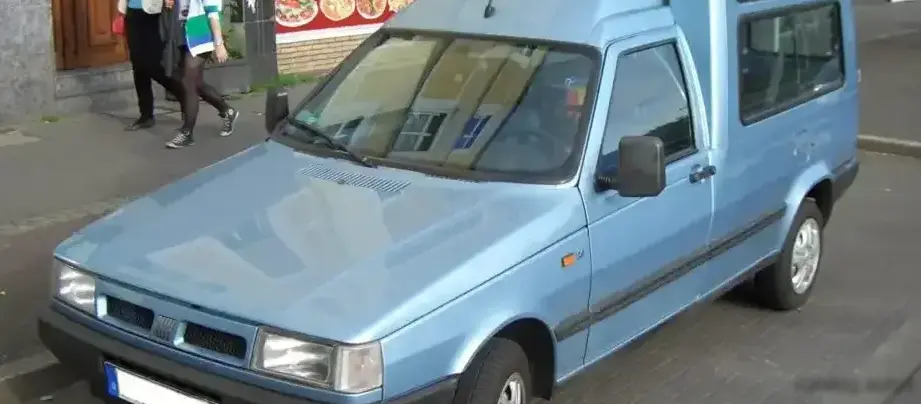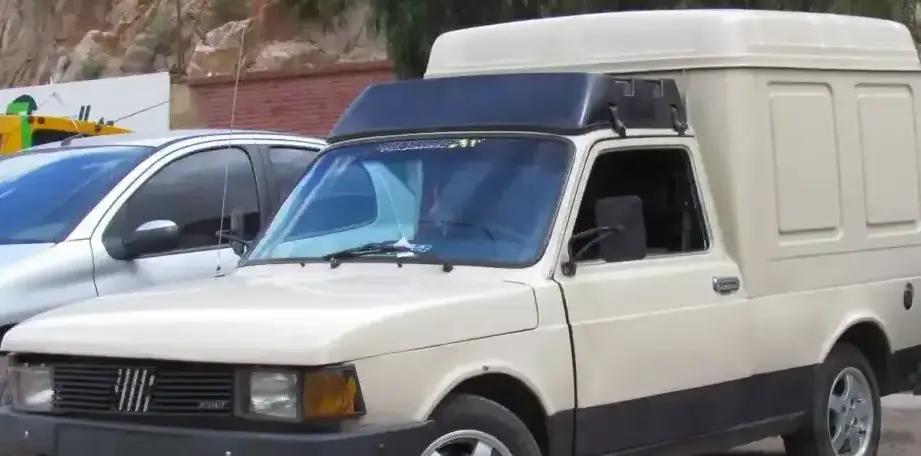
The Fiat Fiorino (127) 900, produced between 1977 and 1981, represents the entry-level variant of the pioneering Fiorino light commercial vehicle. Based heavily on the Fiat 127 supermini, the Fiorino was designed as a practical and affordable solution for small businesses and urban delivery services in Europe, particularly Italy. This 900cc, 45 horsepower version occupied the base of the Fiorino lineup, offering a no-frills transportation option focused on utility and economy. It was a key component in establishing the Fiorino as a popular choice in its segment, prefiguring the modern compact van market.
Technical Specifications
| Brand | Fiat |
| Model | Fiorino |
| Generation | Fiorino (127) |
| Type (Engine) | 900 (45 Hp) |
| Start of production | 1977 |
| End of production | 1981 |
| Powertrain Architecture | Internal Combustion engine |
| Body type | Minivan |
| Fuel Type | Petrol (Gasoline) |
| Power | 45 Hp |
| Engine Model/Code | 100 GL.000 |
| Engine aspiration | Naturally aspirated engine |
| Engine oil capacity | 3.6 l / 3.8 US qt / 3.17 UK qt |
Powertrain & Engine Architecture
The heart of the Fiorino 900 is the Fiat 100 GL.000 engine, a 903cc inline-two cylinder, naturally aspirated petrol engine. This engine, derived from the Fiat 127, is characterized by its simplicity and robustness. It features a single overhead camshaft operating two valves per cylinder. Fuel delivery is managed by a single Weber carburetor, a common setup for vehicles of this era. The engine’s relatively low compression ratio (typically around 8.8:1) was optimized for running on the available fuel grades in Europe at the time. The engine’s small displacement and two-cylinder configuration result in a distinctive, somewhat agricultural engine note. The Fiorino 900 utilized a four-speed manual transmission as standard, designed for durability and ease of maintenance. The transmission’s gear ratios were geared towards maximizing fuel efficiency and providing adequate, though not particularly brisk, acceleration.
Driving Characteristics
The driving experience in the Fiorino 900 is defined by its utilitarian nature. With only 45 horsepower propelling a vehicle designed for carrying loads, acceleration is modest. The 0-60 mph time is not a primary concern; instead, the focus is on providing sufficient power for urban driving and light commercial duties. The four-speed manual transmission requires frequent shifting to maintain momentum, especially when loaded. The Fiorino’s suspension, based on the Fiat 127’s setup, prioritizes ride comfort over sporty handling. The steering is light and relatively direct, making it easy to maneuver in tight city streets. The small engine does offer reasonable fuel economy for its time, making it an attractive option for businesses looking to minimize operating costs. Compared to later, more powerful Fiorino variants (such as those equipped with 1.1 or 1.3-liter engines), the 900 feels significantly underpowered, particularly when carrying a full load. However, its simplicity translates to lower maintenance costs and a generally reliable driving experience.
Equipment & Trim Levels
The Fiorino 900 was intentionally kept basic in terms of equipment. It was designed as a workhorse, and luxuries were minimized to keep the price down. Standard features typically included vinyl upholstery, a basic instrument cluster with speedometer and fuel gauge, and minimal interior trim. Windows were manually operated, and central locking was not available. The exterior featured steel wheels, unpainted bumpers, and minimal brightwork. Optional extras were limited, but could include a radio, upgraded seating, and occasionally, a sunroof. The interior was primarily focused on functionality, with a flat load floor and easily accessible storage compartments. The dashboard layout was simple and straightforward, prioritizing ease of use over aesthetics. The target audience for this trim level was small business owners, tradespeople, and delivery services who needed a reliable and affordable vehicle for their daily operations.
Chassis & Braking
The Fiorino 900’s chassis is based on the Fiat 127’s platform, utilizing a front-engine, front-wheel-drive layout. The suspension consists of independent front suspension with MacPherson struts and a twist-beam rear axle. This setup provides a reasonable balance between ride comfort and handling. The braking system features drum brakes on all four wheels, which were typical for vehicles in this price range during the late 1970s. While adequate for normal driving conditions, the drum brakes lack the stopping power and fade resistance of disc brakes. The Fiorino 900’s relatively light weight helps to compensate for the limitations of the braking system. Stabilizer bars were not typically fitted to the base 900 model, further emphasizing its focus on cost-effectiveness over performance handling.
Market Reception & Comparison
The Fiat Fiorino 900 was generally well-received in its target market. Critics praised its affordability, practicality, and fuel efficiency. However, the engine’s limited power was a common point of criticism, particularly when the vehicle was loaded. Compared to other light commercial vehicles of the time, such as the Renault 4 F6 and the Citroën C15, the Fiorino 900 offered a competitive price point and a relatively spacious cargo area. The 1.1-liter and 1.3-liter Fiorino variants offered significantly improved performance, but at a higher cost. The 900 was often seen as a good starting point for businesses that didn’t require a lot of power or carrying capacity. Its simplicity also contributed to its reliability, making it a popular choice for those who valued low maintenance costs.
Legacy
The Fiat Fiorino 900, while the least powerful variant, played a crucial role in establishing the Fiorino as a successful light commercial vehicle. Its robust engine and simple design contributed to its long-term reliability, and many examples are still in use today, often as classic vehicles or in developing countries. The 100 GL.000 engine, while not known for its performance, is relatively easy to maintain and repair, making it a favorite among enthusiasts and mechanics. In the used car market, the Fiorino 900 is often sought after by collectors and those looking for a unique and affordable classic vehicle. It represents a significant piece of automotive history, showcasing Fiat’s ingenuity in creating a practical and affordable solution for small businesses and urban transportation.