Technical Specifications
| Brand | Fiat |
| Model | Fiorino |
| Generation | Fiorino (147) |
| Type (Engine) | 1.7 Diesel (57 Hp) |
| Start of production | 1994 |
| End of production | 1997 |
| Powertrain Architecture | Internal Combustion engine |
| Body type | Minivan |
| Seats | 5 |
| Doors | 3 |
| Fuel Type | Diesel |
| Acceleration 0 – 100 km/h | 24 sec |
| Acceleration 0 – 62 mph | 24 sec |
| Acceleration 0 – 60 mph | 22.8 sec |
| Maximum speed | 135 km/h (83.89 mph) |
| Weight-to-power ratio | 18.8 kg/Hp, 53.1 Hp/tonne |
| Weight-to-torque ratio | 10.9 kg/Nm, 91.3 Nm/tonne |
| Power | 57 Hp @ 4600 rpm |
| Power per litre | 33.6 Hp/l |
| Torque | 98 Nm @ 2900 rpm (72.28 lb.-ft. @ 2900 rpm) |
| Engine layout | Front, Transverse |
| Engine Model/Code | 146 B2.000 |
| Engine displacement | 1697 cm3 (103.56 cu. in.) |
| Number of cylinders | 4 |
| Engine configuration | Inline |
| Cylinder Bore | 82.6 mm (3.25 in.) |
| Piston Stroke | 79.2 mm (3.12 in.) |
| Compression ratio | 20.5:1 |
| Number of valves per cylinder | 2 |
| Fuel injection system | Precombustion chamber injection |
| Engine aspiration | Naturally aspirated engine |
| Valvetrain | OHC |
| Engine oil capacity | 4.7 l (4.97 US qt | 4.14 UK qt) |
| Coolant | 8 l (8.45 US qt | 7.04 UK qt) |
| Kerb Weight | 1073 kg (2365.56 lbs.) |
| Max. weight | 1660 kg (3659.67 lbs.) |
| Max load | 587 kg (1294.11 lbs.) |
| Fuel tank capacity | 64 l (16.91 US gal | 14.08 UK gal) |
| Length | 4159 mm (163.74 in.) |
| Width | 1622 mm (63.86 in.) |
| Height | 1904 mm (74.96 in.) |
| Wheelbase | 2581 mm (101.61 in.) |
| Drivetrain Architecture | The Internal combustion engine (ICE) drives the front wheels of the vehicle. |
| Drive wheel | Front wheel drive |
| Number of gears and type of gearbox | 5 gears, manual transmission |
| Tires size | 165/70 R13 83R |
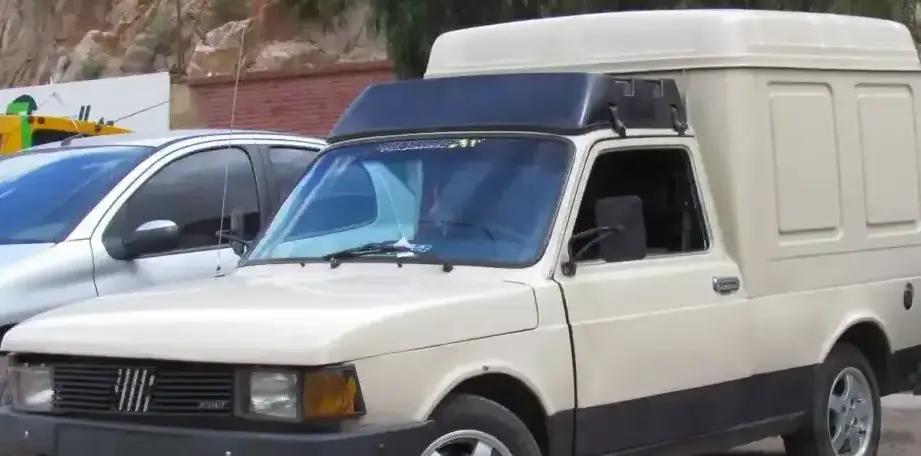
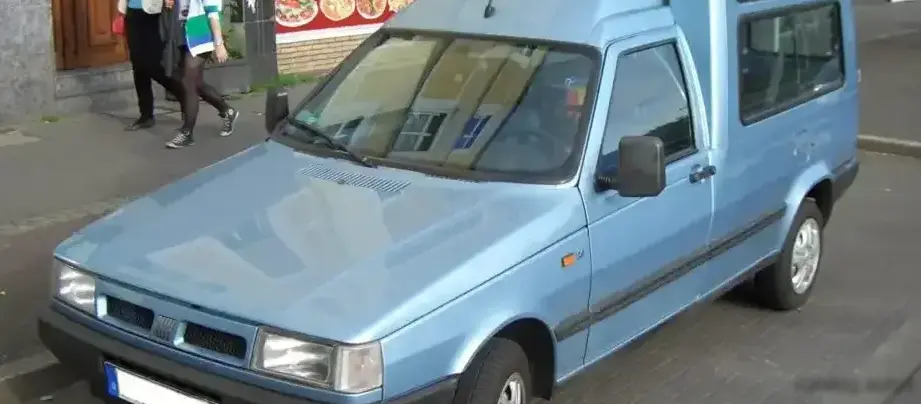
The Fiat Fiorino (147) 1.7 Diesel, producing 57 horsepower, was a utilitarian light commercial vehicle manufactured between 1994 and 1997. Positioned as the entry-level offering in the Fiorino range, it provided a cost-effective solution for small businesses and individuals requiring a compact, durable van. The 147 series Fiorino marked the first generation of this model, developed in collaboration with Peugeot and Citroën, sharing a common platform and numerous components. This collaborative effort was intended to reduce development costs and offer a competitive product in the expanding European microvan market.
Powertrain & Engine Architecture
The Fiorino 1.7 Diesel’s powertrain centered around the 146 B2.000 engine, a 1.7-liter inline-four cylinder diesel. This engine employed a precombustion chamber injection system, a prevalent technology for diesel engines of the time. This system injected fuel into a precombustion chamber connected to the main cylinder, enhancing combustion efficiency and reducing engine noise. The engine featured an overhead camshaft (OHC) valvetrain operating two valves per cylinder. While the 57 horsepower output was modest, the engine was recognized for its durability and fuel efficiency. The engine was mounted transversely, contributing to a compact engine bay and maximizing interior space. A five-speed manual transmission was the sole gearbox option available with this engine, prioritizing cost-effectiveness over driver choice.
Driving Characteristics
The 1.7 Diesel Fiorino wasn’t engineered for speed or dynamic driving. Acceleration was slow, with a 0-60 mph time approaching 23 seconds. The engine’s torque peak of 98 Nm (72.28 lb-ft) at 2900 rpm provided sufficient pulling power for carrying loads, but necessitated frequent gear changes to maintain momentum, particularly when climbing hills. Compared to potential higher-output diesel variants (which weren’t offered in this generation), or even gasoline-powered alternatives, the 1.7 Diesel prioritized fuel economy and low-end torque over outright performance. The gear ratios were optimized for maximizing fuel efficiency and providing adequate power for typical urban and light commercial applications. The driving experience was best described as utilitarian, emphasizing practicality rather than driving enjoyment.
Equipment & Trim Levels
The Fiorino 1.7 Diesel was a fairly basic vehicle, reflecting its position as an entry-level workhorse. Standard equipment typically included a simple dashboard, vinyl upholstery, and basic instrumentation. Power steering and air conditioning were generally not standard, often available as optional extras. The interior was designed for durability and ease of cleaning, prioritizing functionality over luxury. Trim levels were minimal, with most variations stemming from optional equipment packages. Features like a radio, upgraded seat fabric, and a rear window wiper were available as add-ons.
Chassis & Braking
The Fiorino 147 utilized a relatively simple chassis design. Front suspension consisted of MacPherson struts, while the rear employed a twist beam axle. This setup provided a reasonable compromise between ride comfort and load-carrying capacity. Braking was typically accomplished with front disc brakes and rear drum brakes. An anti-lock braking system (ABS) was not standard equipment and was rarely fitted to this base model. The vehicle’s relatively light weight (1073 kg / 2365.56 lbs) helped to offset the modest braking performance.
Market Reception & Comparison
The Fiat Fiorino 1.7 Diesel was well-received in its target market as a practical and affordable light commercial vehicle. Critics praised its fuel efficiency and durability, but noted its lack of performance and basic interior. Compared to its platform-sharing siblings, the Peugeot Partner and Citroën Berlingo (which shared the same underpinnings), the Fiorino often represented the most affordable option. The 1.7 Diesel variant was particularly popular with small businesses and tradespeople who prioritized cost-effectiveness and reliability over driving pleasure. Its fuel economy was a significant advantage over gasoline-powered alternatives, making it an attractive option for those covering high mileage.
Legacy
The Fiat Fiorino (147) 1.7 Diesel has proven to be a remarkably durable vehicle. Numerous examples are still in use today, a testament to the robustness of the engine and chassis. While the engine’s precombustion chamber injection system can require specialized maintenance, it is generally reliable if properly maintained. In the used car market, these Fiorinos are valued for their simplicity and affordability. They represent a practical and economical option for those needing a small, utilitarian van. The 147 series Fiorino established the foundation for subsequent generations of the model, solidifying its reputation as a dependable and cost-effective light commercial vehicle.