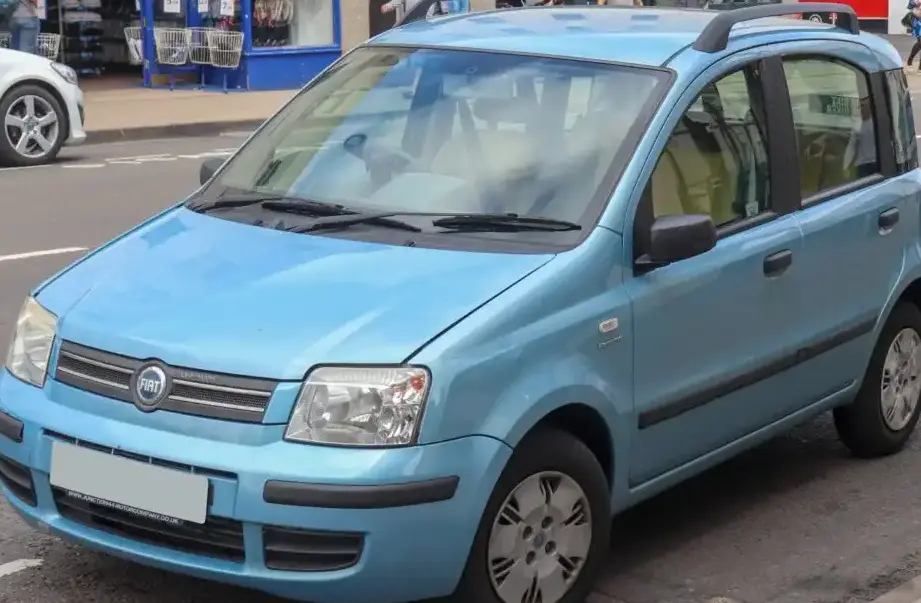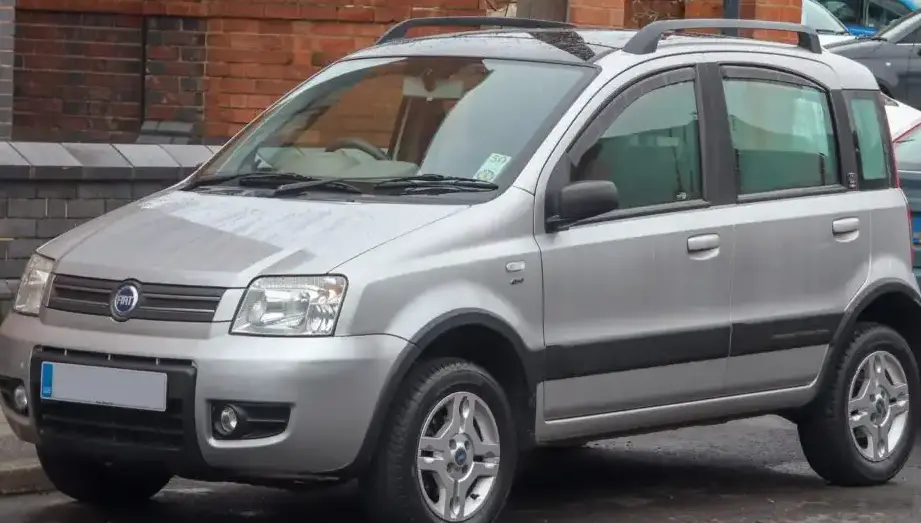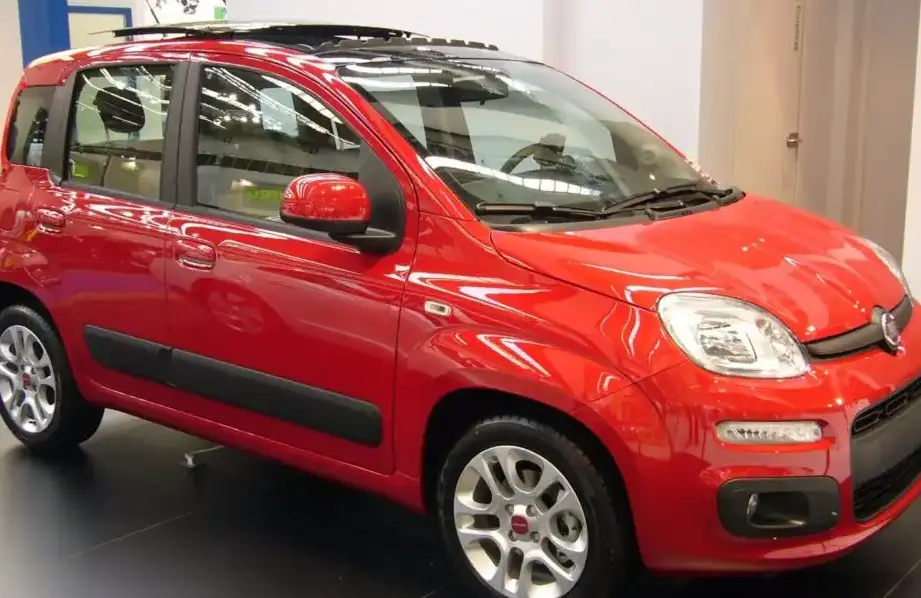
The Fiat Panda III (319) 1.3 16V Multijet 75 HP Start & Stop, produced from 2011 to 2015, represents a significant iteration of Fiat’s iconic city car. Positioned as a fuel-efficient and practical option within the Panda III range, this variant aimed to appeal to buyers seeking low running costs and maneuverability in urban environments. It was a key model in the European A-segment, competing with vehicles like the Renault Twingo and Peugeot 107. The 319 designation refers to the project code for the third generation Panda, which was based on the Fiat Mini platform, shared with the Fiat 500.
Technical Specifications
| Brand | Fiat |
| Model | Panda |
| Generation | Panda III (319) |
| Type (Engine) | 1.3 16V MULTIJET (75 Hp) START & STOP |
| Start of production | 2011 |
| End of production | 2015 |
| Powertrain Architecture | Internal Combustion engine |
| Body type | Hatchback |
| Seats | 5 |
| Doors | 5 |
| Fuel consumption (urban) | 4.7 l/100 km (50 US mpg, 60.1 UK mpg, 21.3 km/l) |
| Fuel consumption (extra urban) | 3.5 l/100 km (67.2 US mpg, 80.7 UK mpg, 28.6 km/l) |
| Fuel consumption (combined) | 3.9 l/100 km (60.3 US mpg, 72.4 UK mpg, 25.6 km/l) |
| Fuel Type | Diesel |
| Acceleration 0 – 100 km/h | 12.8 sec |
| Acceleration 0 – 62 mph | 12.8 sec |
| Acceleration 0 – 60 mph | 12.2 sec |
| Maximum speed | 168 km/h (104.39 mph) |
| Emission standard | Euro 5 |
| Weight-to-power ratio | 13.8 kg/Hp, 72.5 Hp/tonne |
| Weight-to-torque ratio | 5.4 kg/Nm, 183.6 Nm/tonne |
| Power | 75 Hp @ 4000 rpm |
| Power per litre | 60.1 Hp/l |
| Torque | 190 Nm @ 1500 rpm (140.14 lb.-ft. @ 1500 rpm) |
| Engine layout | Front, Transverse |
| Engine Model/Code | 199A9000 |
| Engine displacement | 1248 cm3 (76.16 cu. in.) |
| Number of cylinders | 2 |
| Engine configuration | Inline |
| Fuel injection system | Diesel Commonrail |
| Engine aspiration | Turbocharger, Intercooler |
| Engine oil capacity | 3 l (3.17 US qt | 2.64 UK qt) |
| Coolant capacity | 6.3 l (6.66 US qt | 5.54 UK qt) |
| Kerb Weight | 1035 kg (2281.78 lbs) |
| Trunk (boot) space – minimum | 225 l (7.95 cu. ft) |
| Fuel tank capacity | 37 l (9.77 US gal | 8.14 UK gal) |
| Length | 3653 mm (143.82 in) |
| Width | 1643 mm (64.69 in) |
| Height | 1551 mm (61.06 in) |
| Wheelbase | 2300 mm (90.55 in) |
| Front track | 1522 mm (59.92 in) |
| Rear track | 1519 mm (59.8 in) |
| Minimum turning circle | 9.3 m (30.51 ft) |
| Drivetrain Architecture | Front wheel drive |
| Number of gears | 5 |
| Gearbox type | Manual transmission |
| Front suspension | Independent type McPherson |
| Rear suspension | Torsion |
| Front brakes | Ventilated discs |
| Rear brakes | Drum |
| Assisting systems | ABS (Anti-lock braking system) |
| Steering type | Steering rack and pinion |
| Power steering | Electric Steering |
| Tires size | 175/65 R14 82T; 185/55 R15 82T |
| Wheel rims size | 14; 15 |
Powertrain & Engine Architecture
The heart of this Panda variant is the 1.3-liter, inline-two cylinder Multijet diesel engine, designated as the 199A9000. This engine is a member of Fiat’s second-generation Multijet family, known for its common-rail direct injection and variable geometry turbocharger. The 16-valve cylinder head, combined with the turbocharger and intercooler, allows for a relatively high output of 75 horsepower at 4000 rpm and 190 Nm (140 lb-ft) of torque at just 1500 rpm. The engine utilizes a sophisticated fuel injection system, delivering precise fuel metering for optimal combustion and reduced emissions. The Start & Stop system, standard on this model, automatically shuts off the engine when the vehicle is stationary (at traffic lights, for example) to further improve fuel economy. The engine is paired with a five-speed manual transmission, chosen for its efficiency and cost-effectiveness.
Driving Characteristics
The 1.3 Multijet 75 HP engine, while not particularly powerful, provides adequate performance for city driving and short highway trips. Acceleration from 0 to 60 mph takes around 12.2 seconds, and the top speed is 104 mph. The engine’s strong low-end torque makes it feel more responsive than its horsepower figure suggests, particularly in urban settings. The five-speed manual transmission is well-matched to the engine’s characteristics, offering a reasonable spread of gears. Compared to the higher-output 1.2-liter petrol engine available in the Panda III range, the Multijet offers significantly better fuel economy and more torque, but at the expense of outright acceleration. The manual transmission provides more driver engagement than the Dualogic automated manual transmission offered on some Panda models.
Equipment & Trim Levels
The 1.3 16V Multijet 75 HP Start & Stop typically came equipped with a basic but functional level of standard features. These included power steering, ABS brakes, a driver’s airbag, and central locking. Interior appointments were typically modest, with cloth upholstery and a simple dashboard layout. Air conditioning was often an optional extra, as were electric windows and a radio/CD player. Higher trim levels, such as the “Lounge” variant, added features like alloy wheels, body-colored bumpers, and upgraded interior trim. The Panda was designed to be a customizable vehicle, with a wide range of optional extras available to tailor the car to individual preferences.
Chassis & Braking
The Panda III utilizes a front-wheel-drive layout with an independent McPherson strut suspension at the front and a torsion beam suspension at the rear. This setup provides a comfortable ride quality, particularly on smooth roads. The front brakes are ventilated discs, while the rear brakes are drums. This configuration was chosen to balance cost and performance, given the Panda’s intended role as an affordable city car. The steering is a rack and pinion system with electric power assistance, providing light and precise steering feel. The relatively lightweight construction of the Panda contributes to its nimble handling characteristics.
Market Reception & Comparison
The Fiat Panda III 1.3 16V Multijet 75 HP Start & Stop was generally well-received by automotive critics for its fuel efficiency, practicality, and low running costs. It was praised as an ideal city car, offering excellent maneuverability and easy parking. However, some critics noted the engine could be noisy and lacked refinement compared to some of its competitors. Compared to the petrol-powered Panda variants, the Multijet offered significantly better fuel economy, making it a popular choice for drivers covering high mileages. Against rivals like the Renault Twingo and Peugeot 107, the Panda offered a more spacious interior and a more robust feel.
Legacy
The 1.3 Multijet engine proved to be a reliable and durable unit, and many examples of the Panda III 1.3 16V Multijet are still on the road today. The engine’s relatively simple construction and robust design contribute to its longevity. On the used car market, these Pandas are often sought after for their fuel efficiency and affordability. However, potential buyers should be aware of the typical wear and tear associated with diesel engines, such as potential issues with the turbocharger and fuel injectors. The Panda III, and this variant in particular, cemented the Panda’s reputation as a practical, affordable, and reliable city car, continuing a legacy that began with the original Panda in 1980.