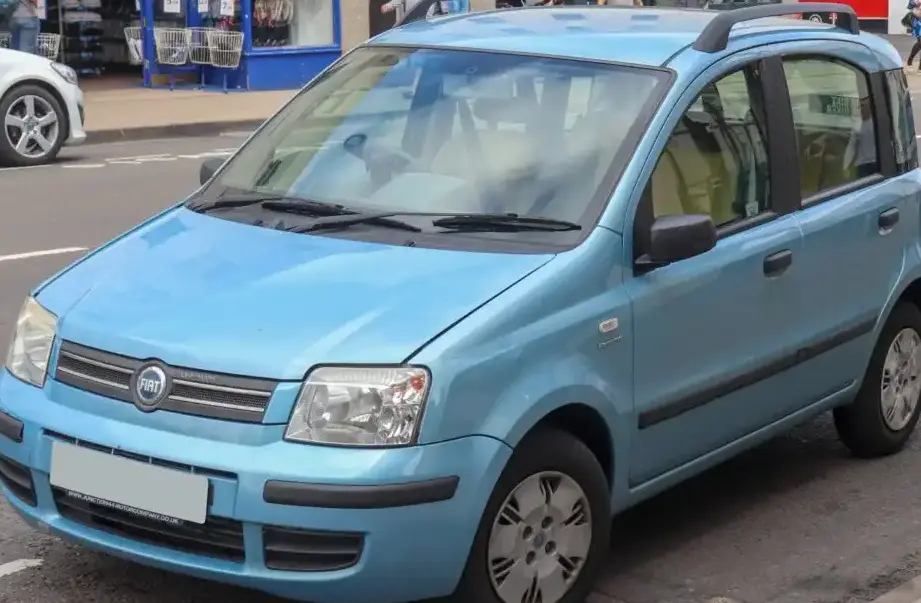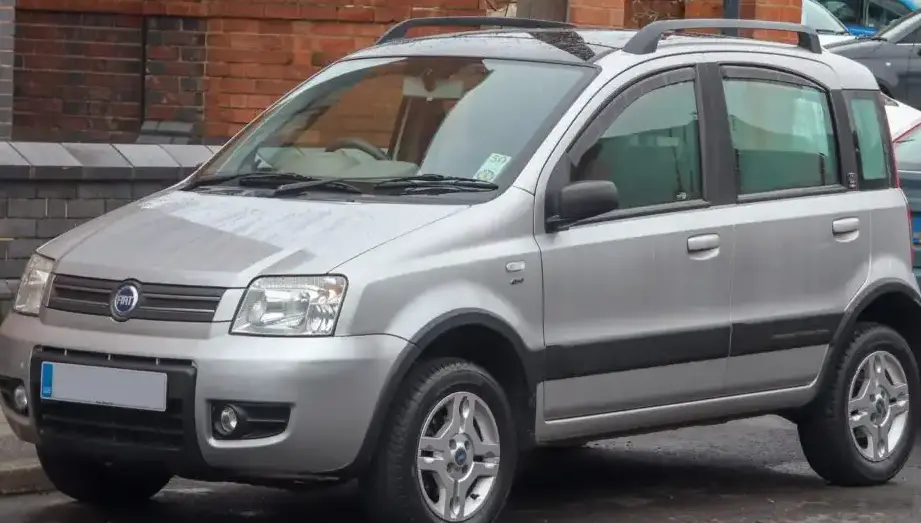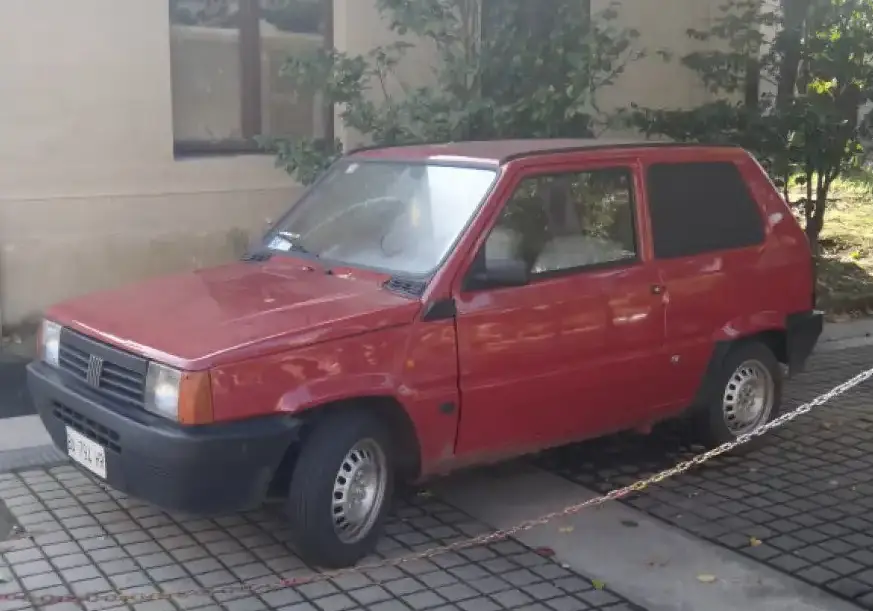
The Fiat Panda Van 1000 i.e., produced between 1992 and 1994, represents a utilitarian and economical iteration of the iconic Fiat Panda. This variant, distinguished by its 45 horsepower 1.0-liter engine, was specifically designed as a commercial vehicle, offering a compact and affordable solution for small businesses and tradespeople. It occupied the entry-level position within the Panda Van range, prioritizing functionality and low running costs over outright performance. The Panda Van itself was a derivative of the 141 series Panda, capitalizing on the model’s inherent practicality and robust construction. It was primarily sold in European markets, particularly Italy, where it found favor due to its maneuverability in congested urban environments and its minimal footprint for navigating narrow streets.
Technical Specifications
| Brand | Fiat |
| Model | Panda |
| Generation | Panda Van |
| Type (Engine) | 1000 i.e (45 Hp) |
| Start of production | 1992 |
| End of production | 1994 |
| Powertrain Architecture | Internal Combustion engine |
| Body type | Minivan |
| Fuel Type | Petrol (Gasoline) |
| Power | 45 Hp |
| Engine Model/Code | 156 A2.246 |
| Engine aspiration | Naturally aspirated engine |
| Engine oil capacity | 3.8 l / 4.02 US qt | 3.34 UK qt |
Powertrain & Engine Architecture
The heart of the Panda Van 1000 i.e. is the 156 A2.246 engine, a 999 cc inline-four cylinder petrol engine. This engine is a naturally aspirated unit, meaning it doesn’t employ a turbocharger or supercharger. It features a single overhead camshaft (SOHC) valvetrain operating two valves per cylinder. Fuel delivery is managed by a Bosch Mono-Jetronic single-point fuel injection system, a relatively simple and reliable system for its time. This system injects fuel into a single point in the intake manifold, rather than directly into each cylinder, contributing to its cost-effectiveness. The engine’s modest 45 horsepower output is achieved at 5500 rpm, while peak torque of approximately 65 Nm (48 lb-ft) arrives at 3000 rpm. The engine is paired with a four-speed manual transmission as standard, although an optional, but rare, three-speed automatic transmission was available. The automatic transmission was a simple hydraulic unit, prioritizing durability and ease of use over sophisticated shift programming.
Driving Characteristics
The driving experience in the Panda Van 1000 i.e. is defined by its simplicity and practicality. With only 45 horsepower propelling a vehicle designed for carrying loads, acceleration is decidedly leisurely. The 0-60 mph time is estimated to be well over 15 seconds, and top speed is around 85 mph, though realistically, it was best suited for urban and suburban driving. The four-speed manual transmission offers a reasonably spaced gear ratio, allowing the driver to keep the engine within its optimal power band. The automatic transmission, while convenient, further diminishes acceleration and can feel sluggish, particularly when attempting to overtake. The suspension is basic, consisting of independent front suspension with torsion bars and a rigid rear axle with leaf springs. This setup provides a comfortable, if somewhat bouncy, ride when unladen, but the ride quality deteriorates noticeably when the van is fully loaded. Steering is light and direct, making it easy to maneuver in tight spaces.
Equipment & Trim Levels
The Panda Van 1000 i.e. was intentionally spartan in its equipment levels, reflecting its commercial vehicle focus. Standard features were minimal, typically including basic steel wheels, black plastic bumpers, and a simple interior with vinyl upholstery. The dashboard is functional, featuring a speedometer, fuel gauge, and basic warning lights. Power steering and central locking were not typically offered, even as options. The rear cargo area is the defining feature of the Panda Van, offering a substantial amount of space for its size. The rear seats are either completely removable or fold flat to maximize cargo capacity. Optional extras were limited, but could include a radio, upgraded interior trim, and occasionally, a sunroof. The overall interior aesthetic is utilitarian and durable, prioritizing practicality over luxury.
Chassis & Braking
The Panda Van utilizes a monocoque chassis construction, providing a reasonable level of rigidity for its size and weight. The front suspension employs independent coil springs and torsion bars, while the rear suspension features a solid axle with leaf springs. This configuration prioritizes load-carrying capacity over sophisticated handling. Braking is handled by disc brakes on the front wheels and drum brakes on the rear wheels. The braking system is adequate for the vehicle’s performance capabilities, but lacks the stopping power of more modern vehicles. The steering is a recirculating ball system, providing a direct but somewhat unrefined feel. The vehicle’s relatively light weight helps to compensate for the basic suspension and braking systems.
Market Reception & Comparison
The Fiat Panda Van 1000 i.e. was generally well-received in its target market as a cost-effective and reliable commercial vehicle. Critics praised its maneuverability, fuel efficiency, and low running costs. However, its limited performance and basic equipment levels were also noted. Compared to other small vans of the era, such as the Citroën C15 or Renault Express, the Panda Van offered a more compact footprint and a lower purchase price. However, it lacked the refinement and cargo capacity of some of its competitors. The 1.0-liter engine offered better fuel economy than the larger 1.4-liter engine available in other Panda Van models, but at the expense of performance. Reliability was generally good, with the 156 A2.246 engine proving to be a durable and long-lasting unit.
Legacy
The Fiat Panda Van 1000 i.e. has become a popular choice among classic car enthusiasts and those seeking a simple, reliable, and affordable commercial vehicle. Its robust construction and readily available spare parts contribute to its continued usability. While not particularly collectible in its standard form, well-maintained examples are increasingly sought after. The 156 A2.246 engine is known for its longevity and relatively straightforward maintenance requirements. Today, the Panda Van 1000 i.e. represents a nostalgic reminder of a simpler era in automotive design, prioritizing functionality and affordability over luxury and performance. It remains a testament to Fiat’s ability to create practical and enduring vehicles that meet the needs of a diverse range of customers.