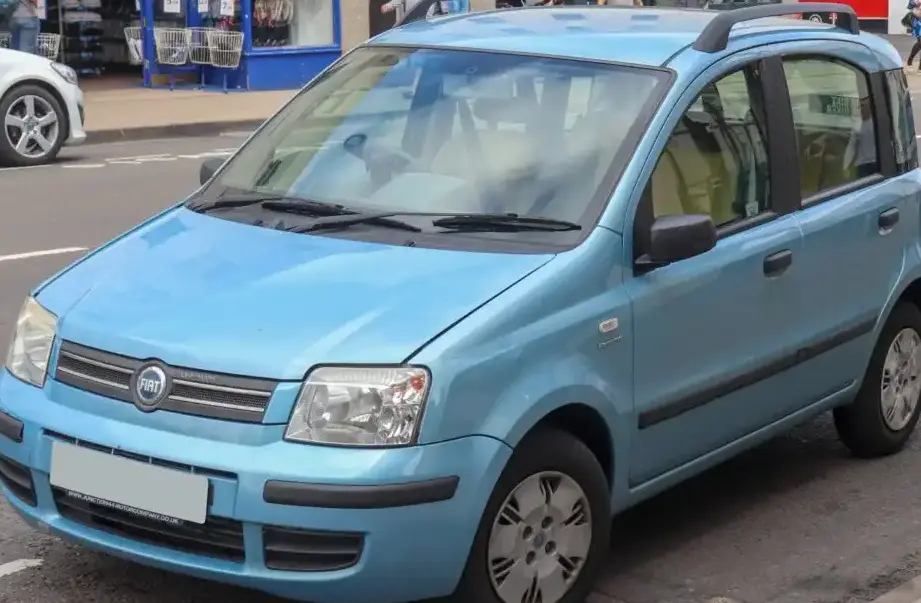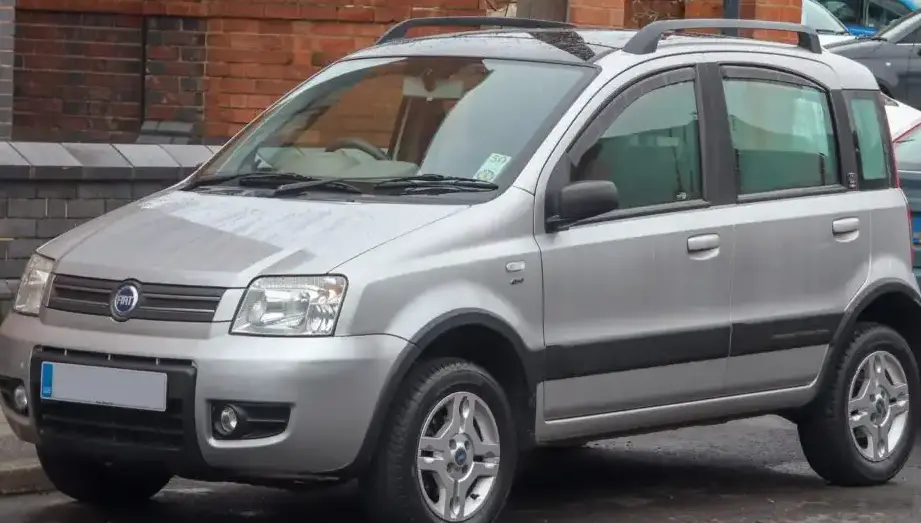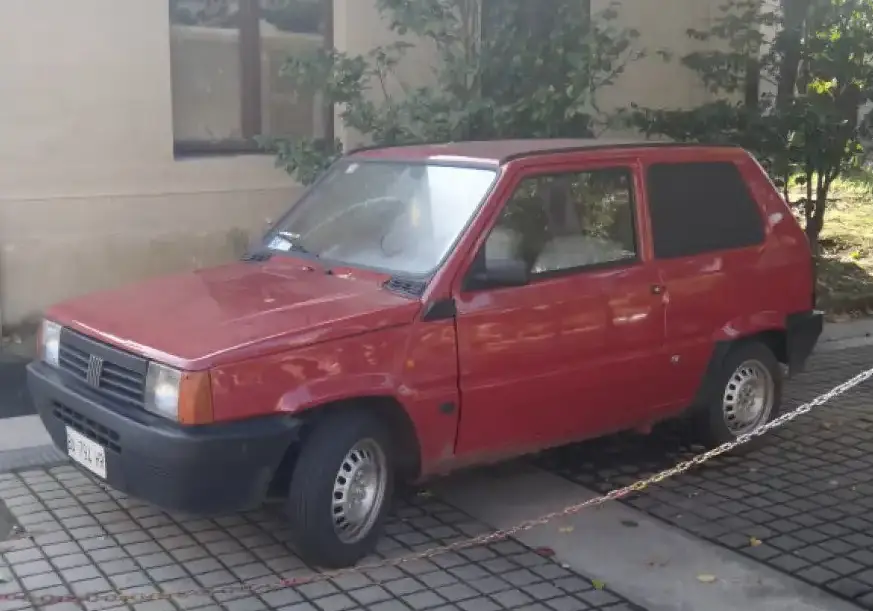
The Fiat Panda Van 750, produced from 1986 to 1992, represents a utilitarian and economical variant within the broader Fiat Panda lineage. This specific version, characterized by its diminutive 750cc engine producing 34 horsepower, was designed primarily as a commercial vehicle, offering a low-cost transport solution for small businesses and tradespeople in Europe, particularly Italy. It built upon the success of the original Panda (141 series) launched in 1980, adapting the core platform for a more cargo-focused application. The Panda Van 750 occupied the entry-level position in the Panda Van range, prioritizing affordability and fuel efficiency over outright performance.
Technical Specifications
| Brand | Fiat |
| Model | Panda |
| Generation | Panda Van |
| Type (Engine) | 750 (34 Hp) |
| Start of Production | 1986 |
| End of Production | 1992 |
| Powertrain Architecture | Internal Combustion Engine |
| Body Type | Minivan |
| Fuel Type | Petrol (Gasoline) |
| Power | 34 Hp |
| Engine Model/Code | 141 B.000 |
| Engine Aspiration | Naturally Aspirated |
| Engine Oil Capacity | 3.8 l (4.02 US qt | 3.34 UK qt) |
| Coolant Capacity | 5.2 l (5.49 US qt | 4.58 UK qt) |
Powertrain & Engine Architecture
The heart of the Panda Van 750 is the 141 B.000 engine, a 769cc (approximately 47 cubic inches) inline-two cylinder, naturally aspirated gasoline engine. This engine, a descendant of the original Fiat 126 engine, is notable for its simplicity and robustness. It features a single overhead valve (OHV) valvetrain, operating with two valves per cylinder. Fuel delivery is managed by a single Weber carburetor, a common setup for vehicles of this era and price point. The carburetor’s simplicity contributed to the engine’s ease of maintenance, but also limited its efficiency and responsiveness compared to fuel-injected systems. The engine’s relatively low compression ratio (typically around 8.8:1) further prioritized reliability and the ability to run on lower-octane fuel, common in many European markets. The engine is paired with a four-speed manual transmission, as an automatic transmission was not offered on this specific variant. The transmission is a conventional setup, designed for durability rather than sporty performance. The drivetrain is front-wheel drive, a configuration adopted for the original Panda to maximize interior space and improve traction in adverse conditions.
Driving Characteristics
The driving experience in the Panda Van 750 is defined by its modest performance. With only 34 horsepower on tap, acceleration is slow, and highway speeds require considerable planning. The four-speed manual transmission necessitates frequent gear changes to maintain momentum, particularly when laden with cargo. However, the engine is surprisingly torquey for its size, providing adequate pulling power at lower RPMs. This makes it suitable for urban driving and short-distance deliveries. The gear ratios are relatively short, prioritizing acceleration from a standstill over high-speed cruising. Steering is light and direct, making it easy to maneuver in tight spaces. The suspension, while basic, provides a reasonably comfortable ride, absorbing bumps and imperfections in the road surface. Compared to later Panda Van models with larger engines (like the 1.0 Fire), the 750cc version feels significantly underpowered. The 1.0 Fire offered a substantial increase in horsepower and torque, resulting in improved acceleration and overall drivability. However, the 750’s simplicity and fuel economy remained its key strengths.
Equipment & Trim Levels
The Panda Van 750 was intentionally spartan in its equipment levels, reflecting its commercial focus and low price point. Standard features were minimal, typically including basic steel wheels, vinyl upholstery, and a simple dashboard with essential gauges (speedometer, fuel gauge, and temperature gauge). Power steering, air conditioning, and electric windows were not available, even as optional extras. The interior was designed for practicality, with a flat load floor and minimal trim. The seats were typically made of durable vinyl, chosen for its resistance to wear and tear. The dashboard was constructed from hard plastics, prioritizing cost-effectiveness over aesthetics. Optional extras were limited to items such as a radio and upgraded seat covers. The overall trim level was consistent across all Panda Van 750 models, with little variation in standard equipment.
Chassis & Braking
The Panda Van 750 utilizes a simple but effective chassis design. It features a front independent suspension with MacPherson struts and a rear semi-trailing arm suspension. This setup provides a reasonable balance between ride comfort and handling. The brakes are disc brakes on the front wheels and drum brakes on the rear wheels. This configuration was common for vehicles in this price range during the 1980s. The braking system is adequate for the vehicle’s weight and performance, but lacks the stopping power of more modern braking systems. The steering is a rack and pinion system, providing precise and responsive steering feel. The chassis is relatively lightweight, contributing to the vehicle’s fuel efficiency and maneuverability. Stabilizer bars were not typically fitted to the Panda Van 750, further emphasizing its focus on cost reduction.
Market Reception & Comparison
The Fiat Panda Van 750 was well-received in its target market as a practical and affordable commercial vehicle. Critics praised its fuel efficiency, low running costs, and ease of maintenance. However, its limited performance and basic equipment levels were also noted. Compared to other small vans of the era, such as the Citroën C15 and Renault Express, the Panda Van 750 offered a more compact size and lower purchase price. However, these competitors often provided more cargo space and higher payload capacity. The 750cc engine’s fuel economy was a significant selling point, particularly in a period of fluctuating fuel prices. Reliability was generally good, thanks to the engine’s simple design and robust construction. However, the carburetor required periodic adjustment and maintenance. The Panda Van 750’s main competitor within the Fiat lineup was the larger Fiat Fiorino, which offered more space and a wider range of engine options.
Legacy
The Fiat Panda Van 750, while no longer in production, retains a loyal following among enthusiasts and collectors. Its simplicity, reliability, and affordability have made it a popular choice for restoration projects and classic car rallies. The 141 B.000 engine is known for its durability, and many examples are still running today with proper maintenance. In the used car market, Panda Van 750s in good condition can command surprisingly high prices, reflecting their growing popularity as a retro vehicle. The Panda Van 750 represents a significant chapter in Fiat’s history, demonstrating the company’s ability to produce affordable and practical vehicles for a wide range of customers. Its legacy continues to inspire the design of modern small vans and commercial vehicles.