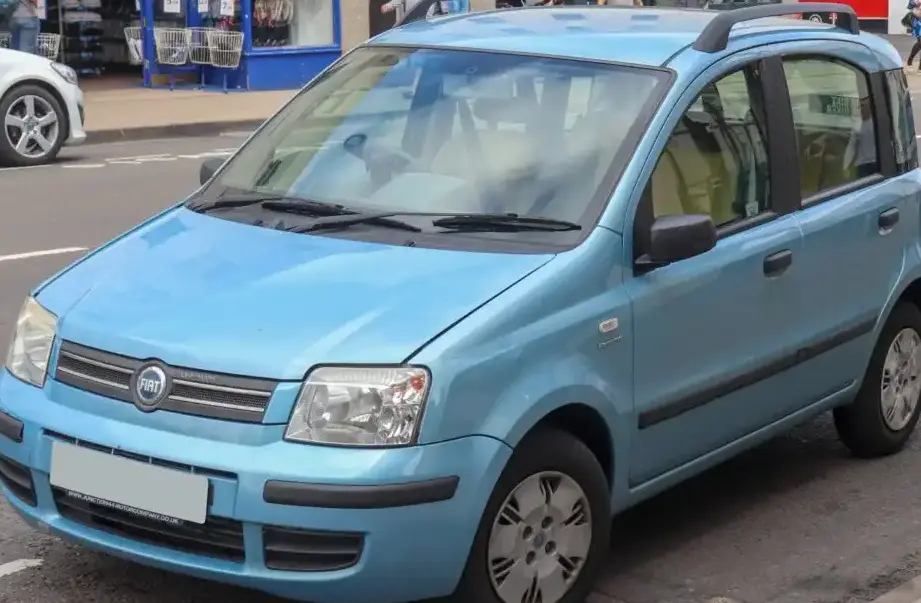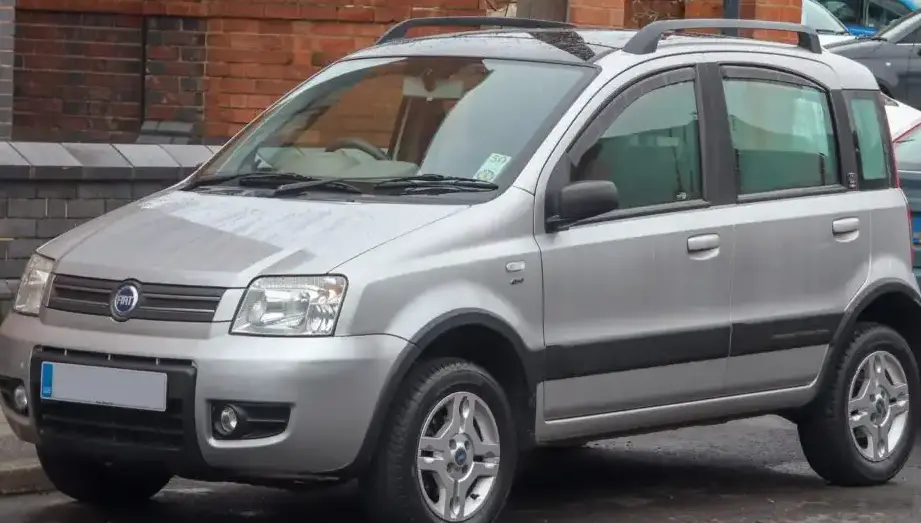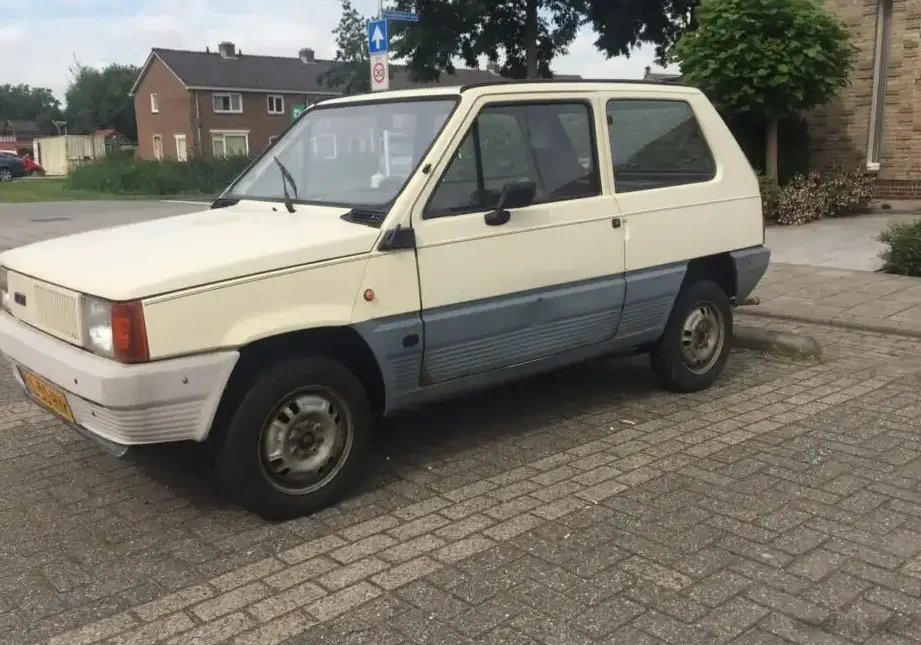
The Fiat Panda 750, designated ZAF 141, represents the initial offering in the groundbreaking Panda lineup launched in 1981. Produced through 1985, this model served as the entry point to the innovative, super-compact city car that would become a mainstay of the European automotive landscape. The Panda, designed by Giorgetto Giugiaro, aimed to provide affordable, practical transportation, and the 750 variant was specifically positioned as the most economical and accessible version. It was a key component of Fiat’s strategy to offer a modern, efficient alternative to aging, smaller city cars prevalent in Europe at the time. The ZAF 141 platform, upon which the Panda was built, was revolutionary for its use of a high-strength, corrosion-resistant steel unibody and a transversely mounted engine, maximizing interior space within a minimal footprint.
Technical Specifications
| Brand | Fiat |
| Model | Panda |
| Generation | Panda (ZAF 141) |
| Type (Engine) | 750 (34 Hp) |
| Start of production | 1981 |
| End of production | 1985 |
| Powertrain Architecture | Internal Combustion engine |
| Body type | Hatchback |
| Seats | 5 |
| Doors | 3 |
| Fuel consumption (urban) | 7.5 l/100 km (31.4 US mpg) |
| Fuel consumption (extra urban) | 5.1 l/100 km (46.1 US mpg) |
| Fuel Type | Petrol (Gasoline) |
| Acceleration 0 – 100 km/h | 23.2 sec |
| Acceleration 0 – 62 mph | 23.2 sec |
| Acceleration 0 – 60 mph | 22 sec |
| Maximum speed | 125 km/h (77.67 mph) |
| Weight-to-power ratio | 19.6 kg/Hp |
| Weight-to-torque ratio | 11.3 kg/Nm |
| Power | 34 Hp @ 5800 rpm |
| Power per litre | 40.3 Hp/l |
| Torque | 59 Nm @ 2800 rpm (43.52 lb.-ft. @ 2800 rpm) |
| Engine layout | Front, Transverse |
| Engine Model/Code | 100 GL6.000 |
| Engine displacement | 843 cm3 (51.44 cu. in.) |
| Number of cylinders | 4 |
| Engine configuration | Inline |
| Cylinder Bore | 65 mm (2.56 in.) |
| Piston Stroke | 63.5 mm (2.5 in.) |
| Compression ratio | 7.8:1 |
| Number of valves per cylinder | 2 |
| Fuel injection system | Carburettor |
| Engine aspiration | Naturally aspirated |
| Valvetrain | OHV |
| Engine oil capacity | 3.8 l (4.02 US qt | 3.34 UK qt) |
| Coolant | 5.2 l (5.49 US qt | 4.58 UK qt) |
| Kerb Weight | 668 kg (1472.69 lbs.) |
| Max. weight | 1150 kg (2535.32 lbs.) |
| Max load | 482 kg (1062.63 lbs.) |
| Trunk (boot) space – minimum | 272 l (9.61 cu. ft.) |
| Trunk (boot) space – maximum | 1088 l (38.42 cu. ft.) |
| Permitted trailer load with brakes (12%) | 750 kg (1653.47 lbs.) |
| Length | 3380 mm (133.07 in.) |
| Width | 1460 mm (57.48 in.) |
| Height | 1445 mm (56.89 in.) |
| Wheelbase | 2160 mm (85.04 in.) |
| Front track | 1254 mm (49.37 in.) |
| Rear (Back) track | 1249 mm (49.17 in.) |
| Minimum turning circle | 9.2 m (30.18 ft.) |
| Drivetrain Architecture | Front wheel drive |
| Number of gears and type of gearbox | 4 gears, manual transmission |
| Front suspension | Independent type McPherson |
| Rear suspension | Rigid axle suspension |
| Front brakes | Disc |
| Rear brakes | Drum |
| Steering type | Steering rack and pinion |
| Wheel rims size | 4J x 13 |
Powertrain & Engine Architecture
The heart of the Panda 750 was the 100 GL6.000, a 843cc (51.44 cubic inches) inline-four cylinder engine. This engine, producing 34 horsepower at 5800 rpm and 59 Nm (43.52 lb-ft) of torque at 2800 rpm, was a simple, robust design utilizing a single overhead valve (OHV) valvetrain and a carburetor for fuel delivery. The transverse engine layout, a relatively novel feature for its time in this segment, allowed for a more compact engine bay and maximized cabin space. The engine’s relatively low compression ratio of 7.8:1 was a compromise aimed at running on the lower octane fuels commonly available in European markets. The four-speed manual transmission was the only gearbox option offered with the 750, prioritizing simplicity and cost-effectiveness. The engine’s design emphasized durability and ease of maintenance over outright performance.
Driving Characteristics
The Panda 750’s driving experience was defined by its modest power output and lightweight construction. Acceleration was leisurely, taking approximately 23.2 seconds to reach 62 mph (100 km/h). Top speed was limited to around 77.67 mph (125 km/h). However, the car felt nimble and responsive in urban environments, thanks to its small size and direct steering. The four-speed gearbox offered relatively widely spaced ratios, requiring frequent shifting to maintain optimal engine speed. Compared to later, more powerful Panda variants (like the 1000 Fire), the 750 felt significantly slower, but it offered a more economical and forgiving driving experience. The suspension, while basic, provided a reasonably comfortable ride on smooth roads, though it could become unsettled on rough surfaces.
Equipment & Trim Levels
The Panda 750 was deliberately spartan in its equipment levels, reflecting its position as the entry-level model. Standard features were minimal, typically including basic cloth upholstery, vinyl floor coverings, and a simple dashboard layout. The interior was functional rather than luxurious, prioritizing practicality and durability. Optional extras were limited, but could include features like a heated rear window and upgraded seat fabrics. The focus was on providing a basic, reliable mode of transportation at the lowest possible cost.
Chassis & Braking
The Panda 750 featured a front-wheel-drive layout with an independent McPherson strut suspension at the front and a rigid axle suspension at the rear. The front brakes were discs, while the rear brakes were drums – a common configuration for economy cars of the era. The steering was a rack and pinion system, providing reasonably precise control. The car’s lightweight construction (668 kg / 1472.69 lbs) contributed to its nimble handling. Stabilizer bars were not typically fitted to the base 750 model, further emphasizing its focus on affordability.
Market Reception & Comparison
The Fiat Panda 750 was generally well-received by critics for its innovative design, practicality, and affordability. It was praised for its spacious interior, considering its diminutive exterior dimensions. However, its modest performance was often noted. Compared to other entry-level cars of the time, such as the Citroën 2CV, the Panda offered a more modern and refined driving experience, albeit with similar levels of basic functionality. Fuel economy was a strong point, with the 750 achieving around 31.4 US mpg in urban driving and 46.1 US mpg on the highway. Reliability was generally good, although the carburetor required periodic adjustment and maintenance.
Legacy
The Fiat Panda 750 laid the foundation for a remarkably successful model line that continued for decades. The original Panda’s innovative design and engineering principles influenced a generation of small cars. While the 750 variant itself is now a classic, its simple, robust powertrain has proven to be relatively durable, and well-maintained examples can still be found on the road today. In the used car market, the Panda 750 is valued for its affordability, simplicity, and nostalgic appeal. It represents a significant chapter in Fiat’s history and a testament to the enduring appeal of practical, economical transportation.