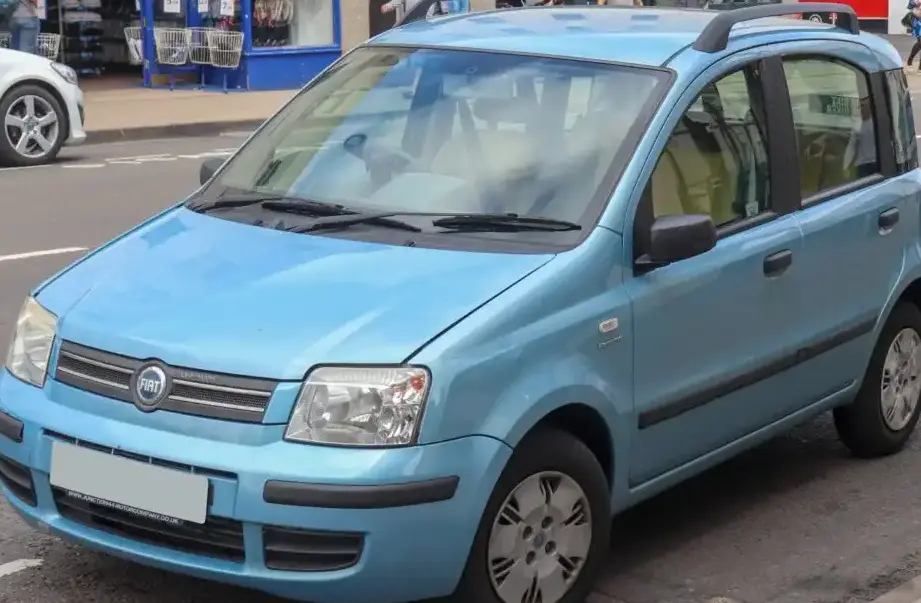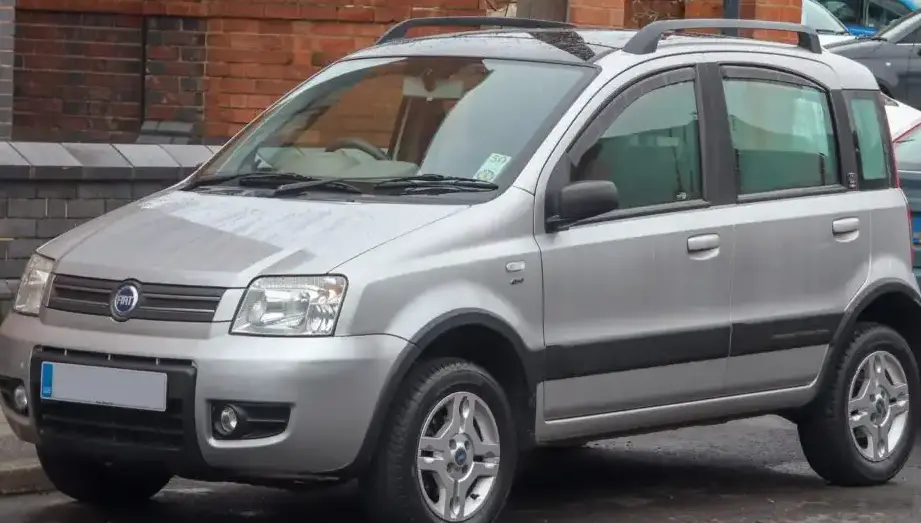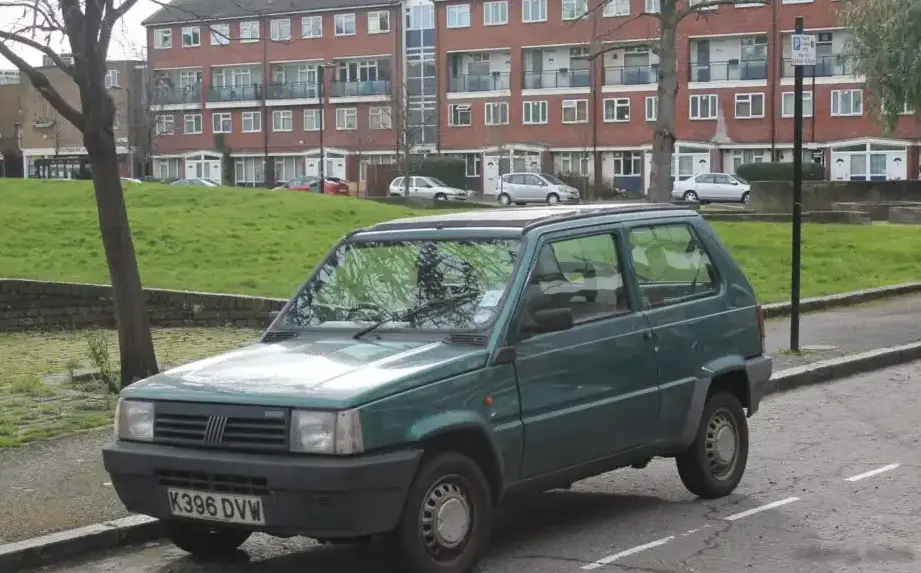
The Fiat Panda 1.1 ie 4×4, produced between January 1995 and December 1996, represents a unique and capable variant within the second generation (ZAF 141, facelift 1991) of Fiat’s iconic city car. This model, distinguished by its all-wheel drive system and 55 horsepower engine, offered a surprising level of versatility for its diminutive size and price point. It occupied a niche position in the Panda lineup, appealing to buyers in regions with challenging weather conditions or those seeking a small, rugged vehicle for occasional off-road use. The 1.1 ie 4×4 was a relatively short-lived model, but it remains a fondly remembered example of Fiat’s ingenuity and commitment to providing affordable transportation.
Technical Specifications
| Brand | Fiat |
| Model | Panda |
| Generation | Panda (ZAF 141, facelift 1991) |
| Type (Engine) | 1.1 ie 4×4 (55 Hp) |
| Start of production | January, 1995 |
| End of production | December, 1996 |
| Powertrain Architecture | Internal Combustion engine |
| Body type | Hatchback |
| Seats | 5 |
| Doors | 3 |
| Fuel consumption (combined) | 7.9 l/100 km (29.8 US mpg, 35.8 UK mpg, 12.7 km/l) |
| Fuel Type | Petrol (Gasoline) |
| Acceleration 0 – 100 km/h | 19 sec |
| Acceleration 0 – 62 mph | 19 sec |
| Acceleration 0 – 60 mph | 18.1 sec |
| Maximum speed | 130 km/h (80.78 mph) |
| Weight-to-power ratio | 14.8 kg/Hp (67.5 Hp/tonne) |
| Weight-to-torque ratio | 9.3 kg/Nm (107.5 Nm/tonne) |
| Power | 54 Hp @ 5500 rpm |
| Power per litre | 48.7 Hp/l |
| Torque | 86 Nm @ 3250 rpm (63.43 lb.-ft. @ 3250 rpm) |
| Engine layout | Front, Transverse |
| Engine Model/Code | 176 B2.000 |
| Engine displacement | 1108 cm3 (67.61 cu. in.) |
| Number of cylinders | 4 |
| Engine configuration | Inline |
| Cylinder Bore | 70 mm (2.76 in.) |
| Piston Stroke | 72 mm (2.83 in.) |
| Compression ratio | 9.6:1 |
| Number of valves per cylinder | 2 |
| Fuel injection system | Single-point injection |
| Engine aspiration | Naturally aspirated engine |
| Valvetrain | OHC |
| Engine oil capacity | 3.8 l (4.02 US qt | 3.34 UK qt) |
| Coolant | 5 l (5.28 US qt | 4.4 UK qt) |
| Kerb Weight | 800 kg (1763.7 lbs.) |
| Max. weight | 1220 kg (2689.64 lbs.) |
| Max load | 420 kg (925.94 lbs.) |
| Trunk (boot) space – maximum | 204 l (7.2 cu. ft.) |
| Fuel tank capacity | 30 l (7.93 US gal | 6.6 UK gal) |
| Length | 3410 mm (134.25 in.) |
| Width | 1500 mm (59.06 in.) |
| Height | 1470 mm (57.87 in.) |
| Wheelbase | 2170 mm (85.43 in.) |
| Front track | 1265 mm (49.8 in.) |
| Rear (Back) track | 1265 mm (49.8 in.) |
| Minimum turning circle | 9.4 m (30.84 ft.) |
| Drive wheel | All wheel drive (4×4) |
| Number of gears and type of gearbox | 5 gears, manual transmission |
| Front suspension | Coil spring |
| Rear suspension | Coil spring |
| Front brakes | Disc |
| Rear brakes | Drum |
| Assisting systems | ABS (Anti-lock braking system) |
| Tires size | 145/70 R13 |
Powertrain & Engine Architecture
The heart of the Panda 1.1 ie 4×4 is the Fiat 176 B2.000 engine, a 1108cc inline-four cylinder unit. This engine, while modest in its output, was a significant upgrade over the earlier carbureted versions. It featured single-point fuel injection, contributing to improved fuel efficiency and smoother operation. The engine’s overhead camshaft (OHC) valvetrain operated two valves per cylinder. The 54 horsepower peak was reached at 5500 rpm, while torque of 86 Nm (63.43 lb-ft) was available at 3250 rpm. The engine’s relatively high compression ratio of 9.6:1 helped extract maximum power from its small displacement. The transmission was a standard five-speed manual, chosen for its robustness and suitability for the 4×4 system. The 4×4 system itself was a simple, part-time setup, engaging the rear wheels when needed via a lever inside the cabin.
Driving Characteristics
The Panda 1.1 ie 4×4’s driving experience was defined by its practicality and surprising capability. Acceleration was leisurely, taking approximately 19 seconds to reach 62 mph. However, the all-wheel drive system provided significantly improved traction, particularly on slippery surfaces. The gear ratios were tuned for economy and usability rather than outright performance. The 4×4 system added weight, impacting handling somewhat, but also instilled confidence in challenging conditions. Compared to the standard front-wheel drive Panda 1.1, the 4×4 offered a noticeable improvement in stability and grip, making it a more versatile vehicle for rural areas or inclement weather. It wasn’t a sports car by any means, but it was a surprisingly capable little runabout.
Equipment & Trim Levels
The Panda 1.1 ie 4×4 was generally equipped with a basic, but functional level of trim. Standard features included cloth upholstery, a simple dashboard layout, and manual windows and door locks. The interior was designed for durability and ease of cleaning, reflecting the Panda’s utilitarian ethos. Optional extras were limited, but could include upgraded seat fabrics and a basic radio. The focus was on providing a no-frills, affordable vehicle that prioritized functionality over luxury. The interior space, while compact, was maximized through clever packaging, offering reasonable room for four adults.
Chassis & Braking
The Panda 1.1 ie 4×4 utilized a simple, yet effective chassis design. Front suspension consisted of coil springs, while the rear also employed coil springs. The front brakes were discs, providing adequate stopping power, while the rear brakes were drums, a cost-saving measure common in this class of vehicle. The addition of ABS (Anti-lock Braking System) was a welcome safety feature, enhancing braking performance in emergency situations. The relatively lightweight construction of the Panda helped to offset the added weight of the 4×4 system, contributing to reasonable handling characteristics. Stabilizer bars were not typically fitted to this model, further emphasizing its focus on affordability and simplicity.
Market Reception & Comparison
The Panda 1.1 ie 4×4 was generally well-received by critics as a surprisingly capable and affordable all-wheel drive vehicle. It was praised for its practicality, fuel efficiency, and ability to tackle challenging terrain. Compared to other trims in the Panda lineup, the 4×4 offered a significant advantage in terms of traction and stability, but at the expense of slightly reduced fuel economy and performance. It was a niche product, appealing to a specific segment of buyers who needed the added capability of all-wheel drive. Its fuel economy of 7.9 l/100km was respectable for a 4×4 vehicle of its era.
Legacy
The Fiat Panda 1.1 ie 4×4 has developed a cult following among enthusiasts, particularly those who appreciate its simplicity, ruggedness, and affordability. The 176 B2.000 engine, while not known for its longevity, is relatively straightforward to maintain and repair. Today, well-maintained examples are becoming increasingly sought after by collectors and those looking for a unique and characterful classic car. The Panda 1.1 ie 4×4 stands as a testament to Fiat’s ability to create innovative and practical vehicles that punch above their weight class. Its enduring appeal lies in its honest design, its surprising capability, and its ability to evoke a sense of nostalgia for a simpler era of motoring.