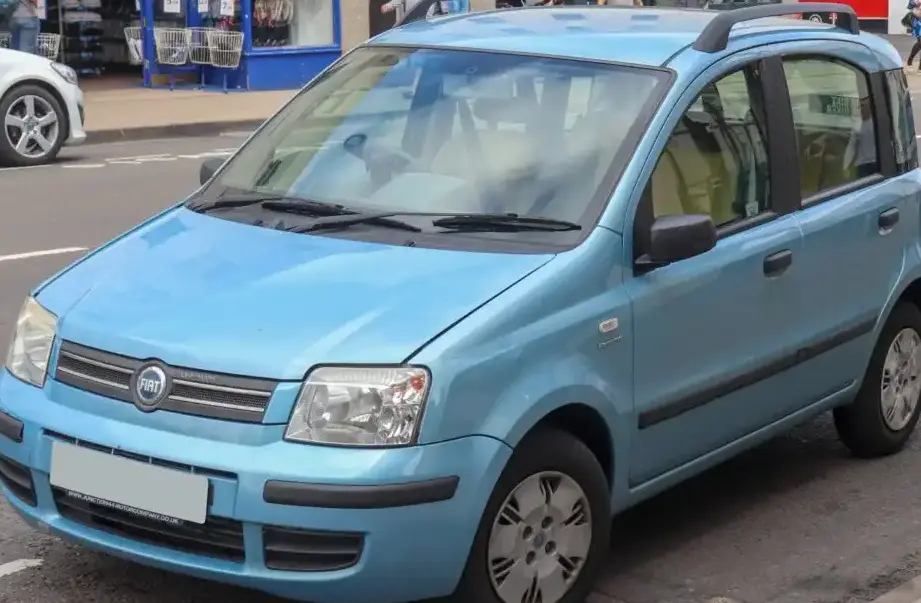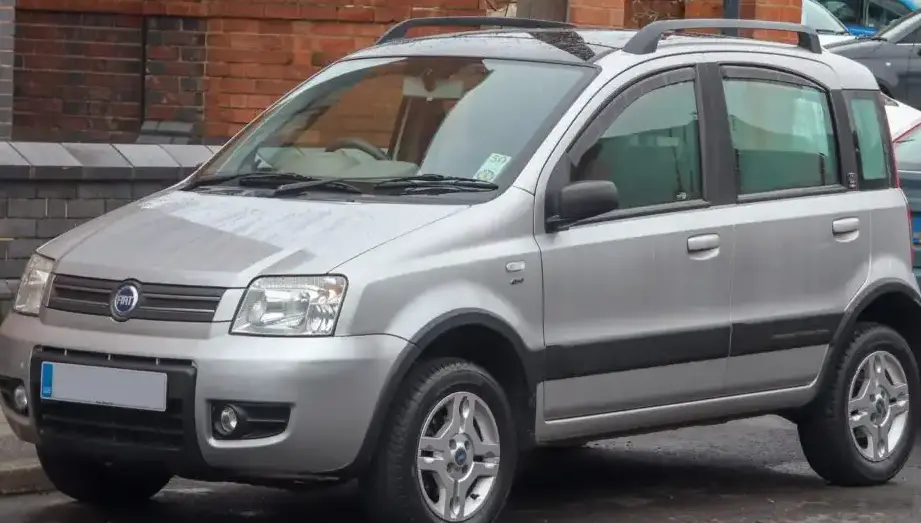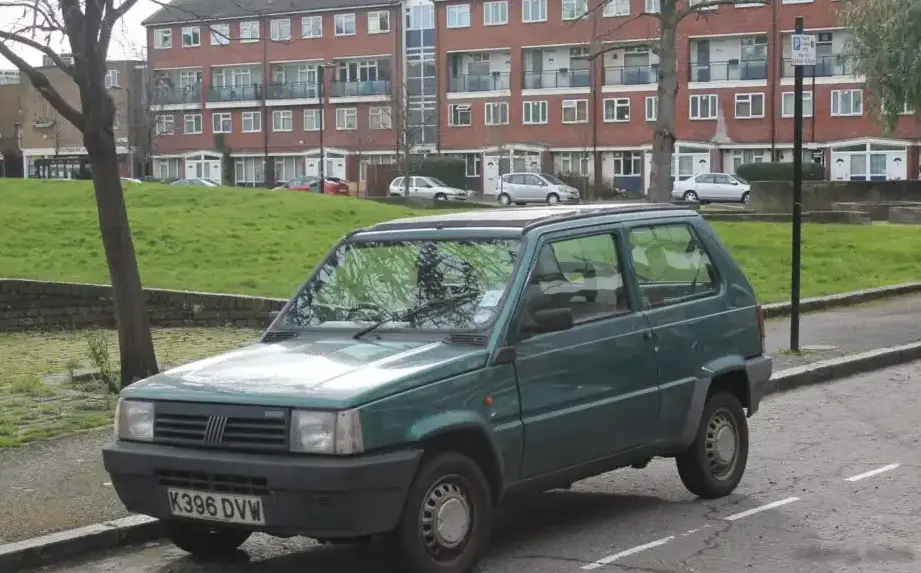
The Fiat Panda 1000 ie 4×4, produced from June 1992 to March 1995, represents a unique and capable variant within the second generation (ZAF 141, facelifted in 1991) of Fiat’s iconic city car. This model combined the practicality and affordability of the Panda with a surprisingly robust four-wheel-drive system, making it a popular choice in regions with challenging weather conditions or rough terrain. Positioned as a more adventurous and versatile option within the Panda lineup, it catered to buyers seeking a small, economical vehicle capable of tackling more than just urban streets. The 1000 ie 4×4 was a relatively late addition to the ZAF 141 series, capitalizing on the growing demand for all-wheel-drive vehicles, even in the microcar segment.
Technical Specifications
| Brand | Fiat |
| Model | Panda |
| Generation | Panda (ZAF 141, facelift 1991) |
| Type (Engine) | 1000 ie 4×4 (50 Hp) |
| Start of production | June, 1992 |
| End of production | March, 1995 |
| Powertrain Architecture | Internal Combustion engine |
| Body type | Hatchback |
| Seats | 5 |
| Doors | 3 |
| Fuel Type | Petrol (Gasoline) |
| Power | 50 Hp |
| Engine Model/Code | 156 A3.000 |
| Engine aspiration | Naturally aspirated engine |
| Engine oil capacity | 3.8 l / 4.02 US qt | 3.34 UK qt |
Powertrain & Engine Architecture
The heart of the Panda 1000 ie 4×4 is the 156 A3.000 engine, a 999 cc inline-four cylinder petrol engine. This engine, while modest in its output, was known for its simplicity and reliability. It featured a single overhead camshaft (SOHC) valvetrain operating two valves per cylinder. Fuel delivery was managed by a Bosch Mono-Jetronic single-point fuel injection system, a relatively basic setup for the early 1990s but sufficient for the engine’s modest power requirements. The engine’s design prioritized fuel efficiency and low-end torque over outright horsepower. The 50 hp peak power output was achieved at 5500 rpm, while torque peaked at 73 Nm (54 lb-ft) at 3000 rpm. The engine was mated to a four-speed manual transmission, which was the only transmission option available for the 4×4 variant. The four-wheel-drive system itself was a part-time system, engaging the front wheels under normal driving conditions and automatically engaging the rear wheels when traction was lost. This system utilized a viscous coupling to distribute torque between the axles.
Driving Characteristics
The Panda 1000 ie 4×4’s driving experience was defined by its practicality and surefootedness rather than performance. With only 50 horsepower propelling a vehicle equipped with a four-wheel-drive system, acceleration was leisurely. The four-speed gearbox required frequent shifting to maintain momentum, especially when climbing hills or carrying a load. However, the engine’s low-end torque and the added traction of the 4×4 system made it surprisingly capable on loose surfaces such as gravel, snow, and mud. The steering was light and direct, making it easy to maneuver in tight spaces. The suspension, while basic, provided a reasonably comfortable ride on paved roads, absorbing bumps and imperfections without excessive harshness. Compared to the standard front-wheel-drive Panda 1000 ie, the 4×4 variant felt more stable and planted, particularly in adverse weather conditions. It wasn’t a sports car by any means, but it offered a level of confidence and versatility that the standard Panda simply couldn’t match.
Equipment & Trim Levels
The Panda 1000 ie 4×4 was relatively sparsely equipped, reflecting its budget-friendly positioning. Standard features typically included basic steel wheels, black plastic bumpers, and cloth upholstery. The interior was functional and utilitarian, with a simple dashboard layout and minimal trim. Power steering and central locking were not typically standard features, although they may have been available as optional extras in some markets. The seats were typically flat and offered limited support, but were durable and easy to clean. The rear seats could be folded down to increase cargo space, adding to the Panda’s practicality. Optional extras included a sunroof, upgraded upholstery, and a basic radio. The overall focus was on providing a reliable and affordable vehicle with essential features, rather than luxury or sophistication.
Chassis & Braking
The Panda 1000 ie 4×4 utilized a simple but effective chassis design. It featured a front MacPherson strut suspension and a rear trailing arm suspension. The suspension was tuned for comfort and durability, rather than sporty handling. The braking system consisted of front disc brakes and rear drum brakes. The brakes were adequate for the vehicle’s weight and performance, but lacked the stopping power of more modern systems. The 4×4 variant featured a slightly reinforced chassis compared to the standard Panda to accommodate the added stresses of the four-wheel-drive system. The tires were typically narrow and high-profile, providing good grip on a variety of surfaces. Stabilizer bars were not typically fitted to the Panda 1000 ie 4×4, contributing to its relatively soft ride.
Market Reception & Comparison
The Panda 1000 ie 4×4 was generally well-received by critics and buyers alike. It was praised for its affordability, practicality, and surprising off-road capability. It filled a niche in the market for a small, economical vehicle that could handle challenging conditions. Compared to other small cars of the time, the Panda 4×4 offered a unique combination of features and benefits. It was more capable than most front-wheel-drive hatchbacks in snow and mud, but less expensive and more fuel-efficient than larger, more traditional four-wheel-drive vehicles. Fuel economy was respectable for a four-wheel-drive vehicle, averaging around 45-50 mpg. Reliability was generally good, although the simple engine and drivetrain were prone to wear and tear if not properly maintained. The Panda 4×4 was often compared to the Suzuki Jimny, another small, affordable four-wheel-drive vehicle, but the Panda offered a more comfortable ride and a more practical interior.
Legacy
The Fiat Panda 1000 ie 4×4 has become a cult classic among car enthusiasts, particularly those who appreciate its simplicity, reliability, and off-road capability. Today, well-maintained examples are sought after by collectors and enthusiasts. The powertrain, while not particularly powerful, is known for its durability and ease of maintenance. Common issues include rust, particularly in areas exposed to salt, and wear and tear on the four-wheel-drive system. However, spare parts are still relatively easy to find, and the engine is straightforward to repair. The Panda 1000 ie 4×4 remains a testament to Fiat’s ability to create affordable, practical, and surprisingly capable vehicles. It represents a unique chapter in the history of the Panda, and a reminder that even small cars can be capable of great things.