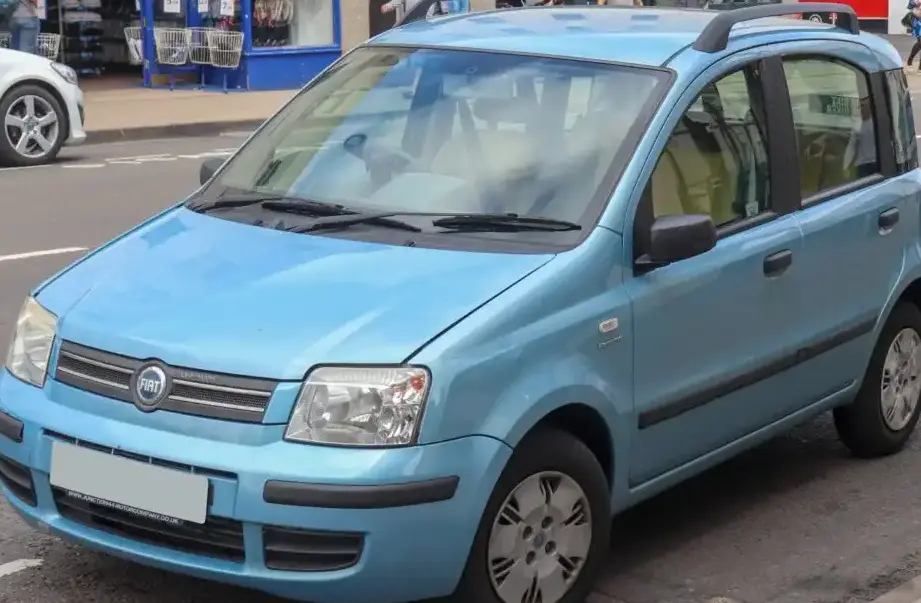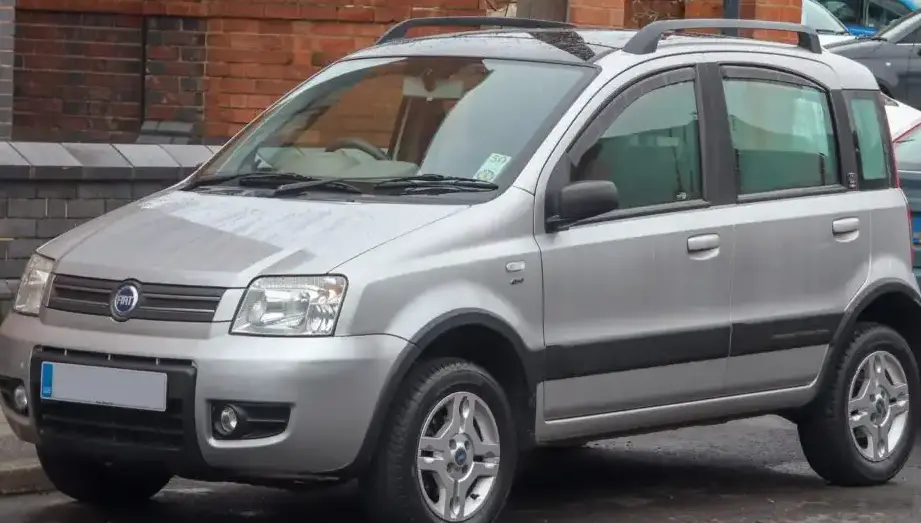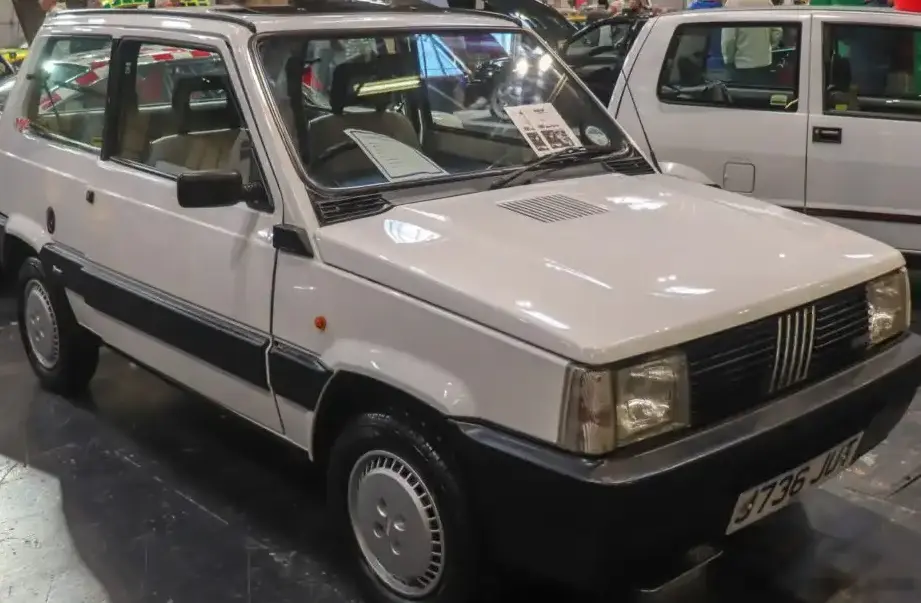
The Fiat Panda 1000 ie CAT 4×4, produced from May 1990 to July 1991, represents a unique and relatively rare variant within the second generation (ZAF 141, facelifted in 1986) of the iconic Fiat Panda. This model combined the practicality and affordability of the Panda with the added capability of a four-wheel drive system, appealing to buyers in regions with challenging road conditions or those seeking a more versatile small car. Positioned as a niche offering within the Panda lineup, it sat above the standard front-wheel drive models and offered a distinct alternative to the more basic trims. The “CAT” designation refers to the catalytic converter fitted to meet increasingly stringent emissions regulations in several European markets.
Technical Specifications
| Brand | Fiat |
| Model | Panda |
| Generation | Panda (ZAF 141, facelift 1986) |
| Type (Engine) | 1000 ie CAT 4×4 (50 Hp) |
| Start of production | May, 1990 |
| End of production | July, 1991 |
| Powertrain Architecture | Internal Combustion engine |
| Body type | Hatchback |
| Seats | 5 |
| Doors | 3 |
| Fuel consumption (urban) | 7 l/100 km (33.6 US mpg, 40.4 UK mpg, 14.3 km/l) |
| Fuel consumption (extra urban) | 6.1 l/100 km (38.6 US mpg, 46.3 UK mpg, 16.4 km/l) |
| Fuel Type | Petrol (Gasoline) |
| Acceleration 0 – 100 km/h | 17.5 sec |
| Acceleration 0 – 62 mph | 17.5 sec |
| Acceleration 0 – 60 mph | 16.6 sec |
| Maximum speed | 130 km/h (80.78 mph) |
| Weight-to-power ratio | 15.8 kg/Hp, 63.2 Hp/tonne |
| Weight-to-torque ratio | 10.1 kg/Nm, 98.6 Nm/tonne |
| Power | 50 Hp @ 5500 rpm |
| Power per litre | 50.1 Hp/l |
| Torque | 78 Nm @ 3000 rpm (57.53 lb.-ft. @ 3000 rpm) |
| Engine layout | Front, Transverse |
| Engine Model/Code | 156 A3.000 |
| Engine displacement | 999 cm3 (60.96 cu. in.) |
| Number of cylinders | 4 |
| Engine configuration | Inline |
| Cylinder Bore | 70 mm (2.76 in.) |
| Piston Stroke | 64.9 mm (2.56 in.) |
| Compression ratio | 9.8:1 |
| Number of valves per cylinder | 2 |
| Fuel injection system | Carburettor |
| Engine aspiration | Naturally aspirated engine |
| Valvetrain | OHV |
| Engine oil capacity | 3.8 l (4.02 US qt | 3.34 UK qt) |
| Kerb Weight | 791 kg (1743.86 lbs.) |
| Max. weight | 1150 kg (2535.32 lbs.) |
| Max load | 359 kg (791.46 lbs.) |
| Trunk (boot) space – minimum | 272 l (9.61 cu. ft.) |
| Trunk (boot) space – maximum | 1088 l (38.42 cu. ft.) |
| Fuel tank capacity | 35 l (9.25 US gal | 7.7 UK gal) |
| Length | 3410 mm (134.25 in.) |
| Width | 1500 mm (59.06 in.) |
| Height | 1470 mm (57.87 in.) |
| Wheelbase | 2170 mm (85.43 in.) |
| Drivetrain Architecture | The Internal combustion engine (ICE) drives permanently the four wheels of the vehicle. |
| Drive wheel | All wheel drive (4×4) |
| Number of gears and type of gearbox | 5 gears, manual transmission |
| Front suspension | Independent type McPherson |
| Rear suspension | Rigid axle suspension |
| Front brakes | Disc |
| Rear brakes | Drum |
| Assisting systems | ABS (Anti-lock braking system) |
| Steering type | Steering rack and pinion |
Powertrain & Engine Architecture
The Panda 1000 ie CAT 4×4 was powered by the Fiat 156 A3.000 engine, a 999cc inline-four cylinder unit. This engine, while modest in displacement, was a mainstay of the Fiat range during the 1980s and 90s. It featured a single overhead valve (OHV) valvetrain and utilized a carburetor for fuel delivery, a relatively simple system for the time. The “ie” designation indicates electronic ignition. The catalytic converter, denoted by “CAT”, was a crucial addition for meeting emissions standards in many European countries. The engine produced 50 horsepower at 5500 rpm and 78 Nm (57.53 lb-ft) of torque at 3000 rpm. The power was transmitted to all four wheels through a five-speed manual transmission, a necessary component for managing the increased traction provided by the 4×4 system. The 4×4 system itself was a relatively simple part-time system, likely engaging the rear wheels via a viscous coupling.
Driving Characteristics
The 1000 ie CAT 4×4 was never intended to be a performance car. With only 50 horsepower propelling nearly 800 kg, acceleration was leisurely, taking around 17.5 seconds to reach 62 mph. However, the four-wheel drive system significantly enhanced traction, particularly on slippery surfaces like snow, gravel, or muddy roads. The gear ratios were optimized for usability rather than outright speed, providing adequate pulling power for everyday driving. Compared to the standard front-wheel drive Panda 1000, the 4×4 offered a more secure and confident driving experience in challenging conditions, but at the expense of slightly increased fuel consumption and a marginally heavier feel.
Equipment & Trim Levels
The Panda 1000 ie CAT 4×4 was generally equipped with a fairly basic level of trim, reflecting the Panda’s ethos of affordability. Standard features typically included cloth upholstery, a simple dashboard layout, and basic instrumentation. The inclusion of ABS (Anti-lock braking system) was a notable safety feature for a car in this segment. Optional extras were limited, but could include upgraded seat fabrics or a basic radio. The interior was functional and durable, prioritizing practicality over luxury.
Chassis & Braking
The Panda’s chassis was a simple but effective design. The front suspension utilized an independent McPherson strut setup, while the rear employed a rigid axle. This configuration provided a reasonable balance between ride comfort and handling. The 4×4 variant featured a reinforced chassis to cope with the stresses of the four-wheel drive system. Braking was provided by disc brakes at the front and drum brakes at the rear. The ABS system helped to improve braking performance and stability, particularly on slippery surfaces.
Market Reception & Comparison
The Panda 1000 ie CAT 4×4 was well-received in markets where all-wheel drive was valued, such as mountainous regions or areas with harsh winters. Critics praised its affordability and practicality, as well as its enhanced traction. Compared to other Panda trims, the 4×4 offered a unique capability, but at a higher price point. Fuel economy was slightly lower than the front-wheel drive models due to the added weight and drivetrain complexity. Reliability was generally good, although the carburetor required periodic maintenance. It was a direct competitor to other small, affordable 4×4 vehicles available in Europe at the time, though few offered the same level of simplicity and affordability.
Legacy
The Fiat Panda 1000 ie CAT 4×4 remains a sought-after model among Panda enthusiasts today. Its rarity and unique combination of features make it a collectible vehicle. The 156 A3.000 engine, while not known for its power, is relatively simple to maintain and repair. The four-wheel drive system, if properly maintained, is generally reliable. The Panda 1000 ie CAT 4×4 represents a charming and practical example of Italian automotive engineering, and a testament to the enduring appeal of the Fiat Panda.