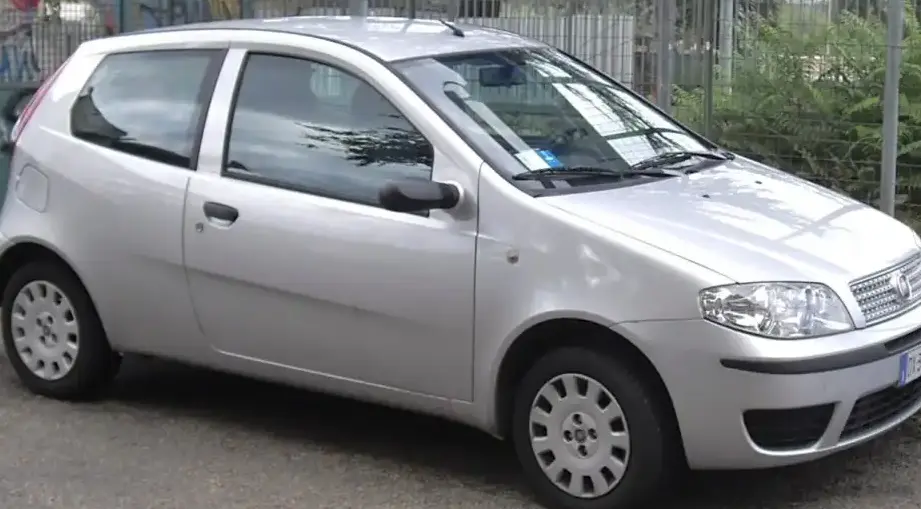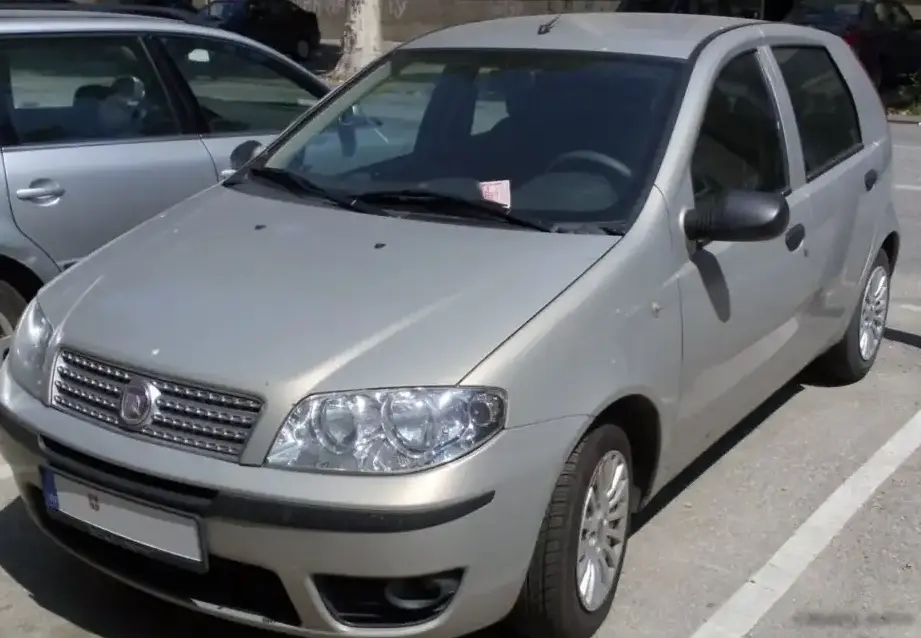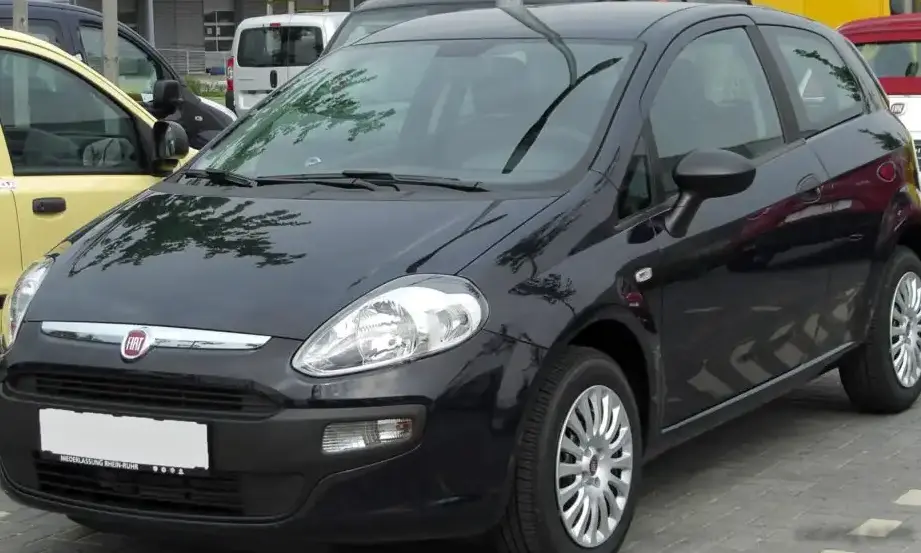
The Fiat Punto Evo 1.4 16V T-jet MultiAir (135 Hp) Start&Stop, produced from 2010 to 2011, represented a significant evolution of Fiat’s popular supermini. Part of the 199 series, the Evo aimed to modernize the Punto range with updated styling, improved interior quality, and more efficient engine options. This particular variant, equipped with the 1.4-liter turbocharged MultiAir engine and a five-speed manual transmission, occupied a mid-range position within the Punto Evo lineup, offering a balance between performance, fuel economy, and price. It was primarily marketed in Europe, where the Punto competed with rivals like the Renault Clio, Peugeot 207, and Volkswagen Polo.
Technical Specifications
| Brand | Fiat |
| Model | Punto |
| Generation | Punto Evo (199) |
| Type (Engine) | 1.4 16V T-jet MultiAir (135 Hp) Start&Stop |
| Start of production | 2010 |
| End of production | 2011 |
| Powertrain Architecture | Internal Combustion engine |
| Body type | Hatchback |
| Seats | 5 |
| Doors | 3-5 |
| Fuel consumption (urban) | 7.3 l/100 km (32.2 US mpg, 38.7 UK mpg, 13.7 km/l) |
| Fuel consumption (extra urban) | 4.6 l/100 km (51.1 US mpg, 61.4 UK mpg, 21.7 km/l) |
| Fuel consumption (combined) | 5.6 l/100 km (42 US mpg, 50.4 UK mpg, 17.9 km/l) |
| Fuel Type | Petrol (Gasoline) |
| Acceleration 0 – 100 km/h | 8.5 sec |
| Acceleration 0 – 62 mph | 8.5 sec |
| Acceleration 0 – 60 mph | 8.1 sec |
| Maximum speed | 200 km/h (124.27 mph) |
| Emission standard | Euro 5 |
| Weight-to-power ratio | 8.7 kg/Hp, 115.4 Hp/tonne |
| Weight-to-torque ratio | 5.7 kg/Nm, 176.1 Nm/tonne |
| Power | 135 Hp @ 5000 rpm |
| Power per litre | 98.7 Hp/l |
| Torque | 206 Nm @ 1750 rpm (151.94 lb.-ft. @ 1750 rpm) |
| Engine layout | Front, Transverse |
| Engine Model/Code | 955A2000 |
| Engine displacement | 1368 cm3 (83.48 cu. in.) |
| Number of cylinders | 4 |
| Engine configuration | Inline |
| Cylinder Bore | 72 mm (2.83 in.) |
| Piston Stroke | 84 mm (3.31 in.) |
| Compression ratio | 9.8:1 |
| Number of valves per cylinder | 4 |
| Fuel injection system | Multi-port manifold injection |
| Engine aspiration | Turbocharger, Intercooler |
| Valvetrain | SOHC |
| Engine oil capacity | 3.5 l (3.7 US qt | 3.08 UK qt) |
| Coolant | 6 l (6.34 US qt | 5.28 UK qt) |
| Kerb Weight | 1170 kg (2579.41 lbs.) |
| Max. weight | 1730 kg (3814 lbs.) |
| Max load | 560 kg (1234.59 lbs.) |
| Trunk (boot) space – minimum | 275 l (9.71 cu. ft.) |
| Trunk (boot) space – maximum | 1030 l (36.37 cu. ft.) |
| Fuel tank capacity | 45 l (11.89 US gal | 9.9 UK gal) |
| Permitted trailer load with brakes (12%) | 1000 kg (2204.62 lbs.) |
| Permitted trailer load without brakes | 400 kg (881.85 lbs.) |
| Length | 4065 mm (160.04 in.) |
| Width | 1687 mm (66.42 in.) |
| Height | 1490 mm (58.66 in.) |
| Wheelbase | 2510 mm (98.82 in.) |
| Front track | 1473 mm (57.99 in.) |
| Rear (Back) track | 1466 mm (57.72 in.) |
| Drag coefficient (Cd) | 0.34 |
| Minimum turning circle | 10.9 m (35.76 ft.) |
| Drivetrain Architecture | Front wheel drive |
| Number of gears and type of gearbox | 5 gears, manual transmission |
| Front suspension | Independent, type McPherson with coil spring and anti-roll bar |
| Rear suspension | Semi-independent, coil spring |
| Front brakes | Ventilated discs |
| Rear brakes | Disc |
| Assisting systems | ABS (Anti-lock braking system) |
| Steering type | Steering rack and pinion |
| Power steering | Electric Steering |
| Tires size | 185/65 R15; 195/55 R16; 205/45/ R17 |
| Wheel rims size | 15; 16; 17 |
Powertrain & Engine Architecture
The heart of the Punto Evo 1.4 16V T-jet MultiAir is the 955A2000 engine, a 1368cc inline-four cylinder gasoline engine. This engine is notable for its incorporation of Fiat’s MultiAir technology, a fully variable valve actuation system. MultiAir eliminates the traditional camshaft and instead uses hydraulic actuators to control valve opening and closing. This allows for precise control of intake valve timing and lift, optimizing combustion efficiency and reducing emissions. The engine also features a turbocharger with an intercooler, boosting power output to 135 horsepower at 5000 rpm and 206 Nm (152 lb-ft) of torque at 1750 rpm. Fuel is delivered via multi-point fuel injection. The five-speed manual transmission was the standard offering for this variant, providing a direct connection between the engine and the front wheels.
Driving Characteristics
The 1.4 T-jet MultiAir offered a noticeable step up in performance compared to lower-powered Punto Evo models. Acceleration from 0 to 62 mph (0-100 km/h) took approximately 8.5 seconds, making it a reasonably quick performer in its class. The turbocharger provided a good surge of power in the mid-range, making overtaking maneuvers relatively effortless. The five-speed gearbox was well-matched to the engine’s characteristics, although some reviewers noted that the shift action could feel slightly notchy. Compared to the more economical diesel variants, the 1.4 T-jet offered a more engaging driving experience, but at the cost of slightly higher fuel consumption. The relatively light weight of the Punto Evo (around 1170 kg) helped to mitigate the impact of the engine’s modest power output.
Equipment & Trim Levels
The 1.4 16V T-jet MultiAir typically came equipped with a reasonable level of standard equipment. This included air conditioning, power steering, electric front windows, a radio with CD player, and ABS brakes. Higher trim levels, such as the Dynamic and Sport, added features like alloy wheels, fog lights, a leather-wrapped steering wheel, and upgraded interior trim. Optional extras included a sunroof, parking sensors, and a more advanced audio system. Interior upholstery was typically cloth, with a focus on durability and practicality. The dashboard layout was modern for its time, with a clear instrument cluster and logically arranged controls.
Chassis & Braking
The Punto Evo utilized a McPherson strut front suspension and a semi-independent torsion beam rear suspension. This setup provided a good balance between ride comfort and handling. The front brakes were ventilated discs, while the rear brakes were solid discs, providing adequate stopping power for the vehicle’s weight and performance. Electric power steering was standard, offering light and precise steering feel. Stabilizer bars were fitted to both the front and rear axles to reduce body roll during cornering.
Market Reception & Comparison
The Punto Evo 1.4 T-jet MultiAir was generally well-received by automotive critics. It was praised for its lively performance, fuel efficiency, and innovative MultiAir technology. However, some reviewers criticized the interior quality and the slightly notchy gearshift. Compared to the 1.2-liter naturally aspirated engine, the 1.4 T-jet offered a significant performance boost. Against the diesel variants, it provided a more engaging driving experience but with higher fuel consumption. The Punto Evo’s pricing was competitive within the supermini segment.
Legacy
The 1.4 T-jet MultiAir engine proved to be a relatively reliable unit, although the MultiAir system itself has been known to require occasional maintenance, particularly regarding solenoid valve replacements. In the used car market, the Punto Evo 1.4 T-jet MultiAir represents a good value proposition for buyers seeking a stylish, economical, and reasonably powerful supermini. Its innovative engine technology and engaging driving dynamics continue to appeal to enthusiasts. However, potential buyers should be aware of the potential maintenance requirements of the MultiAir system and ensure that the vehicle has been properly serviced.