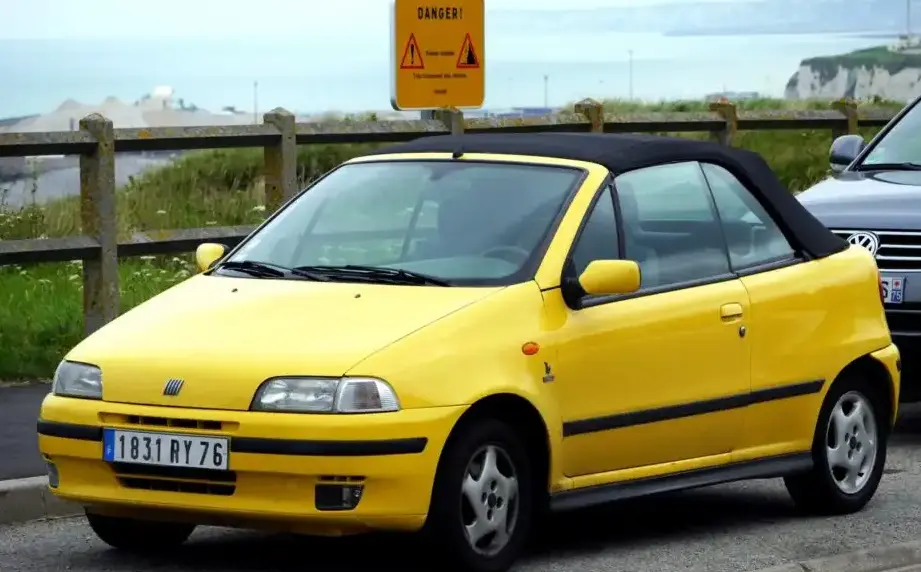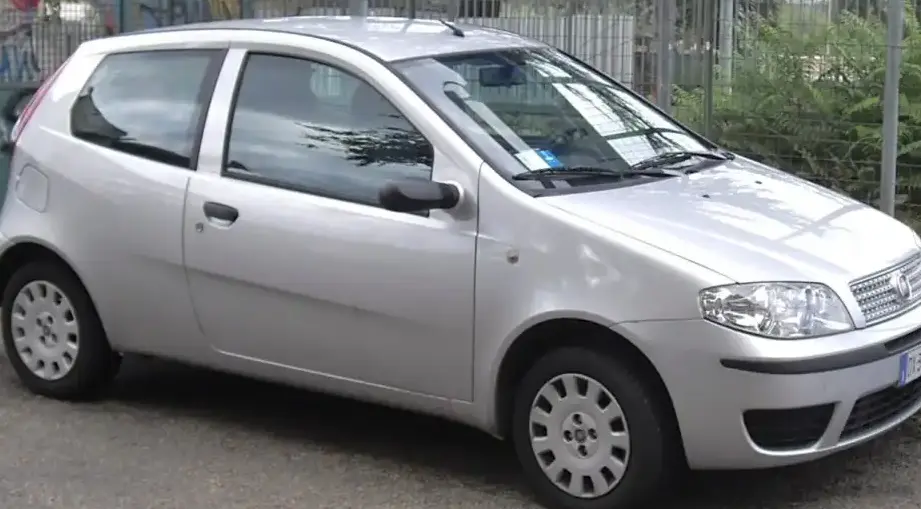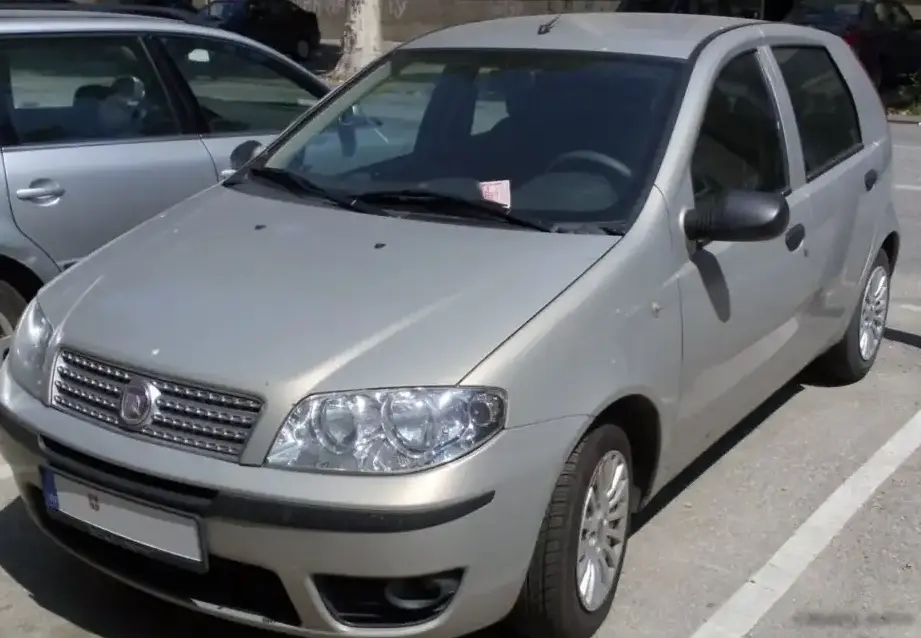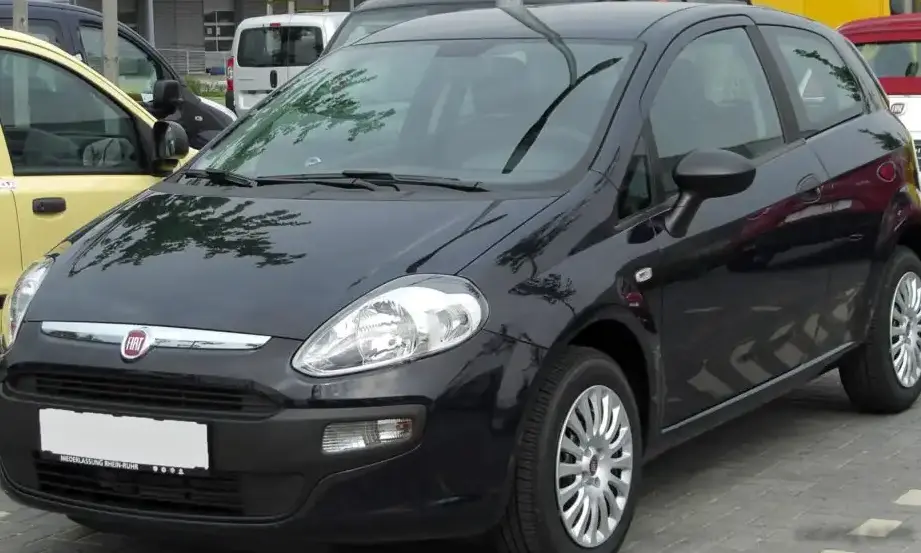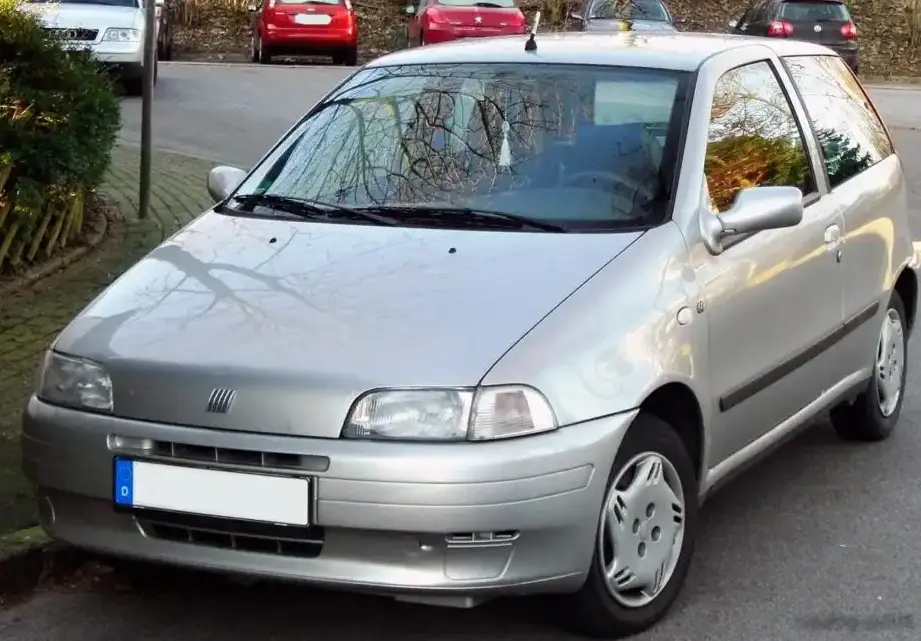
The Fiat Punto I GT 1.4 Turbo, produced between 1997 and 1999, represented the performance variant of the facelifted first-generation Punto (Project 176). Positioned as the sporty offering within the Punto range, it aimed to provide an accessible hot hatch experience. This model year saw a refresh of the original Punto launched in 1993, with styling updates and, crucially, the introduction of the 131 horsepower 1.4-liter turbocharged engine. The GT was a three-door hatchback, targeting younger drivers seeking a fun-to-drive and relatively affordable vehicle. It played a significant role in establishing the Punto as a popular choice in the European small car segment.
Technical Specifications
| Brand | Fiat |
| Model | Punto |
| Generation | Punto I (176, facelift 1997) |
| Type (Engine) | GT 1.4 Turbo (131 Hp) |
| Start of production | 1997 |
| End of production | 1999 |
| Powertrain Architecture | Internal Combustion engine |
| Body type | Hatchback |
| Seats | 5 |
| Doors | 3 |
| Fuel consumption (urban) | 11.7 l/100 km (20.1 US mpg, 24.1 UK mpg, 8.5 km/l) |
| Fuel consumption (extra urban) | 6.4 l/100 km (36.8 US mpg, 44.1 UK mpg, 15.6 km/l) |
| Fuel consumption (combined) | 8.4 l/100 km (28 US mpg, 33.6 UK mpg, 11.9 km/l) |
| Fuel Type | Petrol (Gasoline) |
| Acceleration 0 – 100 km/h | 7.9 sec |
| Acceleration 0 – 62 mph | 7.9 sec |
| Acceleration 0 – 60 mph | 7.5 sec |
| Maximum speed | 200 km/h (124.27 mph) |
| Weight-to-power ratio | 7.6 kg/Hp, 131 Hp/tonne |
| Weight-to-torque ratio | 5 kg/Nm, 200 Nm/tonne |
| Power | 131 Hp @ 5600 rpm |
| Power per litre | 95.5 Hp/l |
| Torque | 200 Nm @ 3000 rpm (147.51 lb.-ft. @ 3000 rpm) |
| Engine layout | Front, Transverse |
| Engine Model/Code | 176 B6.000 |
| Engine displacement | 1372 cm3 (83.72 cu. in.) |
| Number of cylinders | 4 |
| Engine configuration | Inline |
| Cylinder Bore | 80.5 mm (3.17 in.) |
| Piston Stroke | 67.4 mm (2.65 in.) |
| Compression ratio | 7.8:1 |
| Number of valves per cylinder | 2 |
| Fuel injection system | Multi-port manifold injection |
| Engine aspiration | Turbocharger |
| Valvetrain | OHC |
| Engine oil capacity | 4 l (4.23 US qt | 3.52 UK qt) |
| Coolant | 6 l (6.34 US qt | 5.28 UK qt) |
| Kerb Weight | 1000 kg (2204.62 lbs.) |
| Max. weight | 1450 kg (3196.7 lbs.) |
| Max load | 450 kg (992.08 lbs.) |
| Trunk (boot) space – minimum | 275 l (9.71 cu. ft.) |
| Trunk (boot) space – maximum | 1080 l (38.14 cu. ft.) |
| Fuel tank capacity | 47 l (12.42 US gal | 10.34 UK gal) |
| Length | 3770 mm (148.43 in.) |
| Width | 1625 mm (63.98 in.) |
| Height | 1440 mm (56.69 in.) |
| Wheelbase | 2450 mm (96.46 in.) |
| Front track | 1369 mm (53.9 in.) |
| Rear (Back) track | 1352 mm (53.23 in.) |
| Drag coefficient (Cd) | 0.31 |
| Minimum turning circle | 10.2 m (33.46 ft.) |
| Drivetrain Architecture | Front wheel drive |
| Number of gears and type of gearbox | 5 gears, manual transmission |
| Front suspension | Wishbone |
| Rear suspension | Trailing arm |
| Front brakes | Disc |
| Rear brakes | Disc |
| Assisting systems | ABS (Anti-lock braking system) |
| Steering type | Steering rack and pinion |
| Power steering | Hydraulic Steering |
| Tires size | 185/55 R14 |
| Wheel rims size | 14 |
Powertrain & Engine Architecture
The heart of the Punto GT was the 176 B6.000 1.4-liter inline-four cylinder engine. This engine featured a single overhead camshaft (OHC) valvetrain with two valves per cylinder. The key element differentiating it from other Punto engines was the addition of a Garrett T25 turbocharger and an intercooler. Fuel delivery was handled by Bosch multi-point fuel injection. The engine’s 7.8:1 compression ratio was a compromise to accommodate the turbocharging. The five-speed manual transmission was the only gearbox option offered with the GT, chosen for its ability to handle the increased torque output. The transmission featured relatively short gear ratios, contributing to the car’s brisk acceleration.
Driving Characteristics
The Punto GT 1.4 Turbo offered a noticeable step up in performance compared to the naturally aspirated Punto variants. The 131 horsepower and 200 Nm (147 lb-ft) of torque provided lively acceleration, with 0-60 mph times around 7.5 to 7.9 seconds. Turbo lag was present, but manageable, with peak torque available from 3000 rpm. The short gear ratios of the five-speed manual transmission kept the engine within its power band. Handling was generally good, though the Punto’s torsion beam rear suspension didn’t offer the sophistication of independent setups found in some competitors. The steering was light and direct, making the car easy to place on winding roads. Compared to a potential 1.2-liter version, the GT offered significantly more power and torque, but at the expense of some fuel economy.
Equipment & Trim Levels
The Punto GT was generally well-equipped for its price point. Standard features included power steering, ABS brakes, and a sporty interior with bolstered seats. The dashboard featured a unique instrument cluster with a tachometer. Exterior styling cues included a small rear spoiler, side skirts, and unique alloy wheels. Optional extras included air conditioning, electric windows, and a sunroof. The interior trim was typically dark grey or black, with a focus on providing a driver-focused environment. The GT trim level was the highest available on the Punto I, representing the most comprehensively equipped version.
Chassis & Braking
The Punto GT utilized a MacPherson strut front suspension and a torsion beam rear suspension. The front suspension featured a stabilizer bar to reduce body roll. Brakes were disc brakes all around, providing adequate stopping power for the car’s performance. The ABS system helped to maintain steering control during hard braking. The chassis was reinforced in key areas to handle the increased power output of the turbocharged engine. The relatively lightweight construction of the Punto (around 1000 kg or 2200 lbs) contributed to its agile handling.
Market Reception & Comparison
The Fiat Punto GT 1.4 Turbo was generally well-received by automotive journalists. It was praised for its lively performance, affordable price, and sporty styling. Critics noted the presence of turbo lag and the somewhat basic interior, but overall considered it a compelling package. Compared to rivals like the Peugeot 205 GTI and Renault Clio Williams, the Punto GT offered a different character – less focused on outright handling precision and more on accessible performance and everyday usability. Fuel economy was reasonable for a turbocharged hot hatch of the era, averaging around 28 mpg in combined driving. Reliability was generally good, though turbocharger issues could occasionally arise.
Legacy
The Punto GT 1.4 Turbo remains a fondly remembered hot hatch from the 1990s. While not as iconic as some of its more established rivals, it offered a unique blend of performance, affordability, and Italian flair. Today, well-maintained examples are becoming increasingly collectible. The 176 B6.000 engine, while not known for being exceptionally durable, is generally reliable if properly maintained. Finding parts can sometimes be a challenge, but a dedicated community of Punto enthusiasts exists to provide support and resources. The Punto GT represents a significant chapter in Fiat’s history, demonstrating the brand’s ability to produce fun-to-drive and engaging small cars.