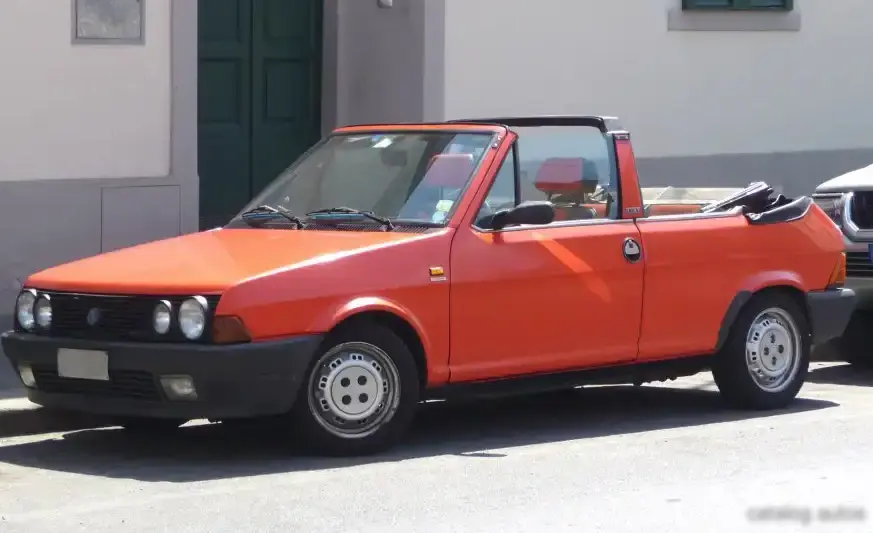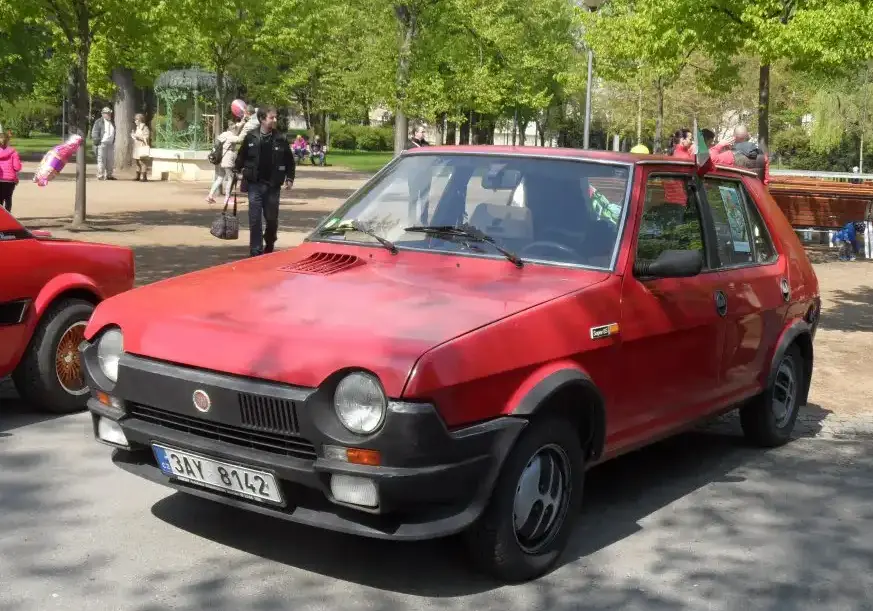
The Fiat Ritmo 105 Sport 1.6, produced between 1981 and 1982, represented a performance-oriented variant within the first generation (138A) of the Ritmo hatchback. Positioned as a step up from the base models, the 105 Sport aimed to attract buyers seeking a more engaging driving experience without the expense of the higher-spec versions. The Ritmo, launched in 1978, was Fiat’s attempt to modernize its small family car offerings, replacing the aging 128. The 138A platform, upon which the Ritmo was built, was a significant departure from Fiat’s traditional rear-wheel-drive layouts, adopting a front-wheel-drive configuration. This shift was crucial for improving interior space and handling characteristics, aligning with contemporary automotive trends. The 105 Sport, with its increased power output, played a key role in establishing the Ritmo’s sporting credentials in the European market.
Technical Specifications
| Brand | Fiat |
| Model | Ritmo |
| Generation | Ritmo I (138A) |
| Type (Engine) | 105 Sport 1.6 (105 Hp) |
| Start of production | 1981 |
| End of production | 1982 |
| Powertrain Architecture | Internal Combustion engine |
| Body type | Hatchback |
| Fuel Type | Petrol (Gasoline) |
| Power | 105 Hp |
| Engine Model/Code | 138 AR.000 |
| Engine aspiration | Naturally aspirated engine |
Powertrain & Engine Architecture
The heart of the Ritmo 105 Sport was the 138 AR.000 1.6-liter inline-four cylinder engine. This engine was a development of Fiat’s earlier 1.5-liter unit, featuring a slightly larger bore and stroke to increase displacement. It utilized a cast iron block and an aluminum cylinder head, a common configuration for the era. The engine employed a single overhead camshaft (SOHC) valvetrain, operating two valves per cylinder. Fuel delivery was managed by a Weber 32 ADFA downdraft carburetor, a relatively simple but effective system for its time. While not as sophisticated as fuel injection, the Weber carburetor provided adequate fuel atomization and mixture control for the engine’s output. The 105 Sport was exclusively offered with a four-speed manual transmission, designed to handle the increased torque and power. The transmission featured synchromesh on all forward gears, ensuring smooth shifting. The engine’s compression ratio was 9.2:1, contributing to its respectable power output for a naturally aspirated 1.6-liter engine.
Driving Characteristics
The Ritmo 105 Sport offered a noticeable improvement in performance compared to the lower-powered versions of the Ritmo. With 105 horsepower on tap, the 105 Sport could achieve a top speed of approximately 109 mph and accelerate from 0 to 60 mph in around 9.5 seconds – figures that were competitive within its class in the early 1980s. The four-speed manual transmission was well-matched to the engine’s characteristics, providing a reasonable spread of gear ratios. First gear was relatively short, aiding in quick acceleration from a standstill, while fourth gear was geared for comfortable cruising. The front-wheel-drive layout contributed to good traction, particularly in wet or slippery conditions. However, the Ritmo’s handling could be described as neutral rather than overtly sporty. The steering was light and precise, but the suspension, while adequate, lacked the sophistication of some of its rivals. Compared to a potential future Ritmo Turbo, the 105 Sport felt less urgent and lacked the dramatic acceleration of the forced-induction model. Against the base 1.3-liter Ritmo, the 105 Sport offered a significantly more enjoyable driving experience, with noticeably more power and torque available throughout the rev range.
Equipment & Trim Levels
The Ritmo 105 Sport was positioned as a mid-range trim level, offering a balance of performance and features. Standard equipment included upgraded cloth upholstery, a sports steering wheel, and a more comprehensive instrument panel with a tachometer. Exterior features included distinctive side stripes, a black grille, and often, alloy wheels (though steel wheels with hubcaps were also a common option). The interior trim was generally functional and durable, reflecting Fiat’s focus on practicality. Optional extras included a sunroof, upgraded audio system, and metallic paint finishes. The dashboard layout was typical of Italian cars of the period, with a clear and logical arrangement of controls. The seats provided reasonable comfort and support, although they lacked the bolstering found in more dedicated sports cars. The 105 Sport’s interior was a step up from the basic Ritmo models, offering a more refined and aesthetically pleasing environment.
Chassis & Braking
The Ritmo 105 Sport utilized a MacPherson strut front suspension and a torsion beam rear suspension. This setup provided a reasonable compromise between ride comfort and handling. The front suspension featured coil springs and telescopic shock absorbers, while the rear suspension relied on a torsion beam for lateral stability. The braking system consisted of disc brakes on the front wheels and drum brakes on the rear wheels. The front discs were ventilated to improve heat dissipation, while the rear drums were sufficient for most driving conditions. The Ritmo 105 Sport did not feature power steering as standard, requiring a bit more effort at low speeds. The steering ratio was relatively quick, providing good responsiveness. Stabilizer bars were fitted to both the front and rear axles, helping to reduce body roll during cornering. The chassis was relatively lightweight, contributing to the car’s nimble handling characteristics.
Market Reception & Comparison
The Ritmo 105 Sport was generally well-received by automotive critics, who praised its lively performance and attractive styling. It was seen as a credible alternative to other small family cars, such as the Volkswagen Golf and the Ford Escort. Fuel economy was reasonable for a 1.6-liter engine, averaging around 35-40 mpg in mixed driving conditions. Reliability was generally good, although some owners reported issues with the Weber carburetor and the electrical system. Compared to the lower-powered Ritmo models, the 105 Sport offered a significantly more engaging driving experience. However, it lacked the refinement and sophistication of some of its more expensive rivals. Against the later Ritmo Turbo, the 105 Sport was noticeably slower, but it was also more affordable and less prone to turbocharger-related issues. The 105 Sport filled a niche for buyers who wanted a sporty and practical hatchback without breaking the bank.
Legacy
The Ritmo 105 Sport, while a relatively short-lived model, remains a fondly remembered car among enthusiasts. The 138 AR.000 engine proved to be reasonably durable, and many examples are still on the road today. Parts availability can be a challenge, but many components are interchangeable with other Fiat models of the period. The Ritmo 105 Sport has gained a cult following among classic car collectors, particularly in Europe. Its simple mechanicals and relatively affordable price make it an attractive option for those looking for a classic Italian hatchback. The Ritmo, in general, represented a significant step forward for Fiat, embracing front-wheel drive and modern styling. The 105 Sport, as a performance-oriented variant, helped to establish the Ritmo’s reputation as a fun-to-drive and practical family car. Today, it stands as a reminder of a time when Italian cars were known for their character and charm.