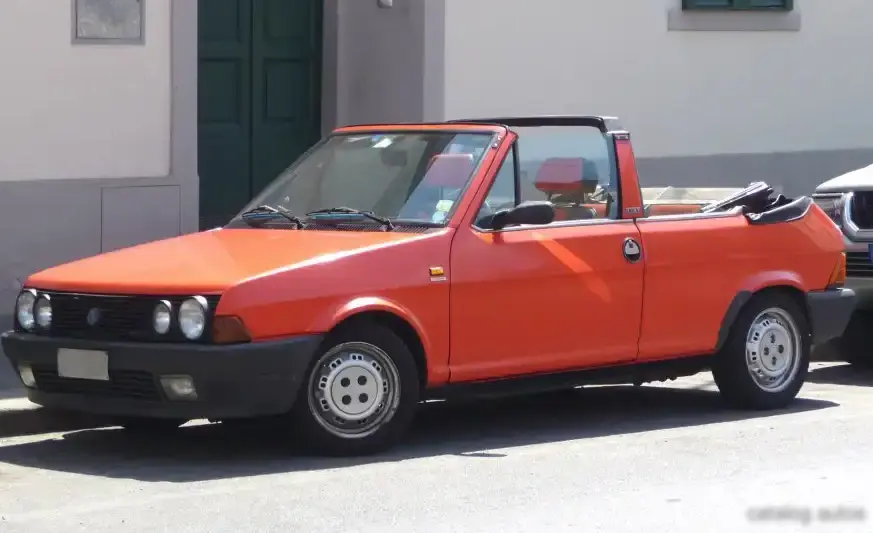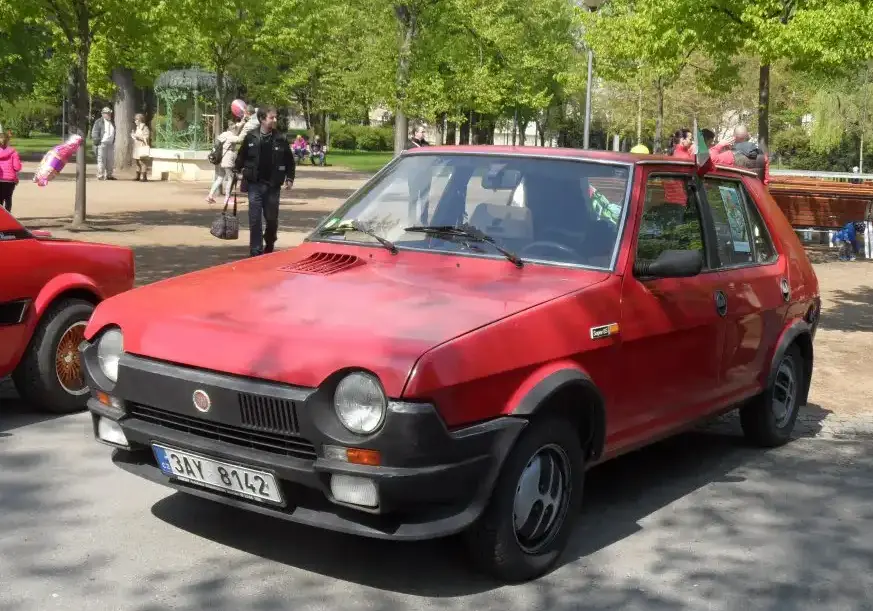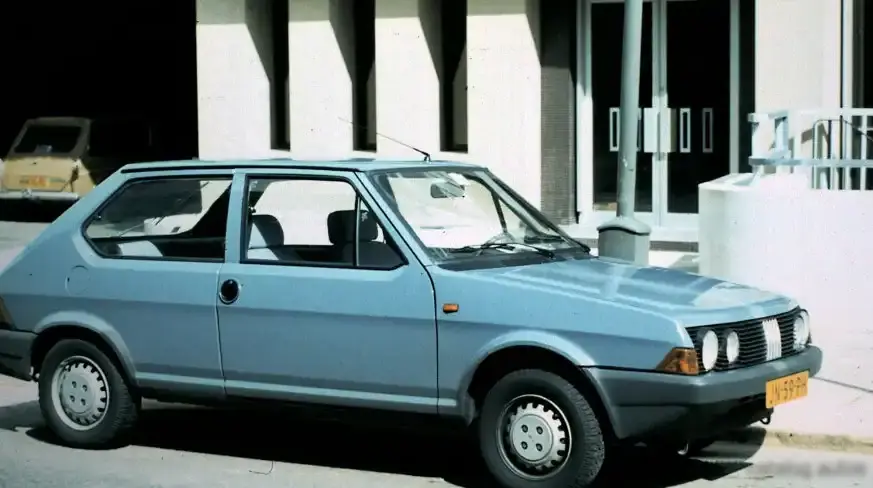
The Fiat Ritmo 60 Diesel 1.7, produced from 1982 to 1985, represents a significant entry point into the Ritmo (138A) range, particularly following the 1982 facelift. Positioned as the most economical variant, it catered to buyers prioritizing fuel efficiency and practicality over outright performance. This model occupied the base trim level, offering a no-frills transportation solution within the broader Ritmo lineup, which also included more powerful gasoline-fueled options and higher-spec diesel versions. The Ritmo, designed by Aldo Sessano and launched in 1978, was Fiat’s attempt to modernize its compact offerings and compete with rivals like the Volkswagen Golf and Renault 5. The 1982 facelift brought subtle styling changes and aimed to refresh the model’s appeal.
Technical Specifications
| Brand | Fiat |
| Model | Ritmo |
| Generation | Ritmo I (138A, facelift 1982) |
| Type (Engine) | 60 Diesel 1.7 (58 Hp) |
| Start of production | 1982 |
| End of production | 1985 |
| Powertrain Architecture | Internal Combustion engine |
| Body type | Coupe |
| Fuel Type | Diesel |
| Power | 58 Hp |
| Engine Model/Code | 138 C.000 |
| Engine aspiration | Naturally aspirated engine |
Powertrain & Engine Architecture
The Ritmo 60 Diesel 1.7 utilized Fiat’s 138 C.000 engine, a 1.7-liter inline-four diesel. This engine was a naturally aspirated, indirect injection diesel, a common configuration for the era. Indirect injection, while quieter than direct injection, generally resulted in slightly lower power output and fuel efficiency. The engine featured a cast iron block and head, contributing to its robustness and longevity. The 58 horsepower output was achieved at 4,200 rpm, while peak torque of approximately 86 lb-ft (117 Nm) was available at 2,400 rpm. The engine was paired with a four-speed manual transmission as standard, although a three-speed automatic transmission was offered as an optional extra, albeit rarely selected due to its further reduction in performance and increased fuel consumption. The automatic transmission was a conventional hydraulic torque converter type. The fuel injection system was a Bosch rotary pump system, typical for diesel engines of the time, delivering fuel to the pre-chamber where combustion was initiated.
Driving Characteristics
The Ritmo 60 Diesel 1.7 was not designed for spirited driving. Its primary focus was economy and usability. Acceleration was modest, with a 0-60 mph time estimated to be around 16-18 seconds. The four-speed manual transmission helped to keep the engine within its optimal operating range, but the limited horsepower meant that overtaking maneuvers required careful planning. The optional automatic transmission further diminished performance, making the car feel sluggish, especially when climbing hills or accelerating from a standstill. Gear ratios were relatively tall, prioritizing fuel economy over responsiveness. The engine was reasonably refined for a diesel of its age, but it was noticeably noisier than the gasoline-powered Ritmo variants. Handling was typical of front-wheel-drive cars of the period – safe and predictable, but not particularly engaging. The relatively soft suspension setup prioritized ride comfort over sharp handling.
Equipment & Trim Levels
The Ritmo 60 Diesel 1.7 was the entry-level model, and as such, it came with a fairly basic level of equipment. Standard features included cloth upholstery, vinyl floor covering, and a simple dashboard layout. The steering wheel was a two-spoke plastic design. Power steering was not available on this trim level. The instrument cluster consisted of a speedometer, fuel gauge, and temperature gauge. Optional extras included a radio, heated rear window, and upgraded upholstery. The exterior trim was minimal, with black plastic bumpers and steel wheels with hubcaps. The interior was functional and durable, but lacked the sophistication of higher-spec Ritmo models.
Chassis & Braking
The Ritmo featured a front-wheel-drive layout with independent front suspension using MacPherson struts and a twist-beam rear axle. The suspension was tuned for comfort, providing a relatively smooth ride on most road surfaces. The braking system consisted of disc brakes on the front wheels and drum brakes on the rear wheels. The brakes were adequate for the car’s performance, but lacked the stopping power of more modern systems. The Ritmo 60 Diesel 1.7 was relatively lightweight, which helped to offset the limitations of the braking system. A stabilizer bar was fitted to the front suspension to reduce body roll during cornering, but it was relatively thin compared to those found on higher-spec models.
Market Reception & Comparison
The Ritmo 60 Diesel 1.7 was generally well-received by critics as a practical and economical city car. It was praised for its fuel efficiency and robust engine, but criticized for its lack of performance and basic interior. Compared to the gasoline-powered Ritmo variants, the diesel model offered significantly better fuel economy, but at the expense of acceleration and refinement. The 1.6-liter gasoline engine, producing around 90 hp, offered a much more engaging driving experience, but consumed considerably more fuel. The higher-spec diesel models, such as the 80 Diesel, offered a compromise between performance and economy. The Ritmo 60 Diesel 1.7 was primarily targeted at buyers who prioritized affordability and fuel efficiency over driving pleasure.
Legacy
The Ritmo 60 Diesel 1.7, while not a performance icon, proved to be a reliable and durable vehicle. The 138 C.000 diesel engine is known for its longevity, and many examples are still on the road today. The simple mechanical design makes it relatively easy to maintain and repair. In the used car market, the Ritmo 60 Diesel 1.7 is considered a classic, particularly among enthusiasts who appreciate its simplicity and affordability. However, finding well-maintained examples can be challenging, as many have succumbed to rust or neglect. The Ritmo, in general, represents a significant chapter in Fiat’s history, marking a move towards more modern and efficient compact cars. The 60 Diesel variant, though the most basic, played a crucial role in making the Ritmo accessible to a wider range of buyers.