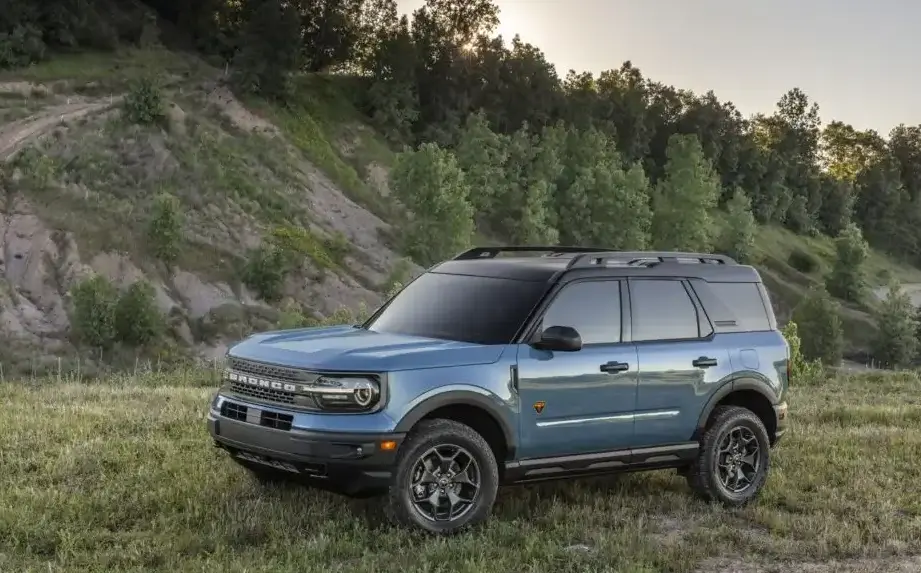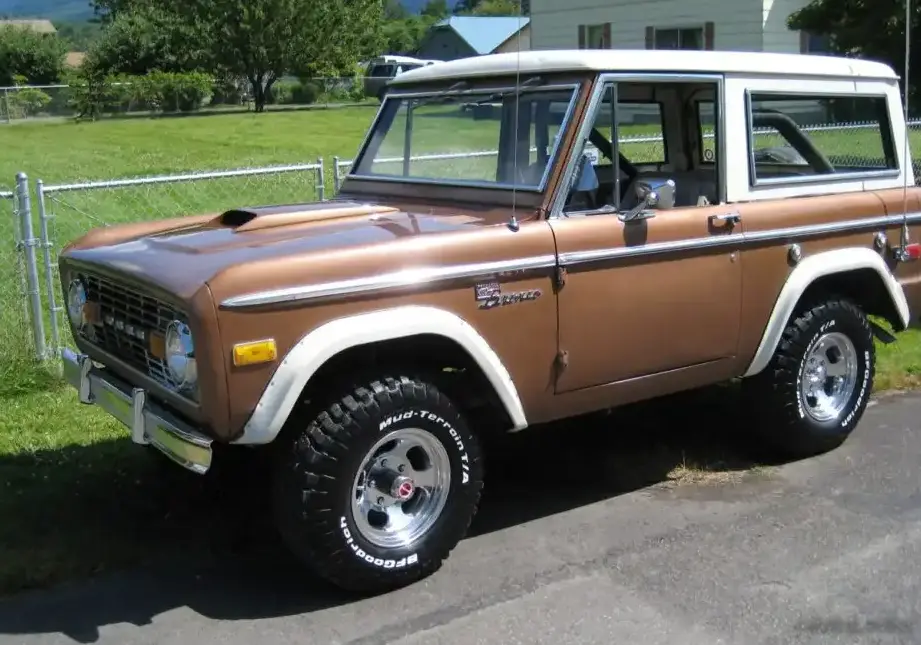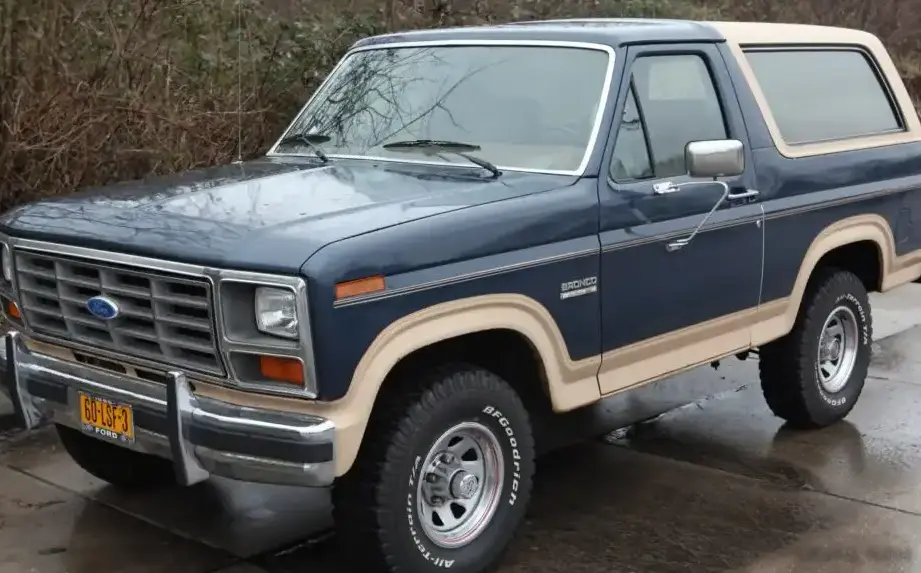
The Ford Bronco III, produced between 1980 and 1986, represented a significant downsizing and repositioning of the Bronco model line. Following the larger, full-size Bronco, the Bronco II (1966-1977) and then the Bronco III aimed to offer a more compact and fuel-efficient four-wheel-drive vehicle, appealing to a broader market segment. This generation Bronco was built on a modified Ford Courier pickup truck chassis, offering a blend of off-road capability and on-road practicality. The 4.2-liter V8 engine, producing 119 horsepower, with all-wheel drive was a key configuration during this period, though other engine options were available. It occupied a middle ground in the Bronco III lineup, offering more power than the inline-six options but less than potential future high-performance trims.
Technical Specifications
| Brand | Ford |
| Model | Bronco |
| Generation | Bronco III |
| Type (Engine) | 4.2 V8 (119 Hp) AWD |
| Start of production | 1980 year |
| End of production | 1986 year |
| Powertrain Architecture | Internal Combustion engine |
| Body type | SUV |
| Seats | 5 |
| Doors | 3 |
| Fuel Type | Petrol (Gasoline) |
| Weight-to-power ratio | 16.6 kg/Hp, 60.4 Hp/tonne |
| Weight-to-torque ratio | 7.5 kg/Nm, 133 Nm/tonne |
| Power | 119 Hp @ 3800 rpm |
| Power per litre | 28.4 Hp/l |
| Torque | 262 Nm @ 2000 rpm, 193.24 lb.-ft. @ 2000 rpm |
| Engine layout | Front, Longitudinal |
| Engine displacement | 4183 cm3, 255.26 cu. in. |
| Number of cylinders | 8 |
| Engine configuration | V-engine |
| Cylinder Bore | 93.47 mm, 3.68 in. |
| Piston Stroke | 76.2 mm, 3 in. |
| Compression ratio | 8.8:1 |
| Number of valves per cylinder | 2 |
| Fuel injection system | Carburettor |
| Engine aspiration | Naturally aspirated engine |
| Kerb Weight | 1970 kg, 4343.11 lbs |
| Max. weight | 2635 kg, 5809.18 lbs |
| Max load | 665 kg, 1466.07 lbs |
| Length | 4511 mm, 177.6 in |
| Width | 1980 mm, 77.95 in |
| Height | 1870 mm, 73.62 in |
| Wheelbase | 2659 mm, 104.69 in |
| Front track | 1654 mm, 65.12 in |
| Rear (Back) track | 1636 mm, 64.41 in |
| Ride height (ground clearance) | 234 mm, 9.21 in |
| Drag coefficient (Cd) | 0.65 |
| Minimum turning circle (turning diameter) | 11.13 m, 36.52 ft |
| Drive wheel | All wheel drive (4×4) |
| Number of gears and type of gearbox | 4 gears, manual transmission |
| Front brakes | Disc |
| Rear brakes | Drum |
| Tires size | 235/75 R15 |
| Wheel rims size | 15 |
Powertrain & Engine Architecture
The heart of this Bronco III variant was the 4.2-liter (255 cubic inch) Ford V8 engine, internally designated as the 302 Windsor. While not a high-performance engine, it provided a substantial increase in power over the available inline-six options. The engine utilized a traditional carbureted fuel system, a relatively simple and robust design for the era. It featured a two-barrel carburetor, contributing to its moderate power output and relatively low fuel economy. The engine’s valvetrain consisted of two valves per cylinder, operated by a hydraulic lifter camshaft. The 4.2L V8 was longitudinally mounted in the engine bay, driving all four wheels through a four-speed manual transmission and a transfer case. This configuration was chosen to provide a good balance of power, durability, and off-road capability.
Driving Characteristics
The 119 horsepower and 193 lb-ft of torque delivered by the 4.2L V8, coupled with the four-speed manual transmission, provided adequate, though not exhilarating, performance. Acceleration was modest, and the Bronco III wasn’t designed for rapid on-road speeds. However, the engine’s torque characteristics made it well-suited for off-road driving and towing. The four-speed manual transmission offered a reasonable range of gear ratios, allowing the driver to select the appropriate gear for various terrains and driving conditions. Compared to the inline-six engine options, the V8 provided noticeably more power, especially at lower RPMs, making it easier to navigate challenging off-road obstacles. It wasn’t as nimble as some of the lighter, more modern SUVs, but its robust construction and four-wheel-drive system made it a capable performer in a variety of conditions.
Equipment & Trim Levels
The Bronco III with the 4.2L V8 and manual transmission typically came with a fairly basic level of equipment. Standard features generally included a black vinyl interior, a basic AM radio, and manual windows and locks. Optional extras included features like air conditioning, upgraded upholstery, and a more powerful stereo system. The trim level for this configuration was generally considered mid-range, offering a step up from the base models but lacking the luxury features found in higher-end trims. The focus was on functionality and durability rather than lavish appointments.
Chassis & Braking
The Bronco III’s chassis was based on the Ford Courier pickup truck platform, providing a rugged and durable foundation. The suspension consisted of a traditional leaf spring setup in the front and rear, offering a comfortable ride on paved roads and sufficient articulation for off-road use. The front brakes were disc brakes, providing better stopping power than the drum brakes used on the rear wheels. The relatively simple braking system was adequate for the vehicle’s weight and performance capabilities. The track width was moderate, contributing to the Bronco III’s stable handling characteristics. A stabilizer bar was typically included in the front suspension to reduce body roll during cornering.
Market Reception & Comparison
The Bronco III 4.2L V8 AWD was generally well-received by consumers looking for a capable and affordable four-wheel-drive vehicle. Critics praised its off-road capability and rugged construction, but noted its relatively low fuel economy and basic interior. Compared to the inline-six engine options, the V8 was favored by those who needed more power for towing or off-road adventures. However, the V8 also came with a higher price tag and slightly lower fuel efficiency. Against competitors like the Chevrolet Blazer and Jeep CJ, the Bronco III offered a compelling combination of features and value.
Legacy
The Ford Bronco III, particularly the 4.2L V8 AWD variant, has developed a loyal following among classic truck and SUV enthusiasts. The 302 Windsor V8 engine is known for its durability and relative ease of maintenance, making it a popular choice for restoration projects. While not as collectible as some of the earlier Bronco models, the Bronco III remains a relatively affordable and capable classic vehicle. The availability of parts and the relatively simple mechanical design contribute to its continued popularity in the used car market. Today, well-maintained examples of the Bronco III 4.2L V8 AWD are sought after by those who appreciate its rugged charm and off-road capability.