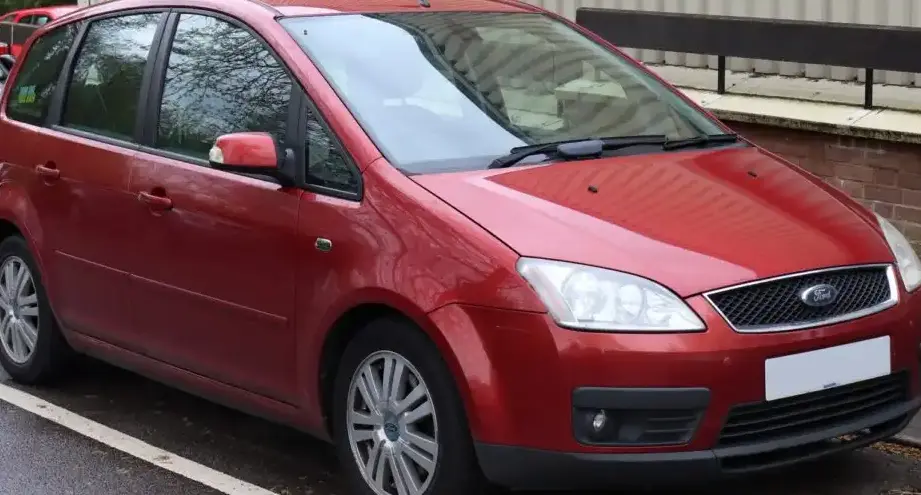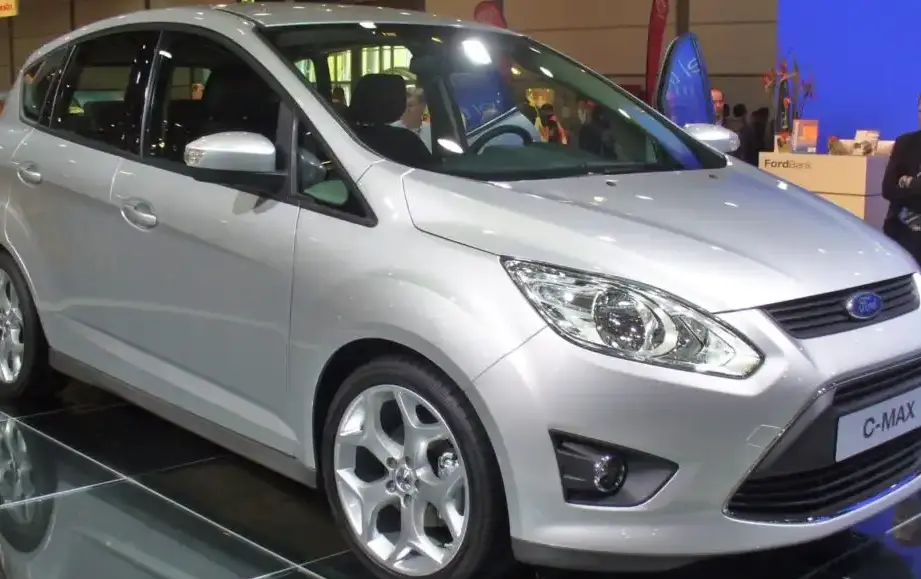
The Ford C-MAX II 2.0 Duratorq TDCi (163 hp) with a six-speed automatic transmission was a significant offering in the European and, to a lesser extent, North American MPV (Multi-Purpose Vehicle) market from 2010 to 2015. Positioned as a mid-range trim within the C-MAX II lineup, it aimed to balance fuel efficiency with respectable performance and practicality. This variant was part of the second generation C-MAX (model code 2010-2015), built on the Ford C-platform, shared with the Ford Focus. It represented Ford’s attempt to cater to families seeking a compact, versatile vehicle with the convenience of an automatic gearbox and the benefits of a modern diesel engine.
Technical Specifications
| Brand | Ford |
| Model | C-MAX |
| Generation | C-MAX II |
| Type (Engine) | 2.0 Duratorq TDCi (163 Hp) DPF Automatic |
| Start of production | 2010 |
| End of production | 2015 |
| Powertrain Architecture | Internal Combustion engine |
| Body type | MPV |
| Seats | 5 |
| Doors | 5 |
| Fuel consumption (urban) | 6.9 l/100 km (34.1 US mpg) |
| Fuel consumption (extra urban) | 4.7 l/100 km (50 US mpg) |
| Fuel consumption (combined) | 5.5 l/100 km (42.8 US mpg) |
| CO2 emissions | 144 g/km |
| Fuel Type | Diesel |
| Acceleration 0 – 100 km/h | 9.3 sec |
| Acceleration 0 – 62 mph | 9.3 sec |
| Acceleration 0 – 60 mph | 8.8 sec |
| Maximum speed | 207 km/h (128.62 mph) |
| Emission standard | Euro 5 |
| Weight-to-power ratio | 9 kg/Hp |
| Weight-to-torque ratio | 4.3 kg/Nm |
| Power | 163 Hp @ 3750 rpm |
| Torque | 340 Nm @ 2000-3250 rpm (250.77 lb.-ft.) |
| Engine layout | Front, Transverse |
| Engine Model/Code | TXDB |
| Engine displacement | 1997 cm3 (121.86 cu. in.) |
| Number of cylinders | 4 |
| Engine configuration | Inline |
| Cylinder Bore | 85 mm (3.35 in.) |
| Piston Stroke | 88 mm (3.46 in.) |
| Compression ratio | 16:1 |
| Number of valves per cylinder | 4 |
| Fuel injection system | Diesel Commonrail |
| Engine aspiration | Turbocharger, Intercooler |
| Valvetrain | DOHC |
| Engine oil capacity | 5.7 l (6.02 US qt | 5.02 UK qt) |
| Coolant | 8.5 l (8.98 US qt | 7.48 UK qt) |
| Kerb Weight | 1475 kg (3251.82 lbs.) |
| Max. weight | 2050 kg (4519.48 lbs.) |
| Max load | 575 kg (1267.66 lbs.) |
| Trunk (boot) space – minimum | 432 l (15.26 cu. ft.) |
| Trunk (boot) space – maximum | 1723 l (60.85 cu. ft.) |
| Fuel tank capacity | 60 l (15.85 US gal | 13.2 UK gal) |
| Max. roof load | 75 kg (165.35 lbs.) |
| Permitted trailer load with brakes (12%) | 1500 kg (3306.93 lbs.) |
| Permitted trailer load without brakes | 750 kg (1653.47 lbs.) |
| Permitted towbar download | 75 kg (165.35 lbs.) |
| Length | 4380 mm (172.44 in.) |
| Width | 1828 mm (71.97 in.) |
| Width with mirrors folded | 1858 mm (73.15 in.) |
| Width including mirrors | 2067 mm (81.38 in.) |
| Height | 1626 mm (64.02 in.) |
| Wheelbase | 2648 mm (104.25 in.) |
| Front track | 1544 mm (60.79 in.) |
| Rear (Back) track | 1554 mm (61.18 in.) |
| Minimum turning circle | 10.7 m (35.1 ft.) |
| Drivetrain Architecture | Front wheel drive |
| Number of gears and type of gearbox | 6 gears, automatic transmission |
| Front suspension | Independent, type McPherson with coil spring and anti-roll bar |
| Rear suspension | Independent multi-link spring suspension with stabilizer |
| Front brakes | Ventilated discs |
| Rear brakes | Disc |
| Assisting systems | ABS (Anti-lock braking system) |
| Steering type | Steering rack and pinion |
| Power steering | Electric Steering |
| Tires size | 215/55 R16 |
| Wheel rims size | 7.0J x 16 |
INTRODUCTION
The Ford C-MAX II, launched in 2010, represented Ford’s second iteration of the compact MPV. Building upon the success of the original C-MAX, the second generation model aimed for a more sophisticated and refined experience. The 2.0 Duratorq TDCi 163 hp automatic variant was introduced as a key part of the engine lineup, offering a balance between performance, fuel economy, and convenience. This model was primarily sold in Europe, with limited availability in North America. It competed with vehicles like the Volkswagen Touran, Opel/Vauxhall Meriva, and Renault Scenic.
Powertrain & Engine Architecture
At the heart of the C-MAX II 2.0 Duratorq TDCi was the TXDB engine code, a 1997cc four-cylinder diesel engine. This engine belonged to Ford’s Duratorq family, known for its robust construction and relatively good fuel efficiency. The engine featured a common-rail direct injection system, delivering fuel at high pressure for optimized combustion. A turbocharger with an intercooler was employed to boost power output and improve torque across the rev range. The engine utilized a double overhead camshaft (DOHC) valvetrain with four valves per cylinder, enhancing breathing and contributing to its power delivery. The six-speed automatic transmission (often a Ford-sourced unit, or in some cases, an Aisin-Warner transmission) was designed to provide smooth and efficient gear changes. The transmission featured a torque converter and electronic control for optimized shift points based on driving conditions.
Driving Characteristics
The 163 hp 2.0 Duratorq TDCi automatic C-MAX offered a comfortable and practical driving experience. While not particularly sporty, it provided adequate acceleration for everyday driving, with a 0-60 mph time of around 8.8 seconds. The automatic transmission, while convenient, did slightly diminish the overall performance compared to the manual transmission versions. The gear ratios were tuned for fuel efficiency, meaning the engine sometimes felt strained during quick overtaking maneuvers. However, the ample 340 Nm (250.77 lb-ft) of torque available from 2000-3250 rpm provided good responsiveness in most situations. The suspension setup prioritized comfort, resulting in a relatively soft ride quality, although this could translate to some body roll during cornering.
Equipment & Trim Levels
The 2.0 Duratorq TDCi automatic trim typically included features such as air conditioning, power windows, power mirrors, a CD/radio system with auxiliary input, and alloy wheels. Higher trim levels, such as Titanium, added features like automatic climate control, rear parking sensors, cruise control, and upgraded interior upholstery. Optional extras included a panoramic sunroof, navigation system, and leather seats. Interior materials were generally of good quality for the segment, with a focus on durability and practicality. The dashboard layout was functional and user-friendly, with logically placed controls.
Chassis & Braking
The C-MAX II utilized an independent front suspension with McPherson struts and a coil spring/anti-roll bar setup. The rear suspension employed an independent multi-link system, also with a stabilizer bar, designed to improve ride comfort and handling. Braking duties were handled by ventilated discs on the front wheels and solid discs on the rear. Anti-lock Braking System (ABS) was standard, providing enhanced braking performance and stability. The steering was rack and pinion with electric power assistance, offering a light and responsive feel.
Market Reception & Comparison
The C-MAX II 2.0 Duratorq TDCi automatic was generally well-received by automotive critics. It was praised for its fuel efficiency, spacious interior, and comfortable ride. However, some reviewers noted that the automatic transmission could feel sluggish at times, and the engine lacked the outright performance of some competitors. Compared to the 1.6-liter TDCi versions, the 2.0-liter offered significantly more power and torque, making it a better choice for those who frequently carried passengers or cargo. Compared to the higher-powered petrol variants, the diesel offered superior fuel economy, but at the expense of refinement and engine noise.
Legacy
The Ford C-MAX II 2.0 Duratorq TDCi automatic has proven to be a relatively reliable vehicle in the long term. The Duratorq engine is known for its durability, and the automatic transmission, while not without its occasional issues, generally holds up well with proper maintenance. On the used car market, these models represent a good value proposition for buyers seeking a practical and fuel-efficient MPV. Common issues reported include diesel particulate filter (DPF) clogging (particularly on vehicles used primarily for short trips) and occasional problems with the electronic parking brake. However, with regular servicing and preventative maintenance, the C-MAX II 2.0 Duratorq TDCi automatic remains a capable and dependable vehicle.