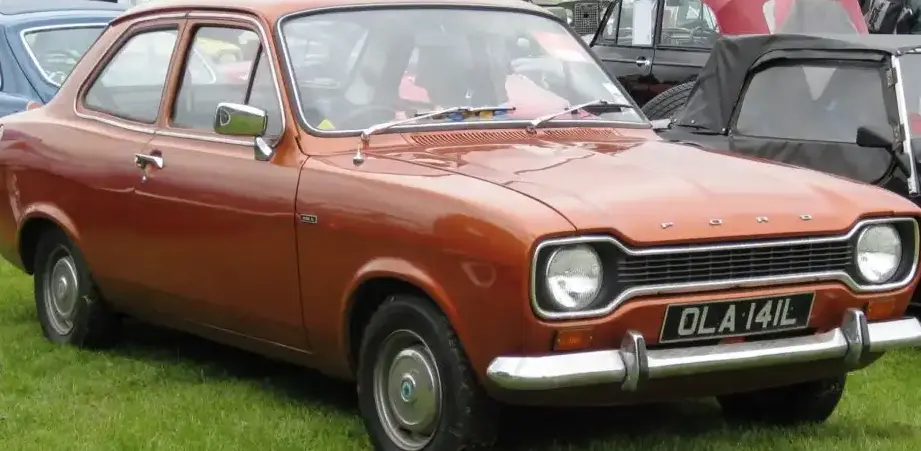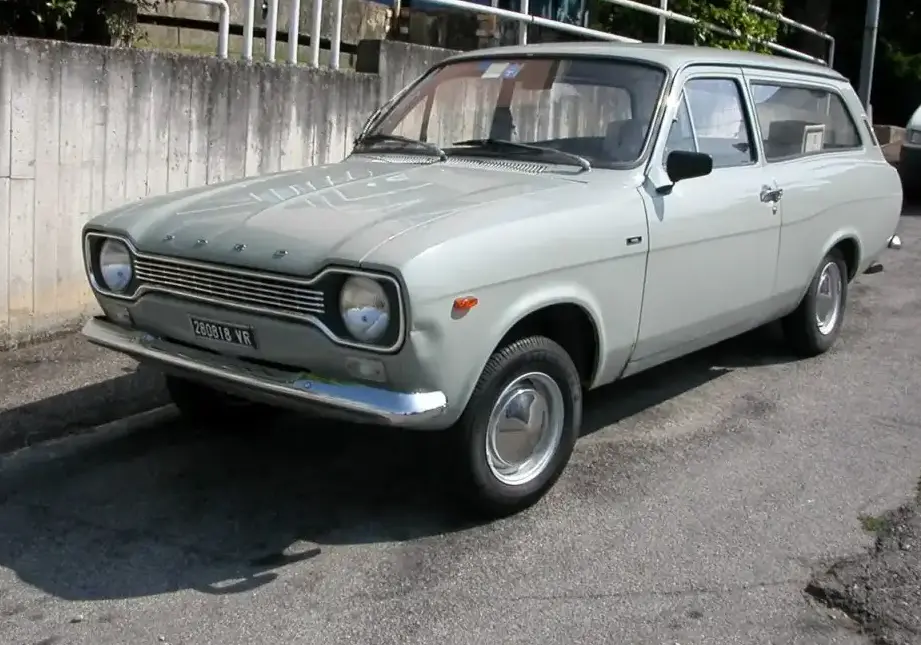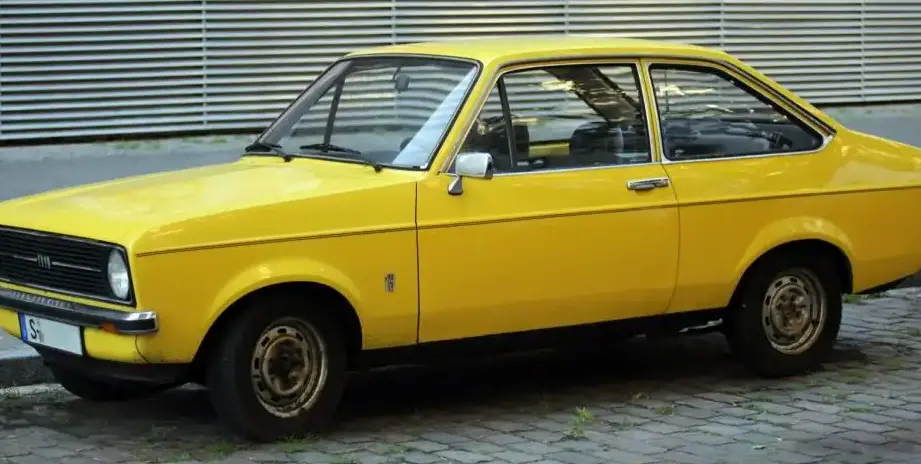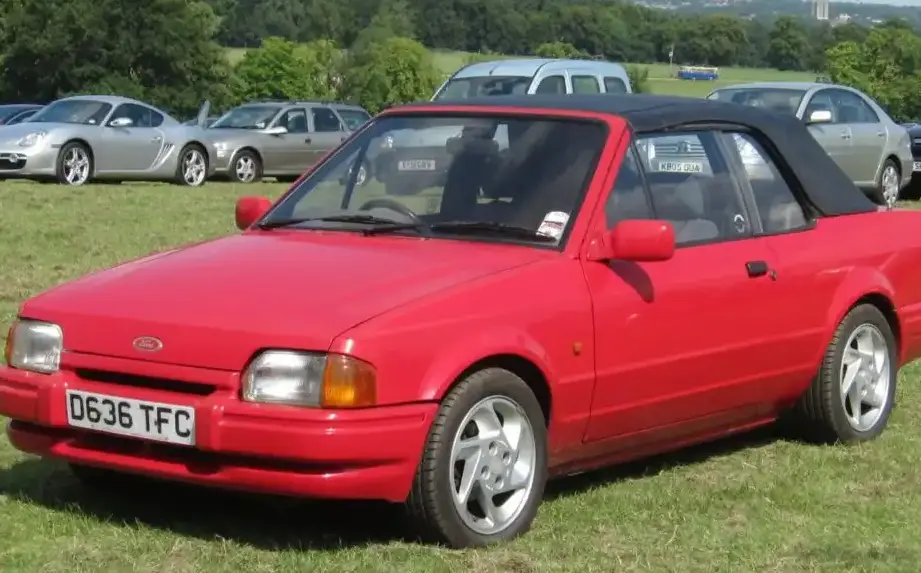
The Ford Escort IV Cabrio 1.6 XR3i, produced from 1990 to 1991, was a sporty and desirable variant of the fourth-generation Escort convertible. Positioned as a premium trim within the Escort Cabrio range, the XR3i offered a more powerful engine and enhanced styling compared to the base models. It represented a relatively short production run, bridging the gap between earlier XR3i models and the later, more common Escort convertibles. The Escort IV generation, launched in 1986, aimed to modernize the Escort line, and the Cabriolet version, introduced in 1989, provided an open-air experience appealing to a broader customer base, particularly in Europe.
Technical Specifications
| Brand | Ford |
| Model | Escort |
| Generation | Escort IV Cabrio |
| Type (Engine) | 1.6 XR3i (105 Hp) |
| Start of production | 1990 |
| End of production | 1991 |
| Powertrain Architecture | Internal Combustion engine |
| Body type | Cabriolet |
| Seats | 4 |
| Doors | 2 |
| Fuel Type | Petrol (Gasoline) |
| Power | 105 Hp |
| Engine Model/Code | LR2, LRB |
| Engine configuration | Inline |
| Engine aspiration | Naturally aspirated engine |
| Engine oil capacity | 3.5 l (3.7 US qt | 3.08 UK qt) |
| Coolant capacity | 7.9 l (8.35 US qt | 6.95 UK qt) |
| Number of gears | 5 |
| Type of gearbox | Manual transmission |
Powertrain & Engine Architecture
The heart of the Escort IV Cabrio 1.6 XR3i was the 1.6-liter inline-four cylinder engine, designated as either LR2 or LRB depending on minor variations. This engine was a significant upgrade from the standard Escort Cabriolet engines, offering a noticeable increase in performance. It featured a single overhead camshaft (SOHC) valvetrain, operating two valves per cylinder. Fuel delivery was managed by Bosch fuel injection, a system that improved efficiency and responsiveness compared to earlier carbureted Ford engines. The engine produced 105 horsepower and approximately 108 lb-ft of torque. The five-speed manual transmission was the only gearbox option available for this variant, designed to complement the engine’s power band and provide a more engaging driving experience. The transmission featured a conventional shift pattern, optimized for both city driving and highway cruising.
Driving Characteristics
The 1.6 XR3i Cabriolet offered a noticeably more spirited driving experience than the base Escort Cabriolets. While not a high-performance sports car, the 105 hp engine provided adequate power for enjoyable open-top motoring. Acceleration from 0 to 60 mph was typically around 9.5-10.5 seconds, depending on weight and road conditions. The five-speed manual transmission allowed drivers to keep the engine in its optimal power range, providing good responsiveness. Compared to later, larger-engined XR3i models (like those with the 1.8-liter engine), the 1.6 XR3i felt slightly less powerful, particularly at higher speeds. However, its lighter weight and nimble handling made it a fun and engaging car to drive on winding roads. The convertible top, while adding some weight, didn’t significantly detract from the car’s handling characteristics. The gear ratios were fairly standard for the era, prioritizing acceleration in the lower gears and reasonable cruising ability in fifth.
Equipment & Trim Levels
The XR3i trim level was well-equipped for its time. Standard features included sports seats with upgraded upholstery (often featuring a distinctive XR3i pattern), a leather-wrapped steering wheel, and a more comprehensive instrument cluster. Exterior features included body-colored bumpers, side skirts, and a rear spoiler, giving the XR3i a more aggressive and sporty appearance. Optional extras included power windows, central locking, and an upgraded sound system. The interior trim was generally of a higher quality than the base Escort Cabriolets, with more attention paid to detail and aesthetics. The XR3i also featured a unique dashboard design with additional gauges, such as a voltmeter and oil pressure gauge. The XR3i sat in the mid-range of the Escort Cabriolet lineup, offering a step up in performance and features from the base models, but falling short of the more luxurious and expensive options available.
Chassis & Braking
The Escort IV Cabriolet utilized a MacPherson strut front suspension and a semi-independent twist-beam rear suspension. The XR3i variant typically featured a slightly stiffer suspension setup compared to the base models, improving handling and reducing body roll. Braking was accomplished via disc brakes on the front wheels and drum brakes on the rear wheels. While adequate for normal driving conditions, the rear drum brakes were a point of criticism, as they offered less stopping power and were more prone to fading under heavy use. The steering was a rack-and-pinion system, providing precise and responsive steering feel. A stabilizer bar was fitted to both the front and rear suspension, further enhancing handling stability. The suspension tuning aimed to balance comfort with sporty handling, making it suitable for both daily driving and occasional spirited runs.
Market Reception & Comparison
The Escort IV Cabrio 1.6 XR3i was generally well-received by automotive critics. It was praised for its sporty styling, engaging driving experience, and relatively affordable price. However, some critics noted that the 1.6-liter engine felt slightly underpowered compared to other XR3i models. Compared to the standard Escort Cabriolets, the XR3i offered a significant performance upgrade and a more premium feel. Compared to rivals like the Volkswagen Cabriolet and Peugeot 205 Convertible, the Escort XR3i offered a good balance of performance, style, and value. Fuel economy was reasonable for a car of its type, averaging around 28-32 mpg in mixed driving conditions. Reliability was generally good, although the rear drum brakes and occasional electrical issues were common concerns. The 1.6 XR3i appealed to buyers who wanted a sporty and stylish convertible without the higher price tag of more powerful or luxurious alternatives.
Legacy
The Ford Escort IV Cabrio 1.6 XR3i remains a popular choice among classic car enthusiasts. Its relatively short production run and sporty character have made it a sought-after model. The 1.6-liter engine, while not the most powerful in the XR3i lineup, is known for its reliability and relatively low maintenance costs. Today, well-maintained examples of the 1.6 XR3i Cabriolet can fetch a premium price on the used car market. Parts availability is generally good, although some trim-specific components can be difficult to find. The car’s enduring appeal lies in its combination of classic styling, engaging driving dynamics, and relatively affordable ownership costs. It represents a charming and enjoyable piece of 1990s automotive history. The engine’s simplicity makes it relatively easy to maintain for amateur mechanics, contributing to its continued presence on the road.