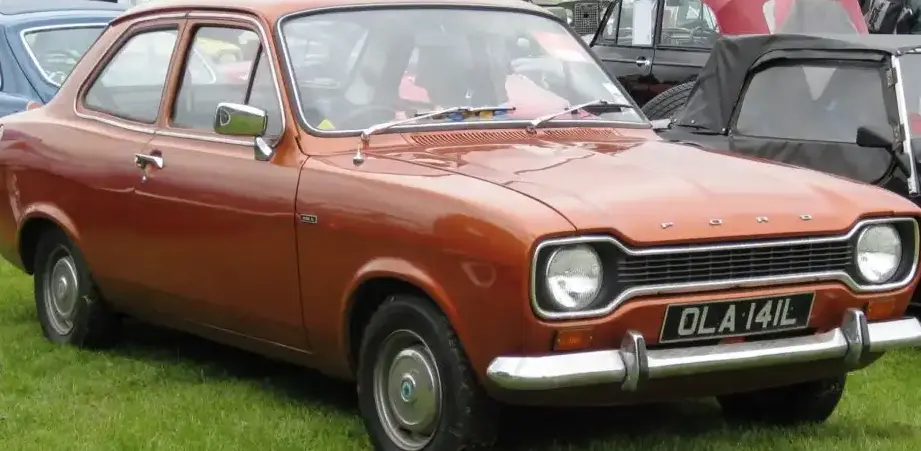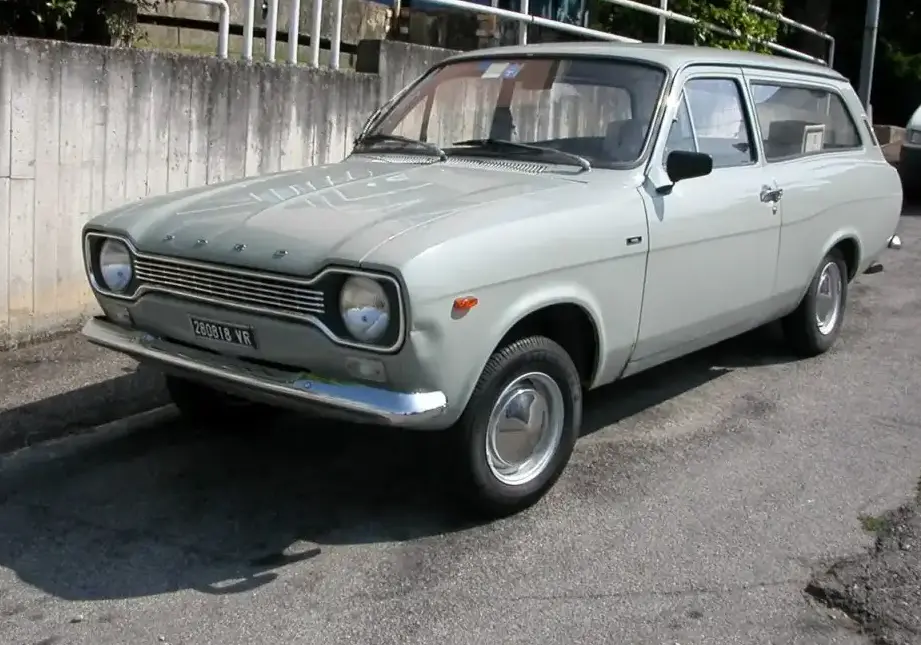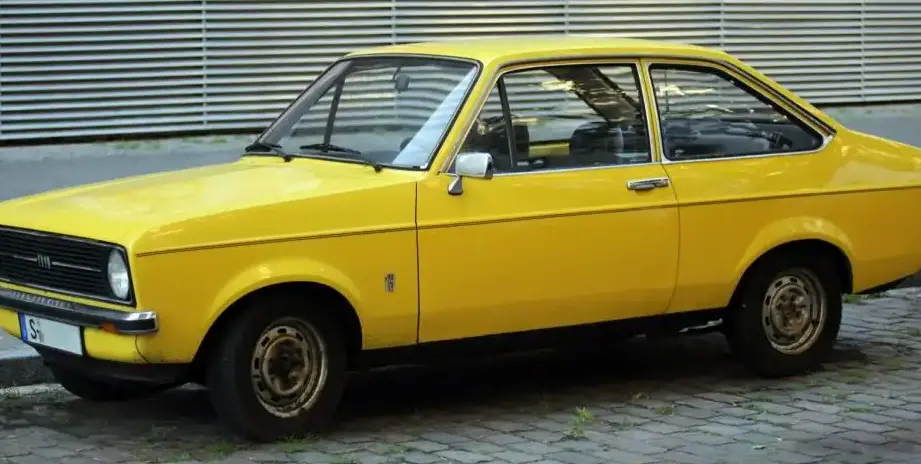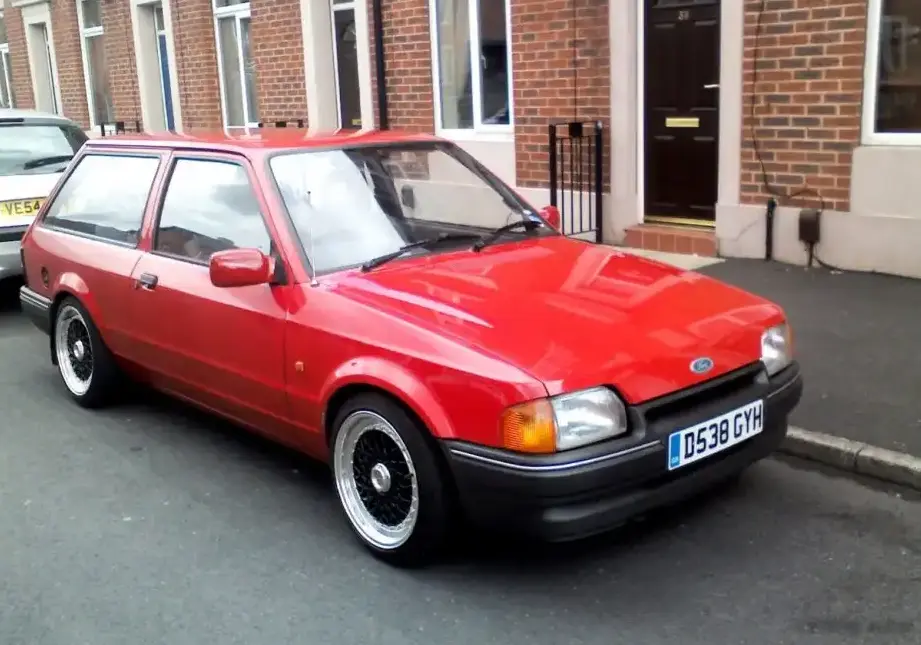
The Ford Escort IV Turnier 1.4, produced between 1986 and 1990, represents a practical and economical variant within the fourth generation of the popular Ford Escort range. The “Turnier” designation signifies the estate or station wagon body style, offering increased cargo capacity compared to the saloon and hatchback models. This 73 horsepower version, powered by Ford’s F6B, F6D, or FUC engine codes, served as an entry point into the Escort lineup, appealing to buyers prioritizing affordability and functionality over outright performance. It was positioned as a family-oriented vehicle, competing with other European compact estates like the Vauxhall/Opel Astra Estate and Volkswagen Golf Estate.
Technical Specifications
| Brand | Ford |
| Model | Escort |
| Generation | Escort IV Turnier (AWF, AVF) |
| Type (Engine) | 1.4 (73 Hp) |
| Start of Production | 1986 |
| End of Production | 1990 |
| Powertrain Architecture | Internal Combustion Engine |
| Body Type | Station Wagon (Estate) |
| Fuel Type | Petrol (Gasoline) |
| Power | 73 Hp |
| Engine Model/Code | F6B, F6D, FUC |
| Engine Aspiration | Naturally Aspirated |
| Engine Oil Capacity | 3.5 l (3.7 US qt | 3.08 UK qt) |
| Coolant Capacity | 7.6 l (8.03 US qt | 6.69 UK qt) |
Powertrain & Engine Architecture
The Escort IV Turnier 1.4 utilized Ford’s 1392cc (84.8 cubic inch) inline-four cylinder engine. The engine codes F6B, F6D, and FUC represent minor variations within the same basic design, often relating to emissions control equipment and specific market requirements. This engine featured a single overhead camshaft (SOHC) valvetrain operating two valves per cylinder. Fuel delivery was managed by a carburetor, a common feature for vehicles of this era, prioritizing simplicity and cost-effectiveness over the more advanced fuel injection systems found in higher-spec models. The carburetor was typically a Ford-designed unit, tuned for optimal fuel economy and drivability. The engine’s relatively low compression ratio contributed to its ability to run on lower octane fuel, further enhancing its appeal to budget-conscious buyers.
The transmission paired with the 1.4-liter engine was a four-speed automatic gearbox. This automatic transmission, while offering convenience, was not known for its particularly quick shifts or sporty feel. It was selected to provide a comfortable and effortless driving experience, particularly suited for urban and suburban driving conditions. The automatic transmission’s torque converter multiplied engine torque at lower speeds, aiding in smooth acceleration from a standstill, but also contributed to some power loss compared to a manual transmission.
Driving Characteristics
The 1.4-liter engine and four-speed automatic transmission combination in the Escort IV Turnier delivered modest performance. Acceleration was adequate for everyday driving, but overtaking maneuvers required careful planning. The car’s weight, typical for a station wagon of the period, further limited its performance potential. The automatic transmission’s gear ratios were geared towards fuel efficiency rather than outright speed. In real-world conditions, the 0-60 mph time was likely in the 14-16 second range. Compared to the 1.6-liter versions of the Escort, or those equipped with a five-speed manual transmission, the 1.4 automatic felt noticeably slower. However, the automatic transmission provided a smoother and more relaxed driving experience, particularly in stop-and-go traffic. The suspension, while basic, offered a reasonable compromise between ride comfort and handling, making it suitable for long journeys with a full load.
Equipment & Trim Levels
The Escort IV Turnier 1.4 typically represented the base trim level within the Turnier range. Standard equipment generally included cloth upholstery, a basic instrument cluster, and manual windows and door locks. Power steering was often an optional extra, as was a radio. Interior trim was functional and durable, prioritizing practicality over luxury. The Turnier’s defining feature was its spacious cargo area, accessible through a large rear tailgate. The rear seats could be folded down to further increase cargo capacity, making it a versatile vehicle for families and those needing to transport bulky items. Optional extras could include upgraded upholstery, a sunroof, and alloy wheels, but these were rarely specified on the base 1.4 model.
Chassis & Braking
The Escort IV Turnier utilized a MacPherson strut front suspension and a semi-independent twist beam rear suspension. This suspension setup was relatively simple and cost-effective, providing adequate ride comfort and handling for everyday use. Braking was typically accomplished with disc brakes on the front wheels and drum brakes on the rear wheels. The braking system was adequate for the car’s weight and performance, but lacked the stopping power of more modern vehicles. Stabilizer bars were often fitted to the front suspension to reduce body roll during cornering, improving handling stability. The steering was a recirculating ball system, providing a relatively indirect steering feel.
Market Reception & Comparison
The Escort IV Turnier 1.4 was generally well-received as a practical and affordable family car. Critics praised its spacious interior, large cargo area, and fuel efficiency. However, the 1.4-liter engine and automatic transmission combination were often criticized for their lack of performance. Compared to the 1.6-liter versions of the Escort, the 1.4 offered significantly less power and acceleration. The manual transmission versions of the 1.6-liter engine were considered a more engaging and enjoyable driving experience. Fuel economy was a strong point for the 1.4, typically achieving around 30-35 mpg in mixed driving conditions. Reliability was generally good, although the carburetor required periodic maintenance and adjustment.
Legacy
The Ford Escort IV Turnier 1.4, while not a performance icon, remains a popular choice among classic car enthusiasts and those seeking a reliable and affordable vintage estate car. The simple engine design and robust construction contribute to its long-term durability. Parts availability is generally good, making it relatively easy to maintain and repair. Today, these Escorts are often found in the used car market at very affordable prices, making them an attractive option for those looking for a classic vehicle with practical appeal. The 1.4 automatic powertrain, while not the most desirable configuration, offers a comfortable and easy-to-drive experience, making it a suitable choice for those prioritizing convenience over performance. The Turnier body style, in particular, has gained a following among collectors and enthusiasts who appreciate its versatility and classic design.