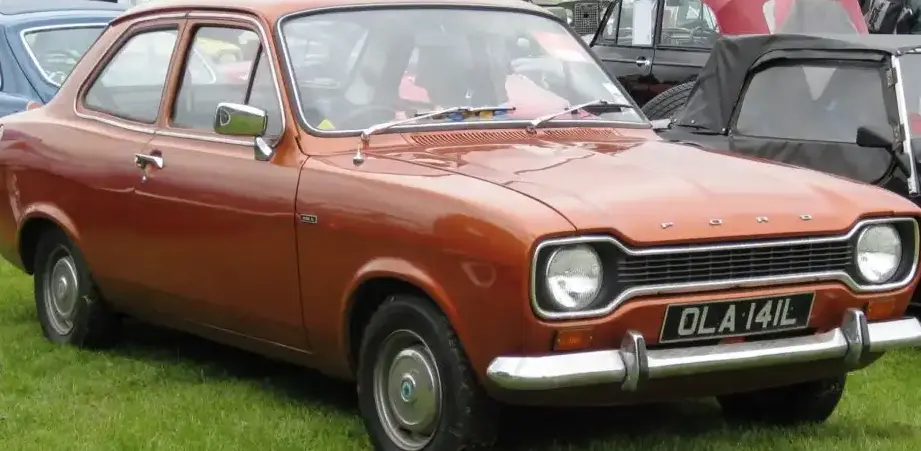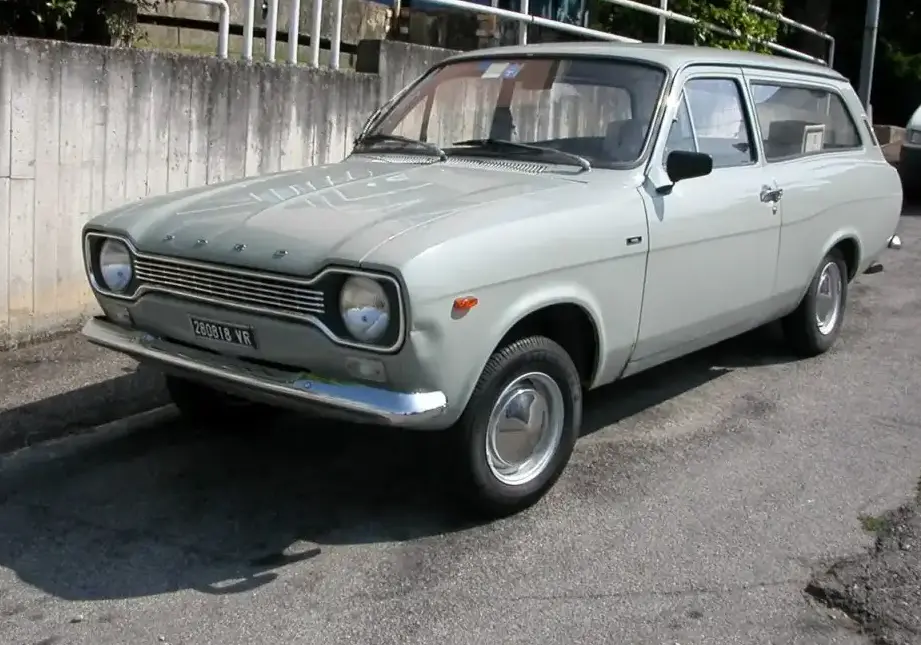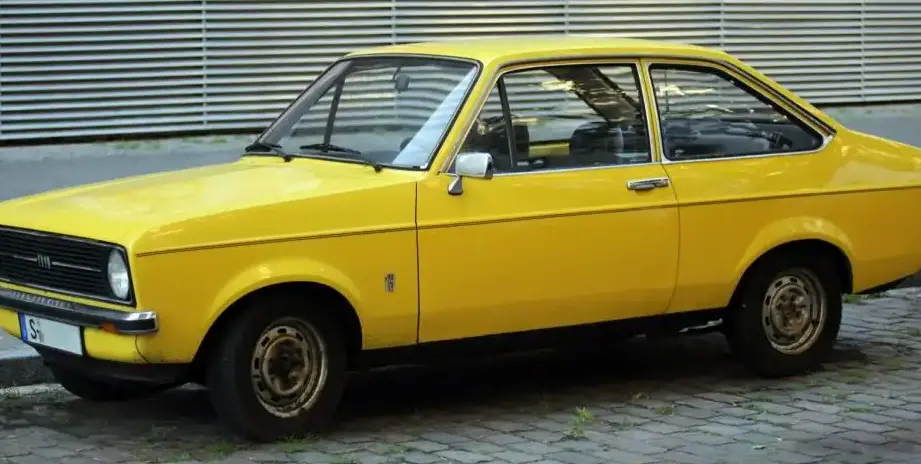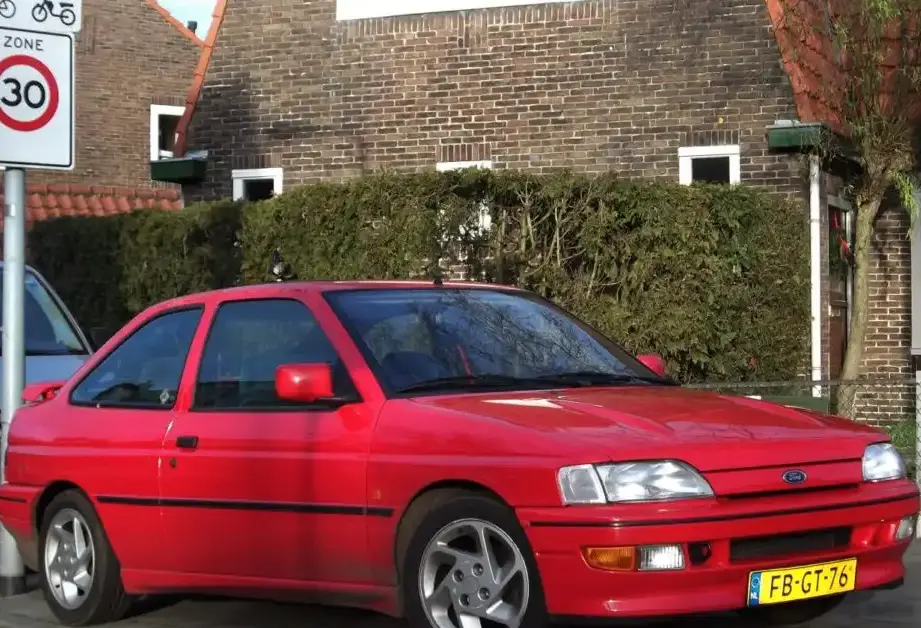
The Ford Escort V (GAL) 1.8 16V XR3i, produced briefly in 1992, represents a high-performance variant within the fifth generation of the globally successful Ford Escort. Positioned as a sporty offering, the XR3i aimed to bridge the gap between the more economical Escort models and the full-fledged rally-inspired RS2000. This particular iteration, powered by the RDA engine, was a late-production model of the GAL platform, intended to capitalize on the 16-valve engine technology while offering a more accessible price point than its higher-spec counterparts. Production was limited, making it a relatively rare find today.
Technical Specifications
| Brand | Ford |
| Model | Escort |
| Generation | Escort V (GAL) |
| Type (Engine) | 1.8 16V XR3i (105 Hp) |
| Start of production | 1992 |
| End of production | 1992 |
| Powertrain Architecture | Internal Combustion engine |
| Body type | Hatchback |
| Fuel Type | Petrol (Gasoline) |
| Power | 105 Hp |
| Engine Model/Code | RDA |
| Engine aspiration | Naturally aspirated engine |
| Engine oil capacity | 4.25 l (4.49 US qt | 3.74 UK qt) |
| Coolant capacity | 7 l (7.4 US qt | 6.16 UK qt) |
Introduction
The Ford Escort V (GAL) was introduced in 1990 as a significant redesign of the popular Escort line. Built on the shared Mazda/Ford platform, the GAL Escort aimed to modernize the vehicle while retaining its core appeal as a practical and affordable family car. The XR3i variant, though short-lived in this specific 1.8 16V form, was intended to inject a dose of performance and style into the range. It sat above the base models in terms of equipment and engine output, but below the more focused and expensive RS2000. The 1992 model year saw a brief run of the 1.8 16V XR3i before the introduction of the next generation Escort.
Powertrain & Engine Architecture
The heart of the XR3i is the Ford RDA engine, an 1.8-liter, naturally aspirated inline-four cylinder engine featuring 16 valves (four valves per cylinder). This engine is a derivative of the Zetec series, known for its relatively high-revving nature and improved breathing compared to earlier Ford engines. The RDA engine utilizes a multi-point fuel injection system, contributing to improved fuel efficiency and smoother power delivery. The engine’s valvetrain employs double overhead camshafts (DOHC), enhancing volumetric efficiency. While the RDA engine produced 105 horsepower, it’s important to note that this was a slight reduction compared to some earlier 1.8 16V Escort engines. The XR3i was typically paired with a Ford-sourced four-speed automatic transmission. This transmission, while providing convenience, was not known for its particularly sporty characteristics and contributed to slightly slower acceleration times compared to the five-speed manual option available on other XR3i models.
Driving Characteristics
The 1.8 16V XR3i with the automatic transmission offered a comfortable, if not overtly thrilling, driving experience. The automatic gearbox, while smooth, resulted in some power loss and a less engaging feel compared to the manual transmission. Acceleration from 0 to 60 mph was typically in the 9-10 second range, respectable for the early 1990s but slower than the manual XR3i or the RS2000. The gear ratios were optimized for fuel economy and everyday drivability rather than outright performance. The engine delivered its peak torque at around 4,500 rpm, requiring drivers to utilize a significant portion of the rev range to achieve brisk acceleration. The automatic transmission tended to hunt for gears on undulating roads, and lacked the responsiveness of more modern automatic gearboxes. Overall, the driving experience was geared towards ease of use and comfort, making it a suitable choice for drivers prioritizing convenience over sporty handling.
Equipment & Trim Levels
The XR3i trim level came reasonably well-equipped for its time. Standard features typically included power steering, central locking, electric front windows, and a basic stereo system. Interior upholstery consisted of cloth seats, often with a sporty pattern. The dashboard featured a relatively simple layout with clear instrumentation. Optional extras included a sunroof, upgraded stereo systems, and alloy wheels. The XR3i also featured subtle exterior styling cues to differentiate it from the base Escort models, including a rear spoiler, color-coded bumpers, and side skirts. The interior trim was generally functional and durable, reflecting the Escort’s overall focus on practicality.
Chassis & Braking
The Escort V (GAL) utilized a MacPherson strut front suspension and a semi-independent twist beam rear suspension. The XR3i variant typically featured a slightly stiffer suspension setup compared to the base models, improving handling and reducing body roll. Braking on the XR3i consisted of disc brakes on the front wheels and drum brakes on the rear wheels. While adequate for everyday driving, the rear drum brakes were a point of criticism, as they lacked the stopping power and fade resistance of disc brakes. The XR3i did benefit from a slightly larger diameter brake master cylinder compared to lower-spec Escorts. Stabilizer bars were fitted to both the front and rear axles, further enhancing handling stability.
Market Reception & Comparison
The 1.8 16V XR3i automatic was generally well-received by automotive critics as a competent and stylish hatchback. However, the automatic transmission was often criticized for detracting from the sporty image of the XR3i badge. Compared to the manual transmission XR3i, the automatic version offered slightly worse fuel economy (around 28-32 mpg combined) and slower acceleration. The 1.9 TDI diesel Escorts offered significantly better fuel economy, but lacked the performance of the XR3i. The RS2000, with its larger engine and more focused chassis, provided a more engaging driving experience but came at a higher price point. The XR3i automatic appealed to buyers who wanted a sporty-looking car with the convenience of an automatic transmission, but it wasn’t the first choice for driving enthusiasts.
Legacy
The Ford Escort V (GAL) 1.8 16V XR3i automatic, while a relatively short-lived model, has gained a following among classic Ford enthusiasts. The RDA engine is generally considered reliable, although regular maintenance is essential. The automatic transmission, while not particularly sophisticated, is also generally durable if properly serviced. Today, these cars are becoming increasingly rare, and well-maintained examples command a premium in the used car market. Parts availability can be a challenge, but a dedicated network of Ford parts suppliers and enthusiasts helps to keep these cars on the road. The XR3i represents a unique blend of style, performance, and practicality, making it a desirable classic for those seeking a taste of 1990s Ford motoring.