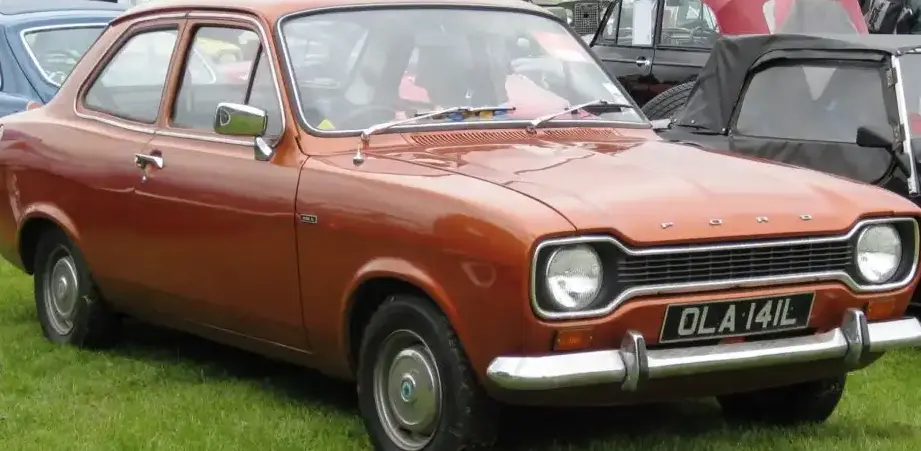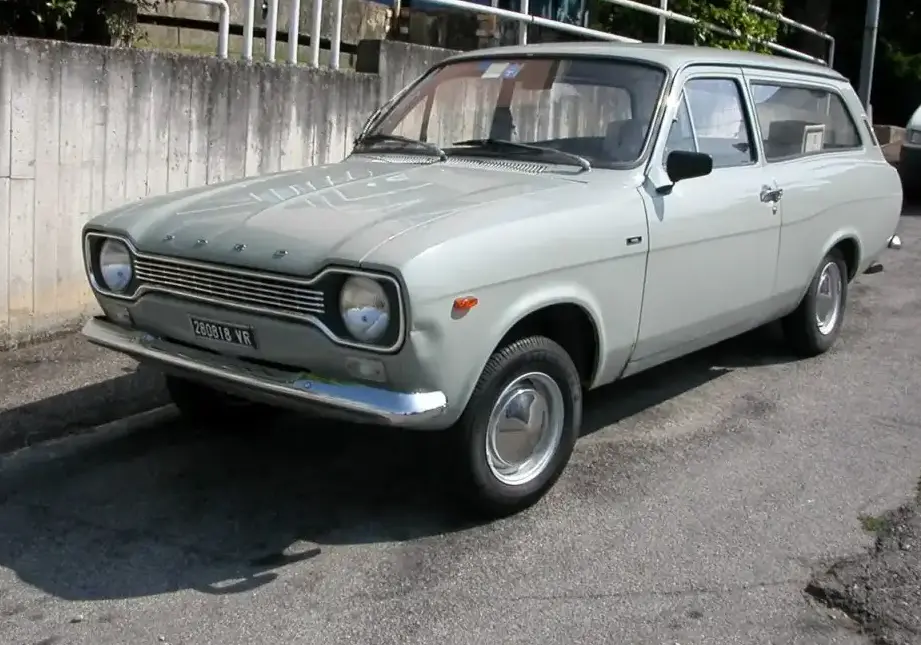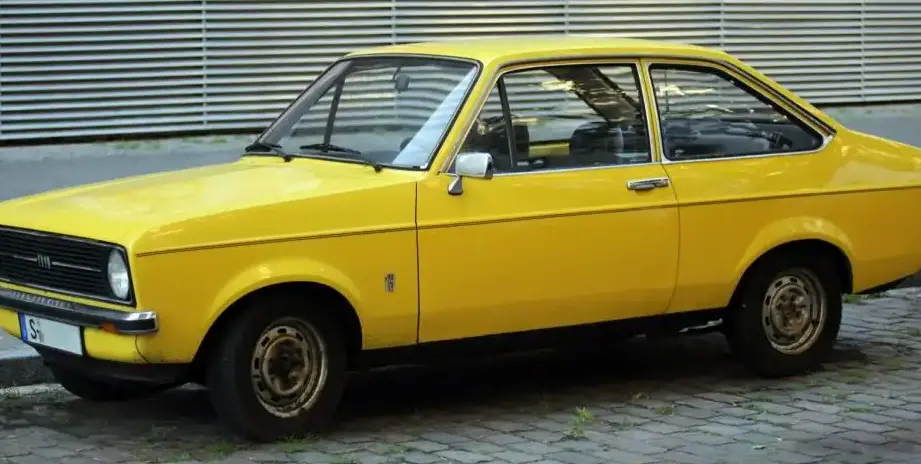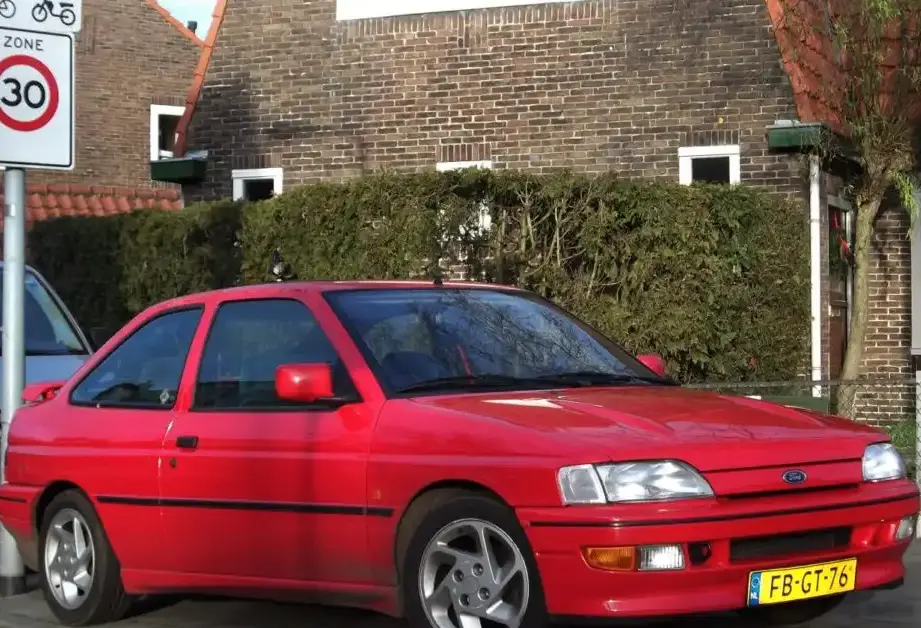
The Ford Escort V (GAL) 1.8 16V XR3i, produced briefly in 1992, represents a high-performance variant within the fifth generation of the globally successful Ford Escort. Positioned as a sporty offering, the XR3i aimed to deliver a more engaging driving experience than the standard Escort models. This particular iteration, powered by the RQB engine, was a late-stage development within the GAL platform, intended to capitalize on the popularity of hot hatches in the European market. Production was limited, making it a relatively rare find today. The Escort V generation, launched in 1990, was a significant redesign for the Escort, moving towards more aerodynamic styling and improved interior space.
Technical Specifications
| Brand | Ford |
| Model | Escort |
| Generation | Escort V (GAL) |
| Type (Engine) | 1.8 16V XR3i (130 Hp) |
| Start of production | 1992 |
| End of production | 1992 |
| Powertrain Architecture | Internal Combustion engine |
| Body type | Hatchback |
| Fuel Type | Petrol (Gasoline) |
| Power | 130 Hp |
| Engine Model/Code | RQB |
| Engine aspiration | Naturally aspirated engine |
| Engine oil capacity | 4.25 l (4.49 US qt | 3.74 UK qt) |
| Coolant capacity | 7 l (7.4 US qt | 6.16 UK qt) |
Powertrain & Engine Architecture
The heart of the XR3i is the Ford RQB engine, an 1.8-liter, naturally aspirated, four-cylinder powerplant featuring sixteen valves (four valves per cylinder). This engine is a derivative of the Zetec series, known for its robust construction and relatively high output for its displacement. The RQB utilized a multi-point fuel injection system, contributing to improved fuel efficiency and throttle response compared to earlier carbureted or single-point injection systems. The engine’s cylinder head design, with its four valves per cylinder, allowed for increased airflow, enhancing both power and torque. The engine produced 130 horsepower and approximately 133 lb-ft of torque. While a five-speed manual transmission was the most common pairing, an optional four-speed automatic transmission was available, though less frequently chosen by enthusiasts. The automatic transmission, while offering convenience, did impact the car’s acceleration performance.
Driving Characteristics
The XR3i, when equipped with the five-speed manual transmission, offered a lively and engaging driving experience. The 1.8-liter engine provided ample power for spirited driving, with a noticeable powerband in the mid-range. The automatic transmission version, however, felt somewhat subdued. The four-speed automatic, while smooth, lacked the responsiveness of the manual and resulted in slower acceleration times. Gear ratios were optimized for a balance between acceleration and fuel economy, but the automatic’s programming prioritized comfort over outright performance. The XR3i’s suspension, while based on the standard Escort V setup, featured stiffer springs and dampers, along with a thicker front anti-roll bar, to reduce body roll and improve handling. Steering was precise and well-weighted, contributing to a confident feel behind the wheel. Compared to the base Escort models, the XR3i offered a significantly more dynamic driving experience, though it didn’t quite match the performance of more focused hot hatches like the Renault Clio Williams or Peugeot 205 GTI.
Equipment & Trim Levels
The XR3i trim level represented a step up in terms of equipment and interior appointments compared to the lower-spec Escort models. Standard features included power steering, central locking, electric front windows, and a basic stereo system. The interior featured sport seats with enhanced bolstering, providing better support during cornering. Upholstery was typically a combination of cloth and vinyl, with a sporty design. Optional extras included a sunroof, alloy wheels (often 6×15 inch), and upgraded audio systems. The dashboard featured a unique instrument cluster with additional gauges, such as a voltmeter and oil temperature gauge, catering to the driver’s desire for more information. The XR3i also featured distinctive exterior styling cues, including a body-colored front spoiler, side skirts, and a rear spoiler, differentiating it from the standard Escort.
Chassis & Braking
The Escort V XR3i utilized a MacPherson strut front suspension and a semi-independent twist-beam rear suspension. The front suspension featured stiffer springs and dampers compared to the standard Escort, improving handling and reducing body roll. The rear twist-beam suspension was relatively simple but effective, providing a reasonable level of ride comfort. Braking was initially equipped with front disc brakes and rear drum brakes. Later models, and often specified as an option, featured all-round disc brakes, providing improved stopping power. The braking system was not particularly sophisticated, lacking ABS in many examples, but was adequate for the car’s performance capabilities. Stabilizer bars were fitted to both the front and rear axles, further enhancing handling stability.
Market Reception & Comparison
The Ford Escort V XR3i was generally well-received by automotive critics, who praised its sporty handling, responsive engine (particularly in manual form), and attractive styling. However, the automatic transmission version was often criticized for its lack of performance. Compared to its rivals, the XR3i offered a good balance of performance, practicality, and affordability. It was positioned as a more accessible hot hatch than some of the more expensive and focused options on the market. Fuel economy was reasonable for a performance-oriented vehicle, averaging around 28-32 mpg depending on driving conditions. Reliability was generally good, although the Zetec engine could be prone to minor oil leaks over time. The XR3i offered a compelling alternative to rivals like the Vauxhall Astra GSi and Volkswagen Golf GTI.
Legacy
The Ford Escort V XR3i, despite its short production run, has gained a following among classic Ford enthusiasts. The RQB engine, while not the most powerful of its era, is known for its durability and relatively straightforward maintenance. The availability of spare parts remains reasonably good, making it a viable option for those looking to restore or maintain an XR3i. The automatic transmission versions are less sought after by collectors, but still represent an affordable entry point into classic Ford ownership. Today, well-maintained examples of the XR3i command a premium in the used car market, reflecting its status as a desirable and relatively rare hot hatch from the early 1990s. The XR3i serves as a reminder of a time when Ford was actively involved in producing engaging and affordable performance cars for the masses.