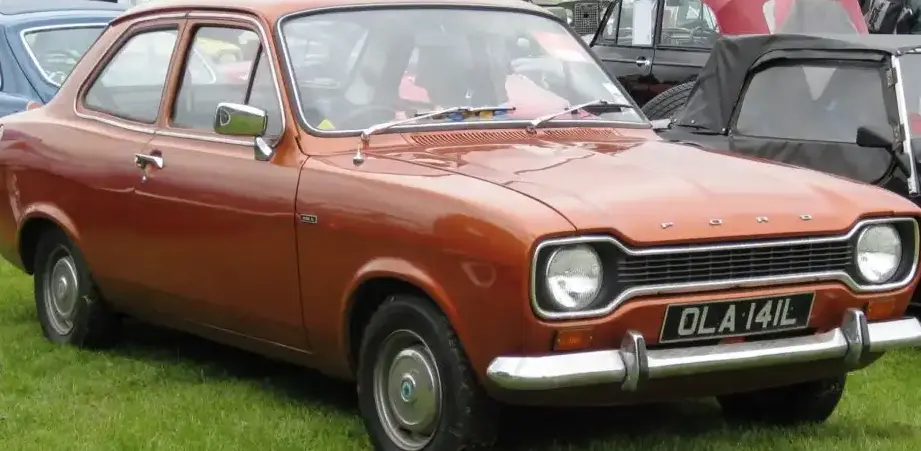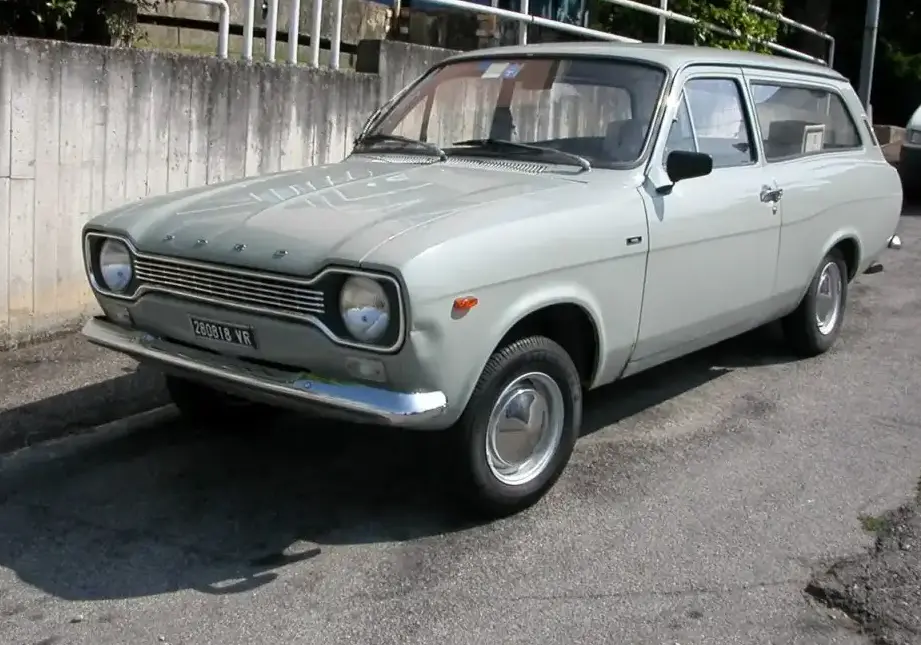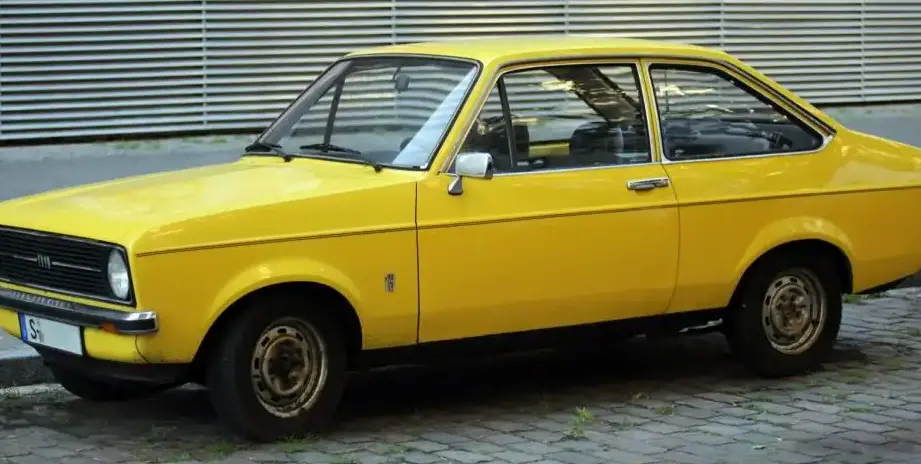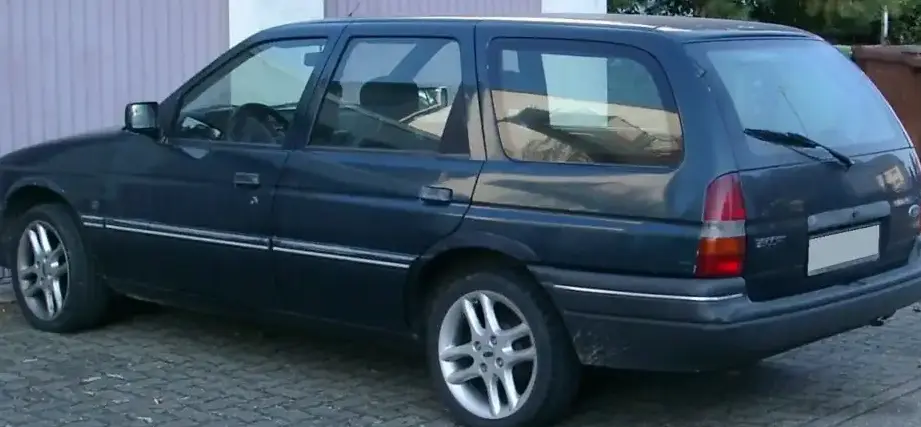
The Ford Escort V Turnier 1.8 D, produced between 1990 and 1992, represents a practical and economical variant within the fifth generation of the globally successful Ford Escort line. The “Turnier” designation signifies the estate or station wagon body style, popular in Europe for its increased cargo capacity. This particular model, powered by a 1.8-liter diesel engine producing 60 horsepower, occupied the entry-level position in the Turnier range, appealing to buyers prioritizing fuel efficiency and load-carrying ability over outright performance. It was part of the GAL/AVL series, representing updates to the earlier Escort V models.
Technical Specifications
| Brand | Ford |
| Model | Escort |
| Generation | Escort V Turnier (GAL,AVL) |
| Type (Engine) | 1.8 D (60 Hp) |
| Start of production | 1990 |
| End of production | 1992 |
| Powertrain Architecture | Internal Combustion engine |
| Body type | Station wagon (estate) |
| Fuel Type | Diesel |
| Maximum speed | 152 km/h (94.45 mph) |
| Weight-to-power ratio | 16.4 kg/Hp, 60.9 Hp/tonne |
| Power | 60 Hp |
| Power per litre | 34.2 Hp/l |
| Engine Model/Code | RTE, RTF, RTH |
| Engine displacement | 1753 cm3 (106.97 cu. in.) |
| Engine aspiration | Naturally aspirated engine |
| Engine oil capacity | 5 l (5.28 US qt | 4.4 UK qt) |
| Coolant | 9.3 l (9.83 US qt | 8.18 UK qt) |
| Kerb Weight | 986 kg (2173.76 lbs.) |
| Max. weight | 1475 kg (3251.82 lbs.) |
| Max load | 489 kg (1078.06 lbs.) |
Powertrain & Engine Architecture
The heart of the Escort V Turnier 1.8 D is the Ford RTE, RTF, or RTH diesel engine. This 1.8-liter, inline-four cylinder engine is a naturally aspirated, indirect injection diesel. Indirect injection, common for diesels of this era, involves injecting fuel into a pre-chamber where it partially combusts before entering the main cylinder, resulting in quieter operation but typically lower power output compared to direct injection systems. The engine utilizes a mechanically controlled fuel injection pump, delivering fuel based on engine speed and throttle position. The valvetrain consists of a single overhead camshaft operating two valves per cylinder. While not a technologically advanced engine by modern standards, it was known for its durability and relatively simple maintenance requirements. The engine was typically paired with a four or five-speed manual transmission, but the variant discussed here utilized a three-speed automatic transmission, a relatively uncommon option for diesel Escorts.
Driving Characteristics
The 1.8 D automatic version of the Escort Turnier was not designed for spirited driving. With only 60 horsepower on tap, acceleration was modest, and overtaking required careful planning. The three-speed automatic transmission, while offering convenience, further limited performance. Gear ratios were optimized for fuel economy rather than rapid acceleration. The automatic transmission’s shift points were noticeable, and the engine could feel strained when climbing hills or carrying a full load. However, for everyday commuting and hauling cargo, the powertrain proved adequate. The automatic transmission did offer a smoother driving experience than the manual versions, particularly in urban traffic. Compared to the gasoline-powered Escorts, the diesel offered significantly better fuel economy, making it a popular choice for high-mileage drivers.
Equipment & Trim Levels
The 1.8 D automatic trim level generally represented a base specification within the Turnier range. Standard equipment typically included cloth upholstery, a basic dashboard layout with analog gauges, and manual windows and door locks. Power steering was often an optional extra, as was a radio. The interior was functional and durable, prioritizing practicality over luxury. Exterior features included steel wheels with hubcaps, black plastic bumpers, and relatively simple trim. Optional extras could include upgraded upholstery, a sunroof, and more sophisticated audio systems. The overall aim of this trim was to provide a cost-effective and reliable workhorse vehicle.
Chassis & Braking
The Escort V Turnier utilized a relatively conventional chassis design. Front suspension consisted of MacPherson struts with an anti-roll bar, while the rear suspension employed a twist-beam axle. The 1.8 D models typically featured drum brakes on the rear wheels and disc brakes on the front, providing adequate stopping power for the vehicle’s weight and performance. Steering was a recirculating ball system, offering reasonable precision but lacking the feel of more modern steering technologies. The suspension was tuned for comfort and stability, prioritizing a smooth ride over sporty handling. Stabilizer bar thickness was modest, reflecting the vehicle’s intended use as a practical family vehicle.
Market Reception & Comparison
The Escort V Turnier 1.8 D automatic received mixed reviews. Critics acknowledged its fuel efficiency and practicality but often criticized its lack of performance. Compared to the more powerful gasoline-powered Escorts, such as the 1.6 or 1.8 models, the diesel felt significantly slower. However, the diesel offered a substantial advantage in fuel economy, making it a popular choice for fleet operators and drivers covering long distances. Compared to other diesel estates of the time, the Escort Turnier offered a competitive price point and a reputation for reliability. The automatic transmission, while convenient, was often seen as detracting from the already limited performance.
Legacy
The Ford Escort V Turnier 1.8 D, while not a performance icon, remains a fondly remembered vehicle for many owners. The RTE/RTF/RTH diesel engine, while simple, proved to be remarkably durable, and many examples are still on the road today. The automatic transmission, however, is sometimes considered a potential weak point, requiring careful maintenance. In the used car market, these Escorts are relatively affordable and appeal to buyers seeking a classic, economical, and practical estate car. Parts availability is generally good, although some trim-specific components may be difficult to find. The Escort V Turnier 1.8 D represents a significant chapter in Ford’s history, embodying the company’s commitment to providing affordable and reliable transportation to a wide range of customers.