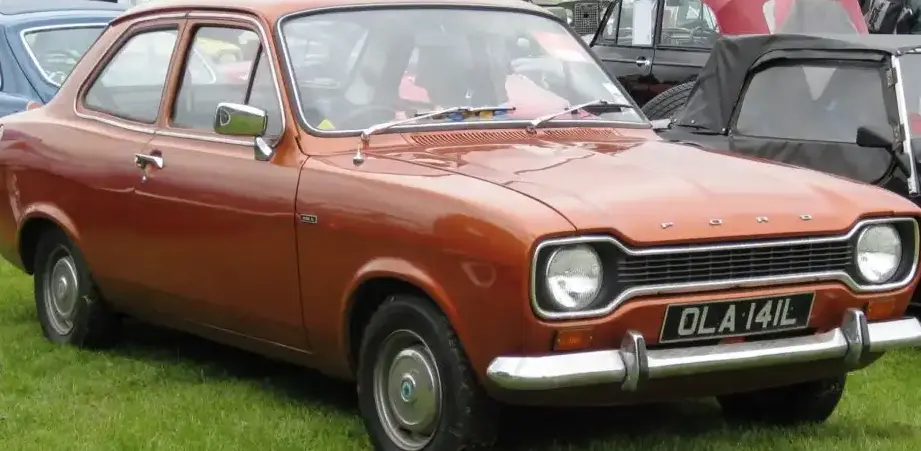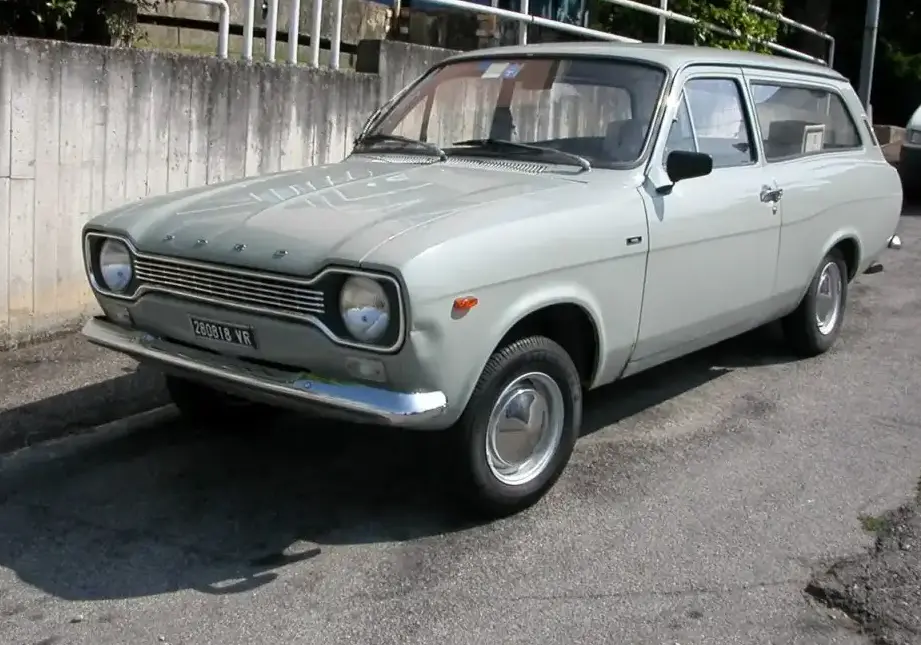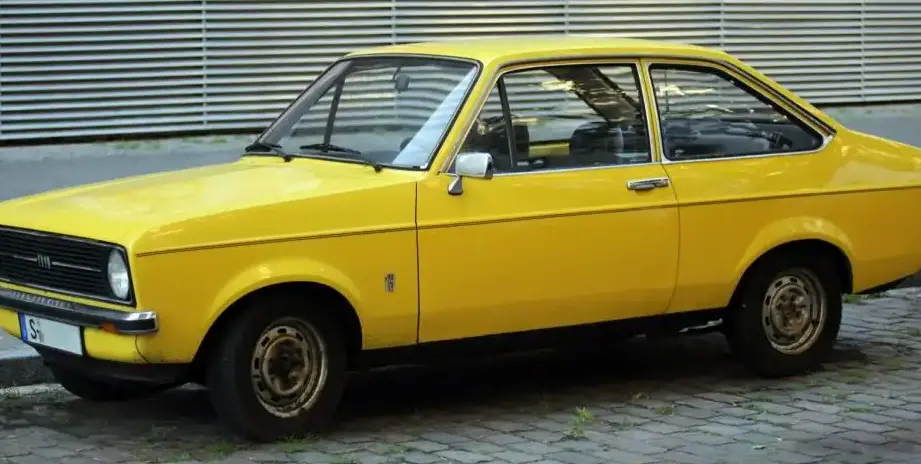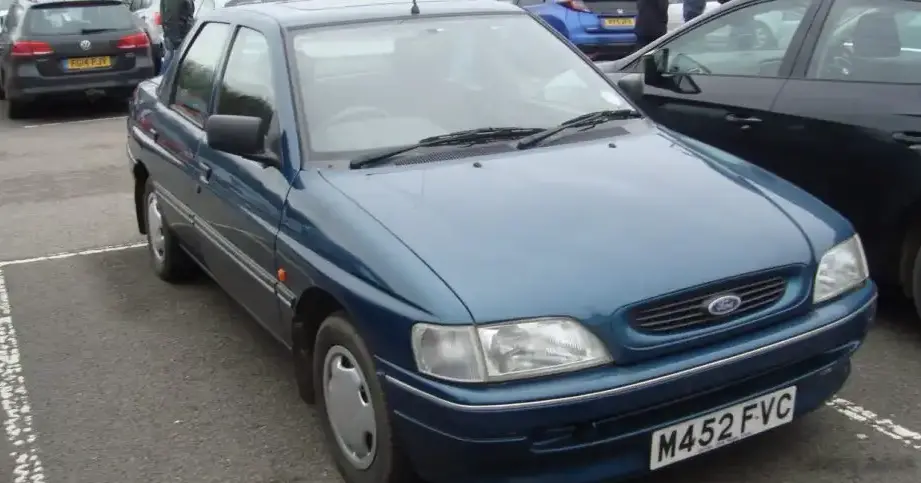
The Ford Escort VI, produced between 1990 and 1995, represented a significant evolution of Ford’s long-running Escort line. Within the GAL generation, the 1.8 XR3i 16V 4×4, manufactured from 1993 to 1995, occupied a niche position as a performance-oriented variant offering all-wheel drive. This model aimed to blend practicality with a sporty driving experience, appealing to buyers seeking a capable and engaging compact car. It was positioned as a step up from the base Escort models, offering more power and sophisticated features, but remained below the more focused RS Cosworth in terms of outright performance and price.
Technical Specifications
| Brand | Ford |
| Model | Escort |
| Generation | Escort VI (GAL) |
| Type | 1.8 XR3i 16V 4×4 (131 Hp) |
| Start of Production | 1993 |
| End of Production | 1995 |
| Powertrain Architecture | Internal Combustion Engine |
| Body Type | Sedan |
| Fuel Type | Petrol (Gasoline) |
| Power | 131 Hp |
| Engine Model/Code | RQB |
| Engine Aspiration | Naturally Aspirated |
| Engine Oil Capacity | 4.25 l (4.49 US qt | 3.74 UK qt) |
| Coolant Capacity | 7 l (7.4 US qt | 6.16 UK qt) |
Powertrain & Engine Architecture
The heart of the 1.8 XR3i 16V 4×4 is the RQB engine, a 1.8-liter, naturally aspirated inline-four cylinder. This engine is a Zetec variant, known for its dual overhead camshafts (DOHC) and four valves per cylinder – hence the “16V” designation. This configuration allowed for improved breathing and higher revs compared to earlier Ford engines. Fuel delivery was managed by a Bosch fuel injection system, providing precise control over the air-fuel mixture. The engine produced 131 horsepower and approximately 133 lb-ft of torque. The engine’s design prioritized a broad torque curve, making it relatively flexible in everyday driving situations.
The transmission paired with the RQB engine was a Ford-sourced four-speed automatic transmission. While not offering the direct control of a manual gearbox, the automatic provided convenience and ease of use, broadening the car’s appeal. The automatic transmission was geared towards comfortable cruising, with ratios selected to optimize fuel economy and reduce engine strain. The all-wheel-drive system was a viscous coupling type, providing automatic torque distribution between the front and rear axles based on traction conditions. This system enhanced stability and grip, particularly on slippery surfaces.
Driving Characteristics
The 1.8 XR3i 16V 4×4 offered a noticeably more engaging driving experience than the standard Escort models. The 131 hp engine, while not exceptionally powerful, provided brisk acceleration. The automatic transmission, while smooth, did result in some power loss compared to the available five-speed manual. Real-world performance saw 0-60 mph times in the low to mid 9-second range, depending on conditions and driver skill. The all-wheel-drive system significantly improved handling and cornering stability, especially in wet or loose conditions. The car felt planted and secure, inspiring confidence in the driver. Compared to the manual transmission versions, the automatic felt slightly less responsive, but offered a more relaxed driving experience. The suspension, tuned for a balance between comfort and handling, provided a reasonably compliant ride without excessive body roll.
Equipment & Trim Levels
The XR3i 16V 4×4 trim level was relatively well-equipped for its time. Standard features typically included power steering, central locking, electric front windows, and an upgraded interior trim. The interior featured sport seats with enhanced bolstering, providing better support during cornering. The dashboard layout was functional and driver-focused, with clear instrumentation. Optional extras included a sunroof, alloy wheels, and a higher-end audio system. The exterior styling was distinguished by a body-colored front spoiler, side skirts, and a rear spoiler, giving the car a more aggressive appearance. Interior upholstery was typically a cloth material, available in a range of colors.
Chassis & Braking
The Escort VI chassis was a relatively conventional design, utilizing a MacPherson strut front suspension and a semi-independent twist beam rear suspension. The XR3i 16V 4×4 benefited from slightly stiffer springs and dampers compared to the standard Escort, improving handling and reducing body roll. The braking system consisted of disc brakes on the front wheels and drum brakes on the rear wheels. Anti-lock braking system (ABS) was often an optional extra, enhancing braking performance and safety. The all-wheel-drive system added weight to the vehicle, which slightly impacted braking distances compared to front-wheel-drive Escorts. Stabilizer bars were fitted to both the front and rear axles, further improving handling stability.
Market Reception & Comparison
The 1.8 XR3i 16V 4×4 was generally well-received by automotive critics. It was praised for its engaging driving experience, improved handling, and all-weather capability. However, some critics noted that the automatic transmission detracted from the car’s sporty character. Fuel economy was reasonable for a performance-oriented car of its era, averaging around 25-30 mpg. Compared to the 1.6-liter Escort models, the XR3i 16V 4×4 offered a significant performance upgrade, but at a higher price point. Compared to the more powerful and focused RS Cosworth, the XR3i 4×4 was seen as a more practical and affordable option, offering a good balance of performance and everyday usability. The 1.9 TDI diesel variant offered superior fuel economy but lacked the XR3i’s sporty character.
Legacy
The Ford Escort VI 1.8 XR3i 16V 4×4 has developed a modest following among classic Ford enthusiasts. The RQB engine is generally considered to be a reliable unit, although regular maintenance is essential. The automatic transmission, while durable, can be prone to wear and tear over time. Parts availability is generally good, although some specific components may be becoming increasingly difficult to find. Today, these Escorts are sought after as affordable and enjoyable classic cars, offering a taste of 1990s Ford performance. The all-wheel-drive system remains a desirable feature, particularly in regions with inclement weather. Well-maintained examples command a reasonable price on the used car market, reflecting their growing appeal to collectors and enthusiasts.