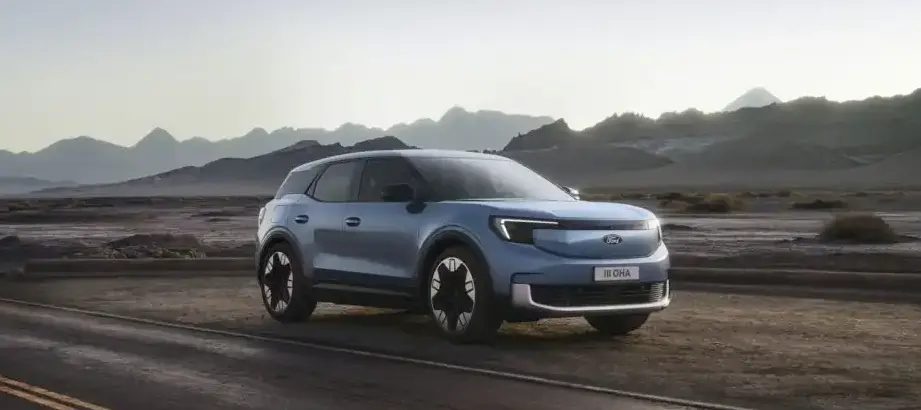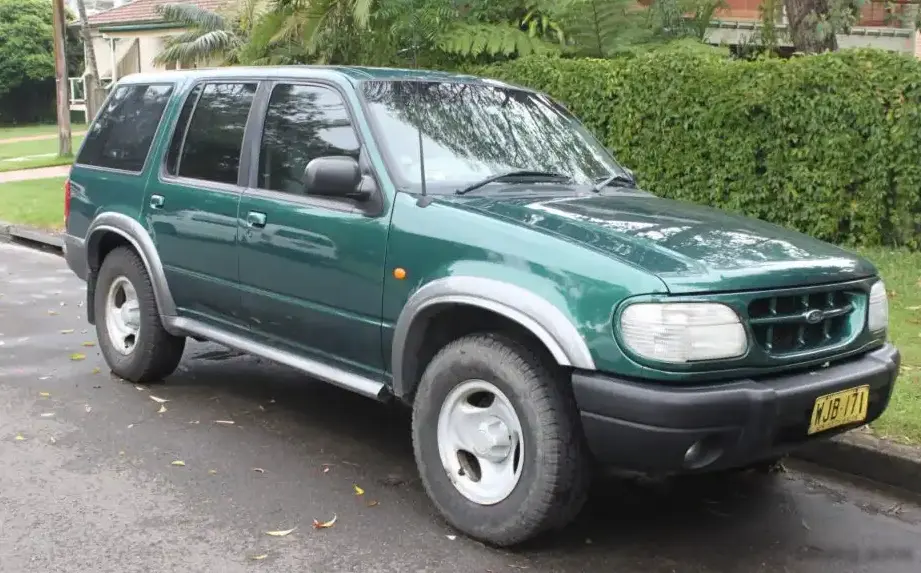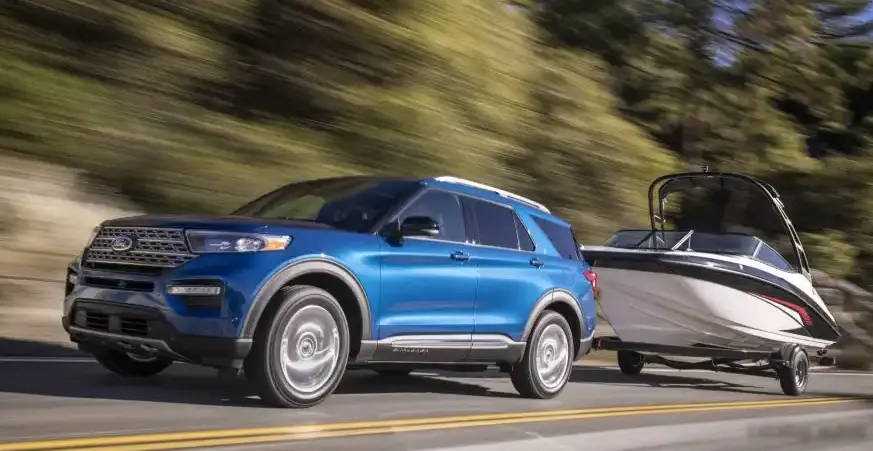
The Ford Explorer ST, introduced for the 2020 model year as part of the sixth generation (2020-2024) Explorer lineup, represented a performance-oriented variant of the popular SUV. Positioned as the flagship trim, the Explorer ST featured a potent 3.0-liter EcoBoost V6 engine producing 400 horsepower and 563 lb-ft of torque, paired exclusively with a 10-speed automatic transmission and a standard all-wheel-drive system. This marked a significant departure from previous Explorer generations, aiming to compete with performance SUVs from European manufacturers. The Explorer ST was built on the D6 platform, shared with the Lincoln Aviator, and represented Ford’s attempt to capture a segment of the market seeking a blend of family practicality and sporty driving dynamics.
Technical Specifications
| Brand | Ford |
| Model | Explorer |
| Generation | Explorer VI |
| Type | ST 3.0 V6 (400 Hp) AWD Automatic |
| Start of production | May, 2019 |
| End of production | February, 2024 |
| Powertrain Architecture | Internal Combustion engine |
| Body type | SUV |
| Seats | 6 |
| Doors | 5 |
| Fuel Type | Petrol (Gasoline) |
| Weight-to-power ratio | 5.3 kg/Hp, 189.1 Hp/tonne |
| Weight-to-torque ratio | 3.8 kg/Nm, 266.2 Nm/tonne |
| Power | 400 Hp @ 5500 rpm |
| Power per litre | 135.3 Hp/l |
| Torque | 563 Nm @ 3500 rpm, 415.25 lb.-ft. @ 3500 rpm |
| Engine layout | Front, Longitudinal |
| Engine displacement | 2956 cm3, 180.39 cu. in. |
| Number of cylinders | 6 |
| Engine configuration | V-engine |
| Cylinder Bore | 85.4 mm, 3.36 in. |
| Piston Stroke | 86 mm, 3.39 in. |
| Compression ratio | 9.5:1 |
| Number of valves per cylinder | 4 |
| Fuel injection system | Direct injection |
| Engine aspiration | Twin-Turbo, Intercooler |
| Valvetrain | DOHC |
| Engine oil capacity | 5.7 l, 6.02 US qt | 5.02 UK qt |
| Coolant | 17 l, 17.96 US qt | 14.96 UK qt |
| Kerb Weight | 2115 kg, 4662.78 lbs |
| Trunk (boot) space – minimum | 515 l, 18.19 cu. ft |
| Trunk (boot) space – maximum | 2485 l, 87.76 cu. ft |
| Fuel tank capacity | 76 l, 20.08 US gal | 16.72 UK gal |
| Permitted trailer load with brakes (12%) | 2537 kg, 5593.13 lbs |
| Length | 5062 mm, 199.29 in |
| Width | 2004 mm, 78.9 in |
| Width with mirrors folded | 2100 mm, 82.68 in |
| Width including mirrors | 2268 mm, 89.29 in |
| Height | 1783 mm, 70.2 in |
| Wheelbase | 3025 mm, 119.09 in |
| Front track | 1699 mm, 66.89 in |
| Rear (Back) track | 1699 mm, 66.89 in |
| Front overhang | 869 mm, 34.21 in |
| Rear overhang | 1168 mm, 45.98 in |
| Ride height (ground clearance) | 211 mm, 8.31 in |
| Approach angle | 21° |
| Departure angle | 21° |
| Ramp-over (brakeover) angle | 17.7° |
| Drive wheel | All wheel drive (4×4) |
| Number of gears and type of gearbox | 10 gears, automatic transmission SelectShift |
| Front suspension | Independent, type McPherson with coil spring and anti-roll bar |
| Rear suspension | Independent multi-link spring suspension with stabilizer |
| Front brakes | Disc |
| Rear brakes | Disc |
| Assisting systems | ABS (Anti-lock braking system) |
| Steering type | Steering rack and pinion |
| Power steering | Electric Steering |
| Tires size | 255/65 R18; 255/55 R20; 275/45 R21 |
| Wheel rims size | 18; 20; 21 |
Powertrain & Engine Architecture
The heart of the Explorer ST is the 3.0-liter EcoBoost V6 engine, internally designated as the BB code. This engine utilizes a twin-turbocharged configuration with electronically controlled wastegates, delivering increased boost and responsiveness. Direct fuel injection is employed for precise fuel delivery and improved combustion efficiency. The engine features a dual overhead camshaft (DOHC) valvetrain with four valves per cylinder, optimizing airflow for enhanced power output. The 10-speed automatic transmission, co-developed with General Motors, provides a wide range of gear ratios for both acceleration and fuel economy. The transmission’s SelectShift functionality allows drivers to manually select gears via paddle shifters or the gear selector. The all-wheel-drive system is primarily front-wheel drive but can dynamically distribute torque to the rear wheels as needed, enhancing traction and stability.
Driving Characteristics
The Explorer ST delivers a noticeably more engaging driving experience compared to other Explorer trims. The 400 horsepower and 563 lb-ft of torque provide strong acceleration, with 0-60 mph times consistently reported in the low-to-mid 5-second range. The 10-speed transmission shifts quickly and smoothly, keeping the engine in its optimal power band. While the Explorer ST’s size and weight prevent it from feeling truly sporty, the upgraded suspension and steering provide improved handling and responsiveness. Compared to the base 2.3L EcoBoost engine, the ST offers a substantial performance upgrade. The V6 also provides a more refined and powerful engine note. The ST’s performance is closer to that of the higher trims, but with a more focused approach to driving dynamics.
Equipment & Trim Levels
The Explorer ST came standard with a comprehensive list of features, including a 12.3-inch digital instrument cluster, an 8-inch touchscreen infotainment system (upgradeable to a 10.1-inch unit), leather upholstery, heated and ventilated front seats, a power liftgate, and a premium sound system. Optional extras included a panoramic sunroof, adaptive cruise control, and a 360-degree camera system. The interior featured unique ST-specific styling cues, such as sport seats with distinctive bolstering and a dark-themed dashboard. Exterior styling elements included a unique grille, blacked-out trim, and larger exhaust outlets.
Chassis & Braking
The Explorer ST features a tuned suspension with stiffer springs and dampers compared to other Explorer trims. A rear stabilizer bar is standard, further enhancing handling stability. The braking system consists of disc brakes on all four wheels, providing ample stopping power. The ST also benefits from larger brake rotors and upgraded brake pads compared to lower trims. The suspension tuning aimed to reduce body roll and improve steering response, resulting in a more confident and controlled driving experience.
Market Reception & Comparison
The Explorer ST was generally well-received by automotive critics, who praised its powerful engine, responsive handling, and well-equipped interior. However, some reviewers noted that the Explorer ST’s size and weight limited its overall agility. Compared to the standard Explorer trims, the ST offered a significant performance upgrade but came at a higher price point. Fuel economy was also slightly lower than the base engine due to the increased power output. Competitors in the performance SUV segment included the Dodge Durango SRT and the Jeep Grand Cherokee SRT, both of which offered similar levels of performance and features.
Legacy
The Explorer ST represented a bold move for Ford, signaling a commitment to offering performance-oriented variants of its popular SUVs. While production ended in February 2024, the Explorer ST has established itself as a desirable model in the used car market. The 3.0-liter EcoBoost V6 engine and 10-speed automatic transmission have proven to be relatively reliable, although regular maintenance is essential. The Explorer ST’s combination of performance, practicality, and features continues to appeal to buyers seeking a versatile and engaging SUV.