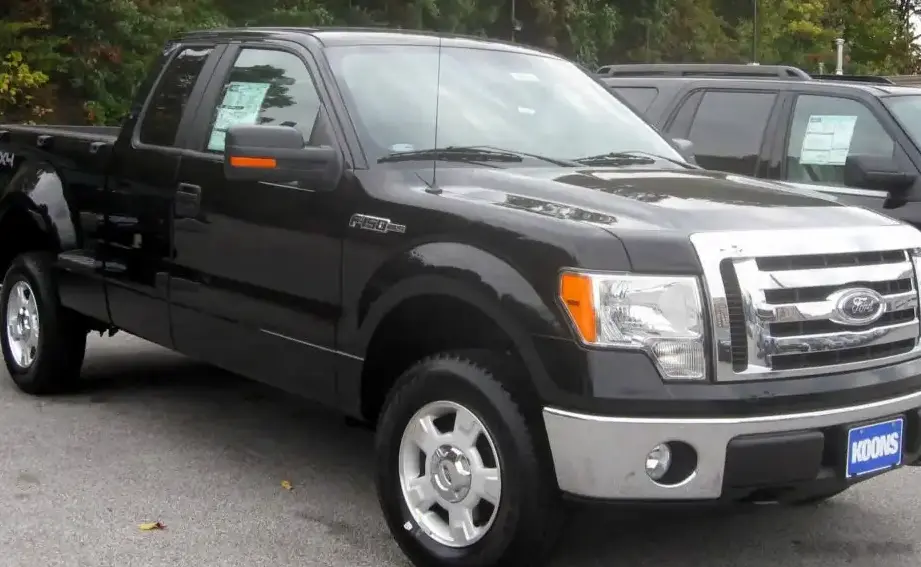
The Ford F-150, consistently the best-selling full-size pickup truck in the United States, entered its twelfth generation (designated F-150 XII) with the 2011 model year. This generation marked a significant departure from its body-on-frame predecessors, adopting an aluminum alloy body for weight reduction and improved fuel efficiency. Among the various engine and drivetrain configurations offered, the 3.7L V6 paired with a six-speed automatic transmission and four-wheel drive represented a key entry point into the F-150 lineup, appealing to buyers prioritizing a balance of capability and affordability. Production of this specific configuration ran from 2011 through 2014.
Technical Specifications
| Brand | Ford |
| Model | F-Series F-150 |
| Generation | F-Series F-150 XII SuperCab |
| Type (Engine) | 3.7 V6 (302 Hp) 4×4 Automatic |
| Start of production | 2011 |
| End of production | 2014 |
| Powertrain Architecture | Internal Combustion engine |
| Body type | Pick-up |
| Seats | 5-6 |
| Doors | 2 |
| Fuel Type | Petrol (Gasoline) |
| Weight-to-power ratio | 8 kg/Hp, 124.8 Hp/tonne |
| Weight-to-torque ratio | 6.4 kg/Nm, 155.8 Nm/tonne |
| Power | 302 Hp @ 6500 rpm |
| Power per litre | 81.6 Hp/l |
| Torque | 377 Nm @ 4000 rpm (278.06 lb.-ft. @ 4000 rpm) |
| Engine layout | Front, Longitudinal |
| Engine displacement | 3703 cm3 (225.97 cu. in.) |
| Number of cylinders | 6 |
| Engine configuration | V-engine |
| Compression ratio | 10.5:1 |
| Number of valves per cylinder | 4 |
| Fuel injection system | Multi-port manifold injection |
| Engine aspiration | Naturally aspirated engine |
| Valvetrain | DOHC, Ti-VCT |
| Engine oil capacity | 5.7 l (6.02 US qt | 5.02 UK qt) |
| Coolant capacity | 15.1 l (15.96 US qt | 13.29 UK qt) |
| Kerb Weight | 2419 kg (5332.98 lbs) |
| Max. weight | 3130 kg (6900.47 lbs) |
| Max load | 711 kg (1567.49 lbs) |
| Fuel tank capacity | 136 l (35.93 US gal | 29.92 UK gal) |
| Permitted trailer load with brakes (12%) | 2495 kg (5500.53 lbs) |
| Length | 5890 mm (231.89 in) |
| Width | 2012 mm (79.21 in) |
| Width including mirrors | 2464 mm (97.01 in) |
| Height | 1933 mm (76.1 in) |
| Wheelbase | 3670 mm (144.49 in) |
| Front track | 1702 mm (67.01 in) |
| Rear track | 1702 mm (67.01 in) |
| Minimum turning circle | 14.3 m (46.92 ft) |
| Drivetrain Architecture | All wheel drive (4×4). ICE drives rear wheels, front wheels engaged via clutch. |
| Number of gears | 6 |
| Gearbox type | Automatic transmission |
| Front suspension | Double wishbone |
| Rear suspension | Leaf spring |
| Front brakes | Ventilated discs, 351×34 mm |
| Rear brakes | Ventilated discs, 348×25 mm |
| Assisting systems | ABS (Anti-lock braking system) |
| Steering type | Steering rack and pinion |
| Power steering | Electric |
| Tires size | 255/70 R17; 265/60 R18; 275/55 R20 |
| Wheel rims size | 7.5J x 17; 7.5j x 18; 8.5J x 20 |
Introduction
The 2011-2014 Ford F-150 SuperCab equipped with the 3.7-liter V6 engine and six-speed automatic transmission represented a strategic offering within the broader F-150 range. Positioned as the base engine option, it aimed to provide a more accessible price point for buyers who didn’t require the higher towing capacity or performance of the larger V8 engines. The SuperCab configuration, with its extended rear doors and seating for up to six passengers, added a degree of practicality for families or crews. This variant was built on the 1HX0 platform, a key component of the twelfth-generation F-150.
Powertrain & Engine Architecture
The heart of this F-150 variant is the 3.7-liter (3703 cc) naturally aspirated V6 engine, internally designated by Ford as the 3.7L Ti-VCT. This engine features a 60-degree V-angle and utilizes a dual overhead camshaft (DOHC) valvetrain with variable valve timing (Ti-VCT) on both intake and exhaust valves. This technology optimizes engine breathing for improved performance and fuel efficiency. The engine employs multi-port fuel injection, delivering fuel directly to the intake ports. The six-speed automatic transmission (6R80) was specifically chosen to complement the engine’s torque curve, providing smooth and efficient gear changes. This transmission featured a wide gear ratio spread, aiding both acceleration and highway cruising.
Driving Characteristics
The 3.7L V6-equipped F-150 offered a noticeably different driving experience compared to its V8 siblings. While it didn’t deliver the same raw power or towing capacity, it provided adequate performance for everyday driving and lighter hauling tasks. The automatic transmission was tuned for comfort and fuel economy, resulting in relatively relaxed acceleration. The gear ratios were optimized for maintaining lower engine speeds at highway speeds, contributing to a quieter cabin experience. Compared to the 5.0L V8 or the 3.5L EcoBoost, the 3.7L felt less responsive, particularly when fully loaded or climbing steep inclines. However, its lighter weight contributed to slightly improved handling and maneuverability.
Equipment & Trim Levels
The 3.7L V6 engine was typically offered in the base XL and mid-range XLT trim levels. The XL trim was fairly basic, featuring standard amenities such as air conditioning, a basic audio system, and vinyl upholstery. The XLT trim added features like power windows and locks, keyless entry, and an upgraded interior with cloth upholstery. Optional extras available for this trim included a trailer brake controller, upgraded audio systems, and various appearance packages. The SuperCab configuration added extended rear doors for easier access to the rear seats and increased interior storage space.
Chassis & Braking
The F-150 XII utilized a fully boxed frame construction, providing a robust foundation for the truck. The front suspension consisted of an independent double wishbone setup, while the rear suspension employed a traditional leaf spring design. This configuration balanced ride comfort with load-carrying capability. Braking duties were handled by ventilated disc brakes on all four wheels, with ABS (Anti-lock Braking System) as standard equipment. The rear brakes were slightly smaller in diameter than the front brakes. The 4×4 system employed an electronically controlled transfer case, allowing the driver to seamlessly switch between two-wheel drive and four-wheel drive modes.
Market Reception & Comparison
Critics generally viewed the 3.7L V6 F-150 as a competent and affordable option, particularly for buyers who didn’t require the heavy-duty capabilities of the larger engines. Fuel economy was a key selling point, offering a noticeable improvement over the V8 models. However, some reviewers noted that the engine felt underpowered when towing or hauling significant loads. Compared to the 5.0L V8, the 3.7L offered lower initial cost but sacrificed performance. The 3.5L EcoBoost, while more expensive, provided a compelling combination of power and fuel efficiency, often making it a more popular choice for buyers seeking a balance of both.
Legacy
The 3.7L V6 engine in the F-150 proved to be a relatively reliable powertrain. While not as widely celebrated as the EcoBoost engines, it offered a solid track record of durability. In the used car market, these F-150s represent a value-oriented option for buyers seeking a capable pickup truck at a lower price point. Maintenance costs are generally reasonable, and parts availability is good. However, potential buyers should be aware of the engine’s limitations when it comes to heavy-duty tasks and ensure the transmission has been properly maintained.