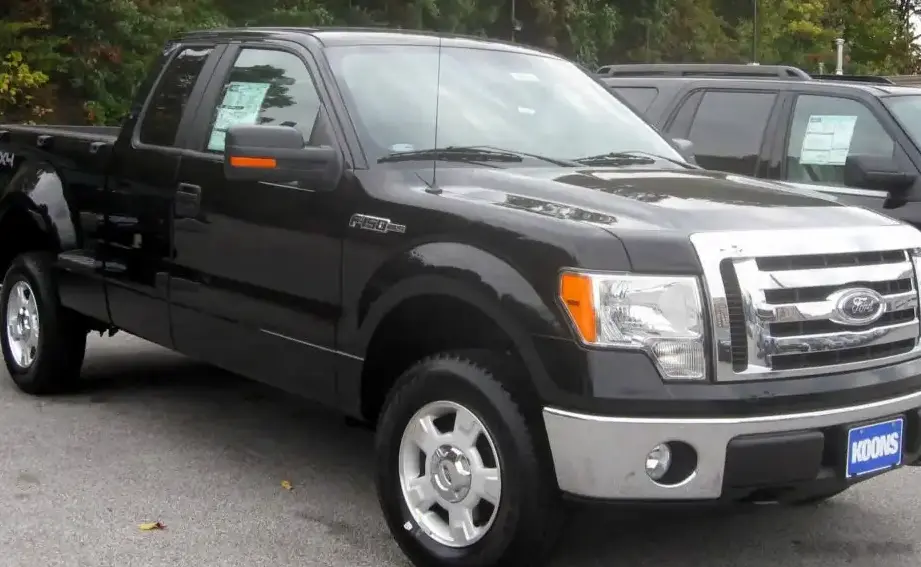
The Ford F-150 SVT Raptor 6.2 V8 4×4 Automatic, produced between 2010 and 2014, represents a significant evolution in the high-performance pickup truck segment. Part of the twelfth generation (F-150 XII) of the Ford F-Series, the Raptor was specifically engineered by Ford’s Special Vehicle Team (SVT) – later Ford Performance – to be a dedicated off-road performance machine. This variant, equipped with the 6.2-liter V8 engine and a six-speed automatic transmission, positioned itself as the top-tier performance option within the F-150 lineup, aimed at enthusiasts seeking uncompromising capability both on and off the pavement. The SuperCab configuration offered extended passenger space compared to the standard cab models.
Technical Specifications
| Brand | Ford |
| Model | F-Series F-150 |
| Generation | F-Series F-150 XII SuperCab |
| Type (Engine) | SVT Raptor 6.2 V8 (411 Hp) 4×4 Automatic |
| Start of production | 2010 |
| End of production | 2014 |
| Powertrain Architecture | Internal Combustion engine |
| Body type | Pick-up |
| Seats | 5 |
| Doors | 2 |
| Fuel Type | Petrol (Gasoline) |
| Weight-to-power ratio | 6.6 kg/Hp, 150.6 Hp/tonne |
| Weight-to-torque ratio | 4.6 kg/Nm, 215.5 Nm/tonne |
| Power | 411 Hp @ 5500 rpm |
| Power per litre | 66.2 Hp/l |
| Torque | 588 Nm @ 4500 rpm (433.69 lb.-ft. @ 4500 rpm) |
| Engine layout | Front, Longitudinal |
| Engine displacement | 6211 cm3 (379.02 cu. in.) |
| Number of cylinders | 8 |
| Engine configuration | V-engine |
| Cylinder Bore | 102.11 mm (4.02 in.) |
| Piston Stroke | 95 mm (3.74 in.) |
| Compression ratio | 9.8:1 |
| Number of valves per cylinder | 2 |
| Fuel injection system | Multi-port manifold injection |
| Engine aspiration | Naturally aspirated engine |
| Valvetrain | SOHC |
| Engine oil capacity | 6.6 l (6.97 US qt | 5.81 UK qt) |
| Coolant | 18.5 l (19.55 US qt | 16.28 UK qt) |
| Kerb Weight | 2729 kg (6016.42 lbs.) |
| Max. weight | 3175 kg (6999.68 lbs.) |
| Max load | 446 kg (983.26 lbs.) |
| Fuel tank capacity | 98 l (25.89 US gal | 21.56 UK gal) |
| Permitted trailer load with brakes (12%) | 2722 kg (6000.98 lbs.) |
| Length | 5603 mm (220.59 in.) |
| Width | 2192 mm (86.3 in.) |
| Height | 1994 mm (78.5 in.) |
| Wheelbase | 3386 mm (133.31 in.) |
| Front track | 1869 mm (73.58 in.) |
| Rear (Back) track | 1869 mm (73.58 in.) |
| Minimum turning circle (turning diameter) | 13.6 m (44.62 ft.) |
| Drivetrain Architecture | All wheel drive (4×4). Internal Combustion engine. |
| Drive wheel | All wheel drive (4×4) |
| Number of gears and type of gearbox | 6 gears, automatic transmission |
| Front suspension | Double wishbone |
| Rear suspension | Leaf spring |
| Front brakes | Ventilated discs, 351 mm |
| Rear brakes | Ventilated discs, 348 mm |
| Assisting systems | ABS (Anti-lock braking system) |
| Steering type | Steering rack and pinion |
| Power steering | Hydraulic Steering |
| Tires size | LT315/70 R17 |
| Wheel rims size | 8.5J x 17 |
INTRODUCTION
The 2010-2014 Ford F-150 SVT Raptor, powered by the 6.2-liter V8 and paired with a six-speed automatic transmission, was a game-changer in the pickup truck market. Built on the F-150’s twelfth generation (2009-2014) platform, internally designated as the F-150 XII, the Raptor wasn’t simply a cosmetic upgrade. It was a comprehensively engineered vehicle designed for high-speed off-road performance. The SuperCab configuration provided additional rear passenger space, making it a more versatile option for those needing to carry both passengers and cargo. This particular variant sat at the top of the Raptor lineup, offering the most powerful engine option available.
Powertrain & Engine Architecture
At the heart of the Raptor was Ford’s 6.2-liter, naturally aspirated V8 engine, internally designated as the 385 series. This engine, derived from Ford’s Super Duty truck lineup, produced 411 horsepower at 5500 rpm and 434 lb-ft of torque at 4500 rpm. It featured a cast-iron block with aluminum cylinder heads, a single overhead camshaft (SOHC) valvetrain with two valves per cylinder, and multi-port fuel injection. The engine’s robust construction and relatively simple design contributed to its durability and reliability. The six-speed 6R80 automatic transmission was specifically calibrated for the Raptor’s off-road demands, offering quick and precise shifts. It featured a wider gear ratio spread than the standard F-150 transmissions, providing both strong low-end torque for crawling and efficient high-speed cruising.
Driving Characteristics
The 6.2-liter V8 and six-speed automatic combination delivered a unique driving experience. While not as fuel-efficient as the EcoBoost V6 option introduced later, the V8 provided a more traditional and visceral driving feel. The automatic transmission, while smooth, wasn’t as quick-shifting as some competitors, but it was well-suited to the Raptor’s intended use. The wide gear ratios allowed for strong acceleration in various terrains. Compared to the standard F-150, the Raptor’s suspension and off-road-tuned tires significantly improved its handling and ride quality on rough surfaces. However, the firm suspension and larger tires did result in a slightly less comfortable ride on paved roads. The Raptor’s 4×4 system, with its electronic locking rear differential, provided exceptional traction in challenging off-road conditions.
Equipment & Trim Levels
The SVT Raptor came standard with a comprehensive list of features designed for both comfort and capability. Interior appointments included cloth or leather upholstery, a unique instrument cluster with off-road focused gauges, and a premium sound system. Standard exterior features included unique Raptor styling cues, such as the prominent “FORD” grille, flared fenders, and off-road tires. Optional extras included a sunroof, navigation system, and upgraded audio systems. The SuperCab configuration added rear seats and increased interior storage space. The Raptor’s interior, while functional, wasn’t as luxurious as some other high-end pickup trucks, reflecting its focus on performance and durability.
Chassis & Braking
The Raptor’s chassis was significantly upgraded compared to the standard F-150. It featured a fully boxed frame, upgraded shocks (typically FOX Racing Shox), and a wider track width. The front suspension utilized a long-travel double-wishbone design, while the rear suspension employed a leaf spring setup with upgraded shocks and leaf springs. This combination provided exceptional wheel travel and damping, allowing the Raptor to absorb large bumps and maintain control in rough terrain. Braking duties were handled by ventilated disc brakes on all four wheels, providing ample stopping power. The ABS system was tuned for off-road use, allowing for some wheel slip while maintaining stability.
Market Reception & Comparison
The Ford F-150 SVT Raptor was widely praised by automotive critics for its exceptional off-road performance and unique driving experience. It quickly gained a loyal following among off-road enthusiasts. Compared to other F-150 trims, the Raptor offered a significantly more capable and focused driving experience. While the EcoBoost V6 Raptor offered better fuel economy, the 6.2-liter V8 was favored by those who preferred its traditional V8 power and sound. Reliability was generally good, although the Raptor’s complex suspension and off-road-focused components required more frequent maintenance than standard F-150 models.
Legacy
The 2010-2014 Ford F-150 SVT Raptor 6.2 V8 4×4 Automatic established a new benchmark for high-performance pickup trucks. It demonstrated that a truck could be both incredibly capable off-road and surprisingly comfortable on the road. The Raptor’s success paved the way for the development of even more capable and refined off-road trucks from Ford and other manufacturers. Today, these Raptors hold their value well in the used car market, particularly well-maintained examples with low mileage. The 6.2-liter V8 powertrain, while not the most fuel-efficient, is known for its durability and reliability, making it a desirable option for those seeking a robust and capable off-road machine.