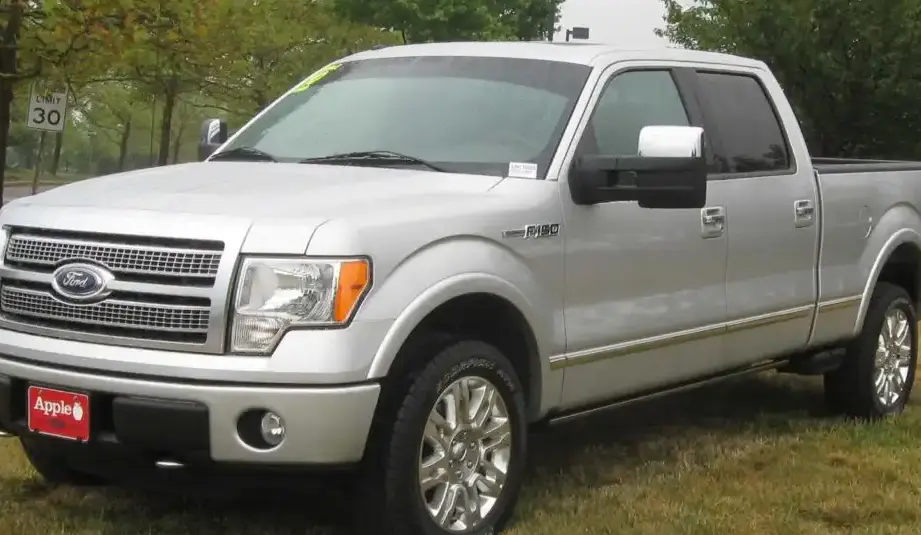
The Ford F-150 SVT Raptor 6.2 V8 4×4 Automatic, produced between 2010 and 2014, represents a significant evolution in the high-performance pickup truck segment. Part of the twelfth generation (F-150 XII) of the Ford F-Series, the Raptor was specifically engineered by Ford’s Special Vehicle Team (SVT) – later Performance Vehicles – to be a dedicated off-road performance machine. This variant, equipped with the 6.2-liter V8 engine and a six-speed automatic transmission, positioned itself as the top-tier performance offering within the F-150 lineup, distinct from the standard F-150 models focused on work and everyday utility. The SuperCrew configuration offered a larger rear passenger area, making it a more versatile option for owners needing both capability and passenger space.
Technical Specifications
| Brand | Ford |
| Model | F-Series F-100/F-150 |
| Generation | F-Series F-150 XII SuperCrew |
| Type (Engine) | SVT Raptor 6.2 V8 (411 Hp) 4×4 Automatic |
| Start of production | 2010 |
| End of production | 2014 |
| Powertrain Architecture | Internal Combustion engine |
| Body type | Pick-up |
| Seats | 5 |
| Doors | 4 |
| Fuel Type | Petrol (Gasoline) |
| Weight-to-power ratio | 6.9 kg/Hp, 145.9 Hp/tonne |
| Weight-to-torque ratio | 4.8 kg/Nm, 208.7 Nm/tonne |
| Power | 411 Hp @ 5500 rpm |
| Power per litre | 66.2 Hp/l |
| Torque | 588 Nm @ 4500 rpm, 433.69 lb.-ft. @ 4500 rpm |
| Engine layout | Front, Longitudinal |
| Engine displacement | 6211 cm3, 379.02 cu. in. |
| Number of cylinders | 8 |
| Engine configuration | V-engine |
| Cylinder Bore | 102.11 mm, 4.02 in. |
| Piston Stroke | 95 mm, 3.74 in. |
| Compression ratio | 9.8:1 |
| Number of valves per cylinder | 2 |
| Fuel injection system | Multi-port manifold injection |
| Engine aspiration | Naturally aspirated engine |
| Valvetrain | SOHC |
| Engine oil capacity | 6.6 l, 6.97 US qt | 5.81 UK qt |
| Coolant | 18.5 l, 19.55 US qt | 16.28 UK qt |
| Kerb Weight | 2817 kg, 6210.42 lbs |
| Max. weight | 3311 kg, 7299.51 lbs |
| Max load | 494 kg, 1089.08 lbs |
| Fuel tank capacity | 136 l, 35.93 US gal | 29.92 UK gal |
| Permitted trailer load with brakes (12%) | 3629 kg, 8000.58 lbs |
| Length | 5895 mm, 232.09 in |
| Width | 2192 mm, 86.3 in |
| Height | 1991 mm, 78.39 in |
| Wheelbase | 3688 mm, 145.2 in |
| Front track | 1869 mm, 73.58 in |
| Rear (Back) track | 1869 mm, 73.58 in |
| Minimum turning circle (turning diameter) | 14.3 m, 46.92 ft |
| Drivetrain Architecture | All wheel drive (4×4). ICE drives rear wheels, front wheels engaged via clutch. |
| Number of gears and type of gearbox | 6 gears, automatic transmission |
| Front suspension | Double wishbone |
| Rear suspension | Leaf spring |
| Front brakes | Ventilated discs, 351 mm |
| Rear brakes | Ventilated discs, 348 mm |
| Assisting systems | ABS (Anti-lock braking system) |
| Steering type | Steering rack and pinion |
| Power steering | Hydraulic Steering |
| Tires size | LT315/70 R17 |
| Wheel rims size | 8.5J x 17 |
INTRODUCTION
The 2010-2014 Ford F-150 SVT Raptor with the 6.2-liter V8 and automatic transmission was a game-changer in the truck market. Built on the F-150’s robust frame, the Raptor was significantly modified for high-speed off-road performance. The SuperCrew body style offered five seats and a larger cabin, appealing to buyers who wanted both capability and practicality. This generation Raptor was built on the P2 platform, also known as the 1HX0/A3 platform, shared with other Ford vehicles of the era. It quickly gained a reputation for its aggressive styling, powerful engine, and exceptional off-road prowess, setting a new benchmark for factory-built performance trucks.
Powertrain & Engine Architecture
The heart of the Raptor is Ford’s 6.2-liter, naturally aspirated V8 engine, internally designated as the 385 series. This engine, derived from Ford’s Super Duty truck engines, produces 411 horsepower at 5500 rpm and 434 lb-ft of torque at 4500 rpm. It features a cast-iron block with aluminum cylinder heads, and utilizes a single overhead camshaft (SOHC) valvetrain with two valves per cylinder. Fuel delivery is managed by a multi-port fuel injection system. The engine’s robust construction and relatively simple design contribute to its reliability. The 6R80E six-speed automatic transmission was specifically tuned for the Raptor, featuring stronger internals and a revised torque converter to handle the engine’s output and the demands of off-road driving. The transmission offers a wide gear ratio spread, providing both strong acceleration and efficient cruising.
Driving Characteristics
The 6.2-liter V8 and automatic transmission combination delivers a distinct driving experience. While not as fuel-efficient as the EcoBoost V6 that later became available, the V8 provides a satisfyingly raw and powerful feel. The automatic transmission shifts smoothly, but with a firmness that suits the Raptor’s performance intentions. Compared to a manual transmission-equipped Raptor, the automatic offers ease of use, particularly in challenging off-road conditions. However, some enthusiasts prefer the greater control offered by a manual gearbox. The Raptor’s wide track and long-travel suspension, combined with the engine’s torque, allow for impressive acceleration and stability both on and off-road. The 4×4 system, with its electronically controlled front differential, provides excellent traction in a variety of terrains.
Equipment & Trim Levels
The SVT Raptor came standard with a comprehensive list of features designed to enhance both comfort and capability. Standard interior features included cloth seats, air conditioning, a basic audio system, and power windows and locks. The SuperCrew configuration offered a spacious rear seat, making it suitable for families. Optional extras included leather upholstery, a premium audio system, navigation, and a sunroof. Exterior features included unique Raptor styling cues, such as the distinctive grille, fender flares, and off-road tires. The Raptor also featured skid plates to protect vital components during off-road adventures.
Chassis & Braking
The Raptor’s chassis is a heavily modified version of the standard F-150 frame, with increased strength and durability. The front suspension utilizes a long-travel, double-wishbone design with Fox Racing Shox, providing exceptional wheel travel and damping. The rear suspension employs a leaf spring setup, also with Fox Racing Shox, optimized for off-road performance. Braking duties are handled by ventilated disc brakes at all four corners, with larger rotors than those found on standard F-150 models. The anti-lock braking system (ABS) helps maintain control during hard braking. The Raptor’s wide track and robust suspension contribute to its exceptional stability and handling.
Market Reception & Comparison
The Ford F-150 SVT Raptor was widely praised by automotive critics for its exceptional off-road performance and aggressive styling. It quickly became a popular choice among truck enthusiasts and off-road adventurers. Compared to other F-150 trims, the Raptor offered a significantly more capable and refined off-road experience. While the 6.2-liter V8 offered strong performance, it was less fuel-efficient than the later EcoBoost V6 option. Reliability was generally good, although some owners reported issues with the cooling system and electronic components. The Raptor’s higher price tag also positioned it as a premium offering within the F-150 lineup.
Legacy
The Ford F-150 SVT Raptor 6.2 V8 4×4 Automatic has established itself as a highly sought-after vehicle in the used car market. Its combination of power, capability, and distinctive styling has made it a collector’s item for many truck enthusiasts. The 6.2-liter V8 engine is known for its durability and relatively simple maintenance requirements. While older models may require some maintenance due to their age, the Raptor remains a capable and enjoyable truck for both on-road and off-road use. The Raptor’s success paved the way for future generations of high-performance pickup trucks, solidifying Ford’s position as a leader in the segment.