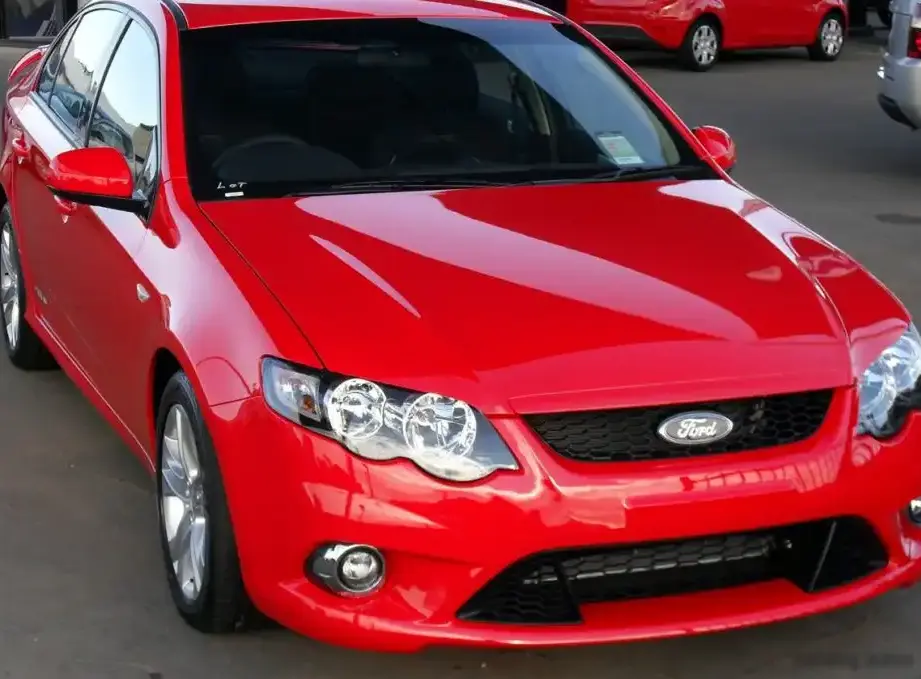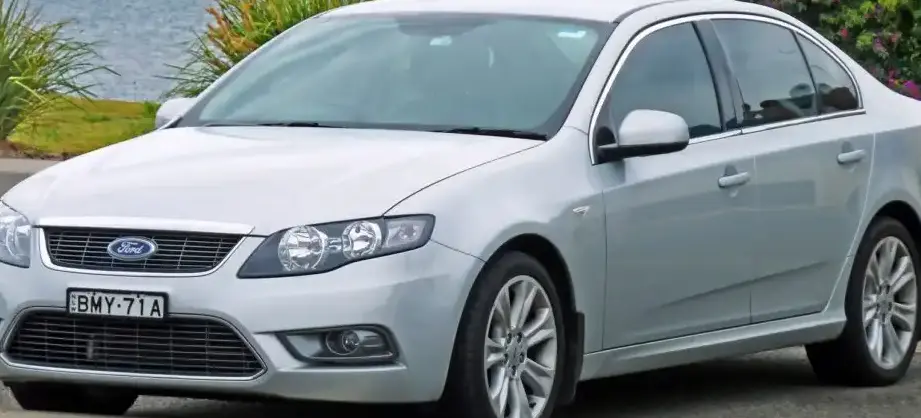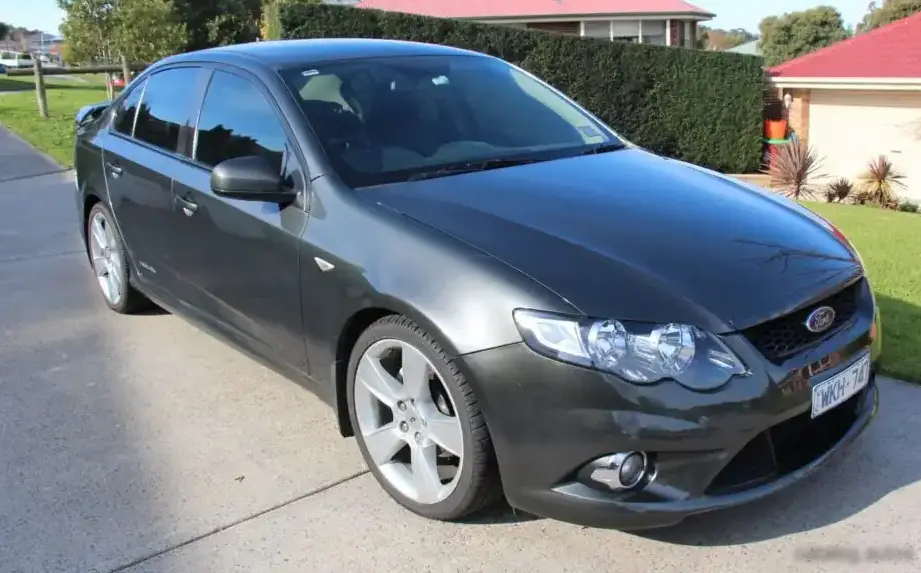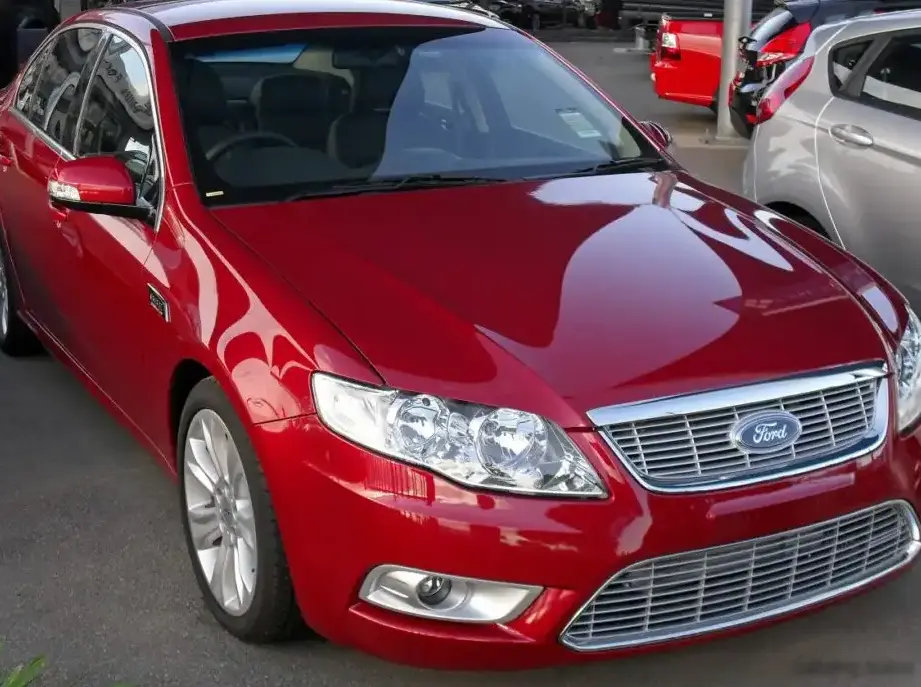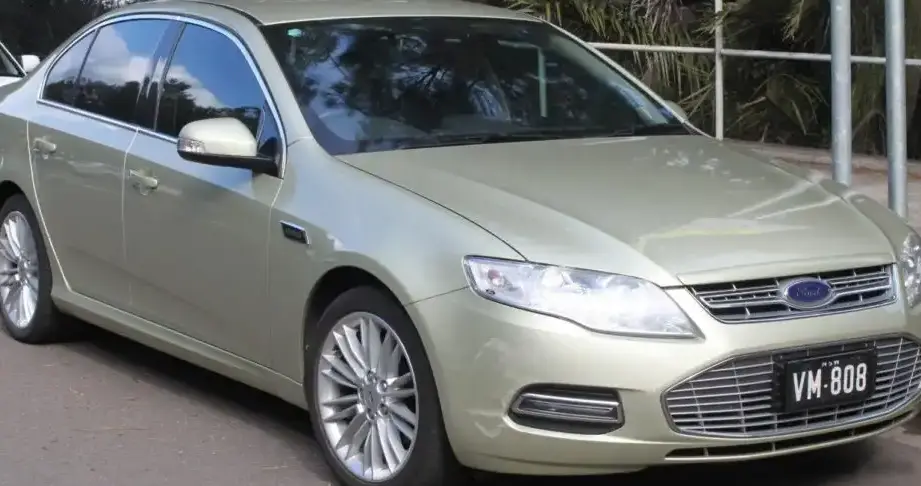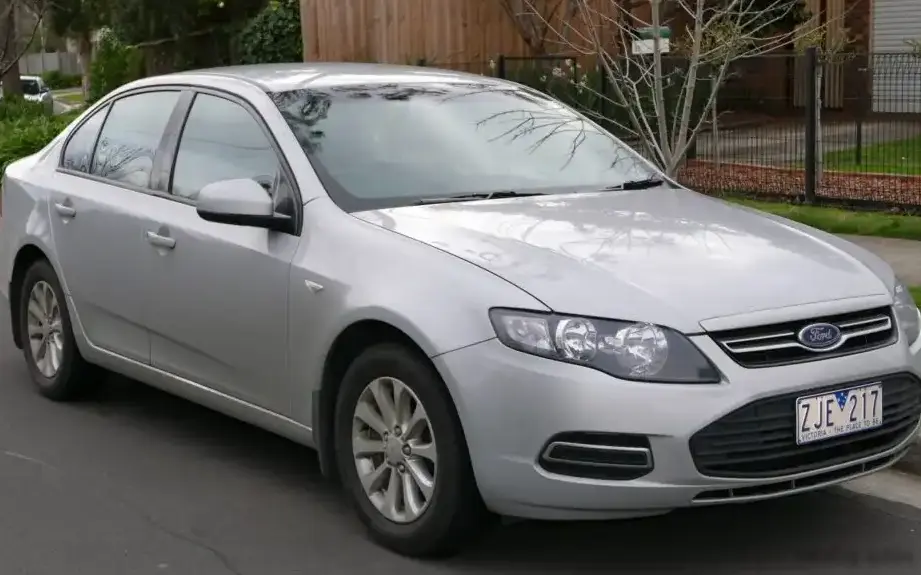
The Ford Falcon FG X 4.0 DI-VCT, produced from 2011 to 2014, represented a significant update to the long-running Falcon lineage, marking the final major iteration of Australia’s iconic rear-wheel-drive family sedan before the end of Australian automotive manufacturing. This variant, equipped with the 4.0-liter Barra 195 inline-six engine and a six-speed automatic transmission, occupied a sweet spot in the Falcon lineup, offering a balance of performance, refinement, and practicality. It was positioned as a mid-range offering, appealing to buyers seeking more power than the base four-cylinder models but without the outright performance focus of the XR6 Turbo or XR8. The FG X facelift brought revised styling, improved interior materials, and enhanced technology compared to the earlier FG models.
Technical Specifications
| Brand | Ford |
| Model | Falcon |
| Generation | Falcon (FG, facelift 2011) |
| Type (Engine) | 4.0 DI-VCT (265 Hp) Automatic |
| Start of production | 2011 |
| End of production | 2014 |
| Powertrain Architecture | Internal Combustion engine |
| Body type | Sedan |
| Seats | 5 |
| Doors | 4 |
| Fuel consumption (urban) | 13.8 l/100 km (17 US mpg, 20.5 UK mpg) |
| Fuel consumption (extra urban) | 7.6 l/100 km (30.9 US mpg, 37.2 UK mpg) |
| Fuel consumption (combined) | 9.9 l/100 km (23.8 US mpg, 28.5 UK mpg) |
| CO2 emissions | 236 g/km |
| Fuel Type | Petrol (Gasoline) |
| Weight-to-power ratio | 6.5 kg/Hp |
| Weight-to-torque ratio | 4.4 kg/Nm |
| Power | 265 Hp @ 6000 rpm |
| Power per litre | 66.5 Hp/l |
| Torque | 391 Nm @ 3250 rpm (288.39 lb.-ft. @ 3250 rpm) |
| Engine layout | Front, Longitudinal |
| Engine Model/Code | Barra 195 |
| Engine displacement | 3983 cm3 (243.06 cu. in.) |
| Number of cylinders | 6 |
| Engine configuration | Inline |
| Cylinder Bore | 92.25 mm (3.63 in.) |
| Piston Stroke | 99.31 mm (3.91 in.) |
| Compression ratio | 10.3:1 |
| Number of valves per cylinder | 4 |
| Fuel injection system | Multi-port manifold injection |
| Engine aspiration | Naturally aspirated |
| Valvetrain | DOHC |
| Kerb Weight | 1710 kg (3769.9 lbs.) |
| Trunk (boot) space (minimum) | 535 l (18.89 cu. ft.) |
| Fuel tank capacity | 68 l (17.96 US gal, 14.96 UK gal) |
| Permitted trailer load with brakes (12%) | 2300 kg (5070.63 lbs.) |
| Length | 4955 mm (195.08 in.) |
| Width | 1868 mm (73.54 in.) |
| Width including mirrors | 2100 mm (82.68 in.) |
| Height | 1453 mm (57.2 in.) |
| Wheelbase | 2838 mm (111.73 in.) |
| Front track | 1583 mm (62.32 in.) |
| Rear track | 1598 mm (62.91 in.) |
| Front overhang | 942 mm (37.09 in.) |
| Rear overhang | 1175 mm (46.26 in.) |
| Minimum turning circle | 11 m (36.09 ft.) |
| Drivetrain Architecture | Rear wheel drive |
| Number of gears | 6 |
| Gearbox type | Automatic transmission |
| Front suspension | Double wishbone |
| Rear suspension | Independent multi-link |
| Front brakes | Ventilated discs |
| Rear brakes | Disc |
| Assisting systems | ABS (Anti-lock braking system) |
| Steering type | Steering rack and pinion |
| Power steering | Hydraulic |
| Tire size | 215/60 R16; 235/50 17; 245/40 R18; 245/35 R19 |
| Wheel rim size | 6.5J x 16; 8J x 17; 8J x 18; 8J x 19 |
INTRODUCTION
The Ford Falcon FG X 4.0 DI-VCT Automatic, produced between 2011 and 2014, was a key variant within the final generation of the Australian-made Falcon. Built on the FG platform (a heavily revised version of the earlier BA/BF series), the FG X represented a concerted effort to modernize the Falcon and maintain its appeal in a market increasingly dominated by imported vehicles. The 4.0-liter Barra 195 engine, paired with a six-speed automatic transmission, offered a compelling blend of performance and fuel efficiency, making it a popular choice for families and individuals alike. This model served as a bridge between the more basic four-cylinder Falcons and the performance-oriented XR models.
Powertrain & Engine Architecture
At the heart of the FG X 4.0 DI-VCT was the Barra 195 inline-six engine. This 3.983-liter (243.06 cubic inch) engine featured double overhead camshafts (DOHC), four valves per cylinder, and multi-port fuel injection. The “DI-VCT” designation stands for Dual Independent Variable Camshaft Timing, a technology that allowed the engine to optimize valve timing for improved performance and fuel economy across a wider range of engine speeds. The Barra engine was known for its robust construction and relatively simple design, contributing to its reliability. The six-speed automatic transmission, sourced from ZF, provided smooth and responsive gear changes. It was a significant upgrade over the previous four-speed automatic, offering closer gear ratios and improved fuel efficiency. The transmission featured a torque converter lock-up clutch to minimize slippage and further enhance efficiency.
Driving Characteristics
The 4.0-liter Falcon Automatic delivered a comfortable and capable driving experience. While not as overtly sporty as the XR6 Turbo, it provided ample power for everyday driving and overtaking maneuvers. The 265 horsepower and 391 Nm (288.39 lb-ft) of torque were readily available, providing a linear power delivery that made it easy to modulate. The automatic transmission was well-tuned, offering smooth shifts and a willingness to downshift when needed. Compared to the manual transmission versions, the automatic offered greater convenience, particularly in urban traffic. However, it did result in a slight reduction in fuel economy and a less engaging driving experience for enthusiasts. The rear-wheel-drive configuration provided a balanced feel and predictable handling, although it lacked the all-weather capability of all-wheel-drive vehicles.
Equipment & Trim Levels
The FG X 4.0 DI-VCT Automatic was typically equipped with a respectable level of standard features. These included air conditioning, power windows and mirrors, a multi-function steering wheel, and a basic audio system with a CD player and auxiliary input. Higher trim levels, such as the G6, added features like alloy wheels, fog lights, a color multi-function display in the instrument cluster, and upgraded interior trim. Optional extras included a sunroof, leather upholstery, a premium audio system, and satellite navigation. Interior upholstery was typically cloth, although leather was available as an option. The dashboard layout was functional and straightforward, with a focus on ease of use.
Chassis & Braking
The FG X Falcon utilized a robust chassis with double wishbone front suspension and an independent multi-link rear suspension. This suspension setup provided a comfortable ride and good handling characteristics. The steering was hydraulic power-assisted, offering a direct and responsive feel. Braking duties were handled by ventilated discs at the front and solid discs at the rear. Anti-lock braking system (ABS) was standard, providing enhanced safety during emergency braking situations. The Falcon’s relatively heavy weight (1710 kg / 3769.9 lbs) meant that the braking system needed to work hard, but it generally performed adequately.
Market Reception & Comparison
The FG X 4.0 DI-VCT Automatic was generally well-received by Australian motoring journalists and consumers. It was praised for its comfortable ride, spacious interior, and strong engine performance. However, some critics noted that its fuel economy was relatively high compared to more modern vehicles. Compared to the XR6 Turbo, the 4.0-liter model offered less outright performance but was more affordable and easier to live with on a daily basis. The 4.0-liter also proved to be more reliable than the turbocharged XR6, as it had fewer complex components. Against the base four-cylinder models, the 4.0-liter offered a significant performance upgrade, making it a worthwhile investment for those who frequently drove on highways or carried passengers and luggage.
Legacy
The Ford Falcon FG X 4.0 DI-VCT Automatic holds a special place in Australian automotive history as one of the last Falcons ever produced. The Barra 195 engine is regarded as a durable and reliable powerplant, and well-maintained examples continue to be sought after by enthusiasts. While fuel economy may not be its strong suit by modern standards, the Falcon’s spaciousness, comfort, and rear-wheel-drive dynamics continue to appeal to a dedicated following. In the used car market, these Falcons represent a relatively affordable way to experience a piece of Australian automotive heritage. The simplicity of the engine and transmission also makes them relatively easy to maintain and repair, further contributing to their enduring appeal.