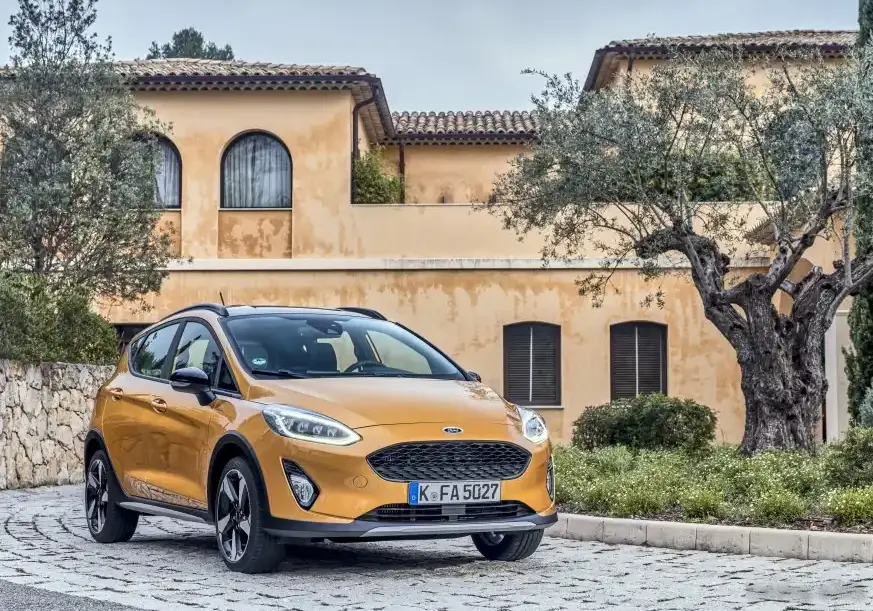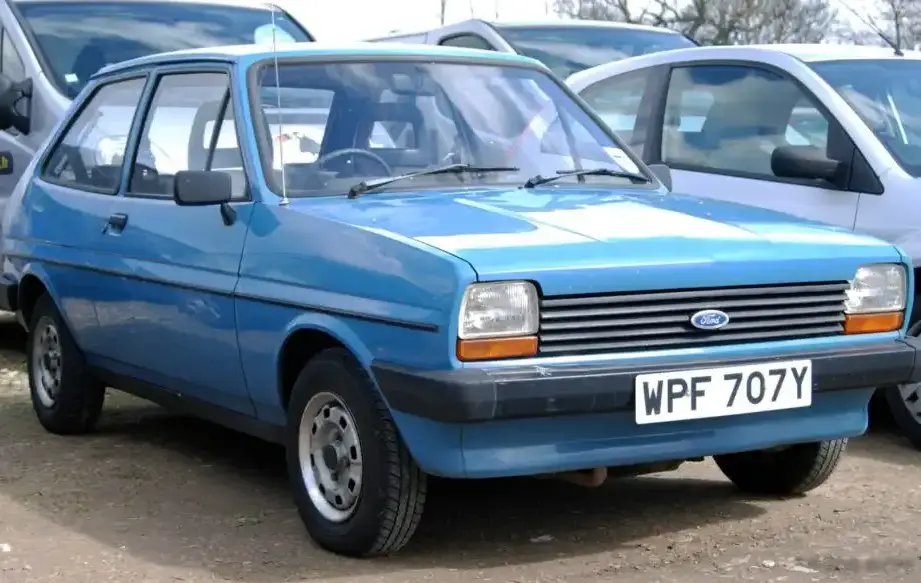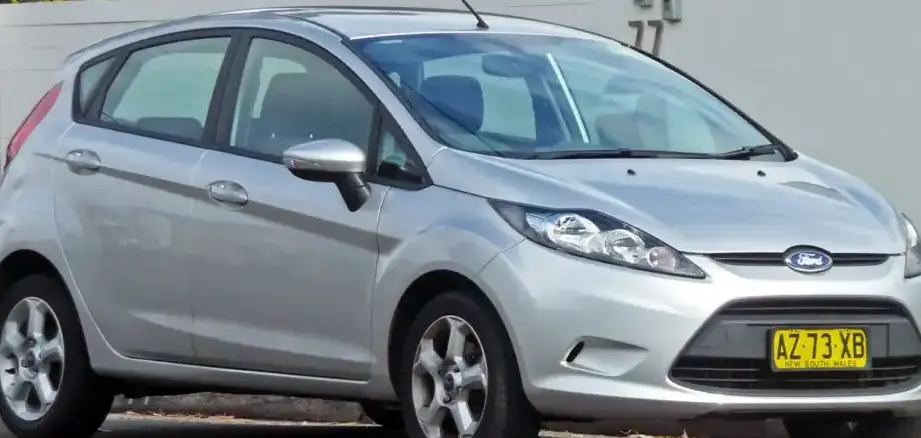
The Ford Fiesta Mk7, produced from 2008 to 2012, represented a significant leap forward for Ford’s supermini. The 1.6 Ti-VCT variant, generating 120 horsepower, occupied a middle ground within the Mk7 Fiesta lineup, positioned above the base 1.25L engine and below the performance-oriented models like the Fiesta ST. This five-door hatchback aimed to balance fuel efficiency with a more engaging driving experience than the entry-level options, appealing to buyers seeking a practical and reasonably spirited daily driver. It was a key model in Ford of Europe’s strategy to offer a broad range of Fiesta configurations to suit diverse customer needs.
Technical Specifications
| Brand | Ford |
| Model | Fiesta |
| Generation | Fiesta VII (Mk7) 5 door |
| Type (Engine) | 1.6 Ti-VCT (120 Hp) |
| Start of production | 2008 |
| End of production | 2012 |
| Powertrain Architecture | Internal Combustion engine |
| Body type | Hatchback |
| Seats | 5 |
| Doors | 5 |
| Fuel consumption (urban) | 7.9 l/100 km (29.8 US mpg, 35.8 UK mpg, 12.7 km/l) |
| Fuel consumption (extra urban) | 4.7 l/100 km (50 US mpg, 60.1 UK mpg, 21.3 km/l) |
| Fuel consumption (combined) | 5.9 l/100 km (39.9 US mpg, 47.9 UK mpg, 16.9 km/l) |
| CO2 emissions | 139 g/km |
| Fuel Type | Petrol (Gasoline) |
| Acceleration 0 – 100 km/h | 9.9 sec |
| Acceleration 0 – 62 mph | 9.9 sec |
| Acceleration 0 – 60 mph | 9.4 sec |
| Maximum speed | 193 km/h (119.92 mph) |
| Emission standard | Euro 4 |
| Weight-to-power ratio | 9.3 kg/Hp, 107.2 Hp/tonne |
| Weight-to-torque ratio | 7.4 kg/Nm, 135.8 Nm/tonne |
| Power | 120 Hp @ 6000 rpm |
| Power per litre | 75.2 Hp/l |
| Torque | 152 Nm @ 4050 rpm (112.11 lb.-ft. @ 4050 rpm) |
| Engine layout | Front, Transverse |
| Engine Model/Code | HXJA |
| Engine displacement | 1596 cm3 (97.39 cu. in.) |
| Number of cylinders | 4 |
| Engine configuration | Inline |
| Cylinder Bore | 79 mm (3.11 in.) |
| Piston Stroke | 81.4 mm (3.2 in.) |
| Compression ratio | 11:1 |
| Number of valves per cylinder | 4 |
| Fuel injection system | Multi-port manifold injection |
| Engine aspiration | Naturally aspirated engine |
| Valvetrain | DOHC, Ti-VCT |
| Engine oil capacity | 4.05 l (4.28 US qt | 3.56 UK qt) |
| Coolant | 5.5 l (5.81 US qt | 4.84 UK qt) |
| Kerb Weight | 1119 kg (2466.97 lbs.) |
| Max. weight | 1500 kg (3306.93 lbs.) |
| Max load | 381 kg (839.96 lbs.) |
| Trunk (boot) space – minimum | 295 l (10.42 cu. ft.) |
| Trunk (boot) space – maximum | 979 l (34.57 cu. ft.) |
| Fuel tank capacity | 45 l (11.89 US gal | 9.9 UK gal) |
| Length | 3950 mm (155.51 in.) |
| Width | 1722 mm (67.8 in.) |
| Width including mirrors | 1973 mm (77.68 in.) |
| Height | 1481 mm (58.31 in.) |
| Wheelbase | 2489 mm (97.99 in.) |
| Front track | 1493 mm (58.78 in.) |
| Rear (Back) track | 1480 mm (58.27 in.) |
| Minimum turning circle | 10.2 m (33.46 ft.) |
| Drivetrain Architecture | Front wheel drive |
| Number of gears | 5 |
| Gearbox type | Manual transmission |
| Front suspension | Independent, type McPherson with coil spring and anti-roll bar |
| Rear suspension | Coil spring, Torsion |
| Front brakes | Ventilated discs |
| Rear brakes | Drum |
| Assisting systems | ABS (Anti-lock braking system) |
| Steering type | Steering rack and pinion |
| Power steering | Electric Steering |
| Tires size | 195/50 R15 |
| Wheel rims size | 6J x 15 |
Powertrain & Engine Architecture
The heart of the Fiesta 1.6 Ti-VCT was the HXJA engine, a 1.6-liter inline-four cylinder gasoline engine. “Ti-VCT” stands for Twin Independent Variable Camshaft Timing, a technology that allowed Ford to optimize valve timing for both improved performance and fuel efficiency. The engine utilized multi-port fuel injection, delivering fuel directly into the intake ports. The 16-valve DOHC (Double Overhead Camshaft) configuration further enhanced breathing and contributed to the engine’s relatively high output for its displacement. The engine’s design prioritized refinement and responsiveness over outright power, making it well-suited for everyday driving. The five-speed manual transmission was the standard offering, providing a direct connection between the engine and the front wheels. Gear ratios were tuned for a balance of acceleration and fuel economy, with a relatively tall fifth gear for highway cruising.
Driving Characteristics
The 1.6 Ti-VCT Fiesta offered a noticeable step up in performance compared to the smaller-displacement engines. While not a sports car, the 120 horsepower engine provided adequate acceleration for merging onto highways and overtaking slower traffic. The 0-60 mph time of around 9.4 seconds was respectable for a supermini of that era. The Ti-VCT system contributed to a broad torque curve, making the engine feel responsive throughout the rev range. Compared to the 1.25L Fiesta, the 1.6 felt significantly more relaxed at highway speeds, requiring less frequent downshifting. However, it didn’t possess the punch of the later Fiesta ST models. The manual transmission offered a precise and engaging shift feel, enhancing the driving experience. The relatively light weight of the Fiesta Mk7 further contributed to its nimble handling.
Equipment & Trim Levels
The 1.6 Ti-VCT Fiesta was typically offered in mid-range trim levels, such as ‘Zetec’ or ‘Titanium’ depending on the market. Standard equipment generally included air conditioning, power steering, electric front windows, a CD player with auxiliary input, and ABS brakes. Higher trim levels added features like alloy wheels, fog lights, a trip computer, and upgraded interior trim. Optional extras included a sunroof, parking sensors, and a premium sound system. Interior upholstery was typically cloth, with a focus on durability and practicality. The dashboard layout was functional and driver-focused, with clear instrumentation and logically placed controls.
Chassis & Braking
The Fiesta Mk7 utilized a McPherson strut front suspension and a torsion beam rear suspension. This setup provided a good balance of ride comfort and handling. The front suspension featured a stabilizer bar to reduce body roll during cornering. Braking duties were handled by ventilated discs at the front and drum brakes at the rear. ABS (Anti-lock Braking System) was standard, enhancing safety and stability during emergency braking. The electric power steering provided light and precise steering feel, making the Fiesta easy to maneuver in urban environments.
Market Reception & Comparison
The 1.6 Ti-VCT Fiesta was generally well-received by automotive critics. It was praised for its refined engine, responsive handling, and good fuel economy. Compared to the base 1.25L model, the 1.6 offered a significant improvement in performance without sacrificing fuel efficiency. It was seen as a more versatile option for drivers who frequently undertook longer journeys or carried passengers. However, some critics noted that the interior plastics felt somewhat low-rent compared to some of its rivals. Fuel economy figures of around 39.9 US mpg combined were competitive for the segment. Reliability was generally good, although some owners reported minor issues with the electrical system.
Legacy
The 1.6 Ti-VCT Fiesta Mk7 remains a popular choice on the used car market. The HXJA engine is known for its durability and relatively low maintenance costs. While not as sought-after as the Fiesta ST, the 1.6 Ti-VCT offers a good balance of practicality, performance, and affordability. Parts availability is generally good, and the Fiesta Mk7 is relatively easy to maintain. Its reputation as a reliable and economical supermini ensures its continued presence on roads today, offering a compelling option for budget-conscious buyers seeking a well-rounded and enjoyable driving experience.