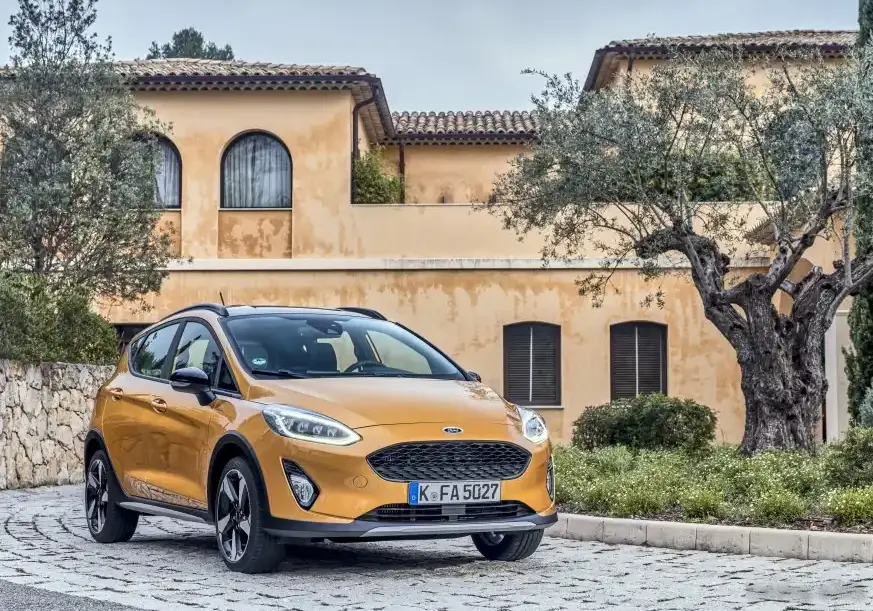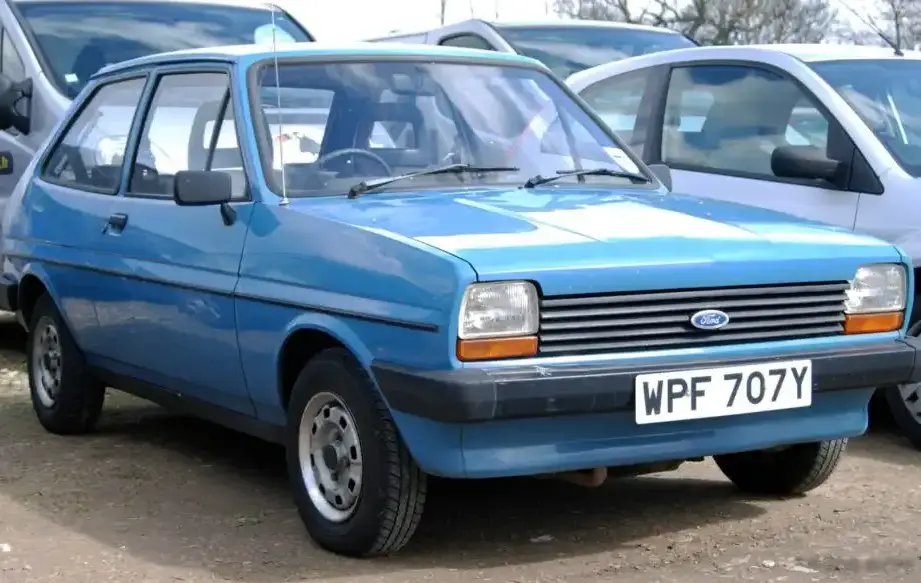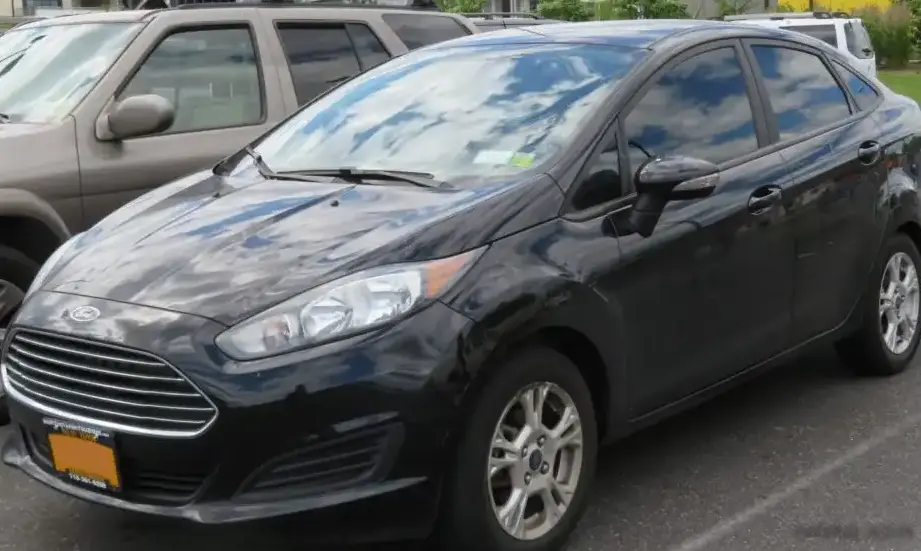
The Ford Fiesta VII Sedan (Mk7) 1.6 (105 Hp) PowerShift, produced from 2015 to 2017, represented a key offering in Ford’s global small car lineup. Positioned as a practical and relatively efficient option, this variant catered to buyers seeking a comfortable and well-equipped sedan with the convenience of an automatic transmission. It was part of the broader Mk7 Fiesta range, built on the B2E platform (also known as the 1HX0/A3 platform), which aimed to deliver improved fuel economy, handling, and safety compared to its predecessor. The sedan body style was particularly important in markets where trunk space and traditional sedan aesthetics were preferred, such as Mexico and parts of South America.
Technical Specifications
| Brand | Ford |
| Model | Fiesta |
| Generation | Fiesta VII Sedan (Mk7) |
| Type (Engine) | 1.6 (105 Hp) PowerShift |
| Start of production | 2015 |
| End of production | 2017 |
| Powertrain Architecture | Internal Combustion engine |
| Body type | Sedan |
| Seats | 5 |
| Doors | 4 |
| Fuel consumption (urban) | 8.4 l/100 km (28 US mpg, 33.6 UK mpg, 11.9 km/l) |
| Fuel consumption (extra urban) | 4.5 l/100 km (52.3 US mpg, 62.8 UK mpg, 22.2 km/l) |
| Fuel consumption (combined) | 5.9 l/100 km (39.9 US mpg, 47.9 UK mpg, 16.9 km/l) |
| CO2 emissions | 138 g/km |
| Fuel Type | Petrol (Gasoline) |
| Acceleration 0 – 100 km/h | 11.9 sec |
| Acceleration 0 – 62 mph | 11.9 sec |
| Acceleration 0 – 60 mph | 11.3 sec |
| Maximum speed | 181 km/h (112.47 mph) |
| Weight-to-power ratio | 10.7 kg/Hp, 93.3 Hp/tonne |
| Weight-to-torque ratio | 7.5 kg/Nm, 133.3 Nm/tonne |
| Power | 105 Hp @ 6000 rpm |
| Power per litre | 65.8 Hp/l |
| Torque | 150 Nm @ 4000-4500 rpm (110.63 lb.-ft. @ 4000-4500 rpm) |
| Engine layout | Front, Transverse |
| Engine displacement | 1596 cm3 (97.39 cu. in.) |
| Number of cylinders | 4 |
| Engine configuration | Inline |
| Cylinder Bore | 79 mm (3.11 in.) |
| Piston Stroke | 81.4 mm (3.2 in.) |
| Compression ratio | 11:1 |
| Number of valves per cylinder | 4 |
| Fuel injection system | Multi-port manifold injection |
| Engine aspiration | Naturally aspirated engine |
| Engine oil capacity | 4.1 l (4.33 US qt | 3.61 UK qt) |
| Coolant | 5.8 l (6.13 US qt | 5.1 UK qt) |
| Kerb Weight | 1125 kg (2480.2 lbs.) |
| Trunk (boot) space – minimum | 455 l (16.07 cu. ft.) |
| Fuel tank capacity | 45 l (11.89 US gal | 9.9 UK gal) |
| Length | 4320 mm (170.08 in.) |
| Width | 1722 mm (67.8 in.) |
| Height | 1489 mm (58.62 in.) |
| Wheelbase | 2489 mm (97.99 in.) |
| Front track | 1473 mm (57.99 in.) |
| Rear (Back) track | 1461 mm (57.52 in.) |
| Minimum turning circle | 10.1 m (33.14 ft.) |
| Drivetrain Architecture | The Internal combustion engine (ICE) drives the front wheels of the vehicle. |
| Drive wheel | Front wheel drive |
| Number of gears and type of gearbox | 6 gears, automatic transmission PowerShift |
| Front suspension | Independent type McPherson |
| Rear suspension | Semi-independent, coil spring |
| Front brakes | Ventilated discs |
| Rear brakes | Drum |
| Assisting systems | ABS (Anti-lock braking system) |
| Steering type | Steering rack and pinion |
| Power steering | Electric Steering |
| Tires size | 195/55 R15 |
| Wheel rims size | 15 |
Powertrain & Engine Architecture
The Fiesta 1.6L PowerShift utilized the Duratec 1.6-liter inline-four cylinder engine. This engine, internally designated as the Sigma series, was a relatively simple and robust design featuring a cast iron block and aluminum cylinder head. It employed multi-point fuel injection and a single overhead camshaft (SOHC) valvetrain with four valves per cylinder. The 105 horsepower output was achieved through careful tuning of the engine management system and optimized intake and exhaust designs. The PowerShift transmission was a dual-clutch transmission (DCT), a six-speed automated manual gearbox. This transmission offered quicker shifts and improved fuel efficiency compared to a traditional automatic, but was known to have some reliability concerns in early iterations.
Driving Characteristics
The 1.6L PowerShift Fiesta Sedan offered a comfortable and generally smooth driving experience. Acceleration was adequate for everyday driving, with the 0-60 mph time around 11.3 seconds. However, it wasn’t particularly sporty. The PowerShift transmission, while offering quick shifts, could sometimes exhibit hesitation or jerky behavior at low speeds. Compared to the manual transmission versions, the automatic felt slightly less responsive. Higher output Fiesta variants, such as those with the 1.0L EcoBoost engine, provided significantly more spirited performance. The gear ratios were tuned for fuel efficiency, prioritizing comfortable cruising over outright acceleration.
Equipment & Trim Levels
The 1.6L PowerShift trim typically fell into the mid-range of the Fiesta Sedan lineup. Standard equipment generally included air conditioning, power windows and locks, a basic audio system with USB connectivity, and ABS brakes. Higher trim levels added features like alloy wheels, a more advanced audio system with touchscreen display, automatic climate control, and fog lights. Interior upholstery was typically cloth, with options for upgraded materials available. Safety features included driver and passenger airbags, and stability control.
Chassis & Braking
The Fiesta Mk7 Sedan utilized a McPherson strut front suspension and a semi-independent coil spring rear suspension. This setup provided a good balance between ride comfort and handling. The front brakes were ventilated discs, offering good stopping power, while the rear brakes were drums, a cost-saving measure common in this segment. The electric power steering provided light and easy steering, making it well-suited for urban driving. Stabilizer bars were fitted to both the front and rear axles to reduce body roll during cornering.
Market Reception & Comparison
The Fiesta 1.6L PowerShift was generally well-received as a practical and affordable sedan. Critics praised its fuel efficiency and comfortable ride. However, the PowerShift transmission received mixed reviews, with some testers noting its occasional hesitation and jerky shifts. Compared to other trims, the 1.6L offered a good balance between price and features. The 1.0L EcoBoost variants were praised for their superior performance and fuel economy, but came at a higher price point. The 1.6L offered a more traditional automatic driving experience, appealing to buyers who preferred the convenience of a conventional automatic transmission.
Legacy
The Fiesta Mk7 1.6L PowerShift, while not the most exciting variant in the lineup, proved to be a reliable and affordable option for many buyers. The Duratec 1.6L engine is known for its durability, and with proper maintenance, can provide many years of service. The PowerShift transmission, however, has a reputation for potential issues, particularly with clutch pack wear and software glitches. In the used car market, these Fiestas represent a good value for those seeking a practical and economical sedan, but potential buyers should be aware of the potential transmission issues and have the vehicle thoroughly inspected before purchase.