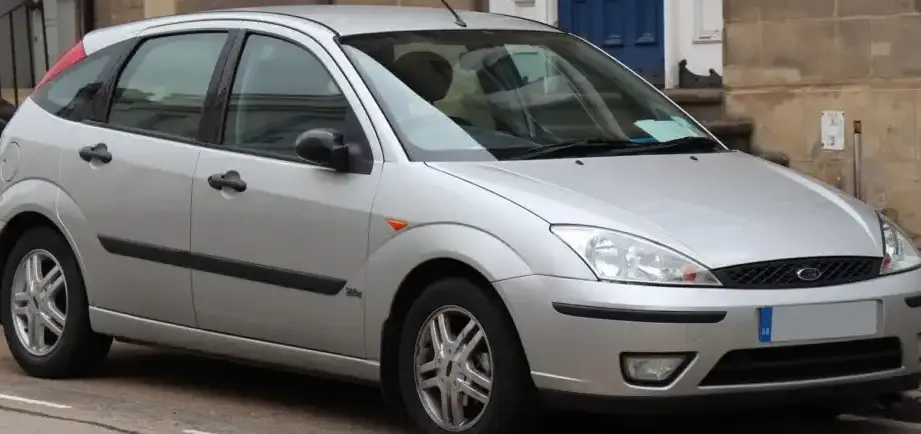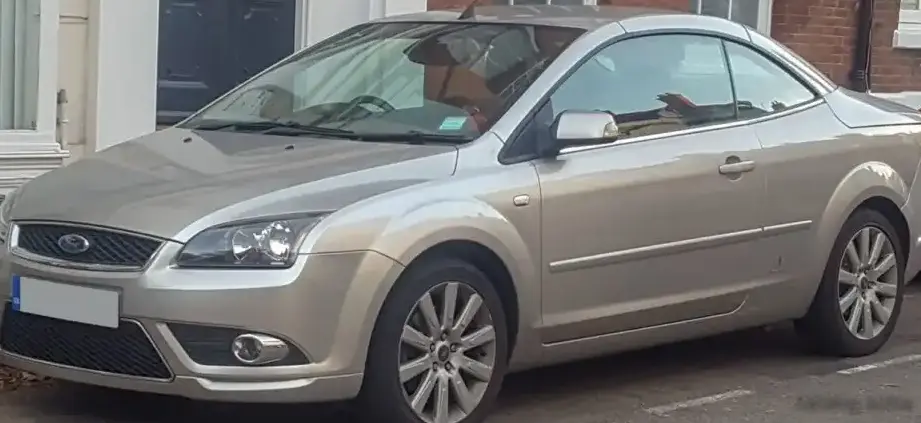
The Ford Focus Cabriolet II 2.0 TDCi, produced between 2006 and 2010, represented Ford’s entry into the competitive small convertible market with a diesel engine option. This variant, powered by the 2.0-liter Duratorq TDCi engine producing 136 horsepower, aimed to offer a blend of fuel efficiency and open-air driving enjoyment. It was positioned as a more economical alternative to the petrol-powered Focus Cabriolets, appealing to drivers prioritizing fuel costs and longer distances. The Focus Cabriolet II itself was based on the second-generation Focus (internally known as the C307) platform, sharing its mechanical underpinnings with the hatchback and sedan versions, but distinguished by its retractable soft top.
Technical Specifications
| Brand | Ford |
| Model | Focus |
| Generation | Focus Cabriolet II |
| Type (Engine) | 2.0 TDCi (136 Hp) |
| Start of Production | 2006 |
| End of Production | 2010 |
| Powertrain Architecture | Internal Combustion Engine |
| Body Type | Cabriolet |
| Seats | 4 |
| Doors | 2 |
| Fuel Type | Diesel |
| Power | 136 Hp |
| Engine Model/Code | G6DA, G6DB, G6DD |
| Engine Aspiration | Turbocharger, Intercooler |
| Engine Oil Capacity | 5.5 l (5.81 US qt | 4.84 UK qt) |
| Coolant Capacity | 8.4 l (8.88 US qt | 7.39 UK qt) |
| Drivetrain | Front Wheel Drive |
Powertrain & Engine Architecture
The heart of the Focus Cabriolet II 2.0 TDCi is the Ford Duratorq engine family. Specifically, the engine codes G6DA, G6DB, and G6DD denote variations of the 2.0-liter four-cylinder diesel. This engine utilizes a common-rail direct injection system, delivering fuel directly into the cylinders at extremely high pressure for improved combustion efficiency and reduced emissions. A turbocharger with an intercooler is employed to increase power output by forcing more air into the engine. The Duratorq engine is known for its robust construction, utilizing a cast iron block and aluminum cylinder head. The engine features four valves per cylinder (DOHC – Double Overhead Camshaft) and is typically paired with a five-speed manual transmission, though a six-speed automatic transmission was also available, albeit less common. The automatic transmission, a Durashift 6T40, is a conventional torque converter automatic, offering smooth shifts but at the expense of some fuel economy compared to the manual.
Driving Characteristics
The 2.0 TDCi engine in the Focus Cabriolet II provides a respectable level of performance for a small convertible. While not a sports car, the 136 horsepower and 236 lb-ft of torque deliver adequate acceleration for everyday driving and highway cruising. The turbocharger provides a noticeable boost in power from around 1800 rpm, offering good overtaking capability. The automatic transmission, when equipped, alters the driving experience. Gear changes are generally smooth, but can feel slightly hesitant during quick acceleration. The gear ratios are tuned for fuel efficiency rather than outright performance. Compared to the petrol-powered 2.0-liter Focus Cabriolet, the TDCi offers significantly better fuel economy, but sacrifices some of the responsiveness and higher-revving nature of the gasoline engine. The manual transmission version provides a more engaging driving experience, allowing the driver to fully utilize the engine’s torque.
Equipment & Trim Levels
The Focus Cabriolet II 2.0 TDCi was typically offered in several trim levels, varying by market. Base models generally included air conditioning, power windows, power door locks, and a basic audio system. Higher trim levels, such as Ghia or Titanium, added features like alloy wheels, upgraded upholstery (often leather or leatherette), automatic climate control, a premium audio system, and parking sensors. Optional extras included a wind deflector (to reduce wind buffeting with the top down), heated front seats, and a panoramic sunroof. Interior upholstery was typically cloth on lower trims, with leather options available on higher-spec models. The dashboard layout was consistent with other second-generation Focus models, featuring a relatively simple and functional design.
Chassis & Braking
The Focus Cabriolet II utilizes the standard Focus’s MacPherson strut front suspension and a multi-link rear suspension. However, the Cabriolet benefits from additional bracing in the chassis to compensate for the lack of a fixed roof, improving rigidity. Braking systems varied depending on the trim level. Base models typically featured disc brakes on the front wheels and drum brakes on the rear. Higher trim levels often included disc brakes all around. Anti-lock Braking System (ABS) was standard across all models. Stabilizer bars were fitted to both the front and rear axles to reduce body roll during cornering. The suspension tuning aimed for a balance between comfort and handling, providing a reasonably compliant ride while maintaining decent control.
Market Reception & Comparison
The Ford Focus Cabriolet II 2.0 TDCi was generally well-received by automotive critics as a practical and economical convertible option. The diesel engine was praised for its fuel efficiency, making it an attractive choice for drivers covering long distances. However, some reviewers noted that the diesel engine was slightly noisier and less refined than the petrol alternatives. Compared to other small convertibles on the market, such as the Renault Megane Coupe-Cabriolet or the Peugeot 206 CC, the Focus Cabriolet offered a competitive level of equipment and a spacious interior. Fuel economy figures typically ranged from 45-55 mpg (combined cycle), depending on driving style and conditions. Reliability was generally good, although some owners reported issues with the Durashift automatic transmission.
Legacy
The Ford Focus Cabriolet II 2.0 TDCi remains a relatively affordable and accessible convertible in the used car market. The Duratorq diesel engine is known for its durability and longevity, provided it has been properly maintained. However, potential buyers should be aware of the potential for issues with the automatic transmission, and it’s advisable to have a thorough inspection performed before purchase. The 2.0 TDCi variant offers a compelling combination of fuel efficiency and open-air driving enjoyment, making it a popular choice for those seeking a practical and economical convertible. While not a performance icon, it represents a solid and reliable option within its segment, and continues to be appreciated by enthusiasts and everyday drivers alike.