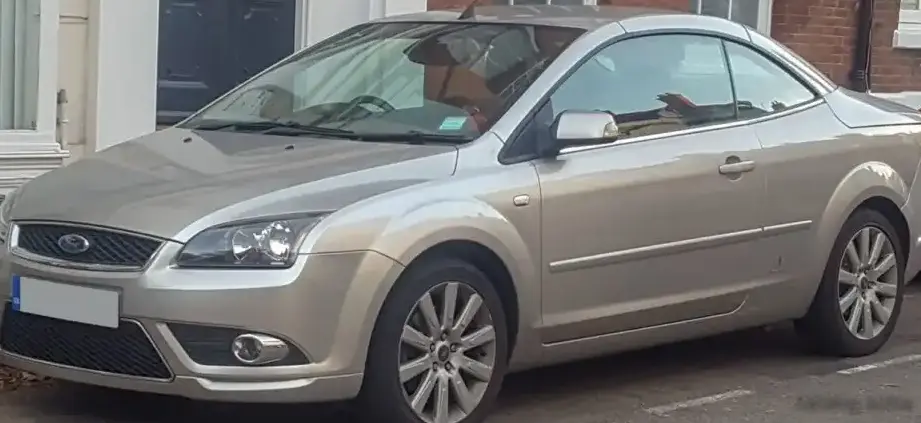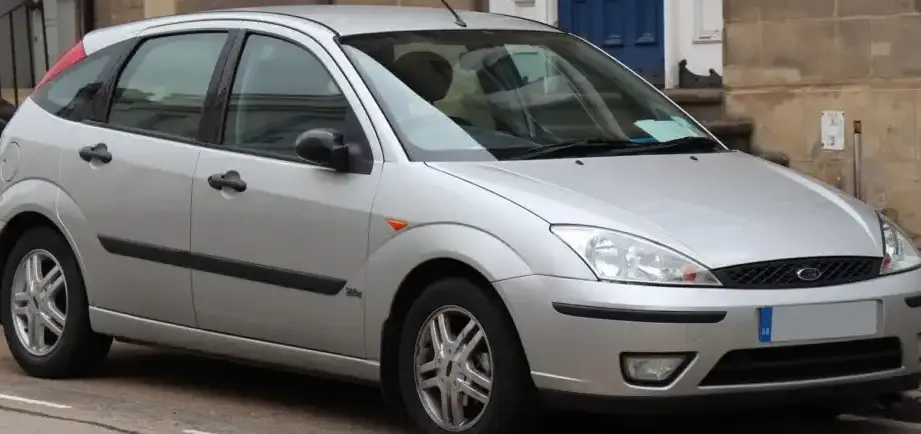
The Ford Focus RS, specifically the first generation 2.0L 16V variant produced between 2002 and 2003, represents a significant entry into the high-performance hatchback segment for the American automaker. Built on the Mk1 Focus platform (internally designated as the 2002-2004 model years), the RS was designed to deliver a more engaging and sporty driving experience than the standard Focus models. This limited-production model was primarily aimed at the European market, where the hot hatch segment was – and remains – particularly popular. While not officially sold in the United States during its initial production run, the Focus RS has since gained a cult following among enthusiasts and has been imported through grey market channels.
Technical Specifications
| Brand | Ford |
| Model | Focus |
| Generation | Focus Hatchback I |
| Type (Engine) | 2.0 i 16V RS (215 Hp) |
| Start of production | 2002 |
| End of production | 2003 |
| Powertrain Architecture | Internal Combustion engine |
| Body type | Hatchback |
| Seats | 5 |
| Doors | 3 |
| Fuel consumption (urban) | 14.2 l/100 km (16.6 US mpg) |
| Fuel consumption (extra urban) | 7.7 l/100 km (30.5 US mpg) |
| Fuel consumption (combined) | 10.1 l/100 km (23.3 US mpg) |
| Fuel Type | Petrol (Gasoline) |
| Acceleration 0 – 100 km/h | 6.7 sec |
| Acceleration 0 – 62 mph | 6.7 sec |
| Acceleration 0 – 60 mph | 6.4 sec |
| Maximum speed | 232 km/h (144.16 mph) |
| Weight-to-power ratio | 5.6 kg/Hp |
| Weight-to-torque ratio | 3.9 kg/Nm |
| Power | 215 Hp @ 5500 rpm |
| Torque | 310 Nm @ 3500 rpm (228.64 lb.-ft. @ 3500 rpm) |
| Engine layout | Front, Transverse |
| Engine Model/Code | HMDA |
| Engine displacement | 1988 cm3 (121.32 cu. in.) |
| Number of cylinders | 4 |
| Engine configuration | Inline |
| Cylinder Bore | 84.8 mm (3.34 in.) |
| Piston Stroke | 88 mm (3.46 in.) |
| Compression ratio | 8:1 |
| Number of valves per cylinder | 4 |
| Fuel injection system | Multi-port manifold injection |
| Engine aspiration | Turbocharger, Intercooler |
| Engine oil capacity | 4.3 l (4.54 US qt | 3.78 UK qt) |
| Kerb Weight | 1210 kg (2667.59 lbs.) |
| Max. weight | 1725 kg (3802.97 lbs.) |
| Max load | 515 kg (1135.38 lbs.) |
| Trunk (boot) space – minimum | 350 l (12.36 cu. ft.) |
| Trunk (boot) space – maximum | 1205 l (42.55 cu. ft.) |
| Fuel tank capacity | 55 l (14.53 US gal | 12.1 UK gal) |
| Length | 4183 mm (164.69 in.) |
| Width | 1772 mm (69.76 in.) |
| Height | 1460 mm (57.48 in.) |
| Wheelbase | 2615 mm (102.95 in.) |
| Front track | 1514 mm (59.61 in.) |
| Rear (Back) track | 1514 mm (59.61 in.) |
| Drivetrain Architecture | Front wheel drive |
| Number of gears and type of gearbox | 5 gears, manual transmission |
| Front suspension | Wishbone |
| Rear suspension | Coil spring |
| Front brakes | Ventilated discs |
| Rear brakes | Disc |
| Assisting systems | ABS (Anti-lock braking system) |
| Steering type | Steering rack and pinion |
| Tires size | 225/40 R18 |
Powertrain & Engine Architecture
The heart of the Focus RS is the 2.0-liter inline-four cylinder engine, designated as the HMDA code. This engine is a heavily modified version of the Zetec unit found in other Focus models, but with significant upgrades to handle the increased power output. Key modifications include a Garrett GT28RS turbocharger with an intercooler, forged pistons, and strengthened connecting rods. The engine utilizes multi-port fuel injection and a compression ratio of 8:1. The engine produces 215 horsepower at 5500 rpm and 310 Nm (228.64 lb-ft) of torque at 3500 rpm. The RS exclusively came with a five-speed manual transmission, chosen for its durability and direct connection to the driver. The transmission features shorter gear ratios compared to standard Focus models, contributing to the car’s quicker acceleration.
Driving Characteristics
The Focus RS delivers a noticeably more aggressive driving experience than its standard counterparts. The turbocharger provides a surge of power in the mid-range, making it responsive and enjoyable on twisty roads. The shorter gear ratios of the manual transmission keep the engine in its power band, enhancing acceleration. While the 215 hp output isn’t overwhelming by modern standards, the RS’s relatively light weight (approximately 2668 lbs) and front-wheel-drive configuration create a lively and engaging driving dynamic. Torque steer is present, particularly under hard acceleration, but many drivers consider it part of the car’s character. Compared to potential future variants, the RS prioritized raw driving feel over outright speed.
Equipment & Trim Levels
The Focus RS was relatively sparsely equipped compared to some contemporary hot hatches, with the focus being on performance. Standard features included Recaro sports seats, a leather-wrapped steering wheel, and unique RS badging both inside and out. Air conditioning and power windows were typically standard. Optional extras included a sunroof and upgraded audio system. The interior was functional and driver-focused, with a clear instrument cluster and supportive seats. The exterior styling was also distinctive, with a more aggressive front bumper, side skirts, and a rear spoiler.
Chassis & Braking
The Focus RS benefits from a comprehensively upgraded chassis. The suspension features stiffer springs and dampers, along with a larger diameter stabilizer bar, to reduce body roll and improve handling. The front suspension utilizes a wishbone design, while the rear employs a coil spring setup. Braking duties are handled by ventilated discs at the front and solid discs at the rear. The RS also features an Anti-lock Braking System (ABS) as standard. The car’s wider track compared to standard Focus models further enhances stability and grip.
Market Reception & Comparison
The Focus RS was generally well-received by automotive critics, who praised its engaging driving dynamics and strong performance. However, some criticized its relatively basic interior and the presence of torque steer. Compared to rivals like the Volkswagen Golf GTI and the Renault Mégane Sport, the Focus RS offered a more raw and visceral driving experience. Fuel economy was reasonable for a performance car of its era, averaging around 23.3 US mpg in combined driving. Reliability was generally good, although the turbocharger and associated components required careful maintenance.
Legacy
The first-generation Focus RS has become a highly sought-after vehicle among enthusiasts. Its limited production numbers and engaging driving characteristics have contributed to its increasing value in the used car market. The HMDA engine, while requiring regular maintenance, is generally considered durable when properly cared for. The Focus RS laid the foundation for future generations of Ford’s performance hatchbacks, establishing a reputation for delivering a thrilling and rewarding driving experience. Today, it represents a significant piece of Ford’s performance heritage and a desirable classic for those seeking a genuinely engaging and rewarding driving experience.