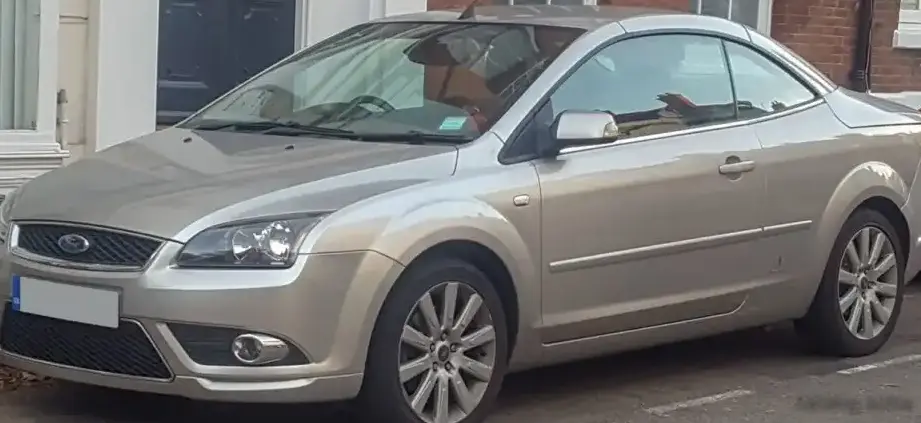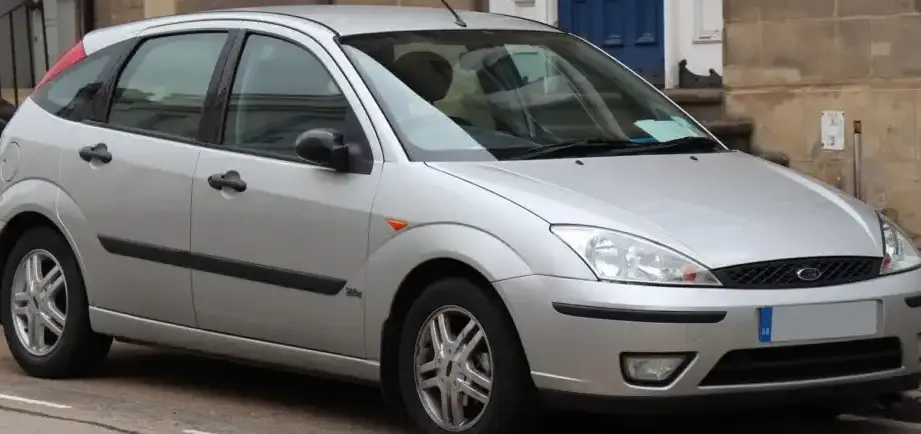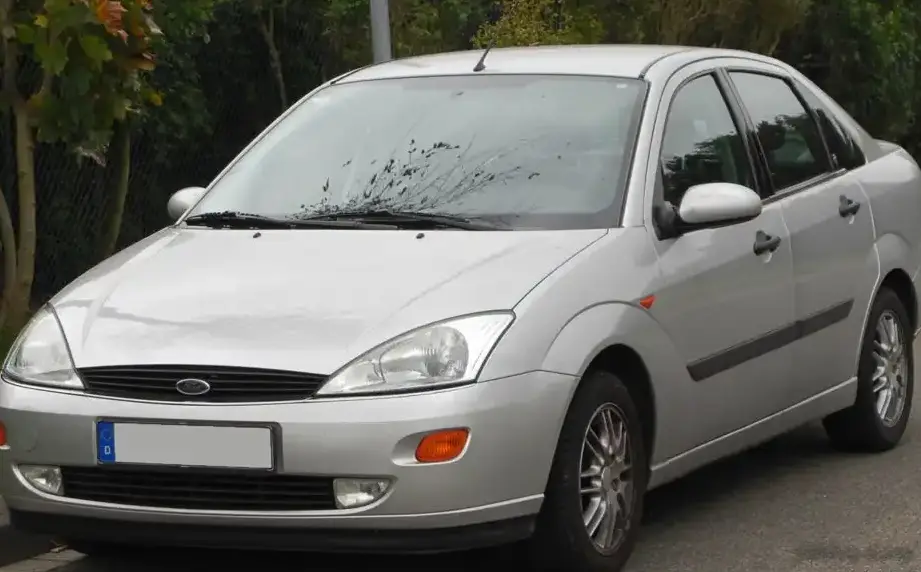
The Ford Focus I Sedan 2.0 16V Automatic, produced between 2001 and 2005, represented a significant step forward for Ford in the compact sedan segment. Part of the first generation Focus range (internally designated the 1HX0 platform), this variant offered a blend of practicality, comfort, and reasonable performance aimed at buyers seeking a more refined driving experience than the base models. Positioned as a mid-range offering, it bridged the gap between the lower-powered engines and the sportier, though less commonly equipped, variants. The introduction of the Focus marked Ford’s move towards a more modern, European-inspired design and engineering philosophy for its global compact car offerings.
Technical Specifications
| Brand | Ford |
| Model | Focus |
| Generation | Focus I Sedan |
| Type (Engine) | 2.0 16V (130 Hp) Automatic |
| Start of production | 2001 |
| End of production | 2005 |
| Powertrain Architecture | Internal Combustion engine |
| Body type | Sedan |
| Seats | 5 |
| Doors | 4 |
| Fuel consumption (urban) | 13.1 l/100 km (18 US mpg, 21.6 UK mpg, 7.6 km/l) |
| Fuel consumption (extra urban) | 7.3 l/100 km (32.2 US mpg, 38.7 UK mpg, 13.7 km/l) |
| Fuel consumption (combined) | 8.7 l/100 km (27 US mpg, 32.5 UK mpg, 11.5 km/l) |
| Fuel Type | Petrol (Gasoline) |
| Acceleration 0 – 100 km/h | 11.3 sec |
| Acceleration 0 – 62 mph | 11.3 sec |
| Acceleration 0 – 60 mph | 10.7 sec |
| Maximum speed | 201 km/h (124.9 mph) |
| Weight-to-power ratio | 9.5 kg/Hp, 105.3 Hp/tonne |
| Weight-to-torque ratio | 7.7 kg/Nm, 129.6 Nm/tonne |
| Power | 130 Hp @ 5500 rpm |
| Power per litre | 65.4 Hp/l |
| Torque | 160 Nm @ 4400 rpm (118.01 lb.-ft. @ 4400 rpm) |
| Engine layout | Front, Transverse |
| Engine Model/Code | EDDC, EDDB, EDDD, EDDF |
| Engine displacement | 1988 cm3 (121.32 cu. in.) |
| Number of cylinders | 4 |
| Engine configuration | Inline |
| Cylinder Bore | 84.8 mm (3.34 in.) |
| Piston Stroke | 88 mm (3.46 in.) |
| Compression ratio | 10:1 |
| Number of valves per cylinder | 4 |
| Fuel injection system | Multi-port manifold injection |
| Engine aspiration | Naturally aspirated engine |
| Valvetrain | DOHC |
| Engine oil capacity | 4.25 l (4.49 US qt | 3.74 UK qt) |
| Coolant | 5.75 l (6.08 US qt | 5.06 UK qt) |
| Kerb Weight | 1235 kg (2722.71 lbs.) |
| Max. weight | 1670 kg (3681.72 lbs.) |
| Max load | 435 kg (959.01 lbs.) |
| Trunk (boot) space – minimum | 490 l (17.3 cu. ft.) |
| Fuel tank capacity | 55 l (14.53 US gal | 12.1 UK gal) |
| Length | 4369 mm (172.01 in.) |
| Width | 1702 mm (67.01 in.) |
| Height | 1481 mm (58.31 in.) |
| Wheelbase | 2615 mm (102.95 in.) |
| Front track | 1494 mm (58.82 in.) |
| Rear (Back) track | 1488 mm (58.58 in.) |
| Drivetrain Architecture | The Internal combustion engine (ICE) drives the front wheels of the vehicle. |
| Drive wheel | Front wheel drive |
| Number of gears and type of gearbox | 4 gears, automatic transmission |
| Front suspension | Wishbone |
| Rear suspension | Coil spring |
| Front brakes | Ventilated discs |
| Rear brakes | Disc |
| Assisting systems | ABS (Anti-lock braking system) |
| Steering type | Steering rack and pinion |
| Power steering | Hydraulic Steering |
| Tires size | 195/60 R15 |
| Wheel rims size | 15 |
Powertrain & Engine Architecture
The heart of this Focus variant is the 2.0-liter, inline-four cylinder engine, typically identified by engine codes such as EDDC, EDDB, EDDD, or EDDF. This engine featured a double overhead camshaft (DOHC) valvetrain with four valves per cylinder, contributing to its relatively high output for its displacement. Fuel delivery was managed by a multi-port fuel injection system, providing precise fuel metering for improved efficiency and performance. The engine’s 130 horsepower peak was achieved at 5500 rpm, while its 160 Nm (118 lb-ft) of torque was available at 4400 rpm. The automatic transmission was a conventional four-speed unit, designed to provide smooth shifts and ease of driving. While not known for its sportiness, it offered a comfortable and convenient driving experience.
Driving Characteristics
The 2.0L Automatic Focus Sedan delivered adequate, but not exhilarating, performance. Acceleration from 0-60 mph took around 10.7 seconds, and top speed was approximately 125 mph. The automatic transmission, while smooth, did detract from overall responsiveness compared to the available manual transmission. Gear ratios were tuned for fuel economy and comfortable cruising rather than aggressive acceleration. The engine felt somewhat strained when pushed hard, and the transmission occasionally hesitated during downshifts. However, for everyday driving and commuting, the combination proved perfectly acceptable, offering a relaxed and easy-to-drive experience.
Equipment & Trim Levels
The 2.0L Automatic trim typically included features such as air conditioning, power windows and locks, and an AM/FM radio with a CD player. Higher trim levels, often denoted by additional packages, could add features like alloy wheels, upgraded interior upholstery, and a sunroof. Interior materials were generally durable and functional, though not particularly luxurious. The dashboard layout was straightforward and user-friendly, with clearly marked controls. Optional extras included features like side airbags and a premium sound system.
Chassis & Braking
The Focus I Sedan utilized a front-wheel-drive layout with an independent wishbone front suspension and a coil spring rear suspension. This setup provided a good balance of ride comfort and handling. The front brakes were ventilated discs, offering good stopping power, while the rear brakes were solid discs. Anti-lock Braking System (ABS) was standard, enhancing safety during emergency braking situations. The steering was rack and pinion with hydraulic power assistance, providing precise and responsive steering feel.
Market Reception & Comparison
The 2.0L Automatic Focus Sedan was generally well-received by automotive critics as a practical and comfortable family car. However, it wasn’t often praised for its performance. Compared to the more engaging manual transmission versions or the higher-output engines, the automatic felt somewhat sluggish. Fuel economy was reasonable for its class, averaging around 27 mpg combined. Reliability was generally good, though some owners reported minor issues with the automatic transmission over time. The 1.8L versions were more fuel efficient but offered less power, while the higher-spec engines provided more performance at a higher price point.
Legacy
The Ford Focus I Sedan 2.0 16V Automatic remains a relatively common sight on used car lots today. The powertrain, while not particularly groundbreaking, has proven to be reasonably durable with proper maintenance. Parts availability is generally good, making repairs relatively affordable. These Focus sedans are often sought after by buyers looking for an inexpensive and reliable transportation option. While not a collector’s item, the 2.0L Automatic represents a solid and dependable choice in the used car market, offering a blend of practicality and affordability that continues to appeal to budget-conscious buyers.