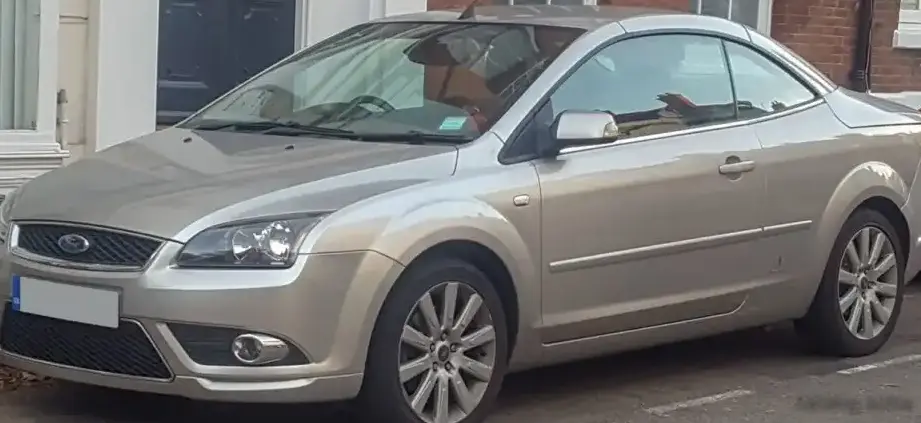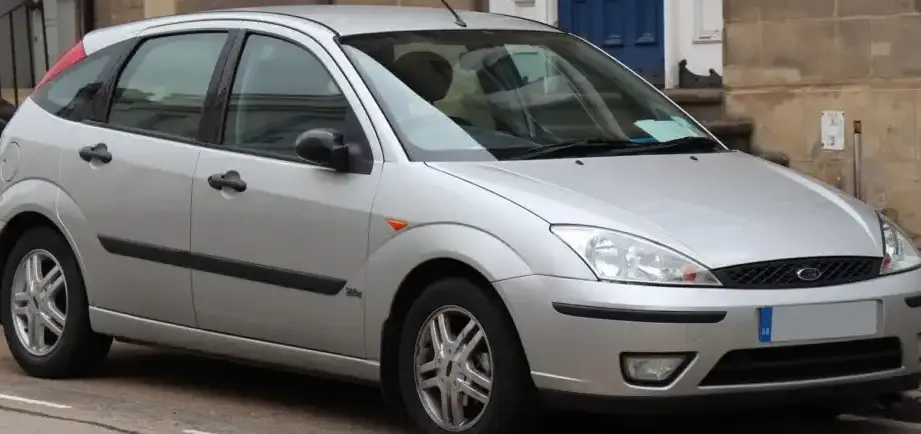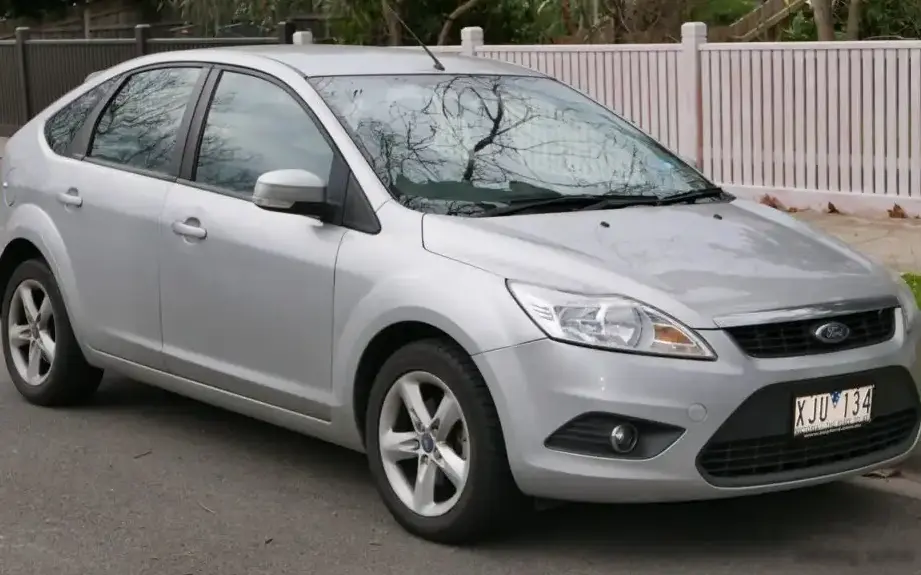
The Ford Focus II RS 2.5, produced from 2009 to 2010, represented the pinnacle of performance for the second-generation Focus hatchback. Positioned as the flagship model, it was designed to deliver a thrilling driving experience, primarily targeting enthusiasts in the European market, though limited numbers were also available in other regions. This high-performance variant significantly differentiated itself from the standard Focus models with its potent 2.5-liter turbocharged engine, aggressive styling, and track-focused chassis. It was a direct competitor to other hot hatches like the Volkswagen Golf GTI and the Renault Mégane RS.
Technical Specifications
| Brand | Ford |
| Model | Focus |
| Generation | Focus II Hatchback |
| Type (Engine) | RS 2.5 (305 Hp) |
| Start of production | 2009 |
| End of production | 2010 |
| Powertrain Architecture | Internal Combustion engine |
| Body type | Hatchback |
| Seats | 4 |
| Doors | 3 |
| Fuel consumption (urban) | 13.4 l/100 km (17.6 US mpg, 21.1 UK mpg, 7.5 km/l) |
| Fuel consumption (extra urban) | 7 l/100 km (33.6 US mpg, 40.4 UK mpg, 14.3 km/l) |
| Fuel consumption (combined) | 9.4 l/100 km (25 US mpg, 30.1 UK mpg, 10.6 km/l) |
| Fuel Type | Petrol (Gasoline) |
| Acceleration 0 – 100 km/h | 5.9 sec |
| Acceleration 0 – 62 mph | 5.9 sec |
| Acceleration 0 – 60 mph | 5.6 sec |
| Maximum speed | 263 km/h (163.42 mph) |
| Emission standard | Euro 4 |
| Weight-to-power ratio | 4.8 kg/Hp, 207.8 Hp/tonne |
| Weight-to-torque ratio | 3.3 kg/Nm, 299.7 Nm/tonne |
| Power | 305 Hp @ 6500 rpm |
| Power per litre | 120.9 Hp/l |
| Torque | 440 Nm @ 2500 rpm (324.53 lb.-ft. @ 2500 rpm) |
| Engine layout | Front, Transverse |
| Engine Model/Code | JZDA |
| Engine displacement | 2522 cm3 (153.9 cu. in.) |
| Number of cylinders | 5 |
| Engine configuration | Inline |
| Cylinder Bore | 83 mm (3.27 in.) |
| Piston Stroke | 93.2 mm (3.67 in.) |
| Number of valves per cylinder | 4 |
| Fuel injection system | Multi-port manifold injection |
| Engine aspiration | Turbocharger, Intercooler |
| Valvetrain | DOHC |
| Engine oil capacity | 5.8 l (6.13 US qt | 5.1 UK qt) |
| Coolant | 7.1 l (7.5 US qt | 6.25 UK qt) |
| Kerb Weight | 1468 kg (3236.39 lbs.) |
| Max. weight | 1850 kg (4078.55 lbs.) |
| Max load | 382 kg (842.17 lbs.) |
| Trunk (boot) space – minimum | 385 l (13.6 cu. ft.) |
| Trunk (boot) space – maximum | 1247 l (44.04 cu. ft.) |
| Fuel tank capacity | 62 l (16.38 US gal | 13.64 UK gal) |
| Length | 4402 mm (173.31 in.) |
| Width | 1842 mm (72.52 in.) |
| Height | 1497 mm (58.94 in.) |
| Wheelbase | 2640 mm (103.94 in.) |
| Front track | 1586 mm (62.44 in.) |
| Rear (Back) track | 1587 mm (62.48 in.) |
| Minimum turning circle | 12.2 m (40.03 ft.) |
| Drivetrain Architecture | Front wheel drive |
| Number of gears and type of gearbox | 6 gears, manual transmission |
| Front suspension | Spring Strut |
| Rear suspension | Transverse stabilizer |
| Front brakes | Ventilated discs |
| Rear brakes | Disc |
| Assisting systems | ABS (Anti-lock braking system) |
| Steering type | Steering rack and pinion |
| Tires size | 235/35 R19 |
Powertrain & Engine Architecture
The heart of the Focus RS 2.5 is the JZDA engine, a 2.5-liter inline-five cylinder powerplant. This engine is a derivative of the Volvo T5 engine, itself based on a Yamaha-designed block. Ford significantly modified the engine, adding a Garrett GT28RS turbocharger with an intercooler, forged pistons, and upgraded connecting rods to handle the increased boost pressure. The engine utilizes multi-port fuel injection and a double overhead camshaft (DOHC) valvetrain. The JZDA produces 305 horsepower at 6500 rpm and 440 Nm (324.53 lb-ft) of torque at 2500 rpm. The engine is transversely mounted, driving the front wheels. The sole transmission option was a robust 6-speed manual gearbox, chosen for its durability and driver engagement. The gearbox featured shorter ratios compared to standard Focus models, optimizing for acceleration.
Driving Characteristics
The Focus RS 2.5 delivers a raw and engaging driving experience. The turbocharged five-cylinder engine provides a broad torque curve, resulting in strong acceleration throughout the rev range. The 0-60 mph sprint takes approximately 5.6 seconds, and it boasts a top speed of 163.42 mph. The short-throw manual gearbox allows for precise gear changes, enhancing driver control. Compared to the standard Focus or even the 1.6-liter Ti-VCT models, the RS offers a significantly more aggressive and responsive feel. While the manual transmission is preferred by enthusiasts, it does require more driver involvement than an automatic. The RS’s power delivery is immediate and forceful, making it a thrilling, if sometimes demanding, car to drive.
Equipment & Trim Levels
The Focus RS 2.5 came generously equipped, though options were relatively limited. Standard features included Recaro sport seats, a leather-wrapped steering wheel, air conditioning, and an upgraded audio system. The interior featured a distinctive RS-specific design with aluminum pedals and unique trim accents. Exterior features included a prominent rear wing, aggressive front and rear bumpers, and unique alloy wheels. Optional extras were limited to items like paint choices and a few minor cosmetic enhancements. The focus was on performance, so luxury features were kept to a minimum.
Chassis & Braking
The Focus RS 2.5’s chassis was extensively modified to handle the increased power and provide superior handling. It featured a fully independent suspension with stiffer springs and dampers compared to standard Focus models. A limited-slip differential (Quaife) was standard, significantly improving traction and cornering ability. The braking system was upgraded with larger ventilated discs at the front and solid discs at the rear, providing ample stopping power. ABS (Anti-lock Braking System) was standard. The RS also featured a wider track than standard Focus models, further enhancing stability.
Market Reception & Comparison
The Focus RS 2.5 was widely praised by automotive journalists for its exhilarating performance and engaging driving dynamics. Critics lauded the powerful engine, precise handling, and effective limited-slip differential. However, some noted the firm ride quality and relatively high fuel consumption. Compared to other hot hatches of the time, the RS offered a more raw and visceral experience than the more refined Volkswagen Golf GTI. The Renault Mégane RS was a closer competitor, offering similar levels of performance and handling. The Focus RS, however, stood out with its unique five-cylinder engine and distinctive styling.
Legacy
The Ford Focus RS 2.5 has become a highly sought-after vehicle among enthusiasts. The JZDA engine, while powerful, is known to require diligent maintenance, particularly regarding oil changes and turbocharger health. However, with proper care, the powertrain is generally reliable. Today, well-maintained examples command high prices in the used car market. The RS 2.5 is remembered as a true driver’s car, representing a golden age of hot hatches. It laid the groundwork for future generations of Focus RS models, cementing its place in automotive history.