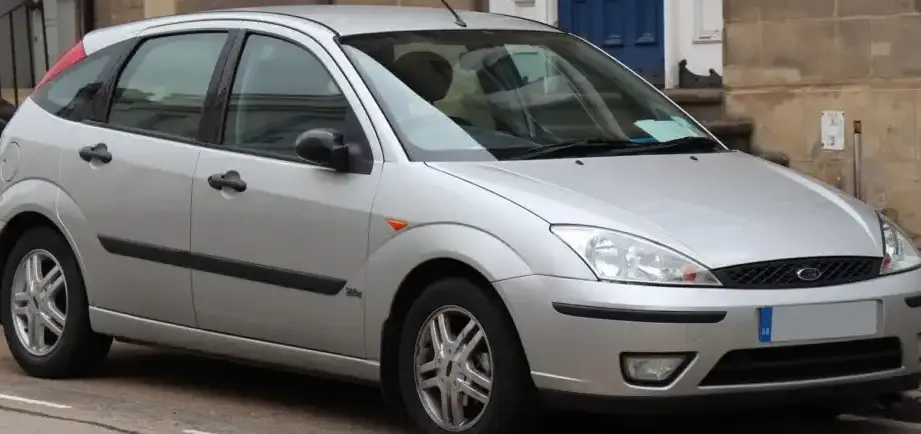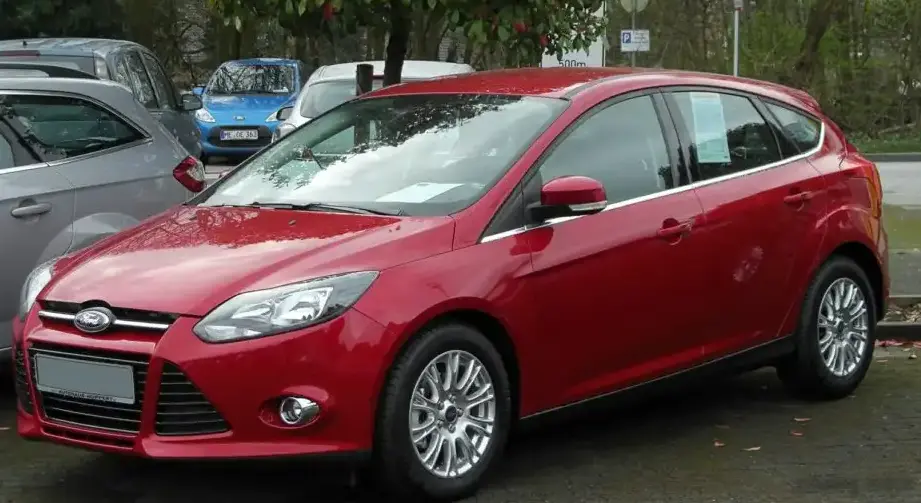
The Ford Focus III Hatchback, produced from 2010 to 2014, represented a significant step forward for Ford’s global compact car. Within the Focus III range, the 1.0 EcoBoost 125 horsepower variant with a six-speed manual transmission occupied an important position as a fuel-efficient and relatively affordable option. This model aimed to balance practicality, modern technology, and a more engaging driving experience than its predecessors. It was a key offering in European markets, where smaller, fuel-efficient engines are highly valued, and also gained traction in North America as Ford sought to broaden the appeal of the Focus.
Technical Specifications
| Brand | Ford |
| Model | Focus |
| Generation | Focus III Hatchback |
| Type (Engine) | 1.0 EcoBoost (125 Hp) start/stop |
| Start of production | 2010 |
| End of production | 2014 |
| Powertrain Architecture | Internal Combustion engine |
| Body type | Hatchback |
| Seats | 5 |
| Doors | 5 |
| Fuel consumption (urban) | 6.3 l/100 km (37.3 US mpg, 44.8 UK mpg, 15.9 km/l) |
| Fuel consumption (extra urban) | 4.2 l/100 km (56 US mpg, 67.3 UK mpg, 23.8 km/l) |
| Fuel consumption (combined) | 5 l/100 km (47 US mpg, 56.5 UK mpg, 20 km/l) |
| Fuel Type | Petrol (Gasoline) |
| Acceleration 0 – 100 km/h | 11.3 sec |
| Acceleration 0 – 62 mph | 11.3 sec |
| Acceleration 0 – 60 mph | 10.7 sec |
| Maximum speed | 193 km/h (119.92 mph) |
| Power | 125 Hp |
| Engine layout | Front, Transverse |
| Engine Model/Code | M1DA |
| Engine configuration | Inline |
| Fuel injection system | Direct injection |
| Engine aspiration | Turbocharger, Intercooler |
| Engine oil capacity | 4.1 l (4.33 US qt, 3.61 UK qt) |
| Coolant capacity | 6.3 l (6.66 US qt, 5.54 UK qt) |
| Engine systems | Start & Stop System |
| Drivetrain Architecture | Front wheel drive, Internal Combustion Engine |
| Number of gears and type of gearbox | 6 gears, manual transmission |
| Assisting systems | ABS (Anti-lock braking system) |
| Steering type | Steering rack and pinion |
Powertrain & Engine Architecture
The heart of this Focus variant is the 1.0-liter EcoBoost three-cylinder engine, designated with the engine code M1DA. This engine was a revolutionary design for Ford, representing a significant investment in downsized, turbocharged technology. It featured direct fuel injection, a single scroll turbocharger, and variable valve timing. The direct injection system allowed for precise fuel delivery, optimizing combustion efficiency and reducing emissions. The turbocharger, coupled with an intercooler, boosted power output despite the small displacement. The engine’s aluminum block contributed to weight savings, further enhancing fuel economy. The six-speed manual transmission was chosen to complement the engine’s characteristics, providing a good balance between fuel efficiency and driver engagement. The gear ratios were tuned to maximize the engine’s torque output in everyday driving situations.
Driving Characteristics
The 1.0 EcoBoost Focus offered a surprisingly lively driving experience for a compact hatchback. While not as quick as the higher-powered versions, the 125 hp engine provided adequate acceleration for most driving scenarios. The turbocharger provided a noticeable boost in power, particularly in the mid-range, making overtaking maneuvers relatively effortless. The six-speed manual transmission allowed drivers to keep the engine in its optimal power band. The steering was precise and well-weighted, providing good feedback to the driver. Compared to the 1.6-liter naturally aspirated engine offered in some markets, the 1.0 EcoBoost provided significantly more torque and a more responsive feel. However, it didn’t offer the same level of refinement as the larger engines, with some engine noise and vibration noticeable at higher RPMs.
Equipment & Trim Levels
The 1.0 EcoBoost variant typically fell into the mid-range of the Focus III lineup. Standard equipment generally included air conditioning, power windows, power mirrors, a basic audio system with USB connectivity, and ABS brakes. Higher trim levels added features such as alloy wheels, a more advanced audio system with touchscreen display, automatic climate control, and parking sensors. Interior upholstery was typically cloth, with options for upgraded materials on higher trims. The dashboard layout was functional and modern, with a focus on ergonomics. Optional extras included a panoramic sunroof, heated seats, and a rear-view camera.
Chassis & Braking
The Focus III utilized a MacPherson strut front suspension and a multi-link rear suspension. This setup provided a good balance between ride comfort and handling precision. The suspension was tuned to be relatively firm, providing good body control in corners. Brakes were typically disc brakes on the front wheels and drum brakes on the rear wheels, although some higher trim levels featured disc brakes all around. ABS (Anti-lock Braking System) was standard, enhancing braking performance and safety. The steering system employed a rack and pinion setup, providing precise and responsive steering feel.
Market Reception & Comparison
The 1.0 EcoBoost Focus was generally well-received by automotive critics. It was praised for its fuel efficiency, surprisingly strong performance, and engaging driving dynamics. Critics noted that the engine was a technological marvel, offering a compelling alternative to larger, less efficient engines. Compared to the 1.6-liter gasoline engine, the 1.0 EcoBoost offered better fuel economy and more responsive performance. However, some critics found the engine to be somewhat noisy and lacking in refinement. In terms of reliability, the 1.0 EcoBoost engine proved to be generally reliable, although some early models experienced issues with the timing belt. Overall, the 1.0 EcoBoost Focus offered a compelling package for buyers seeking a fuel-efficient and enjoyable compact hatchback.
Legacy
The 1.0 EcoBoost engine became a cornerstone of Ford’s powertrain strategy, appearing in a wide range of models across the globe. The Focus III 1.0 EcoBoost variant helped to establish the engine’s reputation for fuel efficiency and performance. In the used car market, these models remain popular due to their low running costs and relatively affordable price. While some maintenance items, such as the timing belt, require attention, the 1.0 EcoBoost engine is generally considered to be a durable and reliable unit. The success of this engine paved the way for further development of Ford’s EcoBoost technology, solidifying its position as a leader in downsized, turbocharged engines.