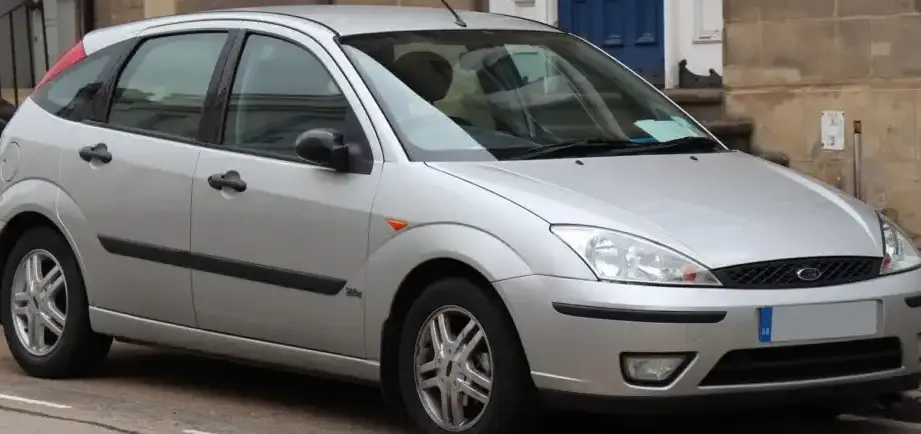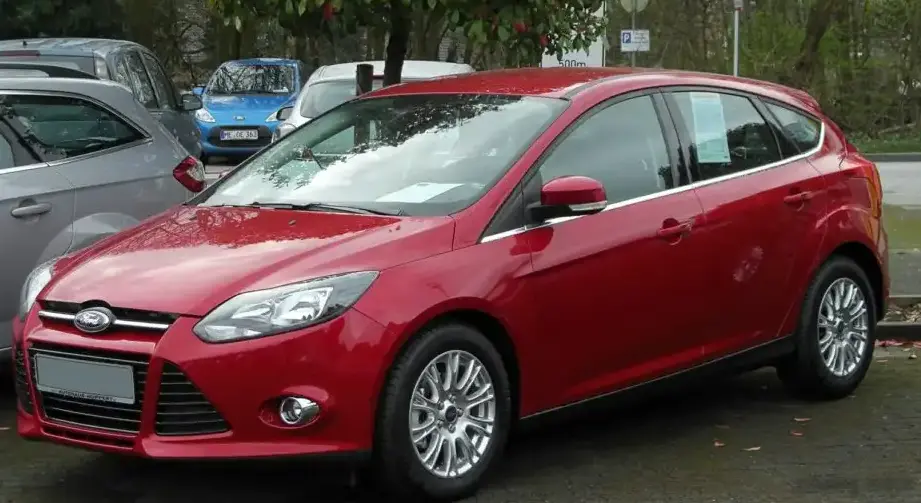
The Ford Focus III Hatchback, produced from 2010 to 2014, represented a significant step forward for Ford’s global compact car. Within the Focus III range, the 1.6 EcoBoost (182 hp) start/stop variant occupied a mid-to-upper position, offering a blend of performance and fuel efficiency. This model was primarily aimed at the European market, where smaller, fuel-efficient cars are highly valued, but was also available in North America. It leveraged Ford’s EcoBoost technology to deliver a compelling driving experience while adhering to increasingly stringent emissions standards. The 1.6 EcoBoost engine was a key component of Ford’s strategy to offer turbocharged, direct-injection engines across its lineup, providing a more sophisticated alternative to larger displacement naturally aspirated engines.
Technical Specifications
| Brand | Ford |
| Model | Focus |
| Generation | Focus III Hatchback |
| Type (Engine) | 1.6 EcoBoost (182 Hp) start/stop |
| Start of production | 2010 |
| End of production | 2014 |
| Powertrain Architecture | Internal Combustion engine |
| Body type | Hatchback |
| Seats | 5 |
| Doors | 5 |
| Fuel consumption (urban) | 7.6 l/100 km (30.9 US mpg) |
| Fuel consumption (extra urban) | 4.9 l/100 km (48 US mpg) |
| Fuel consumption (combined) | 5.9 l/100 km (39.9 US mpg) |
| Fuel Type | Petrol (Gasoline) |
| Acceleration 0 – 100 km/h | 7.9 sec |
| Acceleration 0 – 62 mph | 7.9 sec |
| Acceleration 0 – 60 mph | 7.5 sec |
| Maximum speed | 222 km/h (137.94 mph) |
| Power | 182 Hp |
| Engine layout | Front, Transverse |
| Engine Model/Code | JTDA, JTDB |
| Engine configuration | Inline |
| Fuel injection system | Direct injection |
| Engine aspiration | Turbocharger, Intercooler |
| Engine oil capacity | 4.1 l (4.33 US qt) |
| Coolant capacity | 6.3 l (6.66 US qt) |
| Engine systems | Start & Stop System |
| Drivetrain Architecture | Front wheel drive |
| Number of gears | 6 |
| Gearbox type | Manual transmission |
| Assisting systems | ABS (Anti-lock braking system) |
| Steering type | Steering rack and pinion |
Powertrain & Engine Architecture
The heart of this Focus variant is the 1.6-liter EcoBoost inline-four cylinder engine, designated with engine codes JTDA or JTDB. This engine is a key example of Ford’s downsizing and turbocharging strategy. It features direct fuel injection, which precisely meters fuel into the combustion chamber, improving efficiency and power output. The engine also incorporates a single-scroll turbocharger with an intercooler, boosting horsepower and torque. The EcoBoost engine utilizes a variable valve timing system (Ti-VCT) on both intake and exhaust camshafts, optimizing engine breathing across the rev range. The 6-speed manual transmission was the standard offering, providing precise gear changes and contributing to the car’s sporty feel. The Start/Stop system, a standard feature, automatically shuts off the engine when the vehicle is stationary (e.g., at traffic lights) to reduce fuel consumption and emissions.
Driving Characteristics
The 182 hp EcoBoost engine delivered a noticeable performance upgrade compared to the lower-powered naturally aspirated versions of the Focus III. Acceleration from 0-60 mph in approximately 7.5 seconds was brisk for a compact hatchback. The turbocharger provides a surge of torque in the mid-range, making overtaking maneuvers easy and confident. The 6-speed manual transmission is well-matched to the engine’s powerband, offering precise shifts and allowing the driver to maintain optimal engine speed. While not as raw or engaging as some performance-focused hatchbacks, the 1.6 EcoBoost Focus offered a balanced driving experience, combining responsiveness with everyday usability. Compared to the 1.0 EcoBoost, the 1.6 offered significantly more power, but at the expense of some fuel economy. It also provided a more refined driving experience than the diesel options available in the Focus III lineup.
Equipment & Trim Levels
The 1.6 EcoBoost variant typically came equipped with a generous level of standard features. Interior appointments included comfortable cloth seats, a leather-wrapped steering wheel, and air conditioning. The dashboard featured a modern design with a central infotainment screen. Optional extras included a premium sound system, navigation system, automatic climate control, and parking sensors. Higher trim levels, such as Titanium, added features like partial leather upholstery, alloy wheels, and upgraded interior trim. The Focus III offered a range of customization options, allowing buyers to tailor the car to their specific preferences.
Chassis & Braking
The Focus III utilized a MacPherson strut front suspension and a multi-link rear suspension, providing a good balance of ride comfort and handling precision. The suspension was tuned to offer a slightly firmer ride than the lower-powered models, reflecting the increased performance potential of the 1.6 EcoBoost engine. Braking duties were handled by disc brakes on all four wheels, providing ample stopping power. Anti-lock Braking System (ABS) was standard, enhancing safety and control during emergency braking situations. The steering system employed a rack and pinion setup, offering precise and responsive steering feel. Stabilizer bars were fitted to both the front and rear axles to reduce body roll during cornering.
Market Reception & Comparison
The 1.6 EcoBoost Focus III was generally well-received by automotive critics. Reviewers praised its combination of performance, fuel efficiency, and handling. The engine was lauded for its responsiveness and refinement. Fuel economy figures of around 39.9 US mpg combined were considered competitive for its class. Compared to the 1.0 EcoBoost, the 1.6 offered a more substantial power boost, making it a more appealing option for drivers who prioritized performance. However, the 1.6 EcoBoost was more expensive than the 1.0 and offered slightly lower fuel economy. Against diesel alternatives, the 1.6 EcoBoost provided a more refined and quieter driving experience, but typically didn’t match the diesel’s fuel efficiency.
Legacy
The 1.6 EcoBoost engine proved to be a relatively reliable unit, although some owners have reported issues with the turbocharger and fuel injectors over the long term. Regular maintenance, including oil changes and timely replacement of wear items, is crucial for ensuring the engine’s longevity. In the used car market, the 1.6 EcoBoost Focus III remains a popular choice, offering a good balance of performance, features, and affordability. Its reputation for being a fun-to-drive and relatively efficient compact hatchback has helped it maintain its appeal. The EcoBoost technology itself became a cornerstone of Ford’s engine strategy, and the lessons learned from the 1.6 EcoBoost engine were applied to subsequent generations of Ford vehicles.