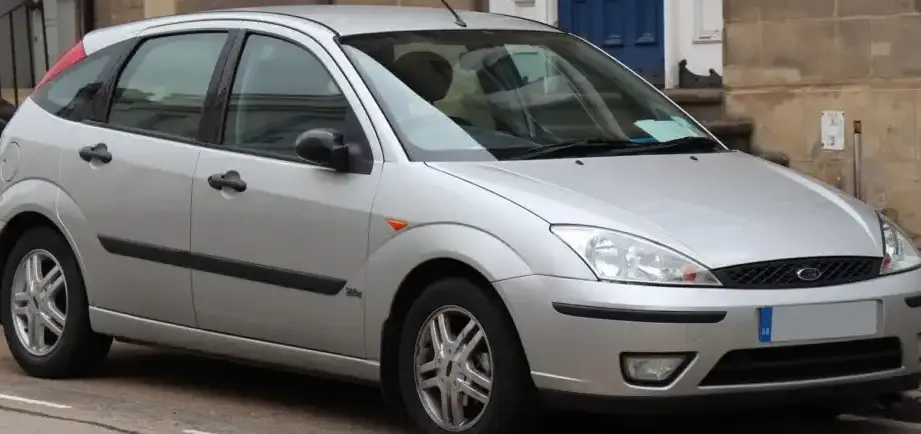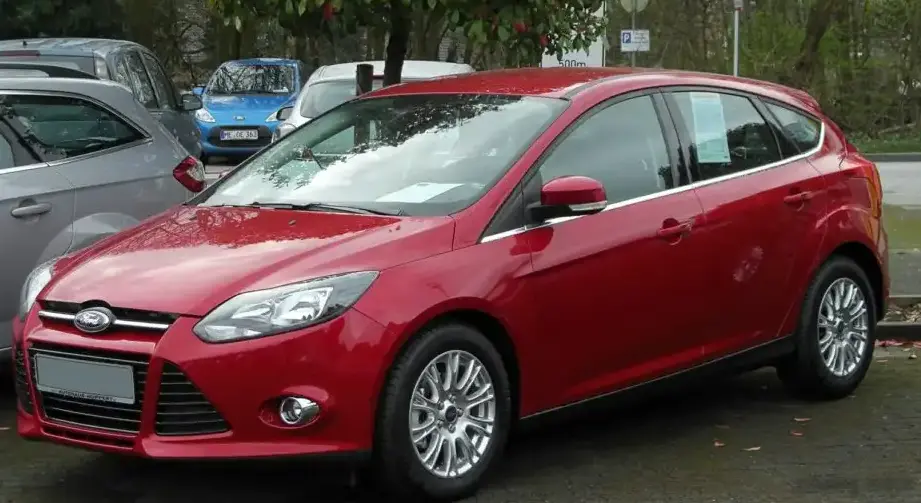
The Ford Focus III Hatchback 1.6 TDCi (105 hp) ECOnetic start/stop represents a significant iteration within the third generation of Ford’s globally successful Focus model, produced from 2010 to 2014. Positioned as a fuel-economy leader within the Focus range, this variant was specifically engineered to minimize consumption and emissions, appealing to environmentally conscious buyers and those seeking lower running costs. It was a key offering in the European market, where fuel prices and emissions regulations are particularly stringent, though it was also available in other regions. This model built upon the foundation of the Mk3 Focus (internally designated as the 2010-2014 model year), which introduced a new level of refinement and driving dynamics to the compact segment.
Technical Specifications
| Brand | Ford |
| Model | Focus |
| Generation | Focus III Hatchback |
| Type (Engine) | 1.6 TDCi (105 Hp) ECOnetic start/stop |
| Start of production | 2010 |
| End of production | 2014 |
| Powertrain Architecture | Internal Combustion engine |
| Body type | Hatchback |
| Seats | 5 |
| Doors | 5 |
| Fuel consumption (urban) | 4.3 l/100 km (54.7 US mpg, 65.7 UK mpg, 23.3 km/l) |
| Fuel consumption (extra urban) | 3.4 l/100 km (69.2 US mpg, 83.1 UK mpg, 29.4 km/l) |
| Fuel consumption (combined) | 3.7 l/100 km (63.6 US mpg, 76.3 UK mpg, 27 km/l) |
| Fuel Type | Diesel |
| Acceleration 0 – 100 km/h | 11.8 sec |
| Acceleration 0 – 62 mph | 11.8 sec |
| Acceleration 0 – 60 mph | 11.2 sec |
| Maximum speed | 187 km/h (116.2 mph) |
| Power | 105 Hp |
| Engine layout | Front, Transverse |
| Engine Model/Code | NGDA, NGDB |
| Engine configuration | Inline |
| Fuel injection system | Diesel Commonrail |
| Engine aspiration | Turbocharger, Intercooler |
| Engine oil capacity | 3.8 l (4.02 US qt, 3.34 UK qt) |
| Coolant capacity | 7.3 l (7.71 US qt, 6.42 UK qt) |
| Engine systems | Start & Stop System |
| Drivetrain Architecture | Front wheel drive, Internal Combustion Engine |
| Number of gears and type of gearbox | 6 gears, manual transmission |
| Assisting systems | ABS (Anti-lock braking system) |
| Steering type | Steering rack and pinion |
Powertrain & Engine Architecture
The heart of the Focus III 1.6 TDCi ECOnetic is the Duratorq 1.6-liter inline-four diesel engine, specifically the NGDA or NGDB engine code depending on the market and specific calibration. This engine utilizes a common-rail direct injection system, delivering fuel at extremely high pressure for optimized combustion. A turbocharger with an intercooler is employed to increase power output and improve efficiency. The engine features four valves per cylinder (DOHC) and is designed for quiet operation and reduced emissions. The ECOnetic designation signifies a suite of enhancements focused on fuel economy, including optimized engine mapping, low-rolling-resistance tires, and aerodynamic improvements. The 6-speed manual transmission was standard, chosen for its efficiency and driver engagement. The Start/Stop system automatically shuts off the engine when the vehicle is stationary (at traffic lights, for example) and restarts it instantly when the clutch pedal is depressed, further reducing fuel consumption and emissions.
Driving Characteristics
The 105 hp output of the 1.6 TDCi engine, coupled with the six-speed manual transmission, provides adequate performance for everyday driving. Acceleration from 0-60 mph takes approximately 11.2 seconds, and the top speed is around 116 mph. While not a performance-oriented variant, the engine delivers a respectable amount of torque – approximately 184 lb-ft – which is available from relatively low engine speeds. This makes it suitable for overtaking maneuvers and driving in urban environments. The gear ratios are well-chosen to maximize fuel efficiency, with a taller final drive contributing to lower engine speeds at cruising speeds. Compared to the higher-output 1.6 TDCi variants (typically around 115 hp) or the petrol-powered versions, this ECOnetic model prioritizes fuel economy over outright performance. The manual transmission provides a more engaging driving experience than an automatic, allowing the driver to maintain optimal control over the engine’s power band.
Equipment & Trim Levels
The 1.6 TDCi ECOnetic trim typically sat in the mid-range of the Focus III lineup, offering a good balance of features and affordability. Standard equipment generally included air conditioning, power windows, power mirrors, a basic audio system with USB connectivity, and ABS brakes. Safety features such as front and side airbags were also standard. Higher trim levels added features like alloy wheels, a more advanced audio system, automatic headlights and rain sensors, and cruise control. Interior upholstery was typically cloth, with a functional and durable design. Optional extras included a panoramic sunroof, leather upholstery, and a navigation system. The ECOnetic trim often featured unique badging and styling cues to differentiate it from other Focus models.
Chassis & Braking
The Focus III utilizes a MacPherson strut front suspension and a multi-link rear suspension, providing a comfortable ride and responsive handling. The ECOnetic variant often featured slightly stiffer suspension settings to improve handling and reduce body roll, without compromising ride comfort. Braking systems typically consisted of ventilated front disc brakes and drum brakes on the rear wheels, although some higher-spec models were equipped with rear disc brakes. ABS (Anti-lock Braking System) was standard, enhancing braking performance and safety. The steering system is a rack-and-pinion setup, providing precise and responsive steering feel. Stabilizer bars were fitted to both the front and rear axles to further reduce body roll during cornering.
Market Reception & Comparison
The Ford Focus III 1.6 TDCi ECOnetic start/stop was generally well-received by automotive critics for its exceptional fuel economy and low emissions. It was praised for its comfortable ride, responsive handling, and practical interior. However, some critics noted that the engine could feel underpowered when fully loaded or driving uphill. Compared to other trims in the Focus lineup, the ECOnetic model offered the best fuel economy, making it an attractive option for drivers who prioritize running costs. Against competitors like the Volkswagen Golf BlueMotion and the Opel/Vauxhall Astra EcoFlex, the Focus ECOnetic held its own in terms of fuel efficiency and overall value. Reliability reports generally indicate that the Duratorq 1.6 TDCi engine is a robust and dependable unit, although regular maintenance is essential to prevent issues with the diesel particulate filter (DPF) and fuel injectors.
Legacy
The Ford Focus III 1.6 TDCi ECOnetic start/stop remains a popular choice in the used car market, particularly for buyers seeking a fuel-efficient and reliable compact hatchback. The Duratorq 1.6 TDCi engine has proven to be a durable powertrain, capable of covering high mileages with proper maintenance. While the Start/Stop system can be prone to occasional issues, these are typically minor and can be addressed with routine servicing. The Focus III’s reputation for good handling and a comfortable interior continues to make it a desirable option for everyday driving. The ECOnetic variant’s focus on fuel economy and reduced emissions helped to establish Ford as a leader in environmentally friendly vehicle technology, paving the way for future generations of fuel-efficient Focus models.