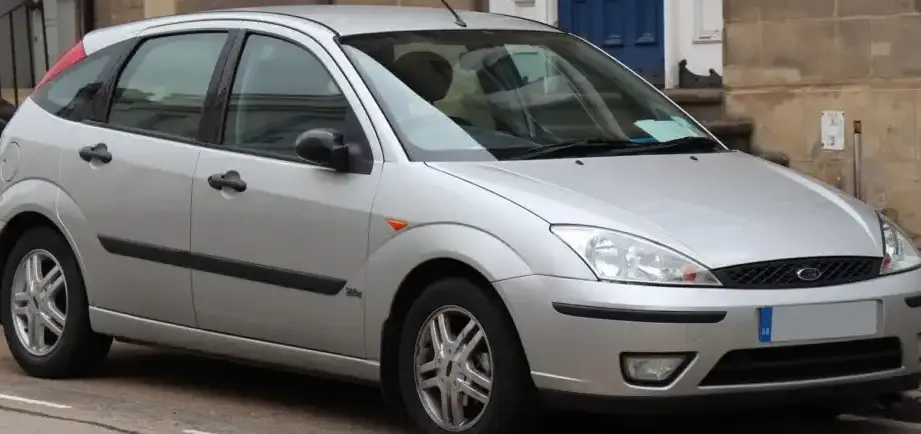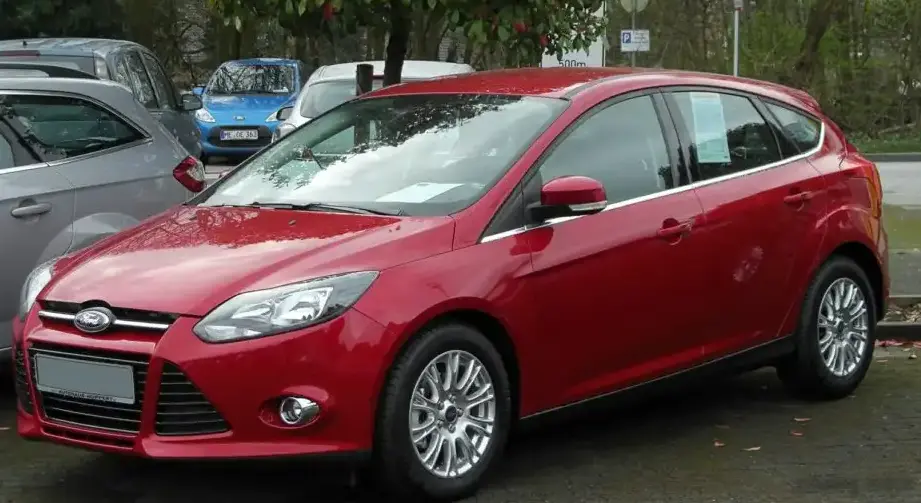
The Ford Focus III Hatchback 1.6 TDCi (115 hp) start/stop, produced from 2010 to 2014, represented a significant step forward in fuel efficiency and refinement for Ford’s globally popular compact car. Positioned as a mid-range offering within the Focus III lineup, it aimed to balance affordability with reasonable performance and modern features. This variant was primarily targeted at European markets, where diesel engines held a substantial share of the compact car segment, but was also available in other regions. It built upon the success of the Mk II Focus, utilizing the C170 platform, and introduced a new level of sophistication in terms of interior quality and available technology. The “start/stop” system was a key feature, designed to further reduce fuel consumption in urban driving conditions.
Technical Specifications
| Brand | Ford |
| Model | Focus |
| Generation | Focus III Hatchback |
| Type (Engine) | 1.6 TDCi (115 Hp) start/stop |
| Start of production | 2010 |
| End of production | 2014 |
| Powertrain Architecture | Internal Combustion engine |
| Body type | Hatchback |
| Seats | 5 |
| Doors | 5 |
| Fuel consumption (urban) | 5.1 l/100 km (46.1 US mpg, 55.4 UK mpg, 19.6 km/l) |
| Fuel consumption (extra urban) | 3.7 l/100 km (63.6 US mpg, 76.3 UK mpg, 27 km/l) |
| Fuel consumption (combined) | 4.2 l/100 km (56 US mpg, 67.3 UK mpg, 23.8 km/l) |
| Fuel Type | Diesel |
| Acceleration 0 – 100 km/h | 10.8 sec |
| Acceleration 0 – 62 mph | 10.8 sec |
| Acceleration 0 – 60 mph | 10.3 sec |
| Maximum speed | 193 km/h (119.92 mph) |
| Power | 115 Hp |
| Engine layout | Front, Transverse |
| Engine Model/Code | T1DA, T1DB |
| Engine configuration | Inline |
| Fuel injection system | Diesel Commonrail |
| Engine aspiration | Turbocharger, Intercooler |
| Engine oil capacity | 3.8 l (4.02 US qt, 3.34 UK qt) |
| Coolant capacity | 7.3 l (7.71 US qt, 6.42 UK qt) |
| Engine systems | Start & Stop System |
| Drivetrain Architecture | Front wheel drive |
| Number of gears | 6 |
| Gearbox type | Manual transmission |
| Assisting systems | ABS (Anti-lock braking system) |
| Steering type | Steering rack and pinion |
Powertrain & Engine Architecture
The heart of this Focus variant is the 1.6-liter Duratorq TDCi diesel engine, specifically the T1DA or T1DB engine code depending on the specific market and year of production. This engine is a four-cylinder, inline configuration, utilizing a common-rail direct fuel injection system. The common-rail system, operating at very high pressures, allows for precise fuel metering and optimized combustion, contributing to both power and efficiency. A turbocharger with an intercooler is employed to increase air intake, boosting power output. The engine features a 16-valve DOHC (Double Overhead Camshaft) valvetrain. The Start/Stop system, a key feature, automatically shuts off the engine when the vehicle is stationary (e.g., at traffic lights) and restarts it instantly when the clutch pedal is depressed (or the brake pedal in automatic versions). This system significantly reduces idling fuel consumption and emissions. The 6-speed manual transmission was the standard offering, providing a good balance between fuel economy and driver engagement.
Driving Characteristics
The 115 hp output and 270 Nm (199 lb-ft) of torque provided adequate, though not exhilarating, performance. Acceleration from 0-60 mph took around 10.3 seconds, making it suitable for everyday commuting and highway driving. The turbocharger provides a noticeable boost in power at lower RPMs, offering good responsiveness for overtaking maneuvers. Compared to the higher-output 1.6 TDCi variants (often around 136 hp), this version felt less urgent, but the difference in fuel economy was significant. The 6-speed manual transmission was well-matched to the engine’s characteristics, with gear ratios designed to maximize fuel efficiency while still providing sufficient power for most driving situations. The clutch feel was generally light and progressive, making it easy to drive in stop-and-go traffic. Compared to the petrol versions of the Focus III, the 1.6 TDCi offered substantially better fuel economy, but with a slightly more noticeable diesel engine sound and vibration.
Equipment & Trim Levels
The 1.6 TDCi 115 hp model typically fell into the mid-range of the Focus III trim levels. Standard equipment generally included air conditioning, power windows, power mirrors, a basic audio system with USB connectivity, and ABS brakes. Higher trim levels, such as Titanium, added features like alloy wheels, automatic climate control, a more advanced audio system, and parking sensors. Optional extras included a sunroof, leather upholstery, and a navigation system. Interior upholstery was typically cloth, with a relatively simple but functional dashboard layout. Safety features included multiple airbags and electronic stability control.
Chassis & Braking
The Focus III utilized a MacPherson strut front suspension and a multi-link rear suspension, providing a good balance between ride comfort and handling. The suspension was tuned to be relatively comfortable for everyday driving, but still offered decent body control in corners. Braking systems varied slightly depending on the trim level. Lower trims typically featured disc brakes on the front wheels and drum brakes on the rear, while higher trims often included disc brakes all around. ABS (Anti-lock Braking System) was standard on all models. Stabilizer bars were fitted to both the front and rear axles to reduce body roll during cornering.
Market Reception & Comparison
The Ford Focus III 1.6 TDCi 115 hp start/stop was generally well-received by automotive critics. It was praised for its fuel efficiency, comfortable ride, and relatively low running costs. However, some critics noted that the engine could feel a bit underpowered, especially when fully loaded or driving uphill. Compared to other diesel-powered compact cars in its class, such as the Volkswagen Golf and Opel Astra, the Focus offered a competitive combination of features, performance, and price. The Start/Stop system was seen as a valuable addition, further enhancing its fuel-saving credentials. Reliability was generally good, although some owners reported issues with the diesel particulate filter (DPF) system, a common concern with modern diesel engines.
Legacy
The 1.6 TDCi engine, in various iterations, proved to be a durable and reliable powertrain. The Focus III 1.6 TDCi 115 hp start/stop remains a popular choice in the used car market, particularly for buyers seeking a fuel-efficient and practical compact car. While newer generations of the Focus have introduced more advanced technologies and higher levels of performance, this variant represents a solid and dependable option for those looking for a well-rounded and affordable vehicle. The engine’s relatively simple design and readily available parts contribute to its continued appeal and ease of maintenance. However, potential buyers should be aware of the potential for DPF issues and ensure that the vehicle has been properly maintained.