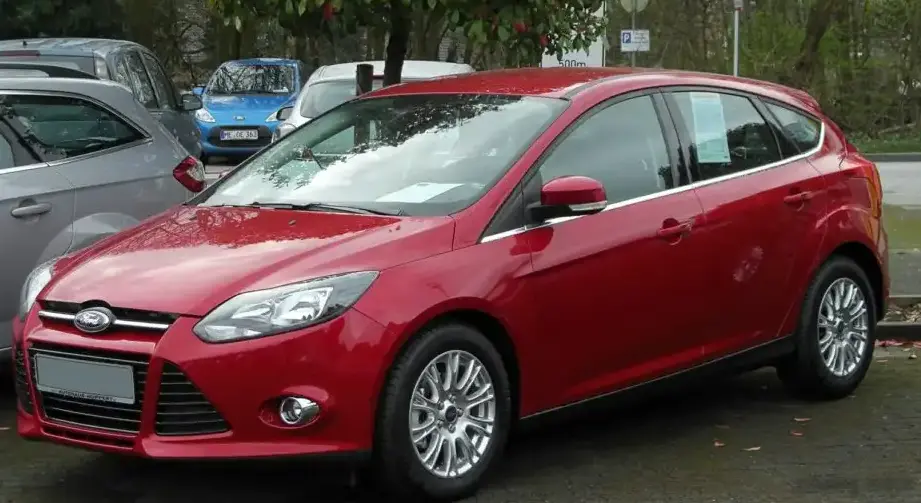
The Ford Focus III Hatchback 2.0 TDCi, producing 140 horsepower, was a significant variant within the third generation of Ford’s globally successful Focus model. Introduced in 2010 and continuing through 2014, this version played a crucial role in offering a balance of fuel efficiency and performance to European and other international markets. Positioned as a mid-range offering, it slotted between the lower-powered diesel options and the higher-performance petrol variants. The Focus III, built on the C170 platform, represented a substantial leap forward in terms of interior quality, driving dynamics, and technology compared to its predecessors.
Technical Specifications
| Brand | Ford |
| Model | Focus |
| Generation | Focus III Hatchback |
| Type (Engine) | 2.0 TDCi (140 Hp) |
| Start of production | 2010 |
| End of production | 2014 |
| Powertrain Architecture | Internal Combustion engine |
| Body type | Hatchback |
| Seats | 5 |
| Doors | 5 |
| Fuel consumption (urban) | 6.1 l/100 km (38.6 US mpg, 46.3 UK mpg, 16.4 km/l) |
| Fuel consumption (extra urban) | 4.1 l/100 km (57.4 US mpg, 68.9 UK mpg, 24.4 km/l) |
| Fuel consumption (combined) | 4.9 l/100 km (48 US mpg, 57.6 UK mpg, 20.4 km/l) |
| Fuel Type | Diesel |
| Acceleration 0 – 100 km/h | 8.9 sec |
| Acceleration 0 – 62 mph | 8.9 sec |
| Acceleration 0 – 60 mph | 8.5 sec |
| Maximum speed | 207 km/h (128.62 mph) |
| Power | 140 Hp |
| Engine layout | Front, Transverse |
| Engine Model/Code | UFDB |
| Engine configuration | Inline |
| Fuel injection system | Diesel Commonrail |
| Engine aspiration | Turbocharger, Intercooler |
| Engine oil capacity | 5.7 l (6.02 US qt, 5.02 UK qt) |
| Coolant capacity | 8.5 l (8.98 US qt, 7.48 UK qt) |
| Drivetrain Architecture | Front wheel drive |
| Number of gears | 6 |
| Gearbox type | Manual transmission |
| Assisting systems | ABS (Anti-lock braking system) |
| Steering type | Steering rack and pinion |
Powertrain & Engine Architecture
The heart of the Focus III 2.0 TDCi was the UFDB engine, a four-cylinder diesel powerplant. This engine utilized a common rail direct injection system, delivering fuel at extremely high pressures for optimized combustion. The turbocharger, coupled with an intercooler, significantly boosted power output and improved torque delivery. The 2.0-liter displacement provided a good balance between responsiveness and fuel economy. The engine featured four valves per cylinder, contributing to its efficient breathing and power characteristics. The TDCi designation stands for Turbo Diesel Common Injection, highlighting the key technologies employed. The UFDB engine was known for its relatively quiet operation compared to some earlier diesel designs, thanks to advancements in fuel injection and engine mounting techniques. The engine block itself was constructed from cast iron, providing durability, while the cylinder head was aluminum to reduce weight. The common rail system allowed for precise control over fuel delivery, optimizing combustion efficiency and reducing emissions.
Driving Characteristics
The 140 horsepower output, combined with the six-speed manual transmission, provided a reasonably engaging driving experience. Acceleration from 0-60 mph in approximately 8.5 seconds was respectable for a diesel hatchback of this class. The engine delivered strong low-end torque, making it well-suited for everyday driving and overtaking maneuvers. The six-speed gearbox allowed for efficient cruising at highway speeds, keeping engine revs low and contributing to good fuel economy. Compared to the lower-powered 1.6 TDCi variants, the 2.0 TDCi offered noticeably more punch, while remaining more economical than the petrol-powered options. The gear ratios were well-chosen, providing a good balance between acceleration and fuel efficiency. First gear was relatively short, aiding in quick acceleration from a standstill, while sixth gear was geared for relaxed highway cruising. While not a sports car, the Focus III 2.0 TDCi offered a composed and confident ride, with minimal body roll during cornering. The steering provided good feedback, allowing the driver to feel connected to the road.
Equipment & Trim Levels
The 2.0 TDCi variant was typically offered in mid-level trim configurations, such as ‘Trend’ or ‘Titanium’ depending on the market. Standard equipment generally included air conditioning, power windows, power mirrors, a CD/MP3 stereo system, and alloy wheels. Higher trim levels added features like automatic climate control, a touchscreen infotainment system, rear parking sensors, and upgraded interior upholstery. Optional extras included a panoramic sunroof, leather seats, and a premium sound system. Interior materials were a step up from previous Focus generations, with a more modern and refined feel. The dashboard layout was driver-focused, with controls logically arranged and easy to access. Safety features such as ABS, ESP (Electronic Stability Program), and multiple airbags were standard across the range. The ‘Titanium’ trim, in particular, often included features like heated front seats and fog lights.
Chassis & Braking
The Focus III utilized a MacPherson strut front suspension and a multi-link rear suspension, providing a good balance between ride comfort and handling precision. The chassis was relatively lightweight, contributing to the car’s agility. Braking systems varied depending on the trim level, with lower trims often featuring disc brakes at the front and drum brakes at the rear. Higher trims typically had disc brakes on all four wheels. Anti-lock Braking System (ABS) was standard, enhancing braking performance and stability. The steering was precise and well-weighted, providing good feedback to the driver. Stabilizer bars were fitted front and rear to reduce body roll during cornering. The multi-link rear suspension was particularly effective at isolating road imperfections, providing a comfortable ride for passengers. The brake calipers were sized appropriately for the vehicle’s weight and performance capabilities.
Market Reception & Comparison
The Ford Focus III 2.0 TDCi was generally well-received by automotive critics. It was praised for its fuel efficiency, comfortable ride, and refined interior. The 2.0 TDCi engine was considered a good compromise between performance and economy. Compared to the 1.6 TDCi, the 2.0-liter engine offered a significant performance boost, while still delivering competitive fuel economy figures. Against petrol-powered rivals, the 2.0 TDCi offered superior fuel efficiency and comparable performance. Some critics noted that the manual gearbox could feel slightly notchy at times, but overall, the driving experience was positive. The Focus III consistently ranked highly in its class in terms of reliability and owner satisfaction. It often outperformed competitors like the Volkswagen Golf and Opel Astra in independent reliability surveys.
Legacy
The UFDB engine, while generally reliable, is known to require regular maintenance, particularly regarding the diesel particulate filter (DPF). Proper servicing and the use of high-quality diesel fuel are crucial for ensuring long-term reliability. The DPF can become clogged with soot, leading to reduced engine performance and potential damage. Today, used examples of the Focus III 2.0 TDCi are readily available and represent a good value proposition for buyers seeking a practical and economical hatchback. The car’s robust build quality and relatively simple mechanicals make it a relatively easy vehicle to maintain. The 2.0 TDCi variant remains a popular choice among those who prioritize fuel efficiency and torque, making it a lasting and well-regarded member of the Ford Focus family. Its blend of practicality, economy, and driving enjoyment ensures its continued presence on roads today.