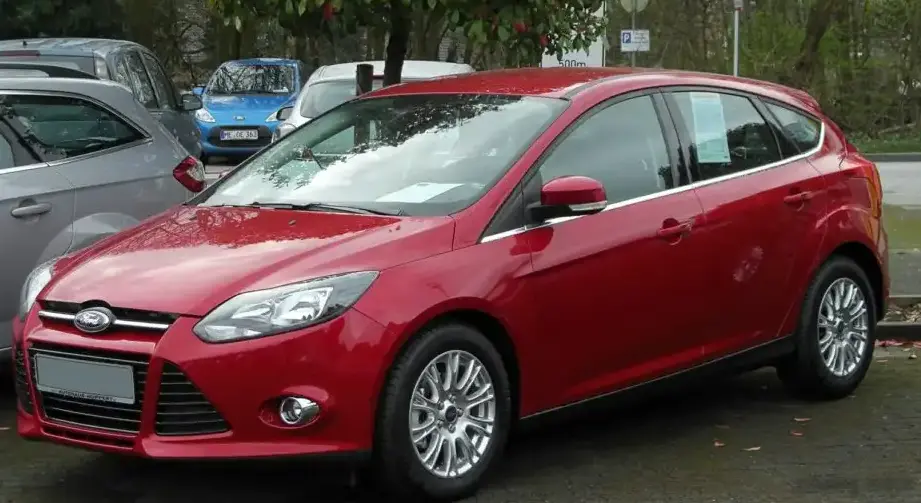
The Ford Focus III Hatchback 2.0 TDCi (140 hp) Powershift, produced between 2010 and 2014, represents a significant iteration of Ford’s globally successful compact car. This variant occupied a mid-range position within the Focus III lineup, offering a balance between fuel efficiency, performance, and modern convenience features. It was primarily aimed at European markets, where diesel engines and automatic transmissions were – and continue to be – highly popular. The Focus III, built on the C170 platform (internally designated as the 1HX0), aimed to improve upon its predecessor with enhanced refinement, a more sophisticated chassis, and a wider range of technology options. The 2.0 TDCi Powershift model specifically targeted drivers seeking a comfortable and economical daily driver with adequate power for highway cruising and occasional spirited driving.
Technical Specifications
| Brand | Ford |
| Model | Focus |
| Generation | Focus III Hatchback |
| Type (Engine) | 2.0 TDCi (140 Hp) Powershift |
| Start of production | 2010 |
| End of production | 2014 |
| Powertrain Architecture | Internal Combustion engine |
| Body type | Hatchback |
| Seats | 5 |
| Doors | 5 |
| Fuel consumption (urban) | 6.6 l/100 km (35.6 US mpg, 42.8 UK mpg, 15.2 km/l) |
| Fuel consumption (extra urban) | 4.3 l/100 km (54.7 US mpg, 65.7 UK mpg, 23.3 km/l) |
| Fuel consumption (combined) | 5.2 l/100 km (45.2 US mpg, 54.3 UK mpg, 19.2 km/l) |
| Fuel Type | Diesel |
| Acceleration 0 – 100 km/h | 9.5 sec |
| Acceleration 0 – 62 mph | 9.5 sec |
| Acceleration 0 – 60 mph | 9 sec |
| Maximum speed | 205 km/h (127.38 mph) |
| Power | 140 Hp |
| Engine layout | Front, Transverse |
| Engine Model/Code | UFDB |
| Engine configuration | Inline |
| Fuel injection system | Diesel Commonrail |
| Engine aspiration | Turbocharger, Intercooler |
| Engine oil capacity | 5.7 l (6.02 US qt, 5.02 UK qt) |
| Coolant capacity | 8.5 l (8.98 US qt, 7.48 UK qt) |
| Drivetrain Architecture | Front wheel drive |
| Number of gears | 6 |
| Gearbox type | Automatic transmission |
| Assisting systems | ABS (Anti-lock braking system) |
| Steering type | Steering rack and pinion |
Powertrain & Engine Architecture
The heart of this Focus variant is the 2.0-liter UFDB turbodiesel engine. This engine is a four-cylinder, inline configuration utilizing a common-rail direct fuel injection system. The common-rail system, operating at extremely high pressures, allows for precise fuel metering and optimized combustion, contributing to both power output and fuel efficiency. A turbocharger with an intercooler further enhances performance by forcing more air into the cylinders. The UFDB engine is known for its relatively robust construction and ability to handle moderate tuning. The Powershift transmission is a dual-clutch transmission (DCT), essentially a six-speed manual gearbox with two automated clutches. This design allows for quick, seamless gear changes and contributes to a more engaging driving experience compared to a traditional torque-converter automatic. The Powershift transmission, while efficient, has been subject to some reliability concerns, particularly regarding clutch pack wear, which will be discussed later.
Driving Characteristics
The 2.0 TDCi Powershift Focus delivers a comfortable and refined driving experience. The 140 horsepower output, while not overtly sporty, provides ample power for everyday driving situations, including highway overtaking and merging. The Powershift transmission contributes to brisk acceleration, with the 0-60 mph sprint taking approximately 9 seconds. The gear ratios are well-chosen, providing a good balance between acceleration and fuel economy. Compared to the lower-powered 1.6 TDCi variants, the 2.0 TDCi offers noticeably more torque, resulting in stronger pull from lower engine speeds. However, it doesn’t match the performance of the higher-output versions, such as those found in the ST model. The automatic transmission, while convenient, can sometimes feel slightly hesitant during low-speed maneuvers. The steering is precise and well-weighted, providing good feedback to the driver.
Equipment & Trim Levels
The 2.0 TDCi Powershift typically came equipped as a mid-range trim level, often designated as ‘Titanium’ or similar depending on the specific market. Standard features generally included air conditioning, power windows and mirrors, a CD/MP3 stereo system, alloy wheels, and ABS brakes. Higher trim levels offered additional features such as a sunroof, leather upholstery, a navigation system, and parking sensors. Interior upholstery was typically cloth, although leather options were available. The dashboard layout was functional and well-designed, with a clear instrument cluster and intuitive controls. Optional extras included a rear parking camera, heated seats, and a premium sound system.
Chassis & Braking
The Focus III utilizes a MacPherson strut front suspension and a multi-link rear suspension. This setup provides a good balance between ride comfort and handling precision. The 2.0 TDCi models generally featured slightly stiffer suspension components compared to the lower-powered variants to cope with the increased weight and power. Braking systems typically consisted of ventilated front discs and either disc or drum brakes on the rear, depending on the specific trim level. ABS (Anti-lock Braking System) was standard across the range. Stabilizer bars were fitted to both the front and rear axles to reduce body roll during cornering.
Market Reception & Comparison
The Ford Focus III 2.0 TDCi Powershift was generally well-received by automotive critics. It was praised for its fuel efficiency, comfortable ride, and refined driving experience. However, the Powershift transmission received some criticism due to reports of reliability issues, particularly concerning clutch pack wear and occasional jerky shifting. Compared to the 1.6 TDCi variants, the 2.0 TDCi offered a noticeable performance improvement, but at a slightly higher price point. Compared to petrol-powered Focus models, the 2.0 TDCi provided significantly better fuel economy, making it a popular choice for drivers covering long distances. The 2.0 TDCi also offered a competitive alternative to other diesel-powered hatchbacks in its class, such as the Volkswagen Golf and Opel Astra.
Legacy
The 2.0 TDCi Powershift powertrain has proven to be relatively durable, although the Powershift transmission remains a potential weak point. Regular maintenance, including fluid changes, is crucial to ensure the longevity of the transmission. In the used car market, these Focus models represent a good value proposition, offering a blend of practicality, efficiency, and comfort. However, prospective buyers should be aware of the potential transmission issues and thoroughly inspect the vehicle before purchase. The Focus III, overall, cemented Ford’s reputation for building competent and well-rounded compact cars, and the 2.0 TDCi Powershift variant remains a popular choice for those seeking a fuel-efficient and comfortable daily driver.