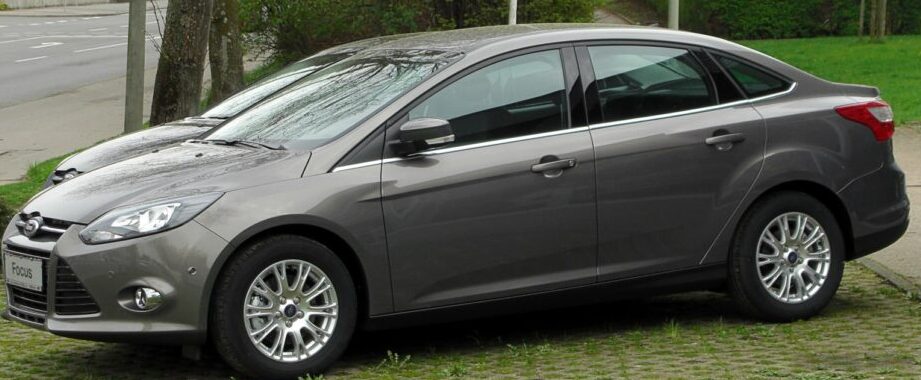
The Ford Focus III Sedan 2.0 TDCi (140 hp) Powershift, produced between 2010 and 2014, represented a significant offering in Ford’s global compact car lineup. This variant was primarily aimed at the European market, where diesel engines and automatic transmissions were highly favored, but it was also available in select other regions. Positioned as a mid-range trim, it bridged the gap between the more economical base models and the higher-performance ST variants. The Focus III, built on the C346 platform (a derivative of the global C-segment platform), aimed to provide a more refined and sophisticated driving experience than its predecessors, and the 2.0 TDCi Powershift model was a key component of that strategy.
Technical Specifications
| Brand | Ford |
| Model | Focus |
| Generation | Focus III Sedan |
| Type (Engine) | 2.0 TDCi (140 Hp) Powershift |
| Start of production | 2010 |
| End of production | 2014 |
| Powertrain Architecture | Internal Combustion engine |
| Body type | Sedan |
| Seats | 5 |
| Doors | 4 |
| Fuel consumption (urban) | 6.6 l/100 km (35.6 US mpg, 42.8 UK mpg, 15.2 km/l) |
| Fuel consumption (extra urban) | 4.3 l/100 km (54.7 US mpg, 65.7 UK mpg, 23.3 km/l) |
| Fuel consumption (combined) | 5.2 l/100 km (45.2 US mpg, 54.3 UK mpg, 19.2 km/l) |
| Fuel Type | Diesel |
| Acceleration 0 – 100 km/h | 9.6 sec |
| Acceleration 0 – 62 mph | 9.6 sec |
| Acceleration 0 – 60 mph | 9.1 sec |
| Maximum speed | 207 km/h (128.62 mph) |
| Power | 140 Hp |
| Engine layout | Front, Transverse |
| Engine Model/Code | UFDB |
| Engine configuration | Inline |
| Fuel injection system | Diesel Commonrail |
| Engine aspiration | Turbocharger, Intercooler |
| Engine oil capacity | 5.7 l (6.02 US qt, 5.02 UK qt) |
| Coolant capacity | 8.5 l (8.98 US qt, 7.48 UK qt) |
| Drivetrain Architecture | Front wheel drive |
| Number of gears and type of gearbox | 6 gears, automatic transmission |
| Assisting systems | ABS (Anti-lock braking system) |
| Steering type | Steering rack and pinion |
Powertrain & Engine Architecture
The heart of this Focus variant is the 2.0-liter UFDB turbodiesel engine. This engine is a four-cylinder, inline configuration, utilizing a common-rail direct fuel injection system. The common-rail system, operating at extremely high pressures, allows for precise fuel metering and optimized combustion, contributing to both power and fuel efficiency. The engine also features a variable geometry turbocharger (VGT) and an intercooler, further enhancing performance by increasing air density. The UFDB engine is known for its relatively quiet operation for a diesel, thanks to careful attention to noise, vibration, and harshness (NVH) characteristics.
Paired with the engine is Ford’s Powershift six-speed dual-clutch transmission (DCT). This transmission, essentially a heavily automated manual gearbox, offers quicker and smoother shifts compared to a traditional torque-converter automatic. It operates by utilizing two separate clutches – one for odd-numbered gears and one for even-numbered gears – allowing for pre-selection of the next gear, resulting in seamless transitions. The Powershift transmission was designed to provide the efficiency of a manual gearbox with the convenience of an automatic.
Driving Characteristics
The 2.0 TDCi Powershift Focus Sedan delivers a comfortable and refined driving experience. The 140 hp output, while not overtly sporty, provides ample power for everyday driving and highway cruising. The engine produces a respectable 236 lb-ft of torque, available from a relatively low engine speed, which translates to good acceleration and effortless overtaking. The Powershift transmission contributes to this by providing quick and decisive gear changes. Compared to the lower-powered 1.6 TDCi variants, the 2.0 TDCi offers noticeably more punch, especially when fully loaded or tackling inclines. However, it doesn’t match the responsiveness of the manual transmission versions, which feel slightly more engaging. The gear ratios are tuned for a balance between fuel economy and performance, with a relatively long final drive contributing to good highway fuel consumption.
Equipment & Trim Levels
The 2.0 TDCi Powershift trim typically included features such as air conditioning, power windows, power mirrors, a CD/MP3 stereo system, and alloy wheels. Higher sub-trims often added features like automatic headlights and rain-sensing wipers. Optional extras included a navigation system, leather upholstery, heated front seats, and a sunroof. Interior upholstery was generally cloth, with higher-spec models offering partial leather options. The dashboard layout was functional and modern, with a focus on ergonomics. Safety features included ABS, electronic stability control (ESC), and multiple airbags.
Chassis & Braking
The Focus III Sedan utilizes a MacPherson strut front suspension and a multi-link rear suspension. This setup provides a good balance between ride comfort and handling precision. The suspension was tuned to be relatively compliant, absorbing bumps and imperfections in the road surface effectively. Braking duties are handled by disc brakes on the front wheels and drum brakes on the rear wheels in many configurations, although some higher-spec models featured rear discs. Anti-lock Braking System (ABS) is standard, enhancing braking performance and stability. The steering is a rack-and-pinion system, providing precise and responsive steering feel.
Market Reception & Comparison
The Ford Focus III Sedan 2.0 TDCi Powershift was generally well-received by automotive critics. It was praised for its fuel efficiency, comfortable ride, and refined powertrain. The Powershift transmission, while generally well-regarded, did receive some criticism for occasional low-speed jerkiness and potential long-term reliability concerns. Compared to the 1.6 TDCi variants, the 2.0 TDCi offered a significant performance upgrade, justifying the higher price tag for drivers who frequently travel long distances or carry heavy loads. Against competitors like the Volkswagen Golf and Opel Astra, the Focus offered a compelling combination of value, features, and driving dynamics.
Legacy
The 2.0 TDCi Powershift powertrain has proven to be generally reliable, although the Powershift transmission has been the subject of some recalls and warranty claims related to clutch pack wear and valve body issues. Proper maintenance, including regular transmission fluid changes, is crucial for ensuring the longevity of the Powershift unit. On the used car market, these Focus Sedans represent a good value proposition, offering a comfortable and efficient driving experience at an affordable price. However, potential buyers should be aware of the potential issues with the Powershift transmission and thoroughly inspect the vehicle before purchase. The UFDB engine itself is known to be robust and capable of high mileage with proper care, making it a relatively dependable choice in the used car segment.