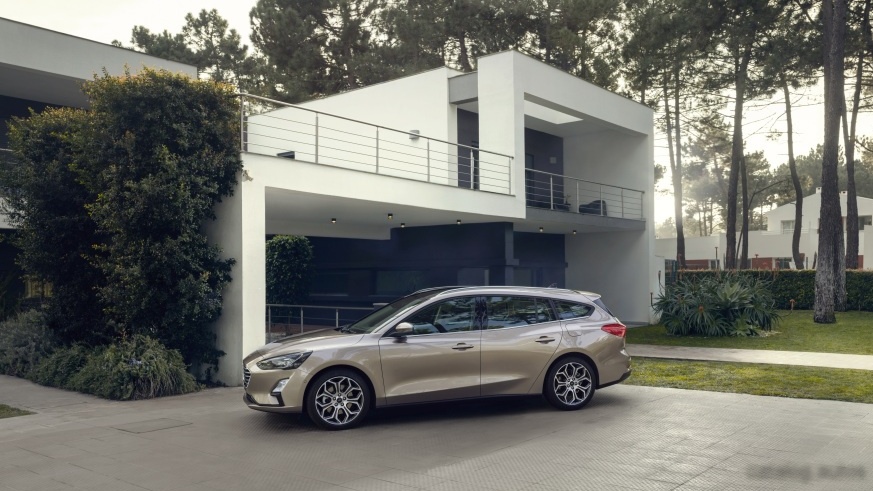
The Ford Focus IV Wagon ST 2.0 EcoBlue (190 hp) was a performance-oriented variant of the fourth-generation Ford Focus Wagon, produced between June 2019 and 2021. Positioned as the sporty flagship of the Focus wagon lineup, it offered a blend of practicality and engaging driving dynamics. This model represented Ford’s continued commitment to offering enthusiast-focused vehicles within the competitive compact wagon segment, primarily targeting the European market, though limited examples were available in other regions. It built upon the foundation of the Mk4 Focus, known for its improved chassis and technology, adding a more powerful diesel engine and sporty styling cues.
Technical Specifications
| Brand | Ford |
| Model | Focus |
| Generation | Focus IV Wagon |
| Type (Engine) | ST 2.0 EcoBlue (190 Hp) |
| Start of production | June, 2019 |
| End of production | 2021 |
| Powertrain Architecture | Internal Combustion engine |
| Body type | Station wagon (estate) |
| Seats | 5 |
| Doors | 5 |
| Fuel consumption (urban) | 5.9 l/100 km (39.9 US mpg, 47.9 UK mpg, 16.9 km/l) |
| Fuel consumption (extra urban) | 4.2 l/100 km (56 US mpg, 67.3 UK mpg, 23.8 km/l) |
| Fuel consumption (combined) | 4.8 l/100 km (49 US mpg, 58.9 UK mpg, 20.8 km/l) |
| CO2 emissions | 125 g/km |
| Fuel Type | Diesel |
| Acceleration 0 – 100 km/h | 7.7 sec |
| Acceleration 0 – 62 mph | 7.7 sec |
| Acceleration 0 – 60 mph | 7.3 sec |
| Maximum speed | 220 km/h (136.7 mph) |
| Emission standard | Euro 6d-TEMP |
| Weight-to-power ratio | 7.9 kg/Hp, 125.8 Hp/tonne |
| Weight-to-torque ratio | 3.8 kg/Nm, 264.9 Nm/tonne |
| Power | 190 Hp @ 3500 rpm |
| Torque | 400 Nm @ 2000 rpm (295.02 lb.-ft. @ 2000 rpm) |
| Engine layout | Front, Transverse |
| Engine Model/Code | YMDA |
| Number of cylinders | 4 |
| Engine configuration | Inline |
| Fuel injection system | Diesel Commonrail |
| Engine aspiration | Turbocharger, Intercooler |
| Engine oil capacity | 6.4 l (6.76 US qt, 5.63 UK qt) |
| Coolant capacity | 12.6 l (13.31 US qt, 11.09 UK qt) |
| Kerb Weight | 1510 kg (3328.98 lbs) |
| Max. weight | 2105 kg (4640.73 lbs) |
| Max load | 595 kg (1311.75 lbs) |
| Trunk (boot) space – minimum | 541 l (19.11 cu. ft) |
| Trunk (boot) space – maximum | 1576 l (55.66 cu. ft) |
| Fuel tank capacity | 47 l (12.42 US gal, 10.34 UK gal) |
| Permitted trailer load with brakes (12%) | 1800 kg (3968.32 lbs) |
| Permitted trailer load without brakes | 750 kg (1653.47 lbs) |
| Permitted towbar download | 90 kg (198.42 lbs) |
| Length | 4668 mm (183.78 in) |
| Width | 1825 mm (71.85 in) |
| Width with mirrors folded | 1845 mm (72.64 in) |
| Width including mirrors | 1979 mm (77.91 in) |
| Height | 1492 mm (58.74 in) |
| Wheelbase | 2700 mm (106.3 in) |
| Minimum turning circle | 10.7 m (35.1 ft) |
| Drivetrain Architecture | Front wheel drive |
| Number of gears and type of gearbox | 6 gears, manual transmission |
| Tires size | 235/40 R18 |
| Wheel rims size | 8J x 18 |
INTRODUCTION
The Ford Focus IV Wagon ST 2.0 EcoBlue (190 hp) arrived as part of the mid-cycle refresh of the fourth-generation Focus range. Introduced in 2019, it aimed to provide a more efficient and refined performance option compared to the petrol-powered ST models. The Focus IV, built on the C2 platform (also known as 1HX0/A3), represented a significant step forward in terms of chassis rigidity and driving dynamics. The wagon body style, popular in Europe, offered increased practicality without sacrificing the engaging driving experience Ford was known for. This diesel ST variant was primarily aimed at drivers who prioritized fuel economy and torque for long-distance driving or towing, while still desiring a sporty aesthetic and improved handling.
Powertrain & Engine Architecture
At the heart of the Focus ST 2.0 EcoBlue was the YMDA engine, a 2.0-liter inline-four cylinder diesel engine. This engine utilized a common-rail direct injection system, delivering fuel at extremely high pressure for optimized combustion. A turbocharger with an intercooler was employed to boost power output and improve throttle response. The engine produced 190 horsepower at 3500 rpm and a substantial 400 Nm (295 lb-ft) of torque from as low as 2000 rpm. This torque figure provided strong acceleration in everyday driving situations. The engine also featured a diesel particulate filter (DPF) to meet stringent Euro 6d-TEMP emissions standards. The engine was paired with a six-speed manual transmission, chosen for its driver engagement and efficiency. The transmission’s gear ratios were tuned to maximize both acceleration and fuel economy.
Driving Characteristics
The 190 hp diesel engine, coupled with the six-speed manual gearbox, delivered a distinct driving experience compared to the higher-output petrol ST models. While not as explosively quick, the diesel offered a broader, more accessible powerband. The abundant torque meant strong acceleration from low speeds and effortless overtaking on the highway. The manual transmission allowed for precise control, and the gear ratios were well-matched to the engine’s characteristics. Compared to the petrol ST, the diesel variant felt more relaxed and refined, making it a more comfortable choice for long journeys. The suspension, tuned for sporty handling, provided a good balance between comfort and control, though it was slightly firmer than the standard Focus wagon.
Equipment & Trim Levels
The ST 2.0 EcoBlue typically came well-equipped as standard. Interior features included sport seats upholstered in a combination of cloth and leather-style material, a leather-wrapped steering wheel, and aluminum pedals. The dashboard featured a modern design with a central touchscreen infotainment system supporting Apple CarPlay and Android Auto. Standard safety equipment included multiple airbags, electronic stability control, and lane-keeping assist. Optional extras included a panoramic sunroof, heated front seats, and a premium sound system. The ST trim also featured unique exterior styling elements, such as a rear spoiler, side skirts, and distinctive alloy wheels.
Chassis & Braking
The Focus IV Wagon ST benefited from the improved chassis of the fourth-generation Focus. The body structure was significantly stiffer than its predecessor, contributing to improved handling and reduced noise, vibration, and harshness. The front suspension utilized independent MacPherson struts, while the rear suspension employed a multi-link setup. The ST variant typically featured thicker stabilizer bars compared to the standard wagon, further reducing body roll during cornering. Braking duties were handled by disc brakes on all four wheels, providing ample stopping power. The electronic stability control system helped to maintain control in challenging conditions.
Market Reception & Comparison
The Ford Focus IV Wagon ST 2.0 EcoBlue was generally well-received by automotive critics. It was praised for its fuel efficiency, strong torque output, and engaging driving dynamics. However, some reviewers noted that it lacked the outright excitement of the petrol-powered ST models. Compared to other trims in the Focus lineup, the ST 2.0 EcoBlue offered a significant performance upgrade, but at a higher price point. Against competitors like the Volkswagen Golf GTD and Skoda Octavia Combi TDI, the Focus ST offered a compelling combination of performance, practicality, and value. Fuel economy was a key selling point, consistently achieving around 49 US mpg in combined driving.
Legacy
The Ford Focus IV Wagon ST 2.0 EcoBlue represents a niche offering within the Focus range. While not as widely produced as the petrol ST models, it has gained a following among drivers who appreciate its blend of performance and efficiency. The YMDA engine, while generally reliable, requires regular maintenance, including DPF regeneration, to ensure longevity. On the used car market, these models offer a relatively affordable entry point into the world of performance wagons. Their practicality, fuel economy, and engaging driving dynamics continue to make them an attractive option for those seeking a versatile and enjoyable vehicle.