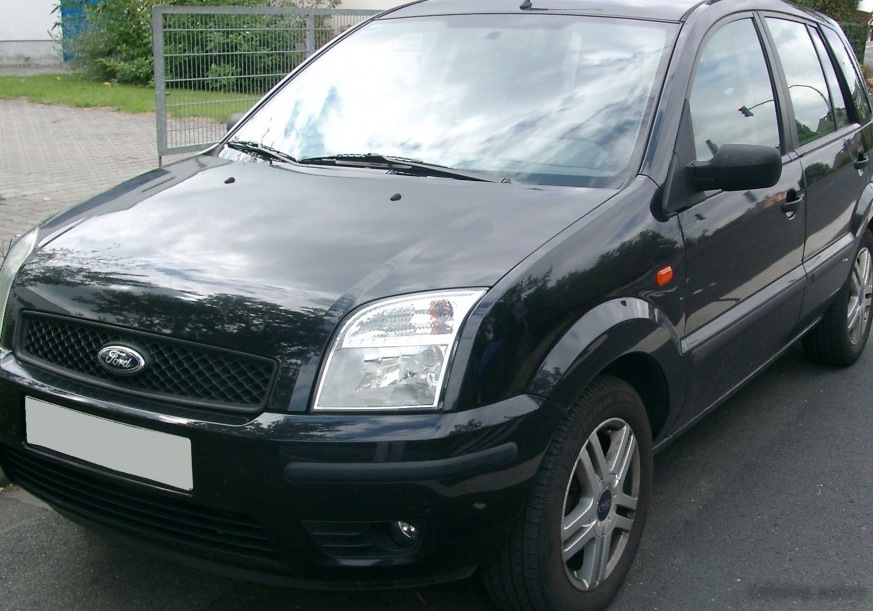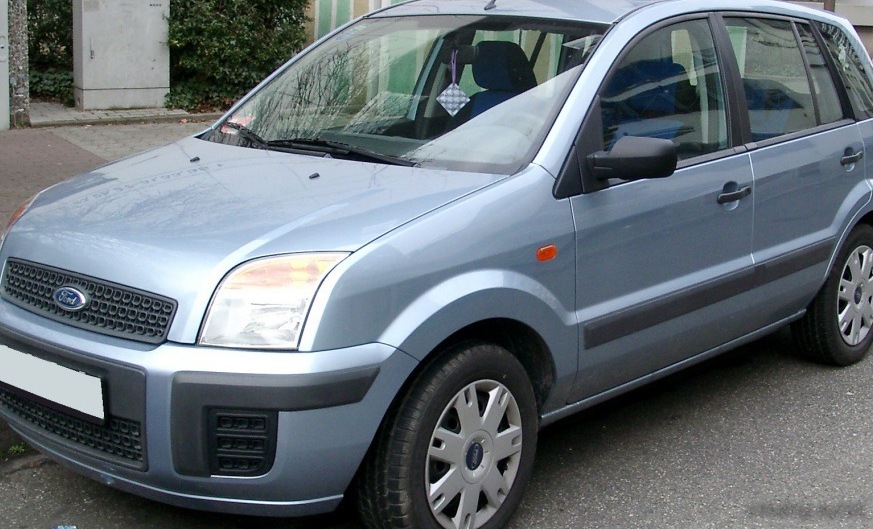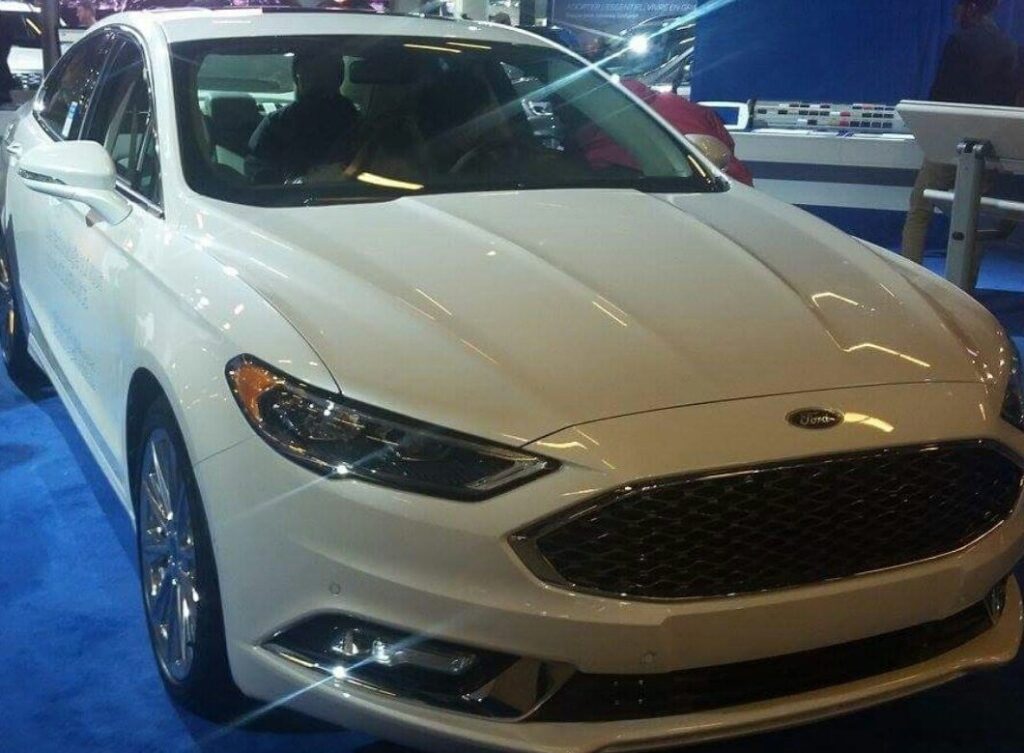
The Ford Fusion Energi, specifically the 2016-2018 model year iteration with the 2.0-liter Atkinson-cycle engine paired with an eCVT, represented Ford’s entry into the growing plug-in hybrid (PHEV) market in North America. Positioned as a premium offering within the second-generation Fusion lineup (introduced in 2013 and facelifted in 2016), the Energi distinguished itself through its ability to operate on all-electric power for a significant range, appealing to environmentally conscious consumers and those seeking reduced fuel costs. Production spanned from 2016 to 2018, coinciding with increased demand for fuel-efficient vehicles and advancements in battery technology.
Technical Specifications
| Brand | Ford |
| Model | Fusion |
| Generation | Fusion II (facelift 2016) |
| Type (Engine) | 2.0 (188 Hp) Atkinson Energi Plug-In Hybrid eCVT |
| Start of production | 2016 |
| End of production | 2018 |
| Powertrain Architecture | PHEV (Plug-in Hybrid Electric Vehicle) |
| Body type | Sedan |
| Seats | 5 |
| Doors | 4 |
| Fuel consumption (urban) | 5.4 l/100 km (43.6 US mpg) |
| Fuel consumption (extra urban) | 5.7 l/100 km (41.3 US mpg) |
| Fuel consumption (combined) | 5.6 l/100 km (42 US mpg) |
| Fuel Type | Petrol / electricity |
| Weight-to-power ratio | 9.6 kg/Hp |
| Weight-to-torque ratio | 10.3 kg/Nm |
| Gross battery capacity | 7.6 kWh |
| Battery technology | Lithium-ion (Li-Ion) |
| All-electric range | 33.7 km (20.94 mi) |
| Electric motor power | 120 Hp |
| Electric motor location | Integrated into the transmission |
| Electric motor type | Synchronous |
| System power | 188 Hp |
| Engine Power | 141 Hp @ 6000 rpm |
| Engine Torque | 175 Nm @ 4000 rpm (129.07 lb.-ft. @ 4000 rpm) |
| Engine layout | Front, Transverse |
| Engine displacement | 1999 cm3 (121.99 cu. in.) |
| Number of cylinders | 4 |
| Engine configuration | Inline |
| Cylinder Bore | 87.5 mm (3.44 in.) |
| Piston Stroke | 83.1 mm (3.27 in.) |
| Compression ratio | 12.3:1 |
| Number of valves per cylinder | 4 |
| Fuel injection system | Multi-port manifold injection |
| Engine aspiration | Naturally aspirated engine |
| Valvetrain | iVCT, DOHC |
| Engine oil capacity | 4.3 l (4.54 US qt | 3.78 UK qt) |
| Coolant capacity | 8.5 l (8.98 US qt | 7.48 UK qt) |
| Kerb Weight | 1808 kg (3985.96 lbs.) |
| Trunk (boot) space (minimum) | 232 l (8.19 cu. ft.) |
| Fuel tank capacity | 53 l (14 US gal | 11.66 UK gal) |
| Length | 4872 mm (191.81 in.) |
| Width | 1852 mm (72.91 in.) |
| Width including mirrors | 2121 mm (83.5 in.) |
| Height | 1473 mm (57.99 in.) |
| Wheelbase | 2850 mm (112.2 in.) |
| Front track | 1582 mm (62.28 in.) |
| Rear track | 1575 mm (62.01 in.) |
| Minimum turning circle | 11.5 m (37.73 ft.) |
| Gearbox | automatic transmission eCVT |
Powertrain & Engine Architecture
The heart of the Fusion Energi was its 2.0-liter four-cylinder Atkinson-cycle engine, designated as part of the Ford EcoBoost family. Unlike traditional Otto-cycle engines, the Atkinson cycle prioritizes expansion over compression, resulting in improved thermal efficiency, albeit at the cost of some peak power. This engine produced 141 horsepower at 6000 rpm and 129 lb-ft of torque at 4000 rpm. Multi-port fuel injection was employed to deliver fuel to the cylinders. The engine featured Ford’s intelligent Variable Camshaft Timing (iVCT) and double overhead camshafts (DOHC) to optimize valve timing for varying engine speeds and loads.
Complementing the gasoline engine was a 120 horsepower electric motor integrated directly into the eCVT. This configuration allowed for seamless transitions between electric, gasoline, and combined power modes. The 7.6 kWh lithium-ion battery pack, positioned under the floor, provided an all-electric range of approximately 21 miles. The eCVT (electronically controlled continuously variable transmission) was crucial to the Energi’s efficiency, allowing the engine to operate at its most efficient points while providing smooth, stepless acceleration. The eCVT lacked traditional gears, relying on a belt and pulley system to vary the gear ratio continuously.
Driving Characteristics
The 2.0-liter Atkinson engine, while efficient, wasn’t designed for outright performance. The combined system output of 188 horsepower provided adequate acceleration for everyday driving, but it wasn’t particularly sporty. The eCVT, while smooth, could sometimes feel disconnected, with the engine occasionally droning under hard acceleration. However, in electric mode, the Energi offered near-silent operation and instant torque, making it ideal for city commuting. The car’s weight, at nearly 4,000 pounds, contributed to a less agile feel compared to non-hybrid Fusion models. The focus was clearly on maximizing fuel economy and minimizing emissions rather than providing a thrilling driving experience.
Equipment & Trim Levels
The Fusion Energi typically came well-equipped, reflecting its position as a premium trim. Standard features included Ford’s SYNC infotainment system with an 8-inch touchscreen, a rearview camera, automatic climate control, and keyless entry. Higher trim levels added features like leather upholstery, heated front seats, a premium sound system, and advanced safety technologies such as blind-spot monitoring and lane-keeping assist. The Energi also featured unique exterior styling cues, such as a distinctive grille and badging, to differentiate it from other Fusion models. Optional extras included a navigation system and a sunroof.
Chassis & Braking
The Fusion Energi utilized an independent McPherson strut front suspension and an independent multi-link rear suspension. The suspension was tuned for comfort rather than sporty handling. Front brakes were ventilated discs, while rear brakes were solid discs. Anti-lock brakes (ABS) were standard. The Energi’s added weight due to the battery pack necessitated a slightly stiffer suspension setup compared to the standard Fusion, but the overall ride quality remained comfortable. Standard tire size was 225/50R17.
Market Reception & Comparison
The Fusion Energi was generally well-received by critics, who praised its fuel efficiency and all-electric range. However, some reviewers noted the relatively high price compared to other hybrid and plug-in hybrid options. Compared to the standard Fusion 2.5L, the Energi offered significantly better fuel economy but less overall power. Against competitors like the Toyota Prius Prime and Chevrolet Volt, the Fusion Energi offered a more conventional sedan experience, but its all-electric range was often shorter. Reliability reports were generally positive, with few major issues reported with the powertrain.
Legacy
The Ford Fusion Energi, while discontinued in 2018 along with the standard Fusion, played a significant role in Ford’s early foray into the plug-in hybrid market. The powertrain proved to be relatively reliable, and used Energi models continue to offer a compelling value proposition for buyers seeking a fuel-efficient and environmentally friendly vehicle. The technology pioneered in the Energi paved the way for Ford’s subsequent hybrid and electric vehicle offerings, including the Escape Hybrid and the Mustang Mach-E. Today, the Fusion Energi remains a popular choice for those seeking a practical and economical plug-in hybrid sedan.