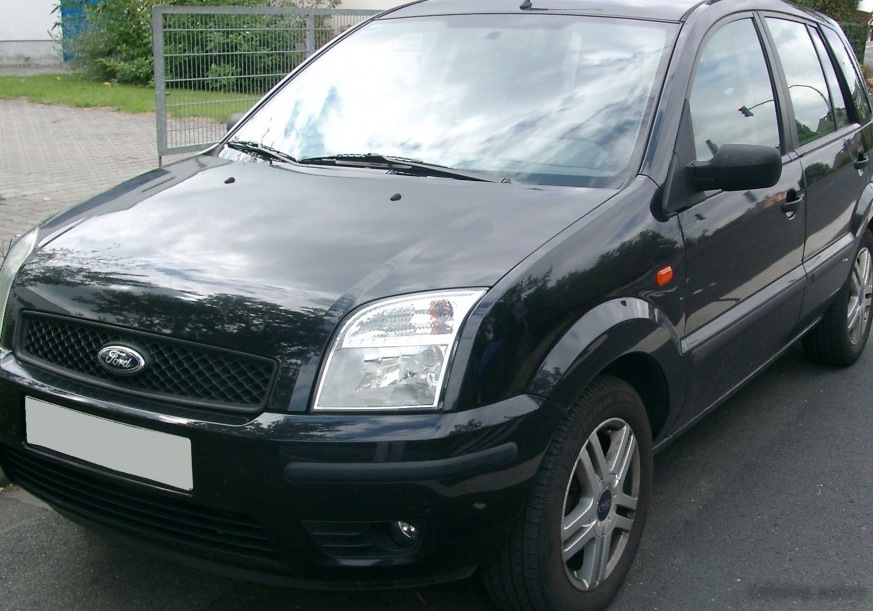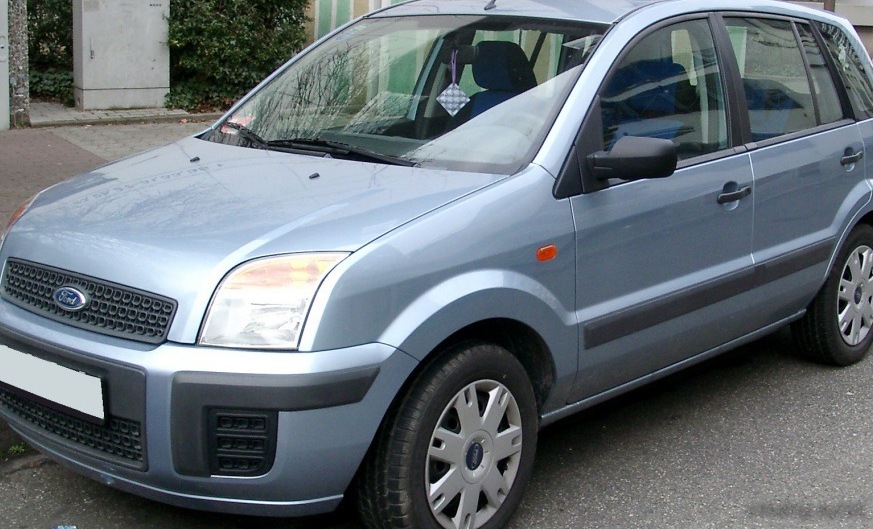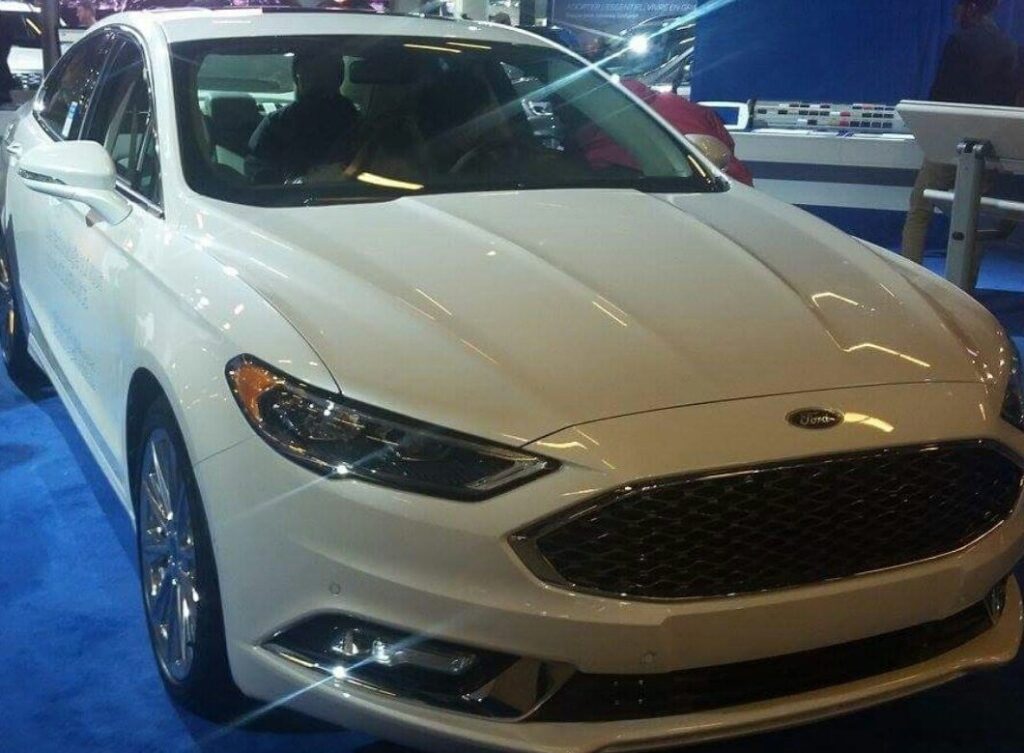
The Ford Fusion II, specifically the 2.0 EcoBoost variant with an automatic transmission, represented a significant offering in the mid-size sedan segment during its 2016-2018 production run. This facelifted version of the second-generation Fusion aimed to blend stylish European-inspired design with American practicality and performance. Positioned as a step up from the base 2.5L engine, the 2.0 EcoBoost Automatic provided a compelling balance of power, fuel efficiency, and features, targeting buyers seeking a more engaging driving experience without sacrificing comfort. It was a key model in Ford’s strategy to offer a diverse lineup within the Fusion range, competing with vehicles like the Honda Accord, Toyota Camry, and Mazda 6.
Technical Specifications
| Brand | Ford |
| Model | Fusion |
| Generation | Fusion II (facelift 2016) |
| Type (Engine) | 2.0 EcoBoost (245 Hp) Automatic |
| Start of production | 2016 |
| End of production | 2018 |
| Powertrain Architecture | Internal Combustion engine |
| Body type | Sedan |
| Seats | 5 |
| Doors | 4 |
| Fuel consumption (urban) | 11.2 l/100 km (21 US mpg, 25.2 UK mpg, 8.9 km/l) |
| Fuel consumption (extra urban) | 7.5 l/100 km (31.4 US mpg, 37.7 UK mpg, 13.3 km/l) |
| Fuel consumption (combined) | 9.4 l/100 km (25 US mpg, 30.1 UK mpg, 10.6 km/l) |
| Fuel Type | Petrol (Gasoline) |
| Acceleration 0 – 100 km/h | 7.2 sec |
| Acceleration 0 – 62 mph | 7.2 sec |
| Acceleration 0 – 60 mph | 6.8 sec |
| Maximum speed | 244 km/h (151.61 mph) |
| Weight-to-power ratio | 6.5 kg/Hp, 153.2 Hp/tonne |
| Weight-to-torque ratio | 4.3 kg/Nm, 233.3 Nm/tonne |
| Power | 245 Hp @ 5500 rpm |
| Power per litre | 122.6 Hp/l |
| Torque | 373 Nm @ 3000 rpm (275.11 lb.-ft. @ 3000 rpm) |
| Engine layout | Front, Transverse |
| Engine displacement | 1999 cm3 (121.99 cu. in.) |
| Number of cylinders | 4 |
| Engine configuration | Inline |
| Cylinder Bore | 87.5 mm (3.44 in.) |
| Piston Stroke | 83.1 mm (3.27 in.) |
| Compression ratio | 9.3:1 |
| Number of valves per cylinder | 4 |
| Fuel injection system | Direct injection |
| Engine aspiration | Turbocharger, Intercooler |
| Valvetrain | DOHC, Ti-VCT |
| Engine oil capacity | 5.4 l (5.71 US qt | 4.75 UK qt) |
| Coolant | 8 l (8.45 US qt | 7.04 UK qt) |
| Kerb Weight | 1599 kg (3525.19 lbs.) |
| Trunk (boot) space – minimum | 453 l (16 cu. ft.) |
| Fuel tank capacity | 62 l (16.38 US gal | 13.64 UK gal) |
| Length | 4872 mm (191.81 in.) |
| Width | 1852 mm (72.91 in.) |
| Width including mirrors | 2121 mm (83.5 in.) |
| Height | 1478 mm (58.19 in.) |
| Wheelbase | 2850 mm (112.2 in.) |
| Front track | 1593 mm (62.72 in.) |
| Rear (Back) track | 1585 mm (62.4 in.) |
| Drag coefficient (Cd) | 0.30 |
| Minimum turning circle | 11.5 m (37.73 ft.) |
| Drivetrain Architecture | Front wheel drive |
| Number of gears | 6 |
| Gearbox type | Automatic transmission |
| Front suspension | Independent, type McPherson with coil spring and anti-roll bar |
| Rear suspension | Independent multi-link suspension |
| Front brakes | Ventilated discs |
| Rear brakes | Disc |
| Assisting systems | ABS (Anti-lock braking system) |
| Steering type | Steering rack and pinion |
| Tires size | 235/40 R19 |
| Wheel rims size | 19 |
Powertrain & Engine Architecture
At the heart of the 2016-2018 Ford Fusion 2.0 EcoBoost Automatic lies the Ford EcoBoost 2.0-liter inline-four cylinder engine. This engine, part of Ford’s EcoBoost family, utilizes a combination of direct fuel injection, a twin-scroll turbocharger, and variable valve timing (Ti-VCT) to deliver a balance of power and efficiency. The engine code is generally identified as GTDI. The direct injection system allows for precise fuel delivery, optimizing combustion and reducing emissions. The twin-scroll turbocharger minimizes turbo lag, providing quicker throttle response. The 6-speed automatic transmission, a crucial component of this variant, was designed to handle the engine’s torque output and provide smooth shifts. While not a dual-clutch transmission, it offered a responsive driving experience, with paddle shifters available on some trim levels.
Driving Characteristics
The 2.0 EcoBoost Automatic Fusion offered a noticeable step up in performance compared to the base 2.5L engine. The 245 horsepower and 275 lb-ft of torque provided brisk acceleration, with 0-60 mph times consistently around 6.8 seconds. The automatic transmission was well-tuned, offering smooth gear changes during normal driving and responsive downshifts when needed. While not as engaging as a manual transmission, the 6-speed automatic provided a comfortable and convenient driving experience. The gear ratios were optimized for both acceleration and highway cruising, allowing the Fusion to maintain a relaxed pace at higher speeds. Compared to the 1.5L EcoBoost, the 2.0L offered significantly more power, while the difference in fuel economy was relatively minor.
Equipment & Trim Levels
The 2.0 EcoBoost Automatic was typically offered in the SE, SEL, and Titanium trim levels. The SE trim included standard features such as Ford’s SYNC infotainment system, a rearview camera, and automatic headlights. The SEL trim added features like leather upholstery, heated front seats, and a power-adjustable driver’s seat. The top-of-the-line Titanium trim included premium features such as a premium sound system, navigation, and a power-adjustable passenger seat. Optional extras included a sunroof, adaptive cruise control, and blind-spot monitoring. Interior upholstery varied depending on the trim level, with cloth seats standard on the SE and leather seats standard on the SEL and Titanium.
Chassis & Braking
The Fusion II utilized a front-wheel-drive platform with an independent McPherson strut front suspension and an independent multi-link rear suspension. This suspension setup provided a comfortable ride while maintaining good handling characteristics. The SEL and Titanium trims often featured slightly stiffer suspension tuning for a more sporty feel. Braking duties were handled by ventilated discs on all four wheels, providing ample stopping power. Anti-lock brakes (ABS) and electronic stability control were standard features. The Fusion’s chassis was designed to provide a balance of rigidity and weight, contributing to its overall handling and stability.
Market Reception & Comparison
The 2.0 EcoBoost Automatic Fusion was generally well-received by automotive critics. Reviewers praised its combination of power, fuel efficiency, and features. The engine was lauded for its responsiveness and smooth power delivery. However, some critics noted that the automatic transmission could occasionally feel hesitant during quick acceleration. Compared to its competitors, the Fusion 2.0 EcoBoost offered a competitive level of performance and features at a reasonable price point. Fuel economy was comparable to other mid-size sedans with similar engine displacements. Reliability was generally good, although some owners reported minor issues with the infotainment system.
Legacy
The Ford Fusion II, including the 2.0 EcoBoost Automatic variant, represented a high point for Ford in the mid-size sedan segment. While the Fusion was discontinued in 2020, the 2.0 EcoBoost engine continues to be used in other Ford vehicles. The powertrain, while generally reliable, can require routine maintenance such as oil changes and spark plug replacements. In the used car market, the 2016-2018 Fusion 2.0 EcoBoost Automatic remains a popular choice for buyers seeking a stylish, comfortable, and well-equipped mid-size sedan. Its blend of performance, fuel efficiency, and features continues to make it a compelling option in its price range.